What to Do After Giving Birth Through a Cesarean?
Welcoming a new life into the world is one of the most joyous occasions for families. However, if your journey included a cesarean delivery, understanding how to navigate the postpartum phase is critical for your health and recovery. This article is designed to provide comprehensive information on what to expect and how to care for yourself after having a cesarean section. As one of the best maternity hospitals in Pune, Lopmudra Hospital strives to support new mothers with education and personalized care during this transformative time.
Understanding Cesarean Delivery
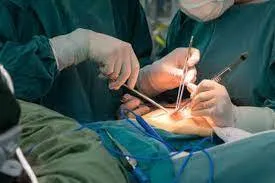
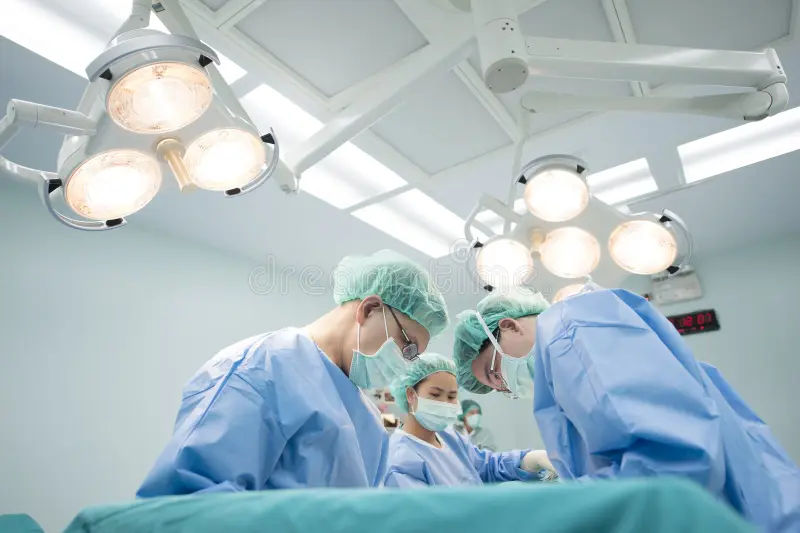
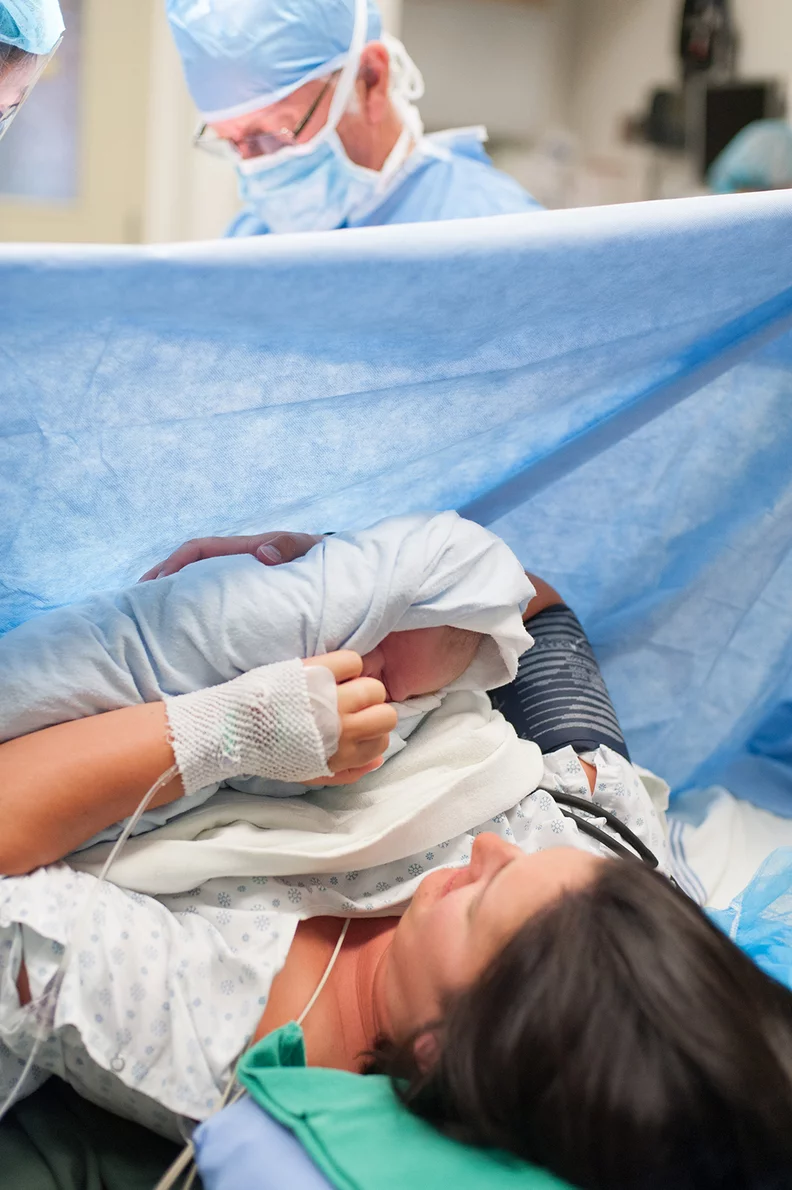
A cesarean section, commonly referred to as a C-section, is a surgical procedure used to deliver a baby through incisions made in the mother’s abdomen and uterus. This mode of delivery may be planned ahead of time or may become necessary due to certain complications during labor. It is essential to understand the reasons behind the cesarean, as proper care afterward can vary based on such factors.
Some potential reasons for choosing a cesarean delivery include:
- Multiple pregnancies: In cases of twins or more, cesarean delivery may be recommended to ensure the safest transition for both mother and babies.
- Fetal distress: If the baby shows signs of distress during labor, an emergency C-section may be necessary to expedite delivery.
- Previous C-sections: If you have had a prior cesarean, your healthcare provider may suggest a repeat C-section depending on your unique circumstances.
- Abnormal positioning: If the baby is in a breech or sideways position, a cesarean may be the safest option for delivery.
Knowing the reasons for your C-section can guide you in taking appropriate care of yourself in the postpartum phase. As a valued patient at Lopmudra Hospital, our gynecology specialists are here to support you.
Postoperative Care After a Cesarean Section
After your C-section, you may experience a variety of physical and emotional changes that necessitate specific care routines to promote healing. Here are essential care tips:
- Rest is paramount: Your body has undergone major surgery. Take time to rest and allow your body to recover.
- Monitor your incision: Watch for any signs of infection at the incision site, such as increased redness, swelling, or discharge. Regular cleaning is vital.
- Pain management: Speak with your physician about appropriate pain relief strategies. Typically, doctors prescribe medication to alleviate discomfort.
- Practice deep breathing: This can prevent lung complications by expanding the lungs fully and reducing the risk of pneumonia.
These post-surgery care strategies are critical. At Lopmudra Hospital, we offer postpartum recovery services in Pune to assist mothers after cesarean deliveries.
Managing Pain and Discomfort
After your C-section, it’s normal to feel discomfort and pain around the incision site. However, managing this pain is crucial for a smoother recovery.
- Medications: Follow your doctor’s prescriptions and guidelines regarding medications to relieve pain, reducing the risk of complications from both overmedicating and undermedicating.
- Supportive garments: Wearing a postpartum support belt can help alleviate discomfort and provide abdominal support as you heal.
- Ice packs: Applying ice packs for short intervals can also reduce swelling and pain.
- Use proper body mechanics: When lifting or moving, support yourself to avoid straining your incision, which could result in complications.
Our experts at Lopmudra Hospital provide tailored advice to ensure you manage these discomforts in a way that promotes overall health as you adjust to motherhood.
Nutrition for Healing
Your diet plays a crucial role in how quickly and effectively you recover after giving birth through a cesarean section. Ensuring that you receive the right nutrients will support both your healing and breastfeeding, if applicable.
Consider focusing on the following food groups:
- High-Protein Foods: Foods rich in protein, such as lean meats, legumes, nuts, and dairy products promote tissue repair.
- Fruits and Vegetables: Provide essential vitamins and minerals that help improve immunity and boost overall health.
- Fiber-Rich Foods: Constipation is common post-surgery; thus, increased fiber intake through whole grains, vegetables, and fruits helps to mitigate this issue.
- Hydration: Staying well-hydrated supports all bodily functions and aids in recovery.
At Lopmudra Hospital, our maternity care specialists recommend postpartum support services in Pune that also include nutritional guidance tailored to your specific needs.
Understanding Emotional Changes
Emotional changes post-cesarean delivery can be just as impactful as physical changes. Many women experience a mix of emotions, including excitement, anxiety, and even sadness after childbirth.
- Baby Blues: Many new mothers experience mild mood swings or feelings of sadness, often called baby blues, which typically resolve within a few days.
- Postpartum Depression: If feelings of hopelessness persist or worsen, it may indicate postpartum depression. Seek help from a mental health professional or talk to your caregiver.
- Support from loved ones: Having a strong support system is essential to navigating these emotional challenges. Speak openly with family and friends about your feelings.
Lopmudra Hospital is committed to providing comprehensive care that includes emotional support for new mothers. Consider reaching out to our postpartum support services in Pune for additional resources.
Physical Activity After a Cesarean
Returning to physical activity requires a delicate balance. While light movement is encouraged shortly after surgery, vigorous exercise should be approached cautiously.
- Walking: As soon as you feel up to it, start walking short distances to boost circulation and reduce the risk of blood clots.
- Gradual Progression: Gradually increase activity levels as recommended by your healthcare provider, ensuring you listen to your body.
- Avoid High-Impact Exercise: Activities that place stress on the abdomen, such as running or heavy lifting, should be avoided for at least six to eight weeks.
Consult with our gynecology specialists in Pune at Lopmudra Hospital for personalized exercise recommendations tailored to your recovery status.
When to Seek Medical Advice
While recovery progresses for most women, understanding when to seek medical advice is crucial. Be vigilant for the following signs:
- Infection Signs: Increased redness, swelling, or pus from your incision site must be addressed promptly.
- Heavy Bleeding: If you experience an unusually heavy vaginal discharge or clotting, contact your doctor.
- Extreme Pain or Discomfort: If pain worsens despite medication or becomes unbearable, do not hesitate to seek help.
- Emotional Distress: If feelings of depression or anxiety escalate, it is critical to obtain mental health support.
At Lopmudra Hospital, our commitment is to your health and well-being during this life-altering period. Our postoperative care in Pune ensures you never feel alone on this journey.
Conclusion: Embracing Motherhood After a C-section
Adapting to motherhood, especially after a cesarean delivery, involves understanding the multifaceted changes that accompany this experience. While your body undergoes significant recovery, it is essential to remain mindful of both physical and mental health.
As you navigate your path towards recovery, remember the invaluable support available to you at Lopmudra Hospital. We are here to provide maternity care in Pune, including physical check-ups, emotional support, and personalized guidance throughout your postpartum journey.
This article was written by Dr. Archana Salve, sharing insights based on professional experience in the field.