Category: Uncategorized

  • Understanding Postpartum Hemorrhage: Causes and Care at Lopmudra Hospital

    Understanding Postpartum Hemorrhage: Causes and Care at Lopmudra Hospital

    What Causes Excessive Bleeding After Labor Delivery?


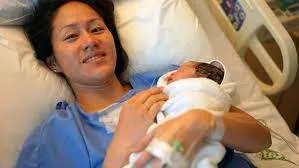
    Labor and delivery is a monumental experience filled with excitement and anticipation, but it can also bring about unexpected challenges. One such challenge is excessive bleeding after labor, known medically as postpartum hemorrhage (PPH). Understanding the causes, symptoms, and treatment options can help expectant mothers prepare themselves and feel empowered as they approach labor. At Lopmudra Hospital Chain, located in Pune, we are committed to providing the best maternity care and ensuring safe deliveries for mothers and their newborns.

    In this extensive guide, we will explore the various causes of excessive bleeding after labor, discuss symptoms to look out for, and outline effective treatment options. It’s essential for everyone to be informed and proactive regarding maternal health, especially during this critical phase.


    Understanding Postpartum Hemorrhage (PPH)

    Postpartum hemorrhage (PPH) is defined as the loss of more than 500 milliliters of blood following a vaginal delivery and more than 1000 milliliters after a cesarean section. This condition occurs in about 1-5% of births, and it can be life-threatening if not addressed promptly. Excessive bleeding after delivery can occur for several reasons, ultimately falling into two categories: primary PPH, which happens within the first 24 hours of delivery, and secondary PPH, which occurs between 24 hours and 6 weeks postpartum.

    The significant risk factors for a mother experiencing PPH include:

    • Previous history of postpartum hemorrhage
    • Multiple pregnancies (twins or more)
    • Prolonged labor or rapid labor
    • Instrumental delivery (vacuum or forceps)
    • Complications such as uterine atony, retained placenta, and uterine rupture

    Causes of Excessive Bleeding After Labor

    Understanding what causes excessive bleeding after labor is crucial in mitigating risks. There are several identified causes, which include:

    • Uterine Atony: This condition occurs when the uterus fails to contract effectively after delivery. Approximately 70% of postpartum hemorrhage cases are attributed to uterine atony. The loss of tone results in excessive blood vessel dilation and subsequent bleeding.
    • Retained Placenta: If a part of the placenta remains attached to the uterine wall after delivery, it can lead to significant bleeding. The retained tissue prevents the uterus from contracting fully, exacerbating the bleeding issue.
    • Trauma or Lacerations: Vaginal deliveries can involve lacerations to the cervix, vagina, or perineum. Such tears, if not appropriately managed, can lead to ongoing bleeding.
    • Coagulation Disorders: Conditions affecting blood clotting can complicate postpartum recovery. Women with hereditary or acquired clotting disorders are at a higher risk for PPH.
    • Infection: Retained products of conception can lead to infection, affecting the uterus’s ability to contract, thereby increasing the potential for excessive bleeding.

    Symptoms of Postpartum Hemorrhage

    Recognizing the symptoms of postpartum hemorrhage can save lives. Here are some signs that may indicate excessive bleeding:

    • Heavy Bleeding: A noticeable increase in blood flow, saturating a pad within an hour, is a primary indicator of PPH.
    • Blood Clots: The presence of large blood clots may signal retained placenta or hemorrhage.
    • Feelings of Weakness and Dizziness: These symptoms may indicate a drop in blood pressure due to excess blood loss.
    • Rapid Heart Rate: An increased heart rate may occur as the body tries to compensate for blood loss.
    • Pale Skin: Pale and clammy skin can be a physical manifestation of significant blood loss.

    If any of these symptoms are observed, it is vital to seek medical assistance quickly to ensure timely intervention and care.


    Diagnosis of Postpartum Hemorrhage

    Timely diagnosis of postpartum hemorrhage is crucial. Health care providers at Lopmudra Hospital Chain employ several methods to diagnose the extent of bleeding:

    • Physical Examination: This involves assessing the mother’s vitals, physical condition, and the uterus’s firmness through palpation.
    • Blood Tests: A complete blood count (CBC) is conducted to assess hemoglobin levels and determine the degree of blood loss.
    • Ultrasound: Transabdominal or transvaginal ultrasounds may be performed to identify any retained placenta or assess uterine contractions.

    Accurate diagnosis helps in determining the best course of treatment to ensure the mother’s well-being.


    Treatment Options for Postpartum Hemorrhage

    Treatment for postpartum hemorrhage is anchored in the cause and severity of the bleed. Here are some standard treatment options:

    • Medications:

      • Uterotonics: Medications such as oxytocin can be administered to stimulate uterine contractions, reducing blood loss.
      • Antibiotics: If an infection is suspected, antibiotics may be initiated to prevent further complications.
    • Surgical Interventions:

      • In cases of severe bleeding, procedures like uterine artery embolization or a hysterectomy may be necessary to control the bleeding and maintain maternal health.
    • Fluid Resuscitation: Replacing lost fluids is vital. Intravenous (IV) fluids and blood transfusions may be given, depending on the severity of blood loss.

    The preference for treatment is heavily influenced by the individual circumstances of the patient. Our healthcare professionals at Lopmudra Hospital ensure a personalized approach tailored to each mother’s needs.


    Preventing Postpartum Hemorrhage

    While not all cases of postpartum hemorrhage can be avoided, several strategies help mitigate risks during delivery:

    • Proper Prenatal Care: Regular check-ups allow healthcare providers to monitor high-risk factors, offering timely interventions.
    • Personal Birth Plans: Discussing birth plans with healthcare providers can include preferences for managing potential bleeding risks.
    • Active Management of the Third Stage of Labor: This includes administering uterotonics right after the delivery of the baby and ensuring the placenta is delivered promptly.

    By taking proactive measures, expectant mothers can significantly decrease their risk of experiencing excessive bleeding after delivery.


    Conclusion

    Excessive bleeding after labor delivery is a serious condition; however, understanding its causes, recognizing the symptoms, and knowing the treatment options can empower mothers and their families. Always feel encouraged to communicate openly with your healthcare providers, as their expertise can guide you through this vital phase of motherhood. At Lopmudra Hospital Chain, we strive to provide the best maternity services in Pune, ensuring that every mother enjoys a safe and healthy delivery experience.

    This article was written by Dr. Archana Salve, sharing insights based on professional experience in the field.
  • Post-C-Section Care: Why Do Doctors Push on the Stomach? | Lopmudra Hospital Insights

    Post-C-Section Care: Why Do Doctors Push on the Stomach? | Lopmudra Hospital Insights

    Why Do They Push on the Stomach After the C-Section?


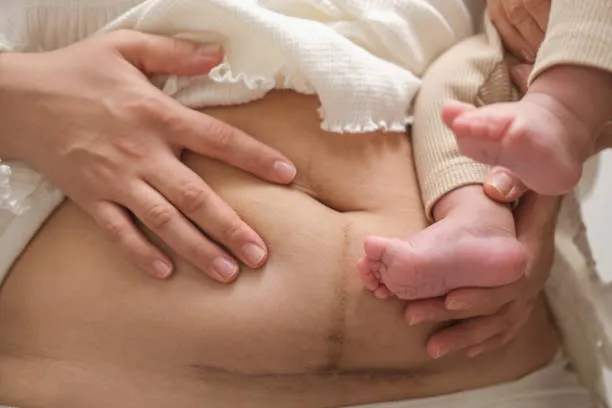
    Undergoing a C-section is a significant surgical procedure that is often necessary for the safe delivery of a baby. After a C-section, many new mothers experience a variety of physical and emotional changes. One common practice in the postpartum care of cesarean section patients includes pushing or massaging the stomach area. This blog will explore why this practice is performed, its benefits, and what new mothers can expect following a C-section at Lopmudra Hospital Chain, recognized as one of the best maternity hospitals in Pune.


    What Happens During a C-Section?

    A cesarean section, or C-section, is performed to deliver a baby through surgical incisions made in the abdomen and uterus. This procedure is often indicated when vaginal delivery poses risks to the mother or baby, such as in cases of multiple births, prolonged labor, or fetal distress.

    Post-surgery, new mothers are monitored closely as the body recovers from both the trauma of giving birth and the surgical procedure itself. The initial recovery phase generally lasts for a few days in the hospital, followed by further recovery at home.

    At Lopmudra Hospital, we emphasize comprehensive postpartum care in Pune to ensure mothers recover holistically and comfortably.


    Importance of Stomach Pushing/Massaging

    The practice of pushing on the stomach or massaging the abdomen following a C-section is based on several significant medical reasons:

    • Encouraging Uterine Contraction: Pushing on the stomach can help the uterus contract effectively after delivery. This contraction is crucial for reducing bleeding and promoting quicker recovery of the uterus to its normal state.

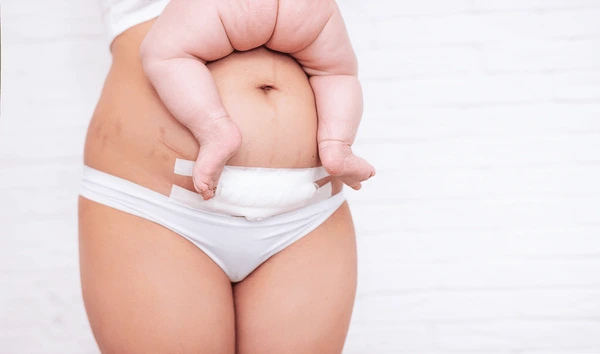
    • Reducing Abdominal Distension: Many women experience bloating after a C-section due to gas buildup or fluid retention. Gentle pressure helps alleviate this discomfort and can promote the passage of gas.

    • Improving Blood Circulation: Gentle abdominal massage can stimulate blood flow to the area, aiding healing and reducing the risk of complications.

    • Providing Comfort: Light physical touch can offer emotional reassurance and comfort to new mothers during a time of recovery.

    Overall, abdominal massage is frequently included in postpartum support in Pune to enhance the recovery experience for women undergoing C-sections.


    Patient Concerns About Stomach Pushing

    While stomach pushing can be beneficial, many new mothers express concerns or confusion regarding this practice. Some common questions include:

    • Is it Safe? Yes, when performed by a trained healthcare provider, pushing on the stomach after a C-section is generally safe and can be beneficial for recovery.

    • Will it hurt? If performed with appropriate technique, pushing should not be painful. If there’s discomfort, it’s critical to communicate with the healthcare provider.

    • How long will it last? This pushing typically occurs within the first few days post-surgery and may be continued at home as per healthcare advice.

    Addressing concerns transparently is a core part of our approach at Lopmudra Hospital to ensure that mothers feel supported during their recovery journey.


    The Role of Healthcare Providers

    Nurses, physicians, and midwives play vital roles in guiding new mothers through the post-C-section experience. Here’s how healthcare providers support mothers:

    • Education: Providing mothers with information about what to expect post-surgery, including the rationale for stomach pushing and other care practices.

    • Hands-on Assistance: Medical staff may demonstrate how to perform gentle abdominal massage on themselves to continue to promote recovery.

    • Monitoring: Careful observation of recovery progress, addressing any complications, and ensuring the mother is comfortable.

    This supportive environment is essential for ensuring that new mothers recover effectively and confidently following a C-section delivery.


    Coping with Post-Cesarean Pain

    Pain management is a crucial aspect of postpartum care after a C-section. Here are some methods recommended for effectively coping with pain:

    • Medication: Over-the-counter pain relievers or prescribed medications can help manage discomfort. It’s important to follow your doctor’s guidance regarding medication.

    • Ice Packs: Applying ice packs to the abdomen can alleviate swelling and discomfort in the days following surgery.

    • Rest and Movement: While rest is essential, gentle movement such as walking can promote blood circulation and ease pain over time.

    The compassionate team at Lopmudra Hospital is committed to offering tailored pain management plans to help new mothers navigate this challenging time.


    When to Seek Medical Attention

    While some discomfort is normal after a cesarean delivery, certain symptoms should prompt immediate medical attention:

    • Severe Pain: If the pain increases significantly or is unmanageable.

    • Signs of Infection: Symptoms such as increasing redness, swelling, or pus at the incision site, fever, or chills.

    • Heavy Bleeding: If you notice excessive bleeding that soaks through a pad in an hour, it’s important to get evaluated promptly.

    Our medical staff at Lopmudra Hospital is available to provide the necessary care and interventions to ensure maternal well-being.


    Conclusion

    Understanding why stomach pushing or stomach massage is performed after a C-section is essential for postpartum recovery. This practice can promote uterine contraction, reduce abdominal distension, and provide emotional comfort during a time of adjustment for new mothers.

    If you are in Pune and have questions or concerns about your recovery after a C-section, reach out to us at Lopmudra Hospital Chain for dedicated maternal care. Our team is here for you through this transformative journey of motherhood.


    This article was written by Dr. Archana Salve, sharing insights based on professional experience in the field.

  • Understanding Post-Caesarean Shaking: Causes and Recovery at Lopmudra Hospital

    Understanding Post-Caesarean Shaking: Causes and Recovery at Lopmudra Hospital

    Why did I shake so badly after I had my caesarean section?


    Experiencing shaking or shivering after a caesarean section (C-section) can be a common occurrence for many new mothers. While it may be alarming, understanding the causes of this symptom, as well as the subsequent recovery process, is crucial for postpartum care. At Lopmudra Hospital Chain, our team of healthcare professionals is dedicated to providing exceptional maternity care in Pune, ensuring your journey into motherhood is as smooth and informative as possible.


    Understanding Shaking After C-Section

    After undergoing a C-section, many women report experiencing uncontrollable shaking, which can be a source of concern. This phenomenon is often attributed to several factors:

    • Anesthesia Effects: Many women undergo general or spinal anesthesia during a C-section. The effects of anesthesia can lead to shivering as your body gradually regains its normal sensory function. It’s important to recognize that this is usually temporary.
    • Hormonal Changes: The physiological stress of childbirth, coupled with hormonal fluctuations experienced during labor, can trigger various reactions in the body, including shaking or shivering.
    • Temperature Regulation: Women may feel cold in the operating room, leading to shivering. Additionally, during a C-section, there is a risk of hypothermia, as the operating theater environment tends to be cool to maintain sterile conditions.
    • Postoperative Stress: The emotional aftermath of childbirth can also contribute to shaking. The excitement and anxiety associated with becoming a new parent can manifest physically.

    Recognizing the source of your shaking will help in alleviating concerns and preparing for a smoother recovery. Understanding that this symptom is common and often benign is essential for your overall well-being after surgery.


    Symptoms Associated with Shaking

    In most cases, shaking post-C-section is not accompanied by other severe symptoms. However, it’s essential to monitor your condition. Here are common accompanying symptoms:

    • Chills or Cold Sensation: You may feel cold, which can contribute to shaking.
    • Weakness or Fatigue: Feeling tired or weak following surgery can be normal.
    • Nausea: Some women experience nausea post-surgery, which may exacerbate feelings of discomfort.
    • Emotional Distress: Anxiety and stress are common, especially after a significant life event like childbirth.

    If shaking is accompanied by severe symptoms such as fever, excessive pain, or abnormal discharge, it is essential to seek immediate medical attention. It could indicate infection or other complications that require prompt intervention.


    Postoperative Recovery After C-Section

    Recovery from a C-section is multifaceted and extends beyond just physical healing. Understanding the recovery process can significantly prepare you for a smoother transition. Here’s what to expect:

    • Pain Management: Post-operative pain is common and may be managed with prescribed medications. Do not hesitate to reach out to your healthcare provider regarding effective pain relief methods.
    • Movement Restrictions: Initially, you may experience some limitations in mobility. Gradual ambulation is encouraged to prevent complications such as blood clots.
    • Wound Care: It’s crucial to keep the surgical site clean and dry. Follow your doctor’s instructions carefully to avoid infection.
    • Emotional Support: Don’t overlook the importance of mental and emotional care. Consider support groups and counseling for new mothers as many experience postpartum emotions that may need addressing.

    At Lopmudra Hospital, our maternity care team emphasizes comprehensive recovery guidance to ensure every new mother feels supported in her journey, encompassing both physical and emotional aspects.


    The Role of Anesthesia in Post-C-Section Shaking

    As mentioned earlier, anesthesia plays a significant role in postoperative experiences, including shaking. Here are key points regarding anesthesia and its aftermath:

    • Types of Anesthesia: C-sections usually utilize spinal or regional anesthesia. General anesthesia, while less common, may be used in certain medical conditions.
    • Recovery Time: The time it takes to recover from anesthesia varies from person to person, but most women experience a gradual alleviation of side effects within hours.
    • Pain and Side Effects: While anesthesia is designed to reduce discomfort during surgery, it can also lead to side effects such as nausea, tiredness, and of course, shaking.
    • Monitoring: Hospital staff will monitor you closely in the hours following anesthesia administration to manage any complications effectively.

    Understanding these elements can mitigate fears and empower you during your recovery. If shaking or any other symptoms persist beyond what you deem normal, do not hesitate to discuss them with your healthcare provider, as they will assess and address your concerns accordingly.


    C-Section Recovery Tips

    A well-planned recovery approach can make all the difference in your postpartum experience. Here are practical tips to optimize your recovery after a C-section:

    • Prioritize Rest: Adequate rest is crucial for recovery. Try to sleep when your baby sleeps.
    • Healthy Nutrition: A balanced diet rich in proteins, fibers, and vitamins can facilitate healing. Stay hydrated, and if you’re breastfeeding, increase caloric intake as required.
    • Gentle Exercises: Begin with gentle walking to promote circulation, but avoid any heavy lifting or strenuous activities until cleared by your doctor.
    • Follow-Up Appointments: Ensure you attend all scheduled follow-ups. These appointments are essential for monitoring your physical and emotional recovery.
    • Support Network: Engage family or friends for assistance; having a support system can make daily life easier during the initial recovery phase.

    Remember that every mother’s experience is unique, and recovery timelines may vary. Be kind to yourself and allow your body to heal at its own pace.


    Conclusion: Embracing Your Recovery Journey

    Experiencing shaking after a C-section is often a natural response to various factors that arise during and after childbirth. While it may feel disconcerting, understanding its origins can help alleviate concerns. Focus on nurturing yourself through the recovery process, and don’t hesitate to reach out to healthcare providers with any questions or concerns.

    At Lopmudra Hospital Chain, we are committed to providing the best maternity services in Pune. Our experienced gynecologists and childbirth specialists are here to ensure that your recovery journey is as comfortable and supported as possible. We encourage you to contact us at +918087122022 or reach us via WhatsApp at 918379033033 for more information about our maternity care services, and to schedule follow-up consultations as needed.

    Remember, you’re not alone in this journey. We are those who care for your health and wellness every step of the way.


    This article was written by Dr. Archana Salve, sharing insights based on professional experience in the field.

  • Is it Safe to Travel 100 km by Car After a Cesarean Delivery? – Expert Advice from Lopmudra Hospital Specialists

    Is it Safe to Travel 100 km by Car After a Cesarean Delivery? – Expert Advice from Lopmudra Hospital Specialists

    Can I Travel 100 km by Car After a Cesarean Delivery?


    After a cesarean delivery (C-section), many new mothers find themselves adjusting to both the joy of a newborn and the demands of recovery. Among the myriad of questions you may have, one significant concern is whether it is safe to travel, especially for long distances such as 100 km by car. This blog aims to provide comprehensive insights into the factors affecting travel after a C-section, ensuring you are well-informed about your options and safety.


    Understanding Cesarean Delivery and Recovery

    A C-section is a surgical procedure used to deliver a baby through an incision in the mother’s abdomen and uterus. Though it may be necessary for various reasons, recovery after a C-section differs significantly from a vaginal delivery, with a longer healing process typically ranging from 6 to 12 weeks.

    Key recovery aspects to consider include:

    • Physical Healing: The body needs time to heal from major surgery. The incision site requires care to avoid infections, and it’s vital not to place undue stress on the healing tissues.
    • Pain Management: Pain around the incision site is common; managing pain is essential for comfort during the recovery phase.
    • Mobility: Limited mobility can make it challenging to travel safely. Sitting for extended periods can increase discomfort and might even hinder proper healing.

    At Lopmudra Hospital Chain, we emphasize the importance of understanding your individual recovery timeline, and our experienced staff is here to assist you through this period.


    Factors to Consider Before Traveling

    When considering traveling 100 km by car after a C-section, various factors come into play. Here are some essential points to assess your readiness:

    • Time Passed Since Delivery: Typically, you should wait at least 2 weeks post-surgery before contemplating long-distance travel. After this period, consult with your healthcare provider regarding your individual status.
    • Health Condition: If you are experiencing complications or are at risk of infections, it may be safer to postpone travel plans until you fully recover.
    • Mode of Travel: A car is generally considered safer than public transport post-C-section, as it allows for personal comfort and hygiene management.
    • Duration and Comfort: A 100 km journey can take about two hours or more, depending on traffic and road conditions. Ensure that you can tolerate the duration comfortably and have breaks planned.

    Listening to your body and prioritizing your health during this time is crucial. Consulting with the best gynecologist in Pune can help guide this decision effectively.


    Preparing for Your Journey

    Once you’ve received medical clearance to travel, proper preparation can make your journey much smoother. Consider the following suggestions:

    • Packing Essentials: Bring along necessary supplies such as pain relief medications, water, snacks, and items for your baby. Having all essentials within reach can alleviate worry during your trip.
    • Comfortable Seating: Arrange seating in a way that provides adequate support. Consider bringing cushions or pillows to help maintain comfort throughout the journey.
    • Frequent Breaks: Schedule breaks every 30 to 45 minutes to walk around, stretch, and relieve any discomfort from sitting too long.
    • Documentation: Ensure all relevant medical documents are on hand, along with contact details for healthcare providers in case of emergencies.

    At Lopmudra Hospital Chain, we advocate for thorough preparations to ensure a stress-free journey while prioritizing your recovery after C-section.


    Symptoms to Watch During Travel

    During your journey, being vigilant about any concerning symptoms is important. If you notice any of the following, seek medical attention immediately:

    • Increased Pain: If the pain around the incision site worsens significantly, it may indicate an issue that requires attention.
    • Signs of Infection: Watch for signs such as fever, redness, or drainage from the incision site.
    • Severe Fatigue: If you feel extreme exhaustion that prevents you from continuing your journey safely, stop and rest.
    • Shortness of Breath: This can indicate a more serious complication, and immediate medical evaluation is crucial.

    Your health should always be a priority. Consult with the best maternity hospital in Pune for additional support as you recover and transition into the joys of motherhood.


    Alternatives to Long-Distance Travel

    If you find that long-distance travel feels daunting after a C-section, there are several alternatives you can explore:

    • Local Outings: Opt for shorter trips closer to home. This allows you to enjoy time away without overexerting yourself.
    • Virtual Gatherings: For social bonding, consider virtual meet-ups with friends and family to share special moments without the need to travel.
    • Staycations: Enjoy a mini family vacation within your community, allowing for a break and change of scenery while reducing travel fatigue.

    Always weigh your options and choose what feels best for your personal situation. Following your instincts will aid in your recovery journey and postpartum adjustment.


    Experiences from Other Mothers: Testimonials

    Understanding the experiences of other mothers may help alleviate fears or uncertainties about traveling after a C-section. Here are some insights:

    • Mother A:My doctor cleared me for a short trip after a month, and I must admit it was refreshing to change my space, even locally. I made sure to have someone with me to share the driving and help with my baby.
    • Mother B:Initially, I felt anxious about traveling. However, after two weeks, I took a 45-minute drive to visit my family. It was tiring, but the smiles and support from family made it worthwhile!
    • Mother C:I waited about six weeks postpartum before making any long trips. Listening to my body was important, and I think it contributed positively to my recovery.

    Every journey is unique; learning from others can provide reassurance and motivation. Remember to prioritize your well-being and seek guidance from the best gynecologist in Pune for assistance.


    When to Seek Professional Help

    It’s essential to know when to talk to a healthcare professional regarding your travel plans post-C-section. Some indicators include:

    • Persistent Pain or Discomfort: If pain around the incision site or anywhere else does not subside with rest, consult your doctor.
    • Irregular Postpartum Bleeding: Any changes in your bleeding pattern could be concerning; seek help immediately.
    • Unresolved Anxiety or Stress: If traveling exacerbates feelings of anxiety about your health or well-being, discussing it with a healthcare professional can provide valuable coping strategies.

    At Lopmudra Hospital Chain, our healthcare team is dedicated to your care during this transition into motherhood. We’ll support you and help you make informed decisions about your health and well-being.


    Final Thoughts on Traveling After a C-Section

    Traveling long distances after a C-section is indeed a daunting concern for many new mothers. However, with careful planning, consultation with healthcare professionals, and attention to your body’s signals, it can be accomplished safely. Remember that your recovery journey is personal—ensure you prioritize your health and comfort.

    Whether you’re considering travel for familial support or personal needs, keep open communication with your healthcare team and follow their guidance. Feel empowered to enjoy your new motherhood experience fully while ensuring the safety of both you and your baby.

    This article was written by Dr. Archana Salve, sharing insights based on professional experience in the field. For more information, do not hesitate to contact us at +918087122022 or reach out via WhatsApp at 918379033033 for any inquiries or to book an appointment at Lopmudra Hospital Chain.

  • Vaginal Birth vs. Caesarean Section: Which is Safer? | Maternity Care at Lopmudra Hospitals

    Vaginal Birth vs. Caesarean Section: Which is Safer? | Maternity Care at Lopmudra Hospitals

    Is Vaginal Birth Better Than Caesarean Section?


    The discussion surrounding the choice between vaginal birth and caesarean section (C-section) is a significant part of pregnancy care and childbirth planning. Each mode of delivery comes with its own set of benefits and considerations, which is why it is essential for expectant parents to understand these differences thoroughly. At Lopmudra Hospital, we offer comprehensive assessments and personalized birthing options, ensuring that your experience is safe and suited to your specific needs.


    Understanding the Definitions

    Vaginal birth, often referred to as natural childbirth, is the process where a baby is delivered through the birth canal. During vaginal delivery, contractions help the baby descend into the birth canal, allowing for a more organic birthing experience. Conversely, a caesarean section is a surgical procedure where the baby is delivered through incisions made in the mother’s abdomen and uterus. This method may be planned or may occur in response to complications during labor or pregnancy.

    According to a 2021 report by the World Health Organization, approximately 21% of all births globally are now C-sections, a significant increase compared to previous decades. However, the growing trend raises pertinent questions about the implications of both delivery types, particularly in places like Pune where healthcare advancement is considerable.


    Factors Influencing the Choice of Delivery Method

    The decision between vaginal birth and C-section is influenced by numerous factors, including maternal health, pregnancy complications, and hospital protocols. Some critical aspects to consider include:

    • Maternal Health Conditions: Conditions such as diabetes, hypertension, and certain infections may necessitate a C-section for the safety of both the mother and the baby.

    • Previous Birth Experiences: If a mother has had a previous C-section, she might face limitations on attempting a vaginal birth due to the risk of uterine rupture.

    • Baby’s Position: If the baby is in a breech position, a C-section may be the safest delivery option.

    • Multiple Pregnancies: In the case of twins or more, a C-section is often recommended.

    At Lopmudra Hospital, our team of the best obstetricians in Pune performs thorough assessments to help determine the most appropriate birthing method tailored to each patient’s circumstances.


    The Benefits of Vaginal Birth

    Vaginal birth is often viewed as the preferred method of delivery due to several key benefits:

    • Shorter Recovery Time: Generally, recovery from a vaginal birth is quicker than that of a C-section. This allows new mothers to begin caring for their baby with less prolonged fatigue.

    • No Surgical Risks: As a non-surgical method of delivery, vaginal birth helps eliminate risks associated with anesthesia and surgical procedures.

    • Healthier for the Baby: During vaginal birth, the baby is exposed to beneficial bacteria in the birth canal, which is thought to support healthier gut flora.

    • Enhanced Hormonal Response: The natural process of vaginal birth promotes the production of important hormones like oxytocin, which can enhance bonding between a mother and her newborn.


    The Benefits of Caesarean Section

    Although C-sections may seem less favorable than vaginal births, they are sometimes necessary and come with their own advantages:

    • Planned and Controlled Delivery: Scheduled C-sections allow parents to plan for the birth, which can alleviate anxiety surrounding delivery timing.

    • Lower Risk of Pelvic Floor Disorders: Women who deliver via C-section are less likely to experience pelvic floor issues, such as incontinence, later in life.

    • Improved Safety for High-Risk Pregnancies: For women with certain complications, C-sections can be a safer alternative, ensuring the health and safety of both mother and baby.

    It’s essential to discuss your specific situation with a healthcare provider to make an informed choice about the mode of delivery, particularly at a facility like Lopmudra Hospital, where maternal and infant care is a priority.


    Recovery from Vaginal Birth vs. Caesarean Section

    One significant consideration when choosing between vaginal birth and C-section is the recovery process. The timelines and experiences can greatly differ:

    Aspect Vaginal Birth Caesarean Section
    Hospital Stay 1-2 days 3-4 days
    Pain and Discomfort Less severe; manageable with OTC pain relief More intense; may require prescription pain medication
    Returning to Daily Activities 1-2 weeks 4-6 weeks

    It’s evident that recovery can be more challenging post-C-section, making it crucial for expectant mothers to weigh their options carefully, especially when considering services from the best maternity hospital in Pune.


    Statistical Insights into Birth Methods

    Statistics often help us understand broader trends and guide individual choices. According to a 2020 study published in a prominent medical journal, the rates of C-sections in urban areas of India, including Pune, have escalated due to various factors, including maternal demand and healthcare policies.

    • In 2020, nearly 27% of deliveries at private hospitals in Pune were C-sections.

    • Studies show that up to 75% of women who had a C-section reported it was an elective choice, influenced by fear of labor pain.

    • Research indicates that women who have had multiple C-sections may face higher risks in subsequent pregnancies, as opposed to those choosing vaginal births.

    These facts highlight the need for personalized consultations with healthcare professionals to help expecting parents navigate their options effectively at Lopmudra Hospital.


    Making an Informed Decision

    Ultimately, making the decision between vaginal birth and C-section is highly personal. Each mother’s experience, health background, and preferences will significantly impact this choice. Here are steps that can help facilitate an informed decision:

    • Discuss your medical history with your healthcare provider to understand any risks or benefits related to your specific situation.

    • Attend educational sessions available at facilities like Lopmudra Hospital where expecting parents can learn about different methods of childbirth.

    • Engage in open dialogues with family and friends who may have undergone childbirth; their experiences can provide valuable insights.

    Remember, the ultimate goal is to ensure a healthy delivery for both mother and child, which should guide your decisions throughout this exciting journey.


    Conclusion

    Whether to opt for vaginal birth or a C-section is a significant decision that should be made with a comprehensive understanding of each method’s pros and cons. Both approaches have their merits, and ultimately the health of both mother and child should guide the final decision. At Lopmudra Hospital, we pride ourselves on offering thorough support and a variety of childbirth options tailored to individual needs. Our team of the best gynecologists in Pune is dedicated to providing exceptional care during this miraculous stage of life.

    For personalized consultations regarding pregnancy care or to learn more about childbirth options at our facility, reach out to us at +918087122022 or via WhatsApp: 918379033033. We are here to support you throughout this beautiful journey.


    This article was written by Dr. Archana Salve, sharing insights based on professional experience in the field.

  • Understanding Postpartum Hemorrhage After C-Section: When Bleeding Stops Early

    Understanding Postpartum Hemorrhage After C-Section: When Bleeding Stops Early

    What Happens If Bleeding Stops in 5 Days After C-Section?


    A cesarean section, commonly known as a C-section, is a surgical procedure that is often necessary for delivering a baby when natural childbirth poses risks to the mother or child. While C-sections are generally safe, the recovery process can come with its challenges, including bleeding. Understanding what it means if bleeding stops five days after a C-section is crucial for new mothers and their families.

    In this blog post, we’ll explore the significance of postpartum bleeding, the normal duration and amount of bleeding following a C-section, potential causes if bleeding stops, and when to seek medical attention. Let’s delve into this topic to better understand postpartum recovery.


    Understanding Postpartum Bleeding

    Postpartum bleeding, also known as lochia, refers to the vaginal discharge that new mothers experience after childbirth. This discharge consists of blood, mucus, and placental tissue, and its presence is a natural part of the recovery process after giving birth, whether vaginally or via C-section.

    After a C-section, it’s expected that women may experience lochia for several weeks, typically lasting around 4 to 6 weeks. The initial bleeding can be quite heavy, particularly in the first few days post-surgery, and may gradually taper off. The color can change from bright red to pink and then to yellowish or white as the body heals.

    At Lopmudra Hospital Chain, we prioritize patient education on signs of normal recovery and offer support for any concerns that arise during the postpartum period to ensure a smooth transition into motherhood.


    What Is Normal Bleeding After a C-Section?

    When it comes to the normative patterns of postpartum bleeding, the following can guide new mothers:

    • Duration: Typically, lochia should persist for about 4 to 6 weeks following a C-section, but each woman’s experience can vary.
    • Clarity: Initial discharge will be bright red and heavy, which should gradually lighten and become more watery or yellowish.
    • Volume: Mothers may use various products such as sanitary pads designed for postpartum bleeding. If saturated in less than an hour, it is advisable to seek medical advice.
    • Smell: While a mild odor can be expected, any foul smell could indicate an infection and necessitates immediate communication with a healthcare provider.

    Observing patterns in postpartum bleeding can help illuminate if everything is progressing normally or if there are concerns that require medical intervention.


    Causes of Bleeding Stopping Suddenly

    If bleeding stops abruptly five days post-C-section, there can be several interpretations of this change. While it may be a sign that your body is healing well, it can also be associated with other conditions. Here are some possible causes if you experience this:

    • Normal Healing: The healing process varies significantly among individuals. Some women might stop bleeding earlier than others as their bodies repair after surgery.
    • Retention of Placental Tissue: If bits of placental tissue remain in the uterus, it can impact the normal bleeding process. The body may initially bleed, but if it retains tissue, bleeding can stop prematurely.
    • Hormonal Changes: Hormonal fluctuations postpartum can influence the bleeding process. Reduced hormone levels may lead to decreased bleeding.
    • Tissue Infection: An infection in the uterus can impact bleeding. Infection may cause a woman to stop bleeding, accompanied by significant pain or fever—both concerning signs that require immediate medical attention.

    At Lopmudra Hospital Chain, our expert obstetricians can assess individual circumstances, helping new mothers navigate postpartum recovery effectively.


    When To Seek Medical Attention

    While some variations in bleeding may be normal, there are specific signs that should prompt a visit to the doctor:

    • Heavy Bleeding: If you soak through more than a pad an hour for more than two hours, this is a medical emergency.
    • Persistent Bleeding: If you experience heavy bleeding that continues beyond the expected timeframe or starts to increase rather than decrease, consult your doctor.
    • Severe Pain: Any unexplained, severe pain in the abdomen or pelvis is cause for concern.
    • Fever or Chills: Fever can indicate an infection and should be addressed without delay.
    • Foul Discharge: A strong, unpleasant odor of vaginal discharge can signify an infection that requires immediate intervention.

    Awareness and vigilance of your body’s signs can play a pivotal role in ensuring a smooth and safe recovery phase. At Lopmudra Hospital Chain, we’re dedicated to empowering women through support and expert care.


    Your Recovery Journey

    The postpartum recovery journey is unique for every woman. While the physical healing is paramount, mental and emotional well-being are equally essential during this transitional phase. Here are some tips for a smooth recovery following a C-section:

    • Rest: Aim for adequate rest to facilitate healing. Your body has undergone major surgery, and catching up on sleep is vital to recovery.
    • Hydration: Keeping hydrated is crucial for recovery. Proper hydration can help manage bleeding and support overall health.
    • Nutritional Support: Consuming a balanced diet rich in vitamins and minerals can significantly enhance healing. Focus on foods rich in iron and fiber to support postpartum recovery.
    • Monitor Changes: Keep a close watch on any changes in your body and speak to your healthcare provider if you have any concerns.
    • Seek Support: Do not hesitate to lean on family or friends. Having support can ease your burden and allow you to recover more effectively.

    Prioritize self-care and be kind to yourself during this transformative period.


    Conclusion

    If you find that bleeding has stopped five days after your C-section, it can lead to varied interpretations. It may reflect your body’s natural healing process or suggestions of other issues needing medical attention. Understanding the nuances of postpartum recovery aligns with achieving overall well-being during this transformative time.

    We, at Lopmudra Hospital Chain, are committed to helping you on your maternity journey. For any concerns or consultations, please reach out to our dedicated team of the best gynecologists in Pune at Lopmudra Hospital, where we provide comprehensive support for your health needs.

    This article was written by Dr. Archana Salve, sharing insights based on professional experience in the field.