Category: Uncategorized

  • Caesarean Birth Concerns: Understanding the Risks and Benefits at Lopmudra Hospital

    Caesarean Birth Concerns: Understanding the Risks and Benefits at Lopmudra Hospital

    What Is A Caesarean Birth?


    A caesarean birth, also known as a C-section, is a surgical procedure used to deliver a baby through incisions made in the mother’s abdomen and uterus. This method is often employed when a vaginal delivery poses risks to the mother or the baby. As one of the key components of our maternity services at Lopmudra Hospital Chain, we aim to understand not only the mechanics of a caesarean birth but also the implications and considerations surrounding it.

    Caesarean births account for approximately 21% of all deliveries in India, according to the latest statistics. While this percentage can vary based on various factors such as geographical location and maternal health, it has been steadily increasing. Understanding the reasons and potential disadvantages associated with this method of birth is essential for any expectant mother.


    Why Is A Caesarean Birth Performed?

    Caesarean births may be planned in advance or performed as an emergency procedure. The decision typically revolves around certain medical indications, including:

    • Previous C-section: Women who have had a previous C-section may require another depending on their medical history.

    • Breech presentation: If the baby is positioned feet-first or sideways, a C-section may be necessary to avoid complications.

    • Multiple pregnancies: In the case of twins or more, a cesarean may be preferred based on the positioning of the babies.

    • Maternal health conditions: Preexisting health issues such as hypertension or diabetes can make a vaginal delivery risky.

    • Fetal distress: If the baby shows signs of distress or has other conditions impacting its health during labor, a C-section may be swiftly employed.

    Given these reasons, we recommend consulting with an experienced healthcare professional such as the best gynecologist in Pune at our hospital to evaluate the safest options for mother and baby.


    Types Of Caesarean Births

    C-sections can be categorized into several types based on the circumstances surrounding the procedure. Understanding these differences can help families prepare for the expectations of birth:

    • Elective C-section: This is scheduled before labor begins. Reasons may include maternal choice or previous surgical history, such as trapped pelvic outlet.

    • Emergency C-section: Occurs during labor due to unexpected complications that put the mother or baby at risk, such as uterine rupture or fetal heartbeat irregularities.

    • Planned C-section: It is a medically indicated Caesarean performed based on known health conditions impacting the mother or baby. This allows for better preparation.

    Regardless of the type, the goal remains clear: to ensure a safe and healthy delivery for both mother and child. At Lopmudra Hospital Chain, we ensure that patients are informed and prepared every step of the way.


    What Are The Risks Associated With A Caesarean Birth?

    While caesarean births can be lifesaving and necessary, they also carry specific risks and disadvantages that must be taken into account. Some common risks include:

    • Surgical risks: As with any surgery, C-sections entail risks related to anesthesia, blood loss, and infection. Surgical complications can extend recovery times and impact overall health.

    • Longer recovery time: Recovery from a C-section generally takes longer than that of a vaginal birth, sometimes several weeks, which can make transitioning to new parenthood quite challenging.

    • Future pregnancy complications: Women who have had a C-section are at increased risk for various complications in future pregnancies, including uterine rupture or placenta previa.

    • Potential for respiratory issues in newborns: Babies born via C-section may experience breathing difficulties due to a lack of exposure to labor contractions that help clear fluid from their lungs.

    By working closely with healthcare providers at Lopmudra Hospital Chain, you can make informed decisions and carefully evaluate your delivery options.


    Caesarean Birth Disadvantages

    Apart from the specific risks, there are also several disadvantages associated with cesarean births. Expectant mothers should weigh these factors when discussing birth plans. Some key challenges may include:

    • Emotional impact: The feelings and emotions following a C-section might differ from those after a vaginal birth. Women may experience feelings of disappointment or loss regarding their birthing experience.

    • Difficulty in breastfeeding: Some mothers might face challenges in establishing breastfeeding due to recovery time and pain management post-surgery.

    • Higher medical costs: Generally, C-sections are more costly than normal deliveries, affecting families financially, especially if surgeries are not covered under insurance.

    At this juncture, it is advisable to prepare ahead and discuss these aspects with your obstetrician. Consulting with the best maternity hospital in Pune can guide you through potential advantages and disadvantages, ensuring a smoother maternal journey ahead.


    What To Expect During A Caesarean Birth?

    If a C-section is determined to be the safest delivery method, understanding what to expect can reduce anxiety before the procedure. Here is a brief overview:

    • Preparation: Before the surgery, medical professionals will prepare you, including administering anesthesia and ensuring that all necessary items are ready.

    • Surgery: Depending on the type of C-section, you will be either awake under regional anesthesia or asleep under general anesthesia. The surgical team at Lopmudra Hospital Chain will carefully perform the procedure to ensure safety.

    • Recovery: You will be moved to a recovery room where monitoring will take place. The nursing staff will assist with pain relief and post-operative care.

    Understanding these steps can greatly alleviate concerns, allowing for a more focused approach to birthing and post-operative care.


    Post-Operative Care After A Caesarean Birth

    Recovery following a C-section requires specific post-operative care to ensure the well-being of the mother. Key aspects include:

    • Wound care: Following surgery, keeping the incision site clean and observing for signs of infection is crucial for a smooth recovery.

    • Pain management: Effective pain control should be discussed with your healthcare team. Options often include prescribed medications or over-the-counter solutions.

    • Mobilization: Gradual movement assists in recovery. Engaging in light activities, such as walking, can be beneficial for healing.

    It is advisable to discuss your recovery plan with your healthcare provider, including follow-up visits and concerns that may arise.


    Alternatives To A Caesarean Birth

    Given the drawbacks of a C-section, you might consider exploring alternatives for delivery where medically feasible. Some options include:

    • Vaginal Birth After Caesarean (VBAC): Some women may try for a vaginal delivery after having undergone a C-section. However, the suitability of this method should be carefully considered in consultation with your healthcare provider.

    • Midwifery care and birthing centers: For those seeking less medical intervention, midwifery care in alternative birthing settings is an option under appropriate medical oversight.

    • Inducing labor: If specific indications support it, labor can be induced, allowing you to attempt a vaginal birth under careful monitoring.

    Discussing these alternatives with the best gynecologist in Pune from our team at Lopmudra Hospital Chain can help you decide what works best for your unique situation.


    Conclusion: Empowered Decision-Making For Expectant Mothers

    Understanding the complexities surrounding a caesarean birth empowers mothers-to-be to make informed decisions regarding their birthing plans. While C-sections may be necessary in specific cases, weighing the risks and benefits is crucial. As part of our maternity services in Pune, Lopmudra Hospital Chain stands committed to providing information, support, and individualized care based on professional expertise.

    If you find yourself facing the decision of whether to pursue a C-section or consider other options, reach out to us at +918087122022 or through our website. Our experts are here to provide personalized insights, guiding you every step of the way to ensure a safe and fulfilling birth experience.


    This article was written by Dr. Archana Salve, sharing insights based on professional experience in the field.
  • Immediate Post-C-Section Care: What New Moms Experience at Lopmudra Hospital

    Immediate Post-C-Section Care: What New Moms Experience at Lopmudra Hospital

    What Happens Immediately After the C-Section?


    A caesarean section, or C-section, is a surgical procedure performed to deliver a baby through incisions made in the mother’s abdomen and uterus. The decision may arise from various factors, such as complications during pregnancy or labor, or a prior C-section. Understanding what happens immediately after a C-section is crucial for new mothers and their families to ensure a smoother recovery process. At Lopmudra Hospital Chain, located in the heart of Pune, we prioritize maternal health and strive to provide comprehensive care at every stage of your journey.


    An Overview of the C-Section Procedure

    Prior to discussing post-operative care, it’s essential to understand the C-section procedure. The operation typically involves the following steps:

    • Preparation: The patient is prepared and positioned on the operating table, often with an epidural or spinal anesthesia administered.
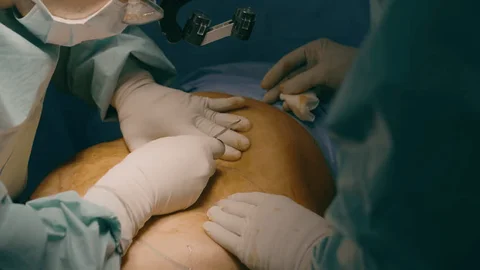
    • Incision: The surgeon makes a horizontal cut just above the pubic hairline, known as a bikini cut, or a vertical incision in the middle of the abdomen.
    • Delivery: The uterus is opened, allowing the healthcare team to carefully extract the baby.
    • Closure: After delivering the baby and cleaning the area, the surgeon closes the incisions in reverse order.

    Understanding the surgical process provides context for what happens immediately afterward, which features several important steps geared toward the well-being of both mother and baby.


    Post-Operative Care in the Recovery Room

    Once the C-section is complete, the mother is transported to a recovery room where continuous monitoring occurs. Here’s what mothers can generally expect at this stage:

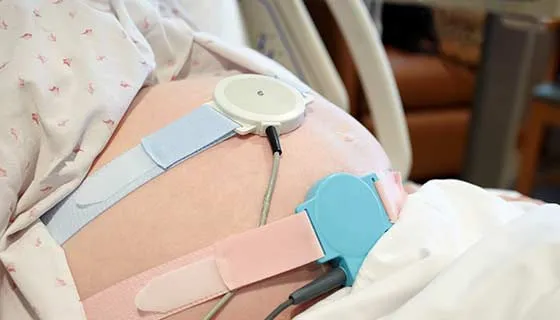
    • Monitoring Vital Signs: Healthcare professionals will routinely check vital signs such as blood pressure, heart rate, and oxygen saturation. This vigilance is essential to identify any potential complications early.
    • Pain Management: Pain relief is provided through medications, administered either orally or intravenously, to manage discomfort. It’s crucial to communicate with nursing staff about pain levels to adjust treatment accordingly.
    • Fluid Management: Intravenous fluids will be administered to maintain hydration and electrolyte balance until the mother can resume oral intake.
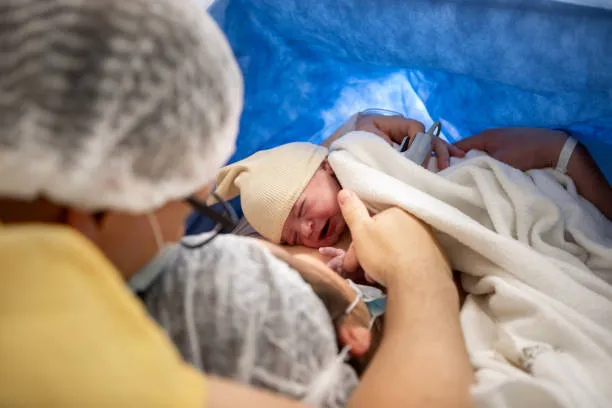
    • Newborn Care: The baby is usually placed directly on the mother’s chest, promoting skin-to-skin contact, which is vital for bonding and breastfeeding initiation.

    The recovery period immediately following the C-section highlights the importance of close supervision to reduce risks and ensure a seamless transition to postpartum care.


    Understanding Common Concerns and Complications

    After a C-section, new mothers may experience a range of symptoms. While some discomfort is expected, certain issues should be discussed with healthcare providers. Common concerns include:

    • Infection: Watch for signs of infection around the incision, such as increased redness or discharge.
    • Respiratory Issues: Some women may experience shortness of breath or fast breathing, particularly if anesthesia complications arose.
    • Excessive Pain: If pain appears to intensify rather than diminish over time, it’s crucial to consult a physician.

    At Lopmudra Hospital Chain, our experienced team of healthcare professionals ensures that mothers have a thorough understanding of these potential complications, enabling timely communication and care.


    Initiating Breastfeeding After C-Section

    One of the immediate concerns after delivery encompasses the initiation of breastfeeding. While this essential bonding experience might present a few challenges for mothers recovering from a C-section, it is achievable with guidance and support:

    • Positioning: Finding a comfortable nursing position plays a vital role in successful breastfeeding. Side-lying or football hold positions may be less taxing on the incision.
    • Support: Helpful staff will provide assistance during the early attempts at breastfeeding, aiding in positioning and latch-on techniques.
    • Patience: Initial experiences with breastfeeding may require adjustments and patience, so mothers should not hesitate to reach out for help.

    The foundational moments of breastfeeding can be nurtured right in the recovery room, ensuring that mothers and babies establish a healthy, loving relationship early on.


    Mobility and Physical Activity Post-C-Section

    Immediately after a C-section, physical activity is limited but is gradually encouraged as part of the healing process. Here’s a general timeline of what to expect concerning mobility:

    • Within the first 24 hours, mothers may be instructed to move their legs and feet to promote circulation.
    • Most women are encouraged to sit up and begin walking short distances within 24 to 48 hours post-surgery.
    • After about three days, with medical clearance, mothers can begin light activities, progressing as their comfort allows.

    Engaging in physical activity has benefits such as reducing the risk of blood clots and promoting healing. Healthcare providers will offer guidelines based on individual recovery progress.


    Pain Management and Comfort Strategies

    Pain management is a critical aspect of recovery after a C-section. As outlined earlier, medications, including NSAIDs and opioids, can be administered to alleviate discomfort. Additional strategies may include:

    • Ice Packs: Applying ice packs to the incision site can help reduce swelling and numb pain.
    • Pillow Support: A pillow can be held against the abdomen while coughing, laughing, or sneezing, providing additional support.
    • Relaxation Techniques: Gentle breathing exercises, meditation, and light stretching can help ease tension and promote a sense of well-being.

    Proper pain management and comfort strategies are essential to navigating the postpartum period positively. At Lopmudra Hospital Chain, we guide mothers through this process, facilitating a gradual and effective recovery.


    Follow-Up Appointments and Care

    Follow-up appointments usually occur within 6 to 8 weeks after surgery to monitor recovery progress and address any lingering concerns. During these visits, healthcare providers will evaluate:

    • The condition of the surgical incision and overall healing process.
    • An assessment of pain levels and pain management strategies employed.
    • Guidance regarding the return to normal activities, exercise, and family planning.

    Open communication during follow-up appointments is vital, as discussing any concerns or discomfort can further enhance recovery processes. Motherhood is a significant transition, and our specialists at Lopmudra Hospital Chain take immense pride in being part of your journey.


    Conclusion: Embracing Your Recovery Journey

    Recovering from a C-section requires patience, self-compassion, and the right support system. By understanding the steps involved immediately after the surgery, new mothers, and their families can better prepare themselves for this important phase. The staff at Lopmudra Hospital Chain in Pune remain committed to offering the best maternity care to ensure that every aspect of recovery is covered with compassion and expertise. If you’re searching for the best maternity hospital in Pune and top-notch gynecology services, reach out to us at +918087122022. Together, let’s embrace this beautiful journey of motherhood with confidence and love.


    This article was written by Dr. Archana Salve, sharing insights based on professional experience in the field.
  • Choosing the Safest Childbirth Method: Natural Birth vs. C-Section at Lopmudra Hospital

    Choosing the Safest Childbirth Method: Natural Birth vs. C-Section at Lopmudra Hospital

    What This Blog Is About?


    This blog delves into one of the most crucial decisions expectant mothers face: choosing between natural birth and C-section. The choice of birth method can significantly impact not only the birthing experience but also the health and well-being of both mother and baby. At Lopmudra Hospital Chain, we strive to provide comprehensive information so that you can make an informed choice. By understanding the advantages, disadvantages, and various considerations surrounding both methods, you can ensure that your childbirth experience is as safe and positive as possible.


    Understanding Natural Birth

    Natural birth, also known as vaginal delivery, is the traditional method of childbirth. This process generally involves the woman going into labor and delivering the baby without surgical intervention. There are various techniques and approaches to facilitate natural birth, and these often depend on the woman’s comfort level, healthcare provider recommendations, and the individual health circumstances surrounding the pregnancy.

    Advantages of natural birth include:

    • Faster Recovery: Most women can go home within a day or two after a natural birth, as recovery time tends to be shorter than that of a C-section.
    • Lower Risk of Complications: Since there is no major surgery involved, the risks associated with complications, such as infections and blood clots, are considerably reduced.
    • Immediate Bonding: Women who have a natural birth often experience immediate skin-to-skin contact, which promotes bonding and breastfeeding.
    • Cost-Effective: Generally, natural births are less expensive than C-sections due to shorter hospital stays and fewer medical interventions.

    However, it’s essential to recognize potential challenges that may arise during natural childbirth, such as prolonged labor, tearing, or other complications, which can necessitate emergency interventions.


    Understanding C-Section

    A C-section, or cesarean section, is a surgical procedure where the baby is delivered through incisions made in the mother’s abdomen and uterus. C-sections can be planned in advance or may be performed as emergency interventions. This method is often employed for various medical reasons, including complications such as fetal distress, multiple births, or maternal health concerns.

    Advantages of C-sections include:

    • Planned Delivery: Many mothers appreciate that a C-section allows for a scheduled delivery, which can be easier for family logistics and planning.
    • Reduced Risk of Birth Trauma: Babies delivered via C-section are less likely to experience birth-related traumas, such as shoulder dystocia or fractures.
    • Potentially Less Pain During Labor: For women facing extremely painful labor, a C-section can provide relief from prolonged contractions.

    However, C-sections come with their risks:

    • Longer Recovery Time: Recovery from surgery generally takes longer than recovery from a natural birth, often requiring several weeks.
    • Higher Risks of Complications: Surgical risks, such as infections, blood loss, and adverse reactions to anesthesia, are more common with C-sections.
    • Possible Effects on Future Pregnancies: Women who have had a C-section may face issues such as placenta previa or uterine rupture in later pregnancies.

    Comparing Natural Birth and C-Section

    In making an informed choice between natural and C-section pros and cons, it’s essential to examine various factors, including personal preferences, medical history, and the circumstances surrounding your pregnancy. Below is a comparative analysis of both methods:

    Procedure Type Benefits Recovery Time
    Natural Birth Less invasive, lower cost, and quicker recovery. 1-3 days at the hospital.
    C-Section Scheduled delivery and lower risk of birth trauma. 1 week or more at home.

    Factors to Consider When Choosing Birth Method

    It is important to consider a host of factors when making the decision between natural birth and C-section:

    • Your Health History: Prior surgical history, chronic illnesses, and complications in previous pregnancies can inform the decision about the best delivery method.
    • Baby’s Health: If there are concerns about the fetal position, size, or any indications of distress, a C-section may be necessary.
    • Personal Preference: Your comfort with the birth method and your emotional readiness for the delivery experience can significantly impact your choice.
    • Recommendations from Your Healthcare Provider: Consulting with a qualified obstetrician, particularly at leading hospitals such as Lopmudra Hospital Chain, can provide personalized advice based on your unique health scenario.

    Local Context: Maternity Care in Pune

    Pune boasts a wealth of maternity services, with many top-rated institutions dedicated to women’s health. Among these, Lopmudra Hospital Chain is recognized as one of the best maternity hospitals in Pune. Here, our top maternity care specialists provide tailored care, making sure that every woman feels supported in her childbirth journey. From prenatal check-ups to postnatal care, our focus is on delivering high-quality maternal care to ensure optimal outcomes for mothers and newborns alike.


    Making the Decision: Consult with Specialists

    Whether you lean towards natural birth or C-section, consulting with healthcare professionals is crucial. At Lopmudra Hospital Chain, our team of experts offers comprehensive maternity care in Pune, where we take the time to listen to your concerns and educate you about all available options. Engaging with our experienced gynecologists can help you understand your personal circumstances better, leading to an informed birth plan that aligns with your family’s goals and needs.

    Remember, every pregnancy is unique, and there is no one-size-fits-all solution when it comes to childbirth. As you contemplate your choices, be kind to yourself and seek support from professionals who prioritize your health and well-being.


    Conclusion

    The journey to parenthood is filled with choices, and the method of delivery is among the most significant. Both natural birth and C-sections have their advantages and challenges. At Lopmudra Hospital Chain, we aim to guide you through this important decision, ensuring that your experience is safe, informed, and supportive. By prioritizing education and communication, we hope to foster a nurturing environment that celebrates the joys of childbirth.

    If you have questions or would like to schedule an appointment to discuss your maternity options, feel free to contact us at +918087122022 or reach out via WhatsApp at 918379033033.


    This article was written by Dr. Archana Salve, sharing insights based on professional experience in the field.

  • Understanding the Rising Trend of C-Section Deliveries: Insights from Lopmudra Hospital Obstetric Experts

    Understanding the Rising Trend of C-Section Deliveries: Insights from Lopmudra Hospital Obstetric Experts

    Why Are Many Babies Born By A C-Section Procedure?


    The decision to deliver a baby via cesarean section, commonly known as a C-section, has become increasingly prevalent over the years. While this surgical procedure may seem daunting, it is essential to understand the reasons behind the growing rates of C-sections and their implications for mothers and newborns. At Lopmudra Hospital Chain Pune, we strive to provide comprehensive maternity care, focusing on the health and well-being of both mother and child. This article aims to shed light on various aspects surrounding C-section deliveries, including the reasons for their rise, benefits, risks, and what expectant parents should be aware of.


    Understanding C-Section: What Is It?

    A C-section is a surgical procedure designed to deliver a baby through incisions made in the mother’s abdomen and uterus. There are various reasons why a doctor may recommend this method over a vaginal delivery, including:

    • Previous C-section: If the mother has had a C-section in the past, a repeat C-section may be necessary to avoid complications.
    • Breech Position: If the baby is not positioned head-down, a C-section may be the safest option.
    • Multiple Pregnancies: In cases of twins or triplets, a C-section is often recommended.
    • Placenta Issues: Conditions like placenta previa can make vaginal delivery dangerous.
    • Fetal Distress: If the baby shows signs of distress during labor, a C-section can be a lifesaving choice.

    It’s essential to consult with a qualified healthcare professional to weigh the benefits and risks associated with a C-section and to understand if it is the right option for your situation.


    Rising Rates of C-Sections: The Data Behind It

    Globally, C-section rates have surged dramatically, with some estimates indicating that about 21% of all births are now delivered via this method, with rates considerably higher in affluent countries. In Pune, the statistics reflect a similar trend, with C-section rates reaching upwards of 30% in many hospitals. Several factors contribute to this phenomenon:

    • Maternal Age: Women are frequently waiting longer to have children, leading to increased risks during delivery.
    • Healthcare Access: Increased access to modern medical facilities allows for easier scheduling of surgical deliveries.
    • Cultural Factors: Changing perceptions regarding childbirth and the perceived safety associated with a C-section contribute to the trend.

    These statistics emphasize the importance of having informed conversations with healthcare providers about delivery methods and the best options for individual circumstances.


    Benefits of C-Sections

    Though surgery can sound intimidating, C-sections come with specific advantages when required:

    • Planned Deliveries: C-sections can often be scheduled in advance, allowing families to better prepare for the arrival of their new baby.
    • Reduced Labor Time: Since the baby is delivered directly, there is no need for a prolonged labor process.
    • Immediate Medical Intervention: For high-risk pregnancies, immediate access to medical intervention can be critical, ensuring better outcomes for both mother and baby.
    • Lower Risk of Trauma: In cases where the baby is in distress or improperly positioned, a C-section can minimize the chances of injury during delivery.

    Families considering delivery options can discuss these benefits with a qualified practitioner at Lopmudra Hospital Chain Pune, where our experienced team specializes in maternity services.


    Risks Associated with C-Sections

    It’s crucial to acknowledge that while C-sections can save lives, they also come with inherent risks, some of which include:

    • Surgical Complications: Any surgery can lead to complications, such as infections, bleeding, or even reactions to anesthesia.
    • Longer Recovery Time: C-sections generally involve longer recovery periods compared to vaginal births, impacting both the mother and newborn’s early bonding experience.
    • Potential for Future Pregnancies: Consecutive C-sections may pose risks for future deliveries, including the possibility of uterine rupture.

    Speaking with a knowledgeable doctor can help patients understand these risks in-depth, ensuring informed decision-making.


    Comparative Overview: C-Section vs. Vaginal Delivery

    Delivery Method Benefits Risks Recovery Time
    C-Section Planned delivery, reduced labor time Infection, longer hospital stay 4-6 weeks
    Vaginal Delivery Faster recovery, lower surgical risks Perineal tears, labor complications 1-2 weeks

    This comparison shows that while both delivery methods have their pros and cons, the decision ultimately rests on medical necessity and personal comfort.


    Post-Operative Care: The Road to Recovery

    After a C-section, proper care is essential to mitigate risks and promote healing. Some recommendations include:

    • Rest: Ensuring ample rest to facilitate recovery is paramount.
    • Diet: Following a balanced diet will support healing and provide necessary energy levels.
    • Follow-up Appointments: Staying in contact with healthcare providers for follow-up checks to monitor recovery is crucial.
    • Watch for Signs: Being aware of warning signs such as severe pain, fever, or incision site issues is essential for timely interventions.

    At Lopmudra Hospital Chain Pune, we provide detailed post-operative care instructions tailored to individual patient needs, ensuring comfort and safety during recovery.


    Local Context: C-Section Rates in Pune

    In Pune, the rising C-section rates have raised questions among families and healthcare providers. The reasons behind higher rates include increased maternal age, the rise in high-risk pregnancies, and changing attitudes toward childbirth. It’s vital for parents in Pune to engage in discussions with experts and choose healthcare facilities that prioritize safe and informed delivery methods.

    At Lopmudra Hospital Chain Pune, we provide a range of maternity care services dedicated to women. Seeking guidance from the best gynecologists in Pune can help expectant parents navigate these choices confidently.


    Conclusion: Making Informed Decisions

    The choice to deliver via C-section is one that should be made in consultation with qualified healthcare providers. Understanding the reasons behind the procedure and the implications for both mother and child can empower families to make the best decisions possible. C-sections can be lifesaving when necessary, and the advancements in medical technology ensure that they are performed as safely as possible.

    When considering delivery options, it is advisable to consult with a trusted healthcare provider to discuss all available choices. In Pune, Lopmudra Hospital Chain stands as a beacon of excellence, offering experienced care in maternity services and backing it with a commitment to enhancing maternal and fetal health.


    This article was written by Dr. Archana Salve, sharing insights based on professional experience in the field.

  • Caesarean Section vs. Natural Birth: Which is Safer for Your Next Delivery? – Lopmudra Maternity & Childcare Specialist

    Caesarean Section vs. Natural Birth: Which is Safer for Your Next Delivery? – Lopmudra Maternity & Childcare Specialist

    Is it true that a caesarean delivery is safer than a natural one?


    The decision between caesarean delivery (C-section) and natural birth is one of the most significant choices expectant parents face today. At Lopmudra Hospital Chain, we understand the anxiety surrounding childbirth and the importance of making informed decisions. This article will explore the safety of C-sections versus natural births, helping you navigate through the choices in maternity care with clarity and confidence.


    Understanding choices in childbirth

    Throughout pregnancy, families aim for the safest delivery option, and the choice often boils down to either a natural birth or a caesarean section. The term “natural birth” typically refers to vaginal delivery without surgical intervention, while a caesarean section is a surgical procedure where an incision is made in the mother’s abdomen to deliver the baby.

    It is vital to consider various factors when exploring these two delivery methods, including maternal health, the baby’s health, and any complications that may arise during pregnancy. Each delivery method has its own set of advantages and potential risks, and understanding these can help families make a more educated decision.


    The advantages of caesarean delivery

    Professional studies suggest that a C-section can be safer than natural birth under specific circumstances, particularly when certain risk factors are noted. The advantages of a C-section may include:

    • Planned delivery: A caesarean delivery can be scheduled, allowing for better preparation for both parents and healthcare providers, which might be particularly beneficial in high-risk pregnancies.

    • Reduced risk of birth injuries: For babies in less-than-optimal positions, such as breech, C-sections can reduce the potential for birth injuries.

    • Avoidance of labor: For mothers who have complications that could worsen with labor (e.g., certain health conditions), a C-section can be a safer option, thus potentially protecting both mother and child.

    • Immediate intervention: In emergencies, such as placental abruption or fetal distress, a C-section allows for immediate delivery, which can be critical for the health of the baby.

    These benefits underscore the importance of comprehensive care and monitoring by trusted providers, such as the maternity care specialists at Lopmudra Hospital Pune.


    The advantages of natural childbirth

    Natural childbirth, while appearing simpler in its approach, offers its own set of significant benefits that should not be overlooked:

    • Shorter recovery time: Most mothers who undergo vaginal delivery can recover more rapidly than those who have a C-section, allowing them to bond with their baby sooner.

    • Lower infection rate: Natural births typically result in a lower risk of post-operative infections compared to surgical deliveries.

    • Less respiratory issues for the baby: Vaginal delivery helps expel amniotic fluid from the baby’s lungs, potentially reducing the rate of respiratory complications.

    • Better impact on breastfeeding: Research indicates that mothers who undergo vaginal births may have a better experience initiating breastfeeding.

    At Lopmudra Hospital, we focus on providing holistic support for families choosing natural childbirth, ensuring every necessary measure is taken to create a safe and enjoyable experience.


    Comparing safety: Caesarean delivery vs. natural birth

    When discussing safety, the implications of either option can be vast and varied. Below is a table outlining some of the key comparisons regarding safety, recovery, and outcomes associated with each delivery method:

    Aspect Natural Birth Caesarean Section
    Recovery Time 1-3 days 3-7 days
    Risk of Infection Lower risk Higher risk due to surgery
    Impact on Subsequent Pregnancies Generally fewer complications Possible scarring & complications
    Immediate Baby Care Quick bonding and breastfeeding Delayed due to recovery

    Families should consider these aspects carefully, discussing their specific circumstances with healthcare providers to determine the most appropriate method for childbirth.


    Understanding complications associated with each delivery method

    Both natural births and C-sections come with their own potential complications:

    • Complications of natural birth: While generally safe, natural births can lead to issues such as tearing, episiotomies, and prolonged labor.

    • Complications of caesarean delivery: These may include infection, blood clots, anesthesia-related risks, and longer-term implications like adhesions or uterine rupture in future pregnancies.

    The key to minimizing these risks lies in choosing experienced obstetric care specialists and hospitals such as Lopmudra Hospital Pune, known for top maternity services and patient safety.


    Statistics surrounding childbirth safety

    In terms of providing context to these delivery methods’ effectiveness and safety, we can look to statistics:

    • According to the World Health Organization (WHO), the ideal rate for C-sections should be between 10-15% of all births globally. However, rates tend to exceed that in various regions, including urban areas.

    • Studies indicate that women with prior C-sections face an increased risk of complications in subsequent pregnancies, making the choice of delivery critically complex.

    • In many metropolitan areas, the percentage of births delivered via C-section has risen substantially, raising awareness about safe maternity practices and the importance of patient education.

    By engaging in conversations with healthcare providers, families can receive tailored insight based on their situation, which is critical for making informed choices in maternity care.


    Making the right choice for you

    Ultimately, the decision between C-section and natural birth should hinge on various factors, including the mother’s health, previous pregnancy experiences, and the specific circumstances surrounding the current pregnancy. Key considerations may include:

    • Maternal health status

    • Fetal presentation and size

    • Previous delivery experiences

    • Presence of any medical conditions that might impact delivery

    The obstetricians at Lopmudra Hospital Chain are available for consultations to help expecting parents choose the best birthing plan tailored to their needs, ensuring safety and comfort are prioritized.


    Conclusion

    The choice between caesarean delivery and natural birth is profoundly personal and can vary widely from one individual to another. Understanding the safety, benefits, and risks associated with both options is crucial for making informed decisions. At Lopmudra Hospital Chain, we are committed to providing comprehensive maternity care that helps families navigate this pivotal decision with confidence and peace of mind.

    This article was written by Dr. Archana Salve, sharing insights based on professional experience in the field.