Category: Uncategorized

  • Tips for a Safe Normal Delivery: Best Practices from Lopmudra Hospital Experts

    Tips for a Safe Normal Delivery: Best Practices from Lopmudra Hospital Experts

    What should be done for normal delivery?


    The experience of childbirth is a remarkable journey, and the process of achieving a normal delivery is one filled with anticipation, preparation, and insightful knowledge. At Lopmudra Hospital Chain in Pune, we believe in empowering expectant mothers with the best knowledge and support for a smooth and healthy delivery. This article will delve into essential preparations, factors influencing normal delivery, and helpful tips to ensure that you and your baby experience a safe and joyful arrival into the world.


    Understanding Normal Delivery

    Normal delivery, also known as vaginal delivery, is the most natural way for a mother to give birth. In this process, contractions help the cervix dilate, allowing the baby to move through the birth canal. Normal deliveries are often preferred by healthcare providers unless distinct medical circumstances arise that necessitate a cesarean section. According to the World Health Organization, approximately 80-85% of deliveries globally are normal births.

    At Lopmudra Hospital Chain, Pune, we prioritize comprehensive maternity services to facilitate a seamless experience for mothers-to-be. It’s essential to comprehend the various components and phases involved in delivering a healthy baby.


    Key Factors for a Successful Normal Delivery

    Several factors can influence the likelihood of a successful normal delivery. Understanding them can help expectant mothers prepare better:

    • Health Status: Generally, women with pre-existing medical conditions such as diabetes or hypertension may face complications that affect their delivery method.
    • Prenatal Care: Regular health check-ups with a qualified gynecologist play a vital role. In Pune, finding the best gynecologist is essential for tailored guidance.
    • Position of the Baby: Ideally, the baby should be positioned head-down before labor begins for a smooth delivery. If they are breech (bottom-first), a cesarean may be required.
    • Maternal Age: Women under 35 generally have higher success rates for normal deliveries than older mothers.
    • Support System: Having a reliable support system, including family and health professionals, can positively influence mental well-being during labor.

    Through our maternity care specialists at Lopmudra, we assess these factors continuously and offer advice to improve the chances of normal delivery.


    Preparing for Normal Delivery

    Preparation is key to ensuring a smooth normal delivery. Here are helpful tips to guide expectant mothers in Pune:

    • Childbirth Classes: Attend prenatal classes that help expectant parents learn about labor, pain management techniques, and postpartum care. Many clinics in Pune, including ours, offer comprehensive childbirth classes.
    • Practice Breathing Techniques: Breathing exercises, such as Lamaze, can help manage pain and anxiety during labor.
    • Maintain a Healthy Diet: A balanced nutrition plan rich in vitamins and minerals prepares your body for the rigors of delivery. Plan meals that include fruits, vegetables, whole grains, and proteins.
    • Stay Active: Engage in moderate physical activity as advised by your healthcare provider to boost stamina and endurance.
    • Prepare a Birth Plan: Discuss your preferences and concerns regarding labor and delivery with your doctor to align expectations and ensure a tailored approach.

    At Lopmudra Hospital Chain, our team assists you in each step of the preparation phase, ensuring you feel confident and empowered leading up to labor.


    Signs of Labor: How to Know When to Head to the Hospital

    Recognizing the signs of labor is crucial to ensuring timely medical attention. Here’s what to look for:

    • Contractions: Regular and intense contractions that last about 30-70 seconds and are spaced five minutes apart.
    • Water Breaking: A gush or similar leakage of amniotic fluid indicating it’s time to seek medical assistance.
    • Lower Back Pain: Persistent lower back pain that does not subside usually signifies the onset of labor.
    • Pelvic Pressure: A firm feeling pressing downward toward the pelvis may indicate that labor is about to begin.

    If you notice these symptoms, it’s advisable to call your doctor and head to the nearest maternity hospital in Pune promptly. Our team at Lopmudra is always prepared to assist you during this important occasion.


    Pain Management Techniques During Labor

    Pain management is an essential aspect of normal delivery. There are various options to consider:

    Technique Description Benefits
    Breathing Techniques Utilizing controlled breathing patterns to manage pain and anxiety. Reduces pain perception and enhances relaxation.
    Hydrotherapy Using water immersion in a birthing pool for pain relief. My lessen contraction pain and promote relaxation.
    Medication Options include epidurals, nitrous oxide, or IV medications. Provides significant pain relief; can be tailored to individual needs.

    Discuss pain management options with your healthcare provider at Lopmudra Hospital Chain, as each mother’s experience and choice is unique.


    Postnatal Care: What to Expect After Delivery

    After delivery, it’s important to focus on recovery and care for both mother and baby. Here’s an overview of postnatal care tips:

    • Monitoring Physical Health: Postpartum check-ups are essential within the first six weeks to assess recovery and general well-being.
    • Emotional Support: Seek support from family and friends and share feelings, especially regarding postpartum experiences.
    • Healthy Nutrition: Eating a balanced diet to replenish energy and nutrients lost during childbirth is crucial.
    • Rest and Hydration: Prioritize sleep whenever possible and stay hydrated to boost recovery.
    • Your Baby’s Health: Regular pediatric visits to monitor your baby’s health and development are equally essential.

    Our maternity care specialists at Lopmudra Hospital Chain, Pune are dedicated to providing continuous support and resources for both the postpartum period and ongoing parental education.


    Conclusion: Embracing the Journey of Normal Delivery

    In conclusion, preparing for normal delivery involves a blend of physical, emotional, and practical preparations. With the right support from healthcare professionals, continuous prenatal care, and education, expectant mothers can embrace a positive and empowering experience. At Lopmudra Hospital Chain, Pune, our dedicated team is committed to offering the best gynecology services to ensure safe normal deliveries with optimal care. We encourage you to take proactive steps towards your health and that of your baby during this transformative time.

    To learn more about our maternity packages and services or to schedule an appointment, please contact us today at +918087122022 or reach us via WhatsApp at 918379033033. You can also visit our website at lopmudrahospitals.com to book an appointment or to learn more about our offerings.


    This article was written by Dr. Archana Salve, sharing insights based on professional experience in the field.

  • C-Section Delivery Benefits: A Specialist’s Guide from Lopmudra Hospital Chain

    C-Section Delivery Benefits: A Specialist’s Guide from Lopmudra Hospital Chain

    Introduction to C-Section Delivery


    Childbirth can be a beautiful yet challenging experience for many women. One of the most significant decisions during this time is the method of delivery. While traditional vaginal delivery is often the first choice, situations may arise where a cesarean section (C-section) is deemed necessary or more beneficial. In this article, we will explore the benefits of C-section delivery, providing a comprehensive guide for expectant mothers considering their delivery options. At Lopmudra Hospital Chain Pune, we offer top-tier maternity care, putting your health and your baby’s well-being first.


    Understanding C-Section Delivery

    A cesarean section, commonly referred to as a C-section, is a surgical procedure used to deliver a baby through incisions in the abdomen and uterus. This method is typically performed under local or general anesthesia, making it a safe delivery option when complications arise. The decision to undergo a C-section can be influenced by several factors, including the baby’s position, maternal health conditions, and previous cesarean deliveries. It is estimated that around 21% to 25% of deliveries globally are via C-section, with a percentage likely higher in developed countries due to medical availability and maternal preferences.

    At Lopmudra Hospital Chain, our maternity care specialists in Pune are equipped with advanced technology and expertise to ensure a safe and effective delivery, whether vaginal or cesarean.


    Reasons for Choosing a C-Section

    While each childbirth experience is unique, certain medical conditions or complications may warrant the decision for a C-section. Key reasons can include:

    • Fetal Distress: If the baby shows signs of distress during labor, a C-section may be necessary to ensure a quick delivery and safeguard the baby’s health.
    • Multiple Pregnancies: Women carrying twins or higher-order multiples are often advised to undergo a C-section for safer delivery.
    • Placenta Previa: This condition occurs when the placenta covers the cervix, making vaginal delivery hazardous for both mother and child.
    • Uterine Rupture: A history of uterine surgery or a previous C-section can lead to complications, necessitating a repeat cesarean.
    • Large Baby Size: If the baby is significantly larger than average, a C-section may be the most practical option to minimize complications during delivery.

    Consulting a qualified gynecologist is crucial for understanding the most suitable delivery option for each situation and ensuring the best outcome for mother and baby.


    Advantages of C-Section Delivery

    There are several advantages to opting for a C-section delivery, especially in cases where it is medically recommended. Here are some notable benefits:

    • Controlled Environment: A C-section allows for a scheduled delivery. This predictability can help reduce anxiety for expectant mothers and allow for better planning.
    • Lower Risk of Trauma: Unlike vaginal deliveries, where the birth canal can exert pressure on the baby, a C-section reduces the chance of trauma to the infant. This is particularly advantageous in breech presentations or other abnormal fetal positions.
    • Reduced Labor Pain: For mothers with a fear of labor pain, a C-section circumvents the intense contractions associated with vaginal birth, providing immediate relief during the surgical procedure.
    • Less Stress on Baby: The controlled removal of the baby via surgery may be beneficial when the baby shows distress or other complications in the vaginal birth process.
    • Time for Complications: C-sections allow healthcare professionals more time to assess and manage complications effectively, ensuring the best care for both mother and baby.

    At Lopmudra Hospital, we ensure our patients are informed about all options and advantages through our dedicated and caring staff.


    C-Section Recovery Process

    While C-sections can provide several benefits, understanding the recovery process is crucial for preparing mothers for post-delivery care. Recovery from a C-section typically takes longer than recovery from vaginal birth. Here are key points regarding the recovery experience:

    • Hospital Stay: Generally, a stay of 3-4 days is expected after a C-section, depending on the mother’s health and any complications that could arise.
    • Postoperative Pain: It’s common to experience some pain or discomfort at the incision site. Doctors usually prescribe pain medications to assist with this during the recovery phase.
    • Mobility: Patients are encouraged to start walking as soon as they feel comfortable to improve circulation and aid muscle recovery.
    • Follow-Up Appointments: Regular check-ups with your healthcare provider are essential to ensure that the incision is healing properly and to monitor any potential complications.

    Overall, while the recovery period can be extensive, attentive medical support at Lopmudra Hospital Chain can facilitate a smoother transition to motherhood.


    Emotional Implications of C-Section Delivery

    The emotional journey during and after childbirth can be just as significant as the physical aspect. Women who undergo a C-section may experience a range of emotions including relief, anxiety, or disappointment, especially if the C-section was unplanned. At Lopmudra Hospital, we emphasize the importance of emotional health in postpartum care, providing counseling services to help mothers process their feelings and adjust to new motherhood.

    Initiatives such as support groups and one-on-one counseling are available to aid mothers in navigating their unique feelings, fostering a positive mental state as they bond with their newborns.


    Maternity Services Available at Lopmudra Hospital

    At Lopmudra Hospital Chain Pune, we pride ourselves on offering the best maternity services, ensuring comprehensive care throughout your pregnancy journey. Our specialized services include:

    • Prenatal Care: Regular check-ups and monitoring to ensure the health and well-being of both mother and baby during pregnancy.
    • Childbirth Education: Informative sessions that prepare expectant mothers and their partners for the delivery experience.
    • Postpartum Support: Comprehensive care plans to assist mothers during their recovery period, both physically and emotionally.
    • Customized Maternity Packages: Tailored packages to meet the varying needs of mothers, including C-section delivery options.

    We strive to ensure our services satisfy every patient, solidifying our position as the best gynecologist in Pune and the top maternity hospital in Pune.


    Conclusion

    Choosing to deliver via C-section is a significant decision influenced by various factors, both medical and emotional. Understanding the benefits attached to this delivery method can equip expectant mothers with the information they need to make informed choices that will positively impact both their health and their baby’s well-being.

    At Lopmudra Hospital Chain, our maternity ward is dedicated to providing excellent care and support during this vital time. For personalized advice, advanced medical support, and nurturing care, reach out to us anytime at +918087122022 or visit our website for appointment bookings at Lopmudra Hospitals.

    This article was written by Dr. Archana Salve, sharing insights based on professional experience in the field.
  • Post C-Section Pregnancy Concerns: Am I Pregnant Again So Soon? | Lopmudra Hospital

    Post C-Section Pregnancy Concerns: Am I Pregnant Again So Soon? | Lopmudra Hospital

    I Had a C-Section 2 Months Ago. Am I Pregnant Again?


    After giving birth, particularly through a Cesarean section (C-section), many new mothers may wonder about their reproductive health and the possibility of becoming pregnant again. If you’ve had a C-section just two months ago, it’s completely normal to have questions regarding your fertility and menstrual cycle. At Lopmudra Hospital Chain, we are dedicated to providing comprehensive maternity services and support for new mothers in Pune. In this blog, we will explore essential information regarding pregnancy after a C-section and factors influencing your fertility.


    Understanding C-sections: A Brief Overview

    A C-section, or Cesarean delivery, is a surgical procedure where a baby is delivered through incisions made in the mother’s abdomen and uterus. It is often performed when a vaginal delivery poses risks to the mother or child. Common reasons for a C-section include:

    • Previous C-section: A woman who has had a C-section in the past may need another.

    • Multiple pregnancies: Carrying twins or more may complicate a vaginal delivery.

    • Health issues: Conditions like high blood pressure or diabetes may necessitate surgery.

    It is crucial to understand your body and its recovery process post-surgery. The healing period after a C-section can vary from woman to woman, and deciding on future pregnancies requires careful consideration.


    Post-operative Recovery: What to Expect

    After a C-section, the body needs time to heal, not just physically but also hormonally. Here are key recovery aspects to keep in mind:

    • Physical Healing: Typically, recovery from a C-section can take about 6 to 8 weeks, but this period can vary. During this time, it’s essential to avoid strenuous activities that can put stress on your body, such as heavy lifting or high-impact exercises.

    • Hormonal Changes: After childbirth, hormone levels fluctuate significantly. It usually takes about six weeks for your menstrual cycle to return, though many factors can impact this, including breastfeeding.

    • Emotional Wellness: The postpartum period can also be emotionally challenging. Feelings of anxiety, sadness, and mood swings are common as your body adjusts.

    This recovery period is a vital time to focus on your health, and consulting with healthcare professionals at Lopmudra Hospital Pune can help ensure you’re on track.


    Am I Fertile Soon After a C-Section?

    Many women wonder whether they can conceive shortly after giving birth, especially following a C-section. The short answer is: it’s possible, but several factors influence your chances of getting pregnant again. After a C-section, fertility can be impacted by:

    • Menstrual Cycle Resumption: For many women, menstruation returns several weeks to months postpartum. If you are breastfeeding, this may delay the return of your menstrual cycle, impacting your fertility.

    • Time Since Delivery: While some women may conceive shortly after delivery, it’s recommended to wait at least 18 months before trying to get pregnant again to allow your body to recover fully.

    • Ovulation Patterns: Once your menstrual cycle restarts, it usually indicates that ovulation is also occurring. This makes pregnancy possible, whether you’re breastfeeding or not.

    If you suspect you may be pregnant or are experiencing unusual symptoms, make an appointment with one of the experienced gynecologists in Pune at our hospital to guide you on necessary steps.


    Symptoms of Early Pregnancy After C-Section

    If you think you could be pregnant after your recent delivery, be mindful of common early pregnancy symptoms to watch for:

    • Missed Period: If your menstrual cycle has not resumed or you experience a missed period, it may indicate pregnancy.

    • Nausea: Morning sickness isn’t limited to the morning; it’s common at any time of the day during early pregnancy.

    • Fatigue: Increased fatigue and tiredness can also be a sign of early pregnancy.

    • Breast Changes: Tenderness, swelling, or changes in sensitivity of your breasts may also indicate a pregnancy.

    It’s important to listen to your body. If you experience any of these symptoms, consider taking a pregnancy test and consulting with a clinician to confirm your status.


    When to Seek Medical Advice

    If you suspect you might be pregnant so soon after having a C-section, it is essential to seek medical advice promptly. Reasons to consult your doctor include:

    • Positive Pregnancy Test: Arrange for a follow-up appointment if you receive a positive result to discuss your options and ensure a healthy pregnancy.

    • Severe Pain or Bleeding: Any unexpected abdominal pain or bleeding requires immediate medical attention to rule out complications.

    • Health Changes: If you notice significant changes in your health or emotional well-being, reach out for help.

    At Lopmudra Hospital Pune, we ensure top-rated maternity care and comprehensive pregnancy resources to help you through your journey.


    Planning for Future Pregnancies After a C-Section

    If you are considering another pregnancy, it’s essential to have a discussion with your healthcare provider to make sure you are physically prepared. Here are points to consider:

    • Time Between Pregnancies: Doctors typically recommend waiting at least 18 months to two years after a C-section before attempting to conceive again. This time allows for proper healing and reduces risks in subsequent pregnancies.

    • Monitoring Your Health: Regular check-ups and monitoring of your reproductive health are vital to manage any potential complications effectively.

    • Consider Family Planning: Discuss family planning options to ensure a safe timeline if you decide to have more children.

    The experienced gynecologists at Lopmudra Hospital Pune will assist you in creating a safe plan for your future family.


    Conclusion: Prioritizing Your Health and Well-being

    Learning about the possibility of conceiving shortly after a C-section is vital for new mothers navigating their postpartum journey. While it’s feasible to become pregnant again soon after delivery, understanding your body and giving it time to recover is essential. Remember that you are not alone in this journey; support is available. Collaborate with the healthcare professionals at Lopmudra Hospital Chain for comprehensive pregnancy care in Pune and feel empowered to make informed decisions regarding your reproductive health.


    This article was written by Dr. Archana Salve, sharing insights based on professional experience in the field.

  • Cesarean Section Delivery: Can I Assist in Pulling Out My Baby at Lopmudra Hospitals?

    Cesarean Section Delivery: Can I Assist in Pulling Out My Baby at Lopmudra Hospitals?

    What This Blog is About?


    Welcome to our comprehensive guide on an important topic for expectant mothers: the procedure of cesarean sections (C-sections) and the possibility of pulling out your baby during the operation. As a new or expectant parent, questions surrounding delivery methods, maternal involvement, and overall childbirth experience can be overwhelming. This article aims to clarify these concerns by addressing whether mothers can participate actively during a C-section, the unique considerations involved, and what you can expect at each stage of the process. At Lopmudra Hospital Chain, we specialize in maternal and neonatal care. Our commitment is to provide expectant parents with practical, understandable, and caring information as part of our emphasis on creating a positive delivery experience in Pune.


    Understanding Cesarean Sections

    A cesarean section, commonly referred to as a C-section, is a surgical procedure in which a baby is born through incisions made in the mother’s abdomen and uterus. This method of delivery is executed for various reasons, including but not limited to:

    • Concerns for the mother’s or baby’s health (e.g., fetal distress, complications with the placenta).
    • Previous C-sections or uterine surgery.
    • Multiple pregnancies (twins, triplets, etc.).
    • Certain maternal health conditions (e.g., heart disease, diabetes).
    • Labor that is not progressing.

    Understanding C-sections and their necessity can relieve some anxiety experienced during pregnancy. At Lopmudra Hospital Chain, we employ expert gynecologists renowned for their proficiency in conducting safe C-sections. By placing an emphasis on individualized patient care and being the best maternity hospital in Pune, we focus on what is best for both mothers and babies.


    Can I Pull Out My Baby During a Cesarean?

    Many expectant mothers wonder about their level of involvement during a C-section, and the question arises: “Am I allowed to pull out my baby during a cesarean?” The answer is not straightforward. Traditionally, during a C-section, the surgical team is responsible for the delivery of the baby. However, with advancements in maternal care and the increasing emphasis on maternal involvement in the birthing process, certain hospitals and medical practitioners are beginning to accommodate expectations of greater participation.

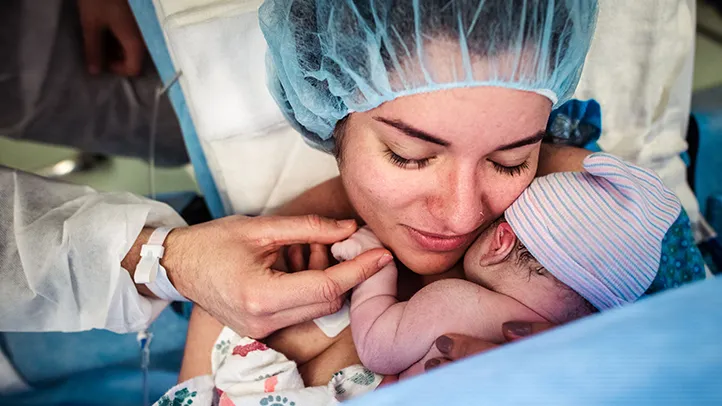
    Some hospitals now offer a modified version of the C-section known as a “gentle cesarean.” This version allows the mother to experience a more hands-on approach during delivery. In a gentle cesarean:

    • The surgical curtain can be lowered at the time of delivery, allowing the mother to see her baby as they are born.
    • At certain points, mothers may be allowed to place their hands directly on their babies as they are brought into the world.
    • Skin-to-skin contact can be initiated immediately after the baby is born.

    The extent of maternal involvement varies widely by healthcare provider, and it is essential to discuss your desires and expectations ahead of time with your obstetrician. At Lopmudra Hospital Chain, our experienced team of gynecologists would be delighted to explore all options available to enhance maternal interaction during your delivery experience.


    Maternal Involvement in Cesarean Deliveries

    Maternal involvement in childbirth—whether vaginal or surgical—has been shown to reduce anxiety and enhance emotional bonding with the newborn. In recent years, there has been a shift in the attitude toward sharing the childbirth experience, leading to several hospitals adopting practices that enhance maternal engagement during surgeries, including C-sections. Here are critical aspects of maternal involvement during C-sections:

    • Team Collaboration: Collaboration between medical staff and maternity care providers is essential for increasing maternal involvement. Effective communication about methods, expectations, and preferences enhances the overall experience.
    • Personalized Birth Plans: Creating a flexible birth plan that includes your desire for involvement can align the experiences you hope to achieve with your healthcare providers. You can discuss preferences with your obstetrician in advance.
    • Emotional Preparation: Understanding the significance of the event, including the medical aspects involved in a C-section, can enhance emotional readiness and create positive expectations surrounding maternal involvement during the procedure.

    The approach to maternal involvement varies by facility; however, at Lopmudra Hospital Chain, we encourage open conversations about personalized care tailored to meet your family’s needs.


    The Gentle Cesarean Experience

    As mentioned earlier, a gentle cesarean offers a more patient-centered approach to the surgical delivery of your baby. The components of a gentle C-section create an environment in which mothers can actively engage in the birth of their child. Some features of a gentle cesarean include:

    • Minimizing the use of surgical drapes: Lowering the drapes during delivery facilitates visual engagement and connection for the mother.
    • Soft Lighting and Music: Creating a calm atmosphere with music and soft lighting can make the surgical room feel less sterile and more accommodating to the birth experience.
    • Immediate Skin-to-Skin Contact: Babies can be placed on the mother’s chest as soon as they are delivered, allowing immediate skin-to-skin contact. This early interaction promotes bonding and enhances breastfeeding initiation.

    Evidence suggests that gentle cesareans can positively impact maternal and newborn health, contributing to overall satisfaction with the birth experience. Our goal at Lopmudra Hospital Chain is to ensure our patients feel empowered and included during their childbirth journey.


    What to Expect During a Cesarean Section

    Understanding the procedure you’ll encounter can assuage fears and empower you through the experience. A standard C-section typically entails several stages:

    1. Pre-operative Preparation: Pre-surgical assessments are conducted, including medical history review and discussions about anesthesia options. Patients are also instructed on the specifics regarding food and drink before surgery.
    2. Anesthesia Administration: Most C-sections are performed under regional anesthesia (epidural or spinal block), allowing mothers to be awake and alert during the procedure.
    3. Incision and Delivery: After sterilizing and draping the surgical area, the surgeon makes an incision in the abdominal wall to access the uterus, delivering the baby.
    4. Post-operative Care: After the baby is delivered, the medical team focuses on monitoring both mother and baby. The mother can have skin-to-skin contact if conditions allow, ensuring that the bonding experience begins immediately.

    By knowing what to expect, you can mentally prepare for the procedure, decreasing anxiety levels as the delivery date approaches. Our team at Lopmudra Hospital Chain strives to prioritize clear communications and emotional support for mothers and families during C-sections. We emphasize care tailored to individual circumstances and offer reassurances during the procedure.


    Post-Cesarean Recovery and Support

    After undergoing a cesarean section, it’s natural to have questions about the recovery process. Healing may take longer following a surgical delivery than a vaginal delivery, but understanding what to expect can ease concerns. Here’s a breakdown of essential components of recovery and support following a C-section:

    • Monitoring Vital Signs: Hospital staff will monitor vital signs regularly, ensuring both mother and baby are stable during the initial recovery phase.
    • Pain Management: Pain relief options will be discussed and made available to assist with recovery discomfort.
    • Physical Activity: Gradual movement and walking are encouraged to promote circulation and reduce the risk of complications such as blood clots.
    • Lactation Support: Assistance from lactation consultants can enhance breastfeeding and establish a strong breastfeeding relationship.

    Effective recovery is supported through hospital programs at Lopmudra Hospital Chain, where we prioritize your smooth transition from hospital to home. With personalized care and educational resources, we aim to ensure all mothers feel confident as they embark on the path of early motherhood.


    Conclusion

    As you approach your delivery date, it’s crucial to be informed about your options concerning C-sections and the degree of maternal involvement permitted. Open communication with your healthcare provider about your preferences, such as the possibility of a gentle cesarean, can significantly enhance your experience. By facilitating maternal involvement during a C-section, hospitals are starting to redefine traditional norms surrounding childbirth, favoring a more inclusive approach that enables mothers to partake in the joyous moment of receiving their newborn.

    At Lopmudra Hospital Chain, we provide comprehensive, compassionate care tailored to our patients’ unique needs. Our experienced team of gynecologists and maternity specialists are committed to achieving the best outcomes for both mothers and their newborns. For consultations or inquiries, please call us at +918087122022 or reach us via WhatsApp at 918379033033. We are here for you every step of the way.

    This article was written by Dr. Archana Salve, sharing insights based on professional experience in the field.

  • C-Section Recovery: When Is It Safe to Start Exercising After 6 Months? Lopmudra Hospital Insights

    C-Section Recovery: When Is It Safe to Start Exercising After 6 Months? Lopmudra Hospital Insights

    I Had A C-Section 6 Months Ago: Should I Exercise Now?


    Having a C-section, or cesarean delivery, is a significant surgical procedure that involves delivering a baby through incisions made in the abdomen and uterus. Postpartum recovery is a crucial phase, especially for new mothers who may be eager to return to their pre-pregnancy fitness level. If you had a C-section six months ago and are considering exercising, this blog will provide a comprehensive overview of when, how, and why you should approach postpartum exercise post-surgery. Our goal at Lopmudra Hospital Chain is to help women maximize their postpartum recovery safely and effectively.


    Understanding C-Section Recovery

    Recovery from a C-section can take longer compared to a vaginal delivery due to the surgical nature of the procedure. Generally, full recovery can take anywhere from six weeks to several months depending on individual health factors and the complexity of the surgery. The following are some critical aspects to consider regarding your recovery:

    • Physical Healing: Typically, the first few weeks post-surgery are focused on listening to your body. It’s normal to experience pain around the incision site, and adequate rest is essential. Many women progress gradually from light activities to more intense workouts.
    • Hormonal Changes: Postpartum hormone fluctuations can affect your endurance and affect your mood. Understanding that these changes are normal can help ease some anxiety about exercise.
    • Consult Your Doctor: Before commencing any exercise regime, it’s crucial to consult with your healthcare provider. They can provide valuable insights based on your unique case to ensure safety.

    At Lopmudra Hospital, we specialize in postpartum recovery plans tailored to individual needs, offering guidance and support through this critical phase.


    When Is It Safe to Start Exercising?

    Many experts recommend that new mothers can generally start light exercises around six to eight weeks post-surgery. However, this timeframe can vary based on your unique recovery. Here are some signs that indicate it may be safe for you to exercise:

    • Clearance from Your Doctor: Always wait for your healthcare provider’s approval before starting any exercise program. They will confirm whether your incision is healing properly and if your body is ready.
    • Absence of Pain: If you’re no longer experiencing significant pain in your incision or pelvic region, it can be a good indicator that your body is ready to engage in light exercises.
    • Improved Mobility: If you can move around your home comfortably without assistance, it might be a sign that you’re ready to start gently exercising.

    Always remember that the key is to start slow and gradually build up the intensity and duration of your workouts. Your body has undergone significant changes, and it requires time to adapt.


    Types of Exercises to Consider

    Begin your postpartum fitness journey with low-impact activities suitable for healing mothers. Here are some effective exercise types to integrate into your routine:

    • Walking: This is one of the easiest ways to ease back into fitness. Start with short distances and gradually increase as your stamina improves.
    • Pelvic Floor Exercises: These exercises can help strengthen your pelvic muscles, improving overall core strength. Kegel exercises are particularly beneficial.
    • Gentle Yoga or Pilates: Focus on postpartum classes that emphasize core strength and flexibility without overwhelming your body.
    • Bodyweight Exercises: Simple exercises like squats, lunges, and modified push-ups can be effective once you feel physically capable.

    Remember to listen to your body. If an exercise doesn’t feel right, don’t push through the pain. At Lopmudra Hospital, we encourage a balanced approach toward postpartum fitness, ensuring that you stay motivated without compromising your healing process.


    Avoiding Common Exercise Pitfalls

    Many new mothers may succumb to common pitfalls that can hinder their recovery or lead to injury. Avoid these mistakes to enhance your postpartum fitness journey:

    • Skipping Warm-Up: Always start with a warm-up to prepare your body for exercise. Skipping this step can lead to injuries.
    • Trying Too Much, Too Soon: It can be tempting to push yourself, especially if you see others returning to their fitness quickly. Remember, you need time to regain your strength.
    • Ignoring Pain Signals: Distinguishing between normal post-exercise soreness and sharp pain is crucial. Never ignore persistent pain; consult your doctor if this occurs.
    • Neglecting Nutrition: Adequate nutrition plays a vital role in recovery. Maintain a balanced diet to support your energy levels and overall health.

    Paying attention to these pitfalls will not only help you maintain your health but also improve your experience with postpartum fitness. Our team at Lopmudra Hospital provides structured postpartum fitness programs that guide mothers through healthy practices.


    Benefits of Exercising After C-Section

    Engaging in regular exercise after a C-section can offer a wide range of physical and mental health benefits. Here are some of the most notable advantages:

    • Improved Mood: Regular physical activity can help alleviate symptoms of postpartum depression and anxiety by releasing endorphins.
    • Enhanced Strength and Stamina: Tailored exercises can gradually strengthen your core, pelvic floor, and overall body, making everyday tasks easier.
    • Better Sleep: Many mothers find that regular exercise positively impacts their sleep patterns, contributing to overall well-being.
    • Weight Management: A steady return to exercise helps manage postpartum weight gain effectively, encouraging a healthy lifestyle.

    At Lopmudra Hospital, we focus on incorporating these benefits into our postpartum fitness guidance to help you transition smoothly into a healthier lifestyle.


    Consulting with Experts

    Each woman’s recovery experience is unique, which is why personalized guidance is vital. Consulting with experts, such as gynecologists who specialize in postpartum recovery, can provide tailored advice based on your individual needs. Here’s how to go about it:

    • Find a Specialist: Look for qualified gynecologists experienced in postpartum care in your area. At Lopmudra Hospital, we boast a dedicated team ready to help you navigate through recovery, including specialized maternity fitness programs.
    • Ask Questions: Make a list of questions you may have about C-section recovery, diet, and exercise. Don’t hesitate to voice your concerns during visits.
    • Follow-Up Appointments: Keep regular appointments with your gynecologist to monitor your recovery and adjust your exercise plan as needed.

    Your health and well-being are priority at Lopmudra Hospital, and we are here to support you every step of the way.


    Building A Sustainable Fitness Routine

    After establishing a safe baseline for exercise, it’s essential to create a sustainable fitness routine that you can maintain. Here’s how to build an effective regimen:

    • Set Realistic Goals: Setting achievable goals will keep you motivated. Start small, like walking for 15-20 minutes, and gradually increase as you build strength.
    • Incorporate Variety: Include a mix of activities in your routine to prevent boredom. This can include walking, strength training, yoga, or social activities like joining a postpartum fitness class.
    • Schedule Workouts: Treat your workouts like appointments in your calendar. Scheduling your exercise can help make it a non-negotiable part of your day.
    • Join Support Groups: Interacting with other mothers can be beneficial. Sharing experiences and challenges creates a supportive community.

    Sustainability is vital for any fitness regime, and it can be achieved through dedication and community support. At Lopmudra Hospital, we recommend joining our community-based fitness classes to help you stay on track.


    Conclusion

    Deciding to exercise six months after a C-section is a significant step toward regaining your physical health and mental well-being. Ensure you allow your body the necessary time to recover while gradually introducing exercise into your routine. Additionally, consulting with healthcare professionals at Lopmudra Hospital can offer the guidance needed for a successful postpartum fitness journey. Our commitment is to ensure that every new mother receives the best care possible, promoting a healthy recovery through every stage.

    This article was written by Dr. Archana Salve, sharing insights based on professional experience in the field.