Category: Uncategorized

  • Natural Birth After C-Section: Safe Options & Expert Insights by Lopmudra Hospital

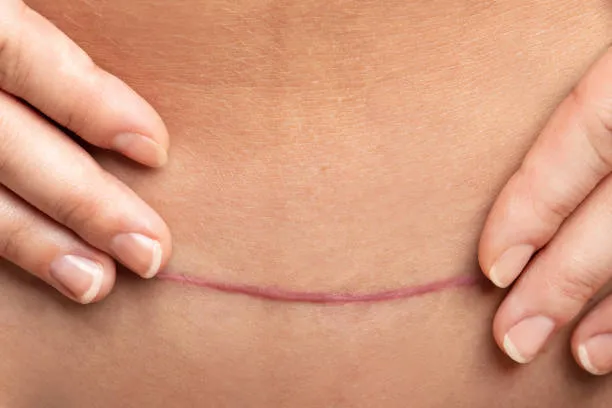
    Natural Birth After C-Section: Safe Options & Expert Insights by Lopmudra Hospital

    Is Natural Birth After a C-Section Safe?


    The topic of delivering a baby naturally after having a cesarean section (C-section) is a critical and evolving discussion among expectant mothers and healthcare professionals. This blog aims to explore the various facets of Vaginal Birth After Cesarean (VBAC) and provide valuable insights on its safety, benefits, and considerations. At Lopmudra Hospital Chain, we are committed to offering personalized care, empowering women with the knowledge required for informed decision-making regarding their childbirth options.


    Understanding VBAC: What You Need to Know

    Vaginal Birth After Cesarean (VBAC) refers to the process of delivering a baby vaginally after having previously undergone a C-section. Traditionally, women who had a C-section were recommended to opt for repeat C-sections due to perceived risks involved with VBACs; however, recent studies indicate that VBAC can be a safe option for many women. The key lies in understanding individual circumstances, such as the type of incision made during the C-section, the reasons for the initial procedure, and the mother’s overall health.

    At Lopmudra Hospital Chain, our team of highly qualified professionals focuses on patient-centered care. With their extensive experience in managing VBAC births, they carefully assess each patient’s unique history, preferences, and medical condition. This ensures providing the best maternity care tailored to individual needs in Pune.


    Statistics on VBAC Safety

    Data indicates that VBAC can be a safe and effective delivery option for many women. According to the American College of Obstetricians and Gynecologists (ACOG), around 60% to 80% of women who attempt a VBAC succeed in delivering vaginally. Moreover, research suggests that the risk of complications associated with VBAC is relatively low:

    • Uterine Rupture: Although there is a risk of uterine rupture, occurring in approximately 0.5% to 1% of women, careful monitoring reduces this risk.

    • Infection Rates: Studies indicate that VBAC mothers often experience shorter hospital stays and lower rates of infection when compared to repeat C-section patients.

    • Recovery Times: VBAC usually leads to faster recovery, allowing mothers to engage with their newborns sooner.

    These statistics are valuable for understanding the benefits and risks of VBAC, helping expectant mothers make informed decisions. At Lopmudra Hospital, our approach emphasizes enlightening patients with the most up-to-date medical evidence and individualized advice.


    Factors Influencing VBAC Safety

    Whether VBAC is a safe option depends on several factors, including:

    • Type of Uterine Incision: The type of incision made during a prior C-section significantly influences VBAC candidacy. Low transverse incisions have a lower risk of rupture compared to vertical incisions.

    • Health and Medical History: Women with certain medical conditions or complications, such as high blood pressure or complications from previous pregnancies, may need consultations to evaluate suitability for VBAC.

    • Number of C-Sections: The likelihood of a successful VBAC may decrease with multiple prior C-sections.

    Consulting with qualified healthcare professionals, such as the best gynecologists in Pune at Lopmudra Hospital Chain, enables expectant mothers to understand their specific risks and make better-informed decisions.


    Advantages of Choosing VBAC

    Opting for VBAC can offer several benefits over repeat C-section deliveries, including:

    • Shorter Recovery Time: VBAC patients typically experience a shorter recovery period compared to those who undergo repeat C-sections.

    • Lower Surgical Risks: As VBAC avoids any major surgical procedures, the associated risks of surgery are minimized.

    • Empowerment and Satisfaction: Many women who choose VBAC report higher levels of satisfaction with their birth experiences, feeling more empowered in the process.

    By understanding these benefits, mothers can make choices that align with their preferences for childbirth. As experts in maternity care, Lopmudra Hospital Chain is dedicated to supporting you in your journey toward a safe and satisfying delivery experience.


    Potential Risks of VBAC

    While VBAC has commendable advantages, it is important to consider potential risks, as with any medical decision. These can include:

    • Uterine Rupture: As previously mentioned, there is a small risk of uterine rupture, particularly in women with previous vertical incisions.

    • Complications Related to Labor: Prolonged labor or failure to progress can occur, leading to the necessity for medical intervention.

    • Bleeding and Infection: Though less common in VBAC, serious complications such as significant bleeding or infections can happen.

    It is crucial for expectant mothers to discuss these potential risks with their healthcare providers, ensuring accurate risk assessment based on individual medical histories and preferences.


    Preparing for a VBAC

    If you are considering VBAC, proper preparation can make a world of difference. Here are a few steps to ensure an optimal experience:

    • Initial Consultation: Schedule a thorough consultation with an experienced obstetrician to discuss your delivery options and assess your previous delivery history.

    • Birth Plan: Collaborate with your healthcare provider to develop a detailed birth plan that accommodates your preferences while addressing medical safety.

    • Education and Support: Join childbirth education classes focusing on VBAC to connect with other mothers, gaining valuable insights and emotional support.

    At Lopmudra Hospital Chain, our team provides comprehensive resources and support to ensure you are fully prepared for a successful VBAC.


    FAQs about VBAC

    Here are some frequently asked questions regarding VBAC:

    • Is VBAC suitable for everyone? No, several factors determine the suitability of VBAC, including health status and prior surgical history. A detailed consultation with a qualified obstetrician is essential.

    • What is the likelihood of a successful VBAC? Generally, between 60% to 80% of women attempting VBAC successfully deliver vaginally.

    • Will I need to be monitored closely during labor? Yes, if you choose VBAC, you will be monitored continuously to ensure both your and your baby’s safety during labor.

    Addressing these FAQs can alleviate concerns and provide much-needed confidence for those considering VBAC. Our expert team at Lopmudra Hospital Chain is always available to answer your questions.


    Conclusion

    In conclusion, VBAC can be a safe and empowering choice for many women who have previously undergone C-sections. With the right support and medical guidance, mothers can navigate their childbirth horizon confidently. At Lopmudra Hospital Chain, we pride ourselves on providing comprehensive maternity care that allows women to make informed choices tailored to their specific circumstances.

    If you are considering VBAC or have further questions regarding your childbirth options, feel free to reach out to us at +918087122022 or visit us at our website Lopmudra Hospital Chain to schedule a consultation.


    This article was written by Dr. Archana Salve, sharing insights based on professional experience in the field.
  • Understanding What Causes C-Section During Childbirth: Insights from Lopmudra Hospital

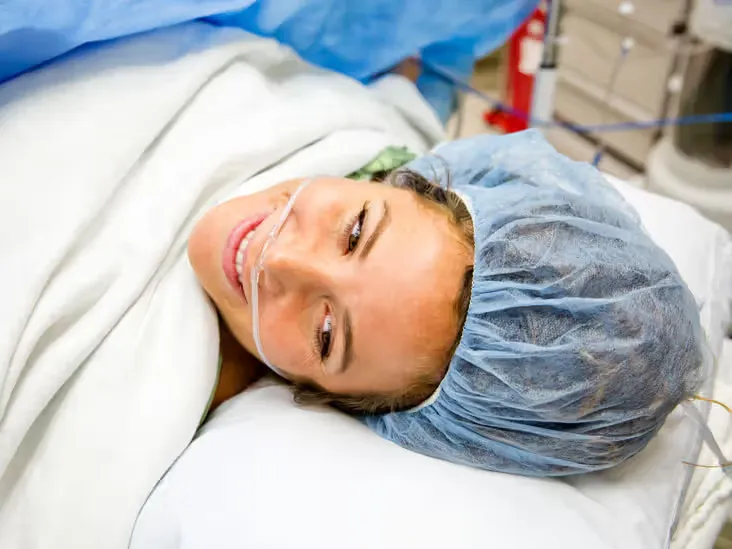
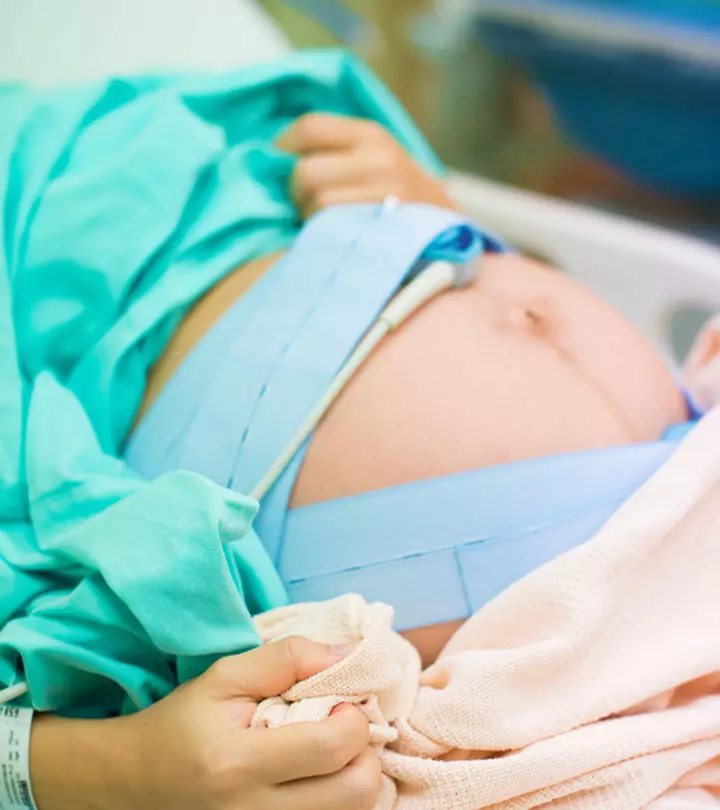
    Understanding What Causes C-Section During Childbirth: Insights from Lopmudra Hospital

    What Causes C-Section During Delivery?


    When it comes to childbirth, many expectant mothers often ponder the different delivery methods available to them. Among these methods, cesarean delivery (also known as C-section) is a surgical procedure that involves the delivery of a baby through incisions made in the abdomen and uterus. While C-sections can be planned ahead of time, the decision to perform one can also arise due to various complications encountered during labor. This blog aims to explore the causes that may necessitate a C-section and offer insights into this increasingly common method of delivery.

    At Lopmudra Hospital Chain, we pride ourselves on being one of the best maternity hospitals in Pune, providing a safe environment for mothers and their newborns. Understanding the reasons behind a C-section can empower expectant mothers with the knowledge they need to make informed decisions. Let’s delve into the various causes of C-sections.


    Types of C-Sections

    Before we dive into the causes that may mandate a C-section, it is important to understand the two primary types of cesarean deliveries:

    • Scheduled C-Section: This type is planned ahead of time, often for cases where the risks associated with vaginal delivery outweigh the benefits. Indicators for a scheduled C-section may include previous C-sections, certain medical conditions, or the baby’s position.
    • Emergency C-Section: This type is performed quickly when unexpected complications arise during labor. It is essential for the safety of both mother and baby and is carried out with urgency in a hospital setting.

    Common Causes for C-Section

    A variety of factors may lead to the decision to perform a C-section during delivery. Below are some of the most common causes:

    • Prolonged Labor: When labor lasts for too long, it can pose risks to both the mother and the baby. If the cervix does not dilate adequately after several hours, a C-section may be the safest option.
    • Fetal Distress: This term describes a situation where the baby is not getting enough oxygen, which can be indicated by an abnormal heart rate during labor. If the baby’s condition worsens, a C-section may be performed to avoid complications.
    • Abnormal Positioning: Ideally, babies should be positioned head-down (vertex position) for a vaginal delivery. However, if the baby is breech (feet or buttocks first) or in another abnormal position, a C-section may be necessary.
    • Multiple Pregnancies: In cases of twins or higher-order multiples, a vaginal delivery becomes more complex and risky. A C-section is often recommended to ensure the health and safety of both the mother and her babies.
    • Placenta Previa: This condition occurs when the placenta covers part or all of the cervix. A vaginal delivery is unsafe in such instances and a C-section is usually required to prevent significant complications.
    • Uterine Rupture: While it is a rare occurrence, a C-section may be required if there is a rupture in the uterus, which can happen in women who have had previous uterine surgeries or multiple pregnancies.

    Risk Factors Leading to C-Section

    Understanding the risk factors that may increase the likelihood of needing a C-section can help mothers and their families prepare for delivery. These risk factors may include:

    • Previous C-Section: If a woman has had a C-section before, there’s a higher chance she may need another one in subsequent pregnancies.
    • Maternal Medical Conditions: Certain medical conditions in the mother, such as diabetes, hypertension, or heart disease, can warrant a C-section.
    • Age: Women who are older than 35 are often at a higher risk for complications that might necessitate a C-section.
    • Obesity: Excess body weight can also increase the likelihood of complications during labor, leading to a C-section.
    • Increased Stress: High-stress levels during pregnancy can contribute to complications that may require a C-section.

    C-Section Procedure Explained

    If a C-section is deemed necessary, understanding the procedure can help alleviate anxiety for expectant mothers. Here’s an overview of what to expect:

    1. Anesthesia: Generally, a spinal or epidural anesthesia will be administered. This will numb the lower half of the body while allowing the mother to remain awake during the birth. In emergency situations, general anesthesia may sometimes be used.
    2. Incisions: The surgeon will make two incisions: one in the abdomen and another in the uterus. The size and type of incision can vary.
    3. Delivery: Once the incisions are made, the medical team will carefully deliver the baby and may suction any fluids from the baby’s mouth and nose.
    4. Placenta Removal: After the baby is delivered, the placenta is removed from the uterus.
    5. Suturing: Finally, the uterus and abdomen will be sutured closed layer by layer.

    The entire procedure typically lasts about 45 minutes to an hour, and mothers can expect a team of trained professionals to be with them every step of the way.


    Recovery After C-Section

    Recovery from a C-section generally takes longer than recovery from vaginal delivery. Here are some key aspects of recovery to keep in mind:

    • Hospital Stay: Most mothers will spend 3-4 days in the hospital after a C-section, depending on individual circumstances and the absence of complications.
    • Physical Activity: It is crucial to avoid heavy lifting and vigorous activities for the first several weeks. Gentle walking can help facilitate the healing process however.
    • Pain Management: Pain relief options will be provided to help manage post-operative discomfort.
    • Wound Care: Instructions will be given on how to care for the incision site to prevent infection.

    Returning to everyday activities usually takes a minimum of six to eight weeks, and mothers should consult with their healthcare provider regarding any concerns during recovery.


    Importance of Choosing the Right Facility

    Selecting the best gynecologist in Pune and the right medical facility is paramount for expectant mothers. It is crucial to choose a hospital that specializes in maternity care and has experienced medical professionals who can handle any complications that may arise. At Lopmudra Hospital Chain, we provide state-of-the-art facilities and experienced staff to ensure the safety of mothers and newborns alike.

    Here are few aspects to consider:

    • Experienced Staff: Ensure the hospital has board-certified obstetricians and a maternity care team known for their expertise.
    • Emergency Facilities: It is essential that the facility can manage emergency situations, should they arise.
    • Patient Support: Look for a hospital that offers pre-and-post-natal support services to cater to all the needs of mothers.

    Conclusion

    In conclusion, the decision for a C-section is not made lightly. It is based on careful assessment of the mother’s and baby’s health, as well as any potential risks factors. Understanding the causes and implications of a C-section can prepare expectant mothers both mentally and emotionally for childbirth. At Lopmudra Hospital Chain, we are here to support you throughout your journey, ensuring you receive compassionate care and expert guidance every step of the way.

    If you have further questions or wish to speak to one of our gynecologists, feel free to contact us at +918087122022 or reach out via WhatsApp at +918379033033. You can also book an appointment online through our website: https://lopmudrahospitals.com/.


    This article was written by Dr. Archana Salve, sharing insights based on professional experience in the field.
  • Normal Delivery vs. Cesarean: Comparing Pain Levels at Lopmudra Hospital

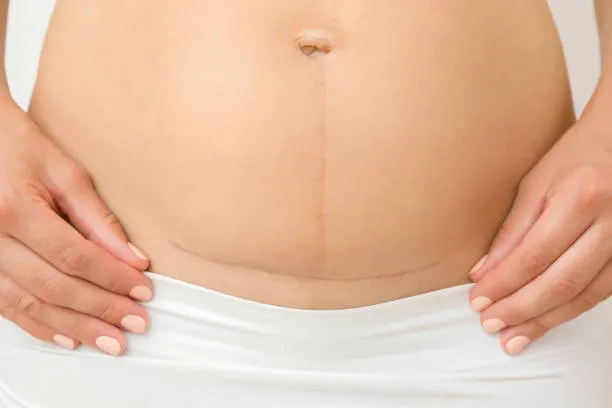
    Normal Delivery vs. Cesarean: Comparing Pain Levels at Lopmudra Hospital

    Understanding Delivery Methods: Normal vs. Cesarean


    When embarking on the journey of parenthood, one of the most crucial decisions expectant mothers face is the method of delivery. This decision can evoke a myriad of emotions, anxieties, and questions. Among the primary choices are normal (vaginal) delivery and cesarean (C-section) delivery. Both methods have their pros and cons, and understanding these can help parents make an informed decision in consultation with their healthcare provider.

    At Lopmudra Hospital Chain, we are dedicated to providing personalized care and support during this significant milestone. Our facilities in Pune are equipped to handle both normal and cesarean deliveries, ensuring a safe and comfortable experience for both mother and child.


    Normal Delivery: An Overview

    Normal delivery is often the preferred method. It involves the vaginal birth of a baby through the birth canal. Natural childbirth typically offers several benefits:

    • Faster Recovery: Many women who undergo normal delivery find that they recover faster physically than those who have a cesarean section. This can mean less time in the hospital and a quicker return to daily activities.
    • Fewer Surgical Risks: Normal delivery eliminates the risks associated with surgery such as infection and excessive blood loss.
    • Shorter Hospital Stay: Generally, mothers can return home within 24-48 hours after delivery, barring any complications.
    • Less Pain Medication: Mothers may often require less pain medication post-delivery compared to cesarean sections.

    While normal delivery has its benefits, it also requires a significant physiological challenge. Expectant mothers should be mindful of the pain and potential complications during labor, which can vary significantly between individuals.


    Cesarean Delivery: An Overview

    A cesarean delivery, or C-section, involves delivering the baby through a surgical incision made in the mother’s abdomen and uterus. There are several reasons a C-section might be recommended, including:

    • Medical Concerns: If complications arise, such as fetal distress or the baby being in a breech position, a cesarean may be deemed necessary for the safety of both mother and baby.
    • Multiple Pregnancies: In cases of twins or higher-order multiples, cesarean delivery may be preferable.
    • Previous C-section: Women with prior cesarean deliveries might be advised to undergo repeat cesarean sections.

    While the cesarean method has its advantages, such as planned delivery times and reduced labor pain, it also involves risks such as surgical complications and a longer recovery period.


    Pain Comparison for Delivery: Normal vs. Cesarean

    Pain is one of the most significant aspects to consider when comparing normal delivery and cesarean delivery. Generally, normal delivery is associated with intense labor pain during contractions as the body works to push the baby out. The pain can range from mild to severe, with some mothers opting for pain relief methods such as epidurals or nitrous oxide.

    Conversely, women undergoing a cesarean section experience pain post-surgery. Although a C-section is typically performed with anesthesia, resulting in no sensation during the procedure, the recovery phase may involve significant discomfort as the abdominal tissue heals.

    Delivery Method Pain During Delivery Post-Delivery Pain
    Normal Delivery Intense, variable during labor Less severe, mainly localized
    Cesarean Delivery No pain during the procedure Moderate to severe from surgical site

    At Lopmudra Hospital Chain, we ensure that our patients are well-informed about their pain management options, guiding them to choose the most suitable approach based on their preferences and medical condition.


    Factors Affecting Pain Perception

    Pain perception varies significantly among individuals due to numerous factors, including:

    • Physical Condition: A woman’s pre-pregnancy fitness level and health condition can affect pain perception and overall experience during delivery.
    • Support System: Having a supportive partner, family member, or doula present during delivery can help alleviate anxiety, potentially influencing pain management.
    • Previous Experiences: Past childbirth experiences can shape one’s pain tolerance and fear of pain, thereby influencing the overall perception of the current experience.
    • Coping Strategies: Techniques such as breathing exercises and visualization can empower mothers to manage pain effectively during labor.

    Each of these factors plays a critical role in how pain is experienced and managed during childbirth and underlines the importance of personalized care offered by professionals at Lopmudra Hospital Chain.


    Recovery After Delivery: What to Expect

    Recovery after delivery differs considerably for normal and cesarean deliveries. For normal delivery, a mother can usually return home within 1-2 days, requiring only periodic pain management and follow-ups to ensure recovery is on track.

    In contrast, mothers who undergo cesarean deliveries typically experience a longer hospital stay, often ranging from 3-5 days. They may also require more extensive pain management due to the surgical nature of the delivery.

    Here’s a brief overview of the recovery timeline and what can be expected after each method of delivery:

    Delivery Type Average Hospital Stay Estimated Recovery Time
    Normal Delivery 1-2 days 2-6 weeks
    Cesarean Delivery 3-5 days 6-8 weeks

    Understanding what to expect in the recovery phase can help mothers prepare adequately and seek support where necessary. At Lopmudra Hospital Chain, our team is committed to providing comprehensive postpartum care, assisting mothers in their journey to recovery.


    Making an Informed Decision

    The decision between normal and cesarean delivery should involve thorough discussions between the expectant mother and her healthcare provider. Factors such as maternal health, baby’s health, and individual preferences should all be considered.

    Consulting with the best gynecologist in Pune at Lopmudra Hospital Chain can help guide this decision-making process, ensuring that both mother and baby receive optimal care tailored to their specific needs.


    Conclusion: Empowering Choices in Childbirth

    In the end, the choice between normal and cesarean delivery is deeply personal and should be based on informed discussions with healthcare providers. Both methods offer unique benefits and challenges, and understanding the differences can empower expectant mothers to make decisions that are right for them and their babies.

    At Lopmudra Hospital Chain in Pune, we strive to offer the best maternity care in Pune, focusing on educating our patients about their choices in childbirth, along with comprehensive support throughout the delivery process. Whether you’re considering normal delivery in Pune or cesarean delivery at Lopmudra Hospital Chain, we are here to provide an experience marked with safety, care, and professionalism.

    This article was written by Dr. Archana Salve, sharing insights based on professional experience in the field.
  • C-Section vs Natural Delivery: Pain Levels Compared – Insights by Lopmudra Hospital

    C-Section vs Natural Delivery: Pain Levels Compared – Insights by Lopmudra Hospital

    Is a C-Section as Painful as a Natural Delivery?


    The journey of childbirth is a remarkable and intimate experience, often filled with a mix of emotions ranging from excitement to anxiety. Expectant mothers frequently find themselves pondering about different delivery methods, wondering about the pain and recovery associated with each. This article aims to provide a comprehensive comparison between two primary delivery methods: C-sections and natural deliveries. At Lopmudra Hospital Chain, the best maternity hospital in Pune, we understand the importance of making informed decisions regarding your delivery options, and we are here to guide you through every step of the process.


    Understanding the Delivery Methods

    Childbirth can be accomplished through various methods, but the most common ones include natural (vaginal) delivery and cesarean section (C-section). Both methods have their unique benefits and challenges.

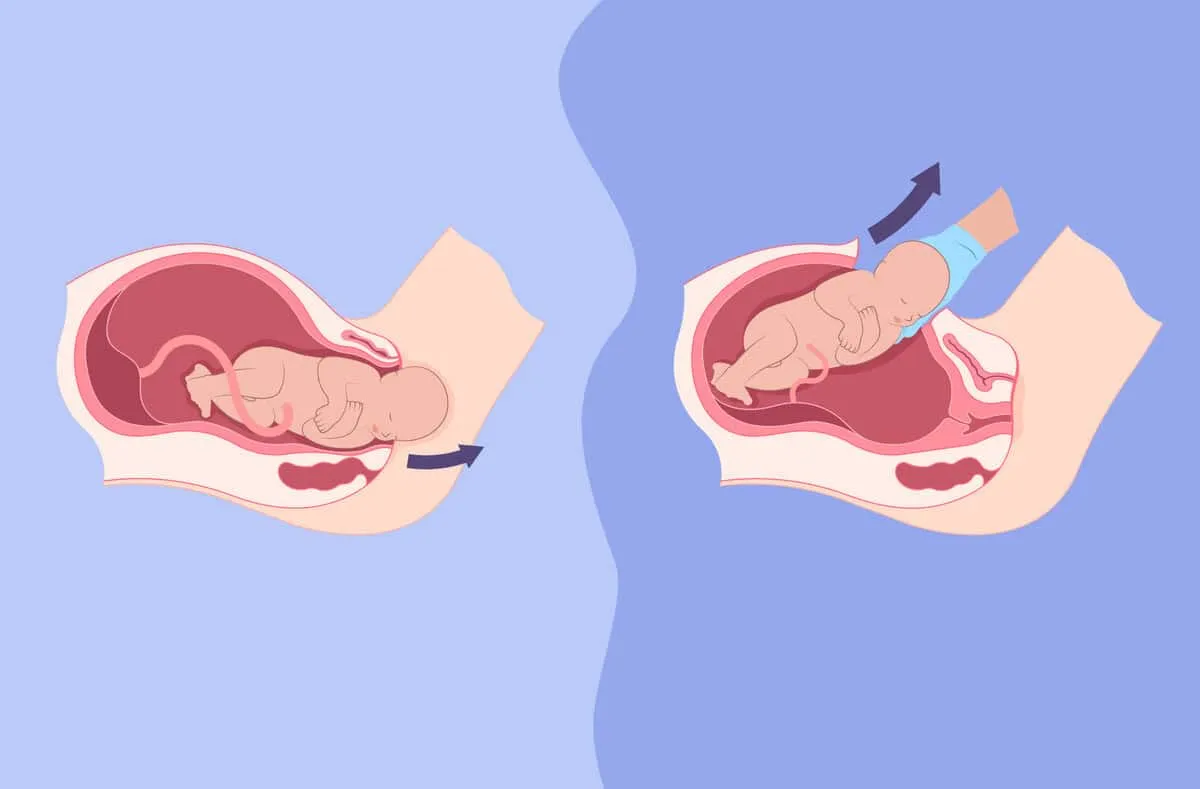
    Natural delivery refers to the process of giving birth vaginally without major surgical intervention. It typically involves contractions that help propel the baby through the birth canal. On the other hand, a C-section is a surgical procedure in which the baby is delivered through an incision made in the mother’s abdomen and uterus. This method may be planned ahead of time or performed as an emergency procedure depending on the circumstances surrounding the pregnancy.


    Pain During Delivery: A Comparative Insight

    One of the most significant concerns for expectant mothers is the level of pain associated with childbirth. While both natural deliveries and C-sections are associated with discomfort and pain, the experiences can differ markedly between the two.

    Natural Delivery Pain: Many women report that the pain from contractions can be intense, often described as cramping, pressure, or a strong pulling sensation in the lower abdomen and back. Pain management options during natural deliveries can include:

    • **Epidural analgesia** – a regional anesthesia that numbs the lower body while allowing mothers to remain alert.
    • **Nitrous oxide** – inhaled gas that helps reduce anxiety and pain perception.
    • **Medication** such as ibuprofen and acetaminophen.

    While the pain of contractions may feel overwhelming, many women describe a sense of relief immediately after the baby is delivered.

    C-Section Pain: Though a C-section is often considered a less traumatic delivery method in some aspects, it is a major surgical procedure. Consequently, pain from a C-section can be prolonged and may vary due to the surgical healing process. Pain management options after a C-section can include:

    • **Intravenous pain medications** during recovery.
    • **Oral pain medications** like ibuprofen or acetaminophen upon discharge.

    Patients may also experience discomfort from the incision site for several weeks post-delivery, as the body heals from surgery. It’s important to note that while the initial pain might be managed, recovery from a C-section generally takes longer than recovery from a natural delivery.


    Recovery Timeline: C-Section vs. Natural Delivery

    Delivery Method Recovery Time Considerations
    Natural Delivery Typically 1-2 weeks Quicker healing, less interruption in daily activities
    C-Section Typically 4-6 weeks Requires more extensive post-surgical care, risk of infection

    Long-Term Effects of Delivery Methods

    When evaluating whether a C-section is as painful as natural delivery, it’s crucial to consider not just immediate pain, but potential long-term effects. Each method can influence postpartum experiences differently, affecting factors such as healing, breastfeeding, and emotional well-being.

    Natural Delivery Long-Term Effects: While most women who have vaginal births can generally resume their routines relatively quickly, they may face challenges related to pelvic floor health, including incontinence or pelvic pain later in life. Engaging in physical therapy and following postpartum care recommendations can mitigate these effects.

    C-Section Long-Term Effects: Recovering from a C-section often involves a longer period of limited physical activity, which could influence bonding with the baby and the ability to engage in typical daily tasks. Additionally, C-sections may be associated with risks such as adhesions, which can lead to chronic pain or complications in future pregnancies.


    When Is a C-Section Recommended?

    While many women prefer natural delivery, there are circumstances where a C-section may be medically necessary. Conditions include:

    • **Breech baby position** – when the baby is positioned feet-first or sideways.
    • **Multiple births** – such as twins or triplets.
    • **Fetal distress** – if the baby’s heart rate shows signs of distress during labor.
    • **Previous C-sections** – in many cases, once a C-section is performed, physicians may recommend subsequent deliveries be via C-section as well.

    Consulting with experienced professionals, like the best gynecologists in Pune at Lopmudra Hospital Chain, can help expectant mothers understand the safest delivery options for their unique situations.


    Making an Informed Choice: Which is Right for You?

    Ultimately, the decision between a C-section and natural delivery needs to be driven by the health and safety of both mother and child. Forever prioritize prenatal care consultations to discuss your preferences, Medical History, and any specific concerns you may have, particularly for high-risk pregnancies, to form a detailed and personalized birth plan. It is essential to have an open dialogue with your healthcare provider, allowing for a shared decision-making process.

    At Lopmudra Hospital Chain, our dedicated team of maternity care professionals will work to ensure you receive a supportive, thorough, and empathetic approach to your childbirth experience.


    Postpartum Care: Navigating Through Recovery

    After childbirth, regardless of the delivery method, postpartum care is essential for recovery and emotional well-being. Both approaches require focused care to ensure mothers heal efficiently and feel supported during this transformative stage. Some important aspects of postpartum care include:

    • **Follow-up appointments** – Regular check-ups to monitor recovery.
    • **Physical recovery support** – Exercises and proper diet to restore physical health.
    • **Mental health resources** – Being aware of potential postpartum depression and accessing counselling services if needed.

    Maternity care in Pune is comprehensive, provided by experienced gynecology specialists who prioritize your recovery and assistance.


    In Conclusion

    Whether you choose a C-section or a natural delivery, it is vital to understand the respective pain levels, recovery timelines, and overall experiences associated with each method. Armed with accurate knowledge and supportive healthcare, expectant mothers can navigate their options with confidence and clarity. Always embrace open conversations with your healthcare providers to make well-informed decisions tailored to your specific needs.

    This article was written by Dr. Archana Salve, sharing insights based on professional experience in the field. For further information and consultation, feel free to contact us at +918087122022 or visit our website for appointment booking at Lopmudra Hospital Chain.

  • Normal Delivery vs C-Section: Advantages & Benefits at Lopmudra Hospital

    Normal Delivery vs C-Section: Advantages & Benefits at Lopmudra Hospital

    Advantages of Normal Delivery Over a C-Section


    The decision between a normal delivery and a cesarean section (C-section) is pivotal for expectant mothers. Understanding the advantages of a normal delivery can empower women when making decisions about their childbirth journey. At Lopmudra Hospital Chain in Pune, we offer comprehensive maternity care services, providing expert guidance on childbirth options. This blog, written by Dr. Archana Salve, outlines the numerous benefits of opting for a normal delivery, the nuances of both methods, and how our hospital can support you through this critical phase of life.


    Understanding Normal Delivery

    Normal delivery, or vaginal birth, is the process where a baby is born through the birth canal. This method is often seen as the natural way of delivering babies, resulting in a number of advantages for both the mother and the baby. A normal delivery typically involves three stages:

    • First Stage: This stage involves the onset of labor, and contractions begin to open the cervix.
    • Second Stage: The baby is pushed through the birth canal during this stage.
    • Third Stage: The placenta is expelled from the uterus after the baby is born.

    Women who have a normal delivery generally face a smoother recovery than those who deliver via C-section. The natural birthing process can also enhance bonding between the mother and child, promoting immediate skin-to-skin contact which is crucial for newborn attachment and breastfeeding initiation.


    Benefits of Normal Delivery

    Normal delivery provides a multitude of benefits that contribute to the overall health and wellbeing of the mother and child. Below are some compelling reasons why many healthcare professionals, including those at Lopmudra Hospital Chain in Pune, advocate for vaginal birth over cesarean sections:

    • Shorter Recovery Time: Mothers who deliver vaginally often experience a quicker recovery. Hospital stays for normal delivery are usually shorter compared to C-sections, enabling mothers to return home and resume their daily activities sooner.

    • Reduced Hospital Stay: After a normal delivery, women typically stay in the hospital for 24 to 48 hours, whereas, C-section recoveries can require a hospital stay of three to four days.

    • Lower Risk of Complications: Normal deliveries generally have fewer complications than C-sections, which may involve risks like infections or surgical complications.

    • Better for Baby’s Health: Babies born through a normal delivery are exposed to beneficial bacteria in the birth canal, which can help strengthen their immune systems.

    • Increased Bonds: Normal delivery facilitates immediate physical contact, fostering essential emotional connections between the mother and her baby.

    These benefits make normal delivery an attractive option for many expectant mothers, particularly those keen on a natural birth experience.


    Understanding C-Sections

    Cesarean sections are surgical procedures that involve delivering a baby through incisions made in the mother’s abdomen and uterus. While C-sections can be lif-saving in certain medical situations, they are generally considered major surgery and carry a risk of complications. The procedure may be planned in advance for various reasons such as issues with the mother’s health, abnormal positioning of the baby, or past C-section deliveries. It is important to note that C-sections might result in longer recovery times compared to normal deliveries.

    At Lopmudra Hospital Chain, our team of specialists in obstetrics and gynecology are always available to discuss the pros and cons of both delivery options, ensuring that mothers-to-be are well-informed when making their childbirth choice.


    Comparative Analysis of Normal Delivery vs. C-Section

    Feature Normal Delivery C-Section
    Recovery Time Shorter (24-48 hours) Longer (3-4 days)
    Risk of Complications Lower Higher
    Hospital Stay Less than 48 hours Up to 4 days or more
    Cost Generally lower Generally higher
    Future Deliveries Can attempt vaginal birth in future pregnancies May necessitate a C-section in future pregnancies

    As illustrated, there are various factors to contemplate when deciding between normal delivery and a C-section. It is essential for mothers to consult with their healthcare providers to evaluate the best course of action for their individual conditions and preferences.


    Potential Risks and Considerations

    While normal deliveries are largely safe, it is essential to recognize that every birth comes with its risks. Complications such as labor not progressing, fetal distress, or severe maternal health issues can necessitate a switch to a C-section even if a vaginal birth was initially planned. Consulting with a qualified gynecologist is crucial for monitoring and addressing any potential complications during pregnancy and labor.

    Furthermore, women should assess their cultural beliefs and personal feelings about childbirth. Traditional views sometimes hold significant sway over the type of childbirth a woman opts for. It is beneficial to have open discussions with family, friends, and healthcare professionals to process these beliefs.


    The Role of Prenatal Care

    Comprehensive prenatal care is vital for ensuring the mother’s and baby’s health throughout pregnancy. Regular check-ups with the best gynecologist in Pune allow for tailored monitoring and preparation for the delivery method that best suits the mother’s situation. At Lopmudra Hospital Chain, we provide exceptional prenatal care in Pune, allowing mothers to make informed decisions about their childbirth options.

    This includes nutritional guidance, exercise advice, and preparation for labor, which focus on promoting optimal health. Attending regular prenatal sessions can also address concerns, reduce anxiety, and lead to a more enjoyable pregnancy experience. Experts recommend starting prenatal care as soon as a woman finds out she is pregnant, to ensure that any risks are identified and managed promptly.


    Postnatal Care Importance

    After the delivery, proper postnatal care is crucial for both the mother and the newborn. Mothers need time to recover physically and emotionally while adjusting to the demands of a new baby. Support from healthcare professionals is vital during this stage, and at Lopmudra Hospital Chain in Pune, we offer postnatal care services that guide mothers through this transformative time.

    Postnatal care includes assessments to check the mother’s physical healing, education on breastfeeding, and support with infant care. Attending support groups can also help new mothers connect with others going through similar experiences, providing emotional support and practical advice.


    Conclusion: Choosing What’s Best for You

    Ultimately, the choice between a normal delivery and a C-section is a deeply personal decision that should consider medical guidance, potential risks, and personal preferences. By understanding the advantages of a normal delivery over a C-section and exploring all possible birthing methods, mothers will be better equipped to make an informed choice.

    Consultation with qualified healthcare professionals at Lopmudra Hospital Chain in Pune ensures that expectant mothers receive the support, care, and information they need. Remember, every pregnancy is unique, and what works for one individual may not work for another. Prioritize your health and well-being while embracing the beautiful journey toward motherhood.


    This article was written by Dr. Archana Salve, sharing insights based on professional experience in the field.

  • Understanding the Absence of Postpartum Bleeding After C-Section Delivery – Lopmudra Hospital Insights

    Understanding the Absence of Postpartum Bleeding After C-Section Delivery – Lopmudra Hospital Insights

    Why Is There No Bleeding After A C-Section Delivery?


    Childbirth is a monumental event in a woman’s life. For some, this journey involves a Cesarean section (C-section), a surgical procedure that delivers the baby through an incision in the abdomen and uterus. One common question among new mothers is, why is there no bleeding after a C-section delivery? This blog aims to explain this phenomenon, the implications, and the general recovery process associated with C-section deliveries, particularly as offered at Lopmudra Hospital Chain, recognized as one of the best maternity hospitals in Pune.


    Understanding C-Section Delivery

    A Cesarean section is a surgical intervention used to deliver a baby when a vaginal birth poses risks to the mother or child. Some common indications for C-sections include:

    • Previous Cesarean deliveries: If the mother has undergone a C-section in the past, the next delivery might also be through surgery to avoid complications.
    • Abnormal fetal position: If the baby is not positioned for a head-first delivery, a C-section might be necessary.
    • Multiple pregnancies: In cases of twins or more, a C-section is often safer.
    • Health conditions: Certain pre-existing health conditions may necessitate a C-section for the safety of both the mother and the baby.

    At Lopmudra Hospital Chain, our team of experienced gynecologists ensures that every patient receives personalized care throughout the procedure, making sure both mother and baby are closely monitored to ensure a safe delivery.


    What Happens During A C-Section?

    The C-section procedure typically lasts about 45 minutes to an hour, depending on the specific circumstances surrounding the birth. The steps involved in a C-section include:

    • Anesthesia: Depending on medical advice, either a spinal block or general anesthesia may be administered to numb the body.
    • Incision: The surgical team will make a horizontal incision just above the pubic hairline or a vertical incision down the abdomen.
    • Delivery: The baby is delivered through the incision, followed by the placenta, and the uterus is closed with sutures.

    This surgical nature of the delivery method can often lead to less bleeding than during a vaginal birth, thus addressing the initial question regarding post-delivery bleeding.


    Why No Bleeding After C-Section?

    Many women are surprised to find that post-surgery, they may experience little to no bleeding compared to vaginal deliveries, where postpartum bleeding is common. Here’s why:

    • Controlled Environment: The C-section takes place in a sterile environment with precisely controlled conditions, allowing for minimal blood loss during surgery.
    • Surgical Techniques: Surgeons are well-trained to manage bleeding effectively during the procedure, often using specialized techniques to minimize blood loss.
    • Uterine Involution: After a C-section, the uterus still undergoes involution—returning to its non-pregnant state—but this process can vary in speed compared to a vaginal birth, impacting the amount of bleeding.

    Nevertheless, postpartum care is crucial for all mothers, regardless of the delivery method, as individual recovery experiences can vary significantly.


    Postpartum Recovery After A C-Section

    Recovery after a C-section is uniquely different and can take longer than recovery from a vaginal birth. Advocating for skills and activities can support a smooth recovery process. Key aspects include:

    • Pain Management: Post-surgical pain is to be expected. Doctors usually prescribe medications to manage this effectively.
    • Incision Care: Keeping the surgical site clean and dry is vital to prevent infection. Regularly checking for signs of infection such as redness, swelling, or increased pain will aid in recovery.
    • Lifting Restrictions: New mothers should avoid heavy lifting or strenuous activities for several weeks, as the incision requires time to heal.
    • Follow-Up Appointments: Attending scheduled follow-up appointments with your healthcare provider is crucial to ensure proper healing and recovery.

    Understanding these essential components observed at Lopmudra Hospital for Maternity in Pune enhances a mother’s confidence while providing peace of mind during the recovery phase.


    The Importance of Postpartum Care

    After delivery, regardless of the mode of delivery, postpartum care must be emphasized. It is essential for both physical recovery and mental well-being. Key factors to consider involve:

    • Emotional Support: New mothers often face emotional ups and downs. Seeking emotional support from family, friends, or professionals can significantly help.
    • Breastfeeding Guidance: Successful breastfeeding may require education and assistance, aligning with the goal of providing the best nutrition for the newborn.
    • Physical Rehabilitation: Engaging in safe physical activity, as advised by healthcare providers, can boost recovery and improve mood.
    • Nutritional Support: A balanced diet aids recovery and enhances energy levels for the mother, which is especially important during breastfeeding.

    It is crucial to approach postpartum care comprehensively, allowing mothers time to emerge from this transformative phase with ample support.


    Potential Complications Post-C-Section

    Although complications are rare, some mothers may experience issues following a Cesarean delivery. Here are common complications to be aware of:

    • Infection: Various types of infection can arise at the incision site or in the uterus, leading to additional complications if not treated promptly.
    • Hemorrhage: Although severe bleeding is less common after a C-section, some women might experience hemorrhage post-operatively, necessitating medical intervention.
    • Adhesions: Internal scar tissue may form after surgery, leading to discomfort and complications in future pregnancies.

    To minimize risks, it is crucial to communicate openly with healthcare providers, including noting any symptoms of concern, ensuring that proper assessments can be timely conducted.


    Comparing C-Section To Vaginal Birth: A Quick Overview

    Factor C-Section Vaginal Birth
    Recovery Time Longer (4-6 weeks) Shorter (1-2 weeks)
    Postpartum Bleeding Less initial bleeding Can be more significant bleeding
    Scarring Visible abdominal scar No visible external scar
    Future Births Higher chances of requiring repeat C-sections Can often lead to subsequent vaginal deliveries

    Why Choose Lopmudra Hospital Chain for C-Section Deliveries?

    At Lopmudra Hospital Chain, we pride ourselves on being one of the best maternity hospitals in Pune, equipped to handle all aspects of maternity and childbirth with care, expertise, and compassion. Our qualified team of healthcare professionals is dedicated to ensuring a positive maternity experience by providing:

    • World-Class Facilities: Our modern and hygiene-oriented hospital environment supports a safe childbirth experience.
    • Experienced Gynecologists: Our skilled staff provides personalized consultations and guidance, ensuring the highest quality of care.
    • Comprehensive Support: We offer resources for physical, emotional, and lactation support as part of our postpartum care services.
    • Emergency Response: A specialized team is available 24/7 for any emergencies that may arise.

    If you’re planning for labor and delivery and are considering a C-section, trust Lopmudra Hospital Chain for your maternity needs in Pune. Book your appointment today by calling +918087122022 or via WhatsApp at 918379033033. Your journey to motherhood deserves exceptional care.


    This article was written by Dr. Archana Salve, sharing insights based on professional experience in the field.