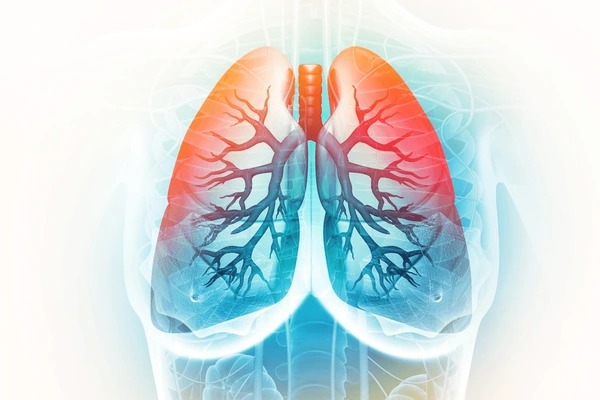
What is COPD?
Chronic Obstructive Pulmonary Disease (COPD) refers to a group of progressive lung diseases primarily characterized by breathlessness and a persistent cough. This chronic condition most commonly includes emphysema and chronic bronchitis. It typically develops after years of exposure to irritating gases or particulate matter, most often from cigarette smoke. Understanding COPD is crucial for early detection and effective management.
According to the World Health Organization (WHO), COPD is the third leading cause of death globally, affecting approximately 251 million people. In India, the prevalence of COPD has been reported to be around 3.5%. Recognizing the early warning signs of COPD can significantly improve the quality of life for patients and increase the chances for successful management.
The Importance of Early Detection
Detecting COPD early can lead to interventions that slow progression and improve symptoms. Oftentimes patients misinterpret symptoms such as persistent cough and shortness of breath as normal aging or seasonal allergies. Lopmudra Hospital Chain believes that patient education is essential in recognizing these symptoms to seek timely medical help.
-
Increase in awareness can lead to better outcomes through early treatment.
-
Timely lifestyle changes can prevent further lung damage.
-
It can reduce hospital visits, thereby lowering healthcare costs.
By understanding what to look for, individuals can take charge of their lung health holistically.
Common Symptoms of COPD
Early symptoms of COPD can be subtle and may resemble those of other respiratory conditions. Familiarizing oneself with these symptoms is vital. Here are common early warning signs:
-
Chronic cough: A cough that persists for three months or more and produces sputum.
-
Shortness of breath: Initially occurring only during physical activity, this can worsen over time, making even daily tasks challenging.
-
Wheezing: A high-pitched whistling sound during breathing can indicate airway obstruction.
-
Frequent respiratory infections: Patients may experience exacerbated episodes during cold weather or flu season.
-
Difficulty sleeping: COPD patients may find themselves unable to sleep comfortably due to breathing issues.
If you notice any of these signs, particularly if they linger, consult with a healthcare professional at Lopmudra Hospital Chain to evaluate your respiratory health.
Risk Factors for Developing COPD
Understanding the risk factors associated with COPD can enhance preventive strategies. These include:
-
Smoking: The primary risk factor, accounting for 85-90% of COPD cases worldwide. Both active smoking and exposure to secondhand smoke can contribute.
-
Occupational exposures: Long-term exposure to dust, chemicals, and fumes may increase risk, especially in mining, construction, and agriculture industries.
-
Genetic factors: Alpha-1 antitrypsin deficiency can make individuals susceptible to lung damage.
-
Age: Lung function naturally declines with aging; thus, older adults are more prone to developing COPD.
-
Air pollution: Pollutants in indoor and outdoor environments can contribute to the development of COPD.
Identifying and modifying risk factors can significantly reduce the likelihood of developing the disease.
How is COPD Diagnosed?
The diagnosis of COPD typically involves several assessments, including:
-
Medical history: A thorough assessment of your smoking history and exposure to risk factors.
-
Physical examination: Listening to lung sounds through a stethoscope for wheezing or other abnormal sounds.
-
Spirometry: This pulmonary function test measures how much air you can inhale and exhale as well as how quickly you can exhale.
-
Imaging tests: Chest X-rays or CT scans may be conducted to assess lung health visually.
At Lopmudra Hospital Chain, our specialized team employs advanced diagnostics to ensure comprehensive evaluation and timely detection of the disease.
Treatment Options for COPD
While COPD is currently not curable, treatment options focus on managing symptoms and enhancing quality of life. Common approaches include:
-
Medications:
- Bronchodilators: Relax muscle bands around the airways, providing relief for breathing difficulties.
- Inhaled corticosteroids: Reduce inflammation and frequency of exacerbations.
- Combination inhalers: Contain both bronchodilators and corticosteroids for patients with moderate to severe COPD.
-
Oxygen therapy: For patients experiencing low oxygen levels, supplemental oxygen can significantly reduce strain on the heart and improve quality of life.
-
Pulmonary rehabilitation: A program that combines education, exercise training, and social support to enhance physical and emotional well-being.
-
Surgery: In severe instances, surgical options like lung volume reduction surgery or lung transplants may be considered.
At Lopmudra Hospital Chain, our experienced respiratory specialists collaborate to develop a personalized treatment plan, integrating the latest innovations in COPD care.
Lifestyle Changes That Can Help Manage COPD
Making lifestyle changes can augment the effectiveness of treatments and improve overall lung health. Here are some beneficial changes:
-
Quitting smoking: The single most effective method to slow the progression of the disease.
-
Staying active: Regular exercise tailored to individual abilities can enhance stamina and overall health.
-
Eating a healthy diet: Incorporating more fruits, vegetables, and whole grains can aid in maintaining energy levels and supporting lung health.
-
Managing stress: Techniques such as yoga, meditation, or deep-breathing exercises can ease anxiety and promote lung function.
-
Regularly monitoring health: Keep track of symptoms and seek immediate medical attention if there’s a sudden worsening of health.
The Role of Support Networks
Emotional and social support plays a crucial role in managing COPD. Consider these support options:
-
Family support: Engage with family members to develop a shared understanding of the condition and its implications.
-
Support groups: Connecting with others facing similar challenges can offer understanding, encouragement, and shared experiences.
-
Professional counseling: A mental health professional can provide coping strategies and emotional support to manage the psychological impact of COPD.
At Lopmudra Hospital Chain, we not only focus on physical well-being but also offer guidance on forming a supportive network to enable well-rounded care.
When to Seek Medical Help
It’s imperative for individuals with COPD to seek medical advice when experiencing:
-
Increased shortness of breath that interferes with daily activities.
-
Worsening cough or change in cough character.
-
Changes in sputum color or consistency.
-
Frequent respiratory infections or flu-like symptoms persisting for several days.
If you or a loved one recognize such symptoms, don’t hesitate to contact Lopmudra Hospital Chain at +91 8087122022 or book an appointment through our website at Lopmudra Hospitals for a consultation with our experts.
This article was written by Dr. Sneha Tirpude, sharing insights based on professional experience in the field.
Leave a Reply