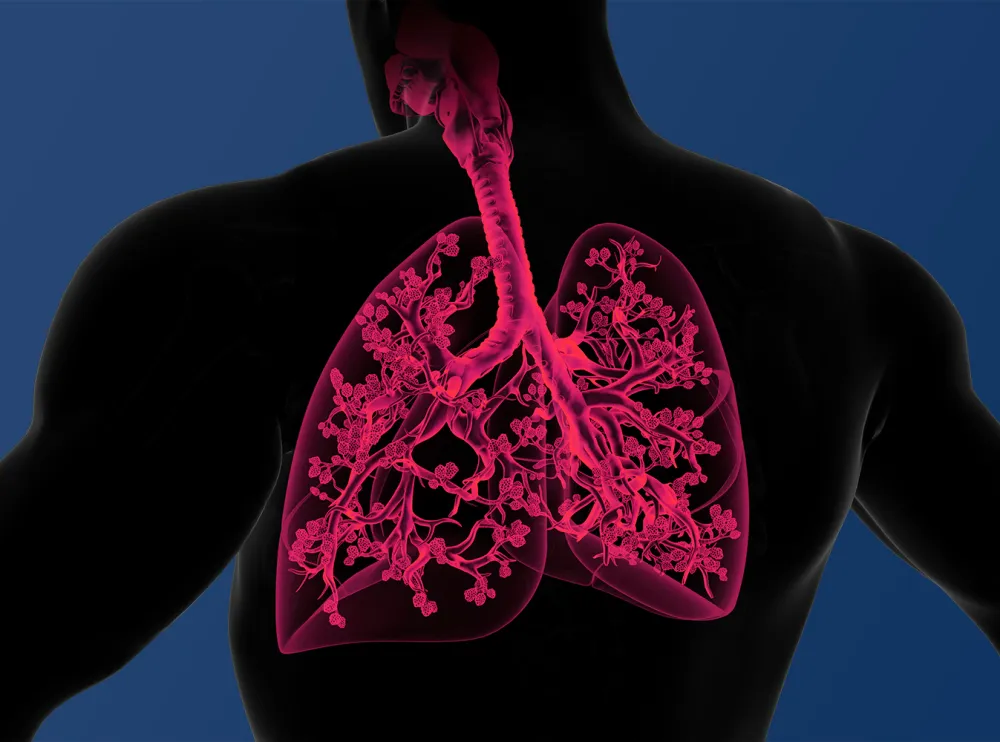
Understanding COPD: An Overview
Chronic Obstructive Pulmonary Disease (COPD) is a progressive lung disease that significantly impacts the flow of air in and out of the lungs. Characterized primarily by breathing difficulties, COPD is not a singular condition but rather a compilation of various respiratory illnesses, predominantly chronic bronchitis and emphysema. The serious nature of this disease necessitates a well-rounded understanding of its causes, symptoms, and potential treatment options.
Given the various environmental and genetic factors that contribute to COPD, an informed approach can facilitate better management and help improve quality of life for affected individuals. Here at Lopmudra Hospital Chain, we are dedicated to providing comprehensive care for respiratory diseases, helping patients navigate through their COPD journey with empathy and expert guidance.
What Causes COPD?
Understanding the causes of COPD is vital for prevention and management. The most common culprits of this disease include:
-
Tobacco Smoke: Cigarette smoking is the primary cause of COPD, responsible for around 85-90% of all cases. Inhalation of tobacco smoke damages the lungs over time, leading to chronic inflammation and narrowing of the airways.
-
Occupational Exposures: Jobs that expose workers to dust, chemicals, fumes, and vapors increase the risk of developing COPD. Industries such as construction, mining, and chemical manufacturing are often high-risk zones.
-
Air Pollution: Both outdoor and indoor pollution contribute significantly to the onset of COPD. Prolonged exposure to pollutants from vehicle emissions and even household pollutants like smoke from burning wood or coal can trigger lung damage.
-
Genetic Factors: A rare genetic disorder called Alpha-1 Antitrypsin Deficiency can lead to early development of COPD. This condition results in low levels of a protein that helps protect the lungs.
Understanding these risk factors allows for more effective prevention strategies, making it crucial for patients to engage in discussions about their lifestyle choices with healthcare providers.
Recognizing the Symptoms of COPD
Early detection of COPD can play a significant role in managing the disease and enhancing life quality. The symptoms typically develop gradually and can include:
-
Chronic Cough: Often referred to as ‘smoker’s cough,’ it is often persistent and can produce mucus.
-
Shortness of Breath: This symptom typically worsens with physical activity and can lead to reduced exercise tolerance and fatigue.
-
Wheezing: A whistling sound while breathing can be prevalent, especially during exhalation.
-
Chest Tightness: Patients may feel a heavy sensation in the chest, making it uncomfortable to breathe deeply.
Notably, patients often overlook these symptoms, attributing them to aging or a lack of fitness. Therefore, recognizing these signs early can help in timely diagnosis and treatment.
Diagnosis of COPD
To diagnose COPD accurately, healthcare providers rely on a combination of patient history, physical examination, and diagnostic testing. Common procedures include:
-
Medical History and Symptoms Review: A healthcare provider will evaluate possible risk factors, symptoms, and the extent of breathing difficulties.
-
Physical Examination: A physical exam may include listening to lung sounds with a stethoscope.
-
Spirometry: This test measures the amount of air a person can exhale after taking a deep breath. It significantly aids in determining how well the lungs are functioning.
-
Imaging Tests: Chest X-rays or CT scans may be utilized to visualize the lungs and check for signs of COPD or other lung problems.
By leveraging these diagnostic tools, healthcare providers at Lopmudra Hospital Chain can create a personalized treatment plan tailored to the patient’s unique needs.
Treatment Options for COPD
While there is currently no cure for COPD, a spectrum of treatments is available to help manage symptoms and improve quality of life. The treatment approach often consists of:
-
Medications: Bronchodilators and steroids are commonly prescribed for the management of COPD. Bronchodilators help relax tightened muscles around the airways, while steroids serve to reduce inflammation.
-
Oxygen Therapy: For patients with low oxygen levels, supplemental oxygen can improve the quality of life, especially during physical activities.
-
Pulmonary Rehabilitation: This program encompasses a combination of education, nutritional advice, and physical exercises aimed at enhancing lung function and overall health.
-
Surgery: In severe cases, surgical interventions such as lung volume reduction surgery or a lung transplant may be considered. These options are typically reserved for patients whose symptoms are not well-controlled with medication.
In addition to these treatments, it is crucial for patients to quit smoking, as this is the most effective way to prevent their condition from worsening.
Self-Care and Lifestyle Changes
Managing COPD effectively hinges not just on medical treatment but also on lifestyle choices. Here are some significant adjustments one can undertake to enrich their health:
-
Quit Smoking: As mentioned, ceasing smoking is crucial. For individuals looking for support, lifestyle programs and medications can aid in cessation.
-
Engage in Regular Exercise: As guided by a healthcare provider, establishing a modest exercise routine tailored to the patient’s capacities can significantly enhance lung function.
-
Nutrition: Adopting a balanced diet rich in fruits, vegetables, and lean proteins can support overall health and immunity.
-
Stay Informed: Being educated about COPD and participating in support groups can help patients feel supported and less isolated.
At Lopmudra Hospital Chain, we encourage our patients to focus on these self-care measures in conjunction with prescribed treatment to ensure comprehensive care.
Prevention of COPD
Preventive measures play an indispensable role in averting COPD, especially for those at risk. Effective strategies include:
-
Avoid Smoking: Refraining from smoking and avoiding secondhand smoke are pivotal in reducing the risk of COPD.
-
Reduce Occupational Risks: For individuals working in high-risk environments, using protective gear and adhering to safety guidelines can minimize exposure to harmful substances.
-
Stay Active: Regular exercise contributes to overall lung health, potentially lowering the risk of respiratory issues.
Understanding the modifiable risk factors allows patients to take actionable steps to shield their lung health, ensuring a proactive approach to prevention.
Statistics Related to COPD
Understanding the prevalence of COPD can underscore the need for awareness and action. Globally, according to the World Health Organization (WHO):
- Approximately 251 million people currently suffer from COPD.
- It’s the third leading cause of death worldwide, claiming over 3 million lives each year.
Locally, in India, the burden of COPD is steadily increasing, with over 30 million diagnosed cases. In healthcare contexts like Lopmudra Hospital Chain, these statistics underscore the importance of timely interventions and awareness campaigns geared towards effective management and lifestyle adjustments among patients.
When to Seek Help
It is imperative for patients to recognize the appropriate time to seek medical assistance. Key indicators include:
-
Experience of worsening symptoms, such as increased shortness of breath or coughing up blood.
-
Requiring a lot more effort to breathe than usual, especially during normal activities.
-
Experiencing frequent respiratory infections requiring medical attention.
At Lopmudra Hospital Chain, our team of experts remains vigilant and ready to assist you at any time, supporting you in navigating the complexities of COPD.
This article was written by Dr. Sneha Tirpude, sharing insights based on professional experience in the field of respiratory health.
Leave a Reply