Category: Uncategorized

  • Managing High Blood Pressure During Pregnancy: Expert Insights from Lopmudra Hospital Specialists

    Managing High Blood Pressure During Pregnancy: Expert Insights from Lopmudra Hospital Specialists

    Understanding High Blood Pressure (Hypertension) in Pregnancy


    High blood pressure, or hypertension, is a condition that can significantly affect pregnant women and their babies. It is crucial to understand how hypertension during pregnancy can impact both maternal and fetal health. Lopmudra Hospital Chain, recognized as the best maternity hospital in Pune, is dedicated to providing comprehensive care for expectant mothers, including those managing hypertension. This blog will explore the causes, symptoms, potential complications, and treatment options regarding high blood pressure during pregnancy.


    What Causes High Blood Pressure During Pregnancy?

    Hypertension in pregnancy can generally be categorized into two types: pre-existing hypertension and gestational hypertension. Understanding these distinctions is vital for apt management and care.

    • Pre-existing hypertension: This condition affects women who have high blood pressure prior to pregnancy. Factors contributing to pre-existing hypertension may include a personal or family history of hypertension, obesity, and other underlying health issues such as kidney disease or diabetes.
    • Gestational hypertension: This is specifically related to pregnancy and occurs after 20 weeks of gestation. Its exact cause is not entirely understood, but it is believed to involve placental abnormalities, immune system responses, and genetic factors. Stress and lifestyle factors can also contribute to developing high blood pressure during pregnancy.

    It’s important for women in Pune and surrounding areas to have regular check-ups for prenatal care, as early detection of hypertension can lead to better outcomes for both the mother and baby.


    Symptoms and Diagnosis of Hypertension in Pregnancy

    Many women may not experience any noticeable symptoms associated with high blood pressure; hence, regular monitoring is critical. Some indicators may include:

    • Headaches
    • Dizziness
    • Vision changes, such as blurriness
    • Swelling in face and hands
    • Shortness of breath

    Healthcare providers typically diagnose hypertension using two main methods:

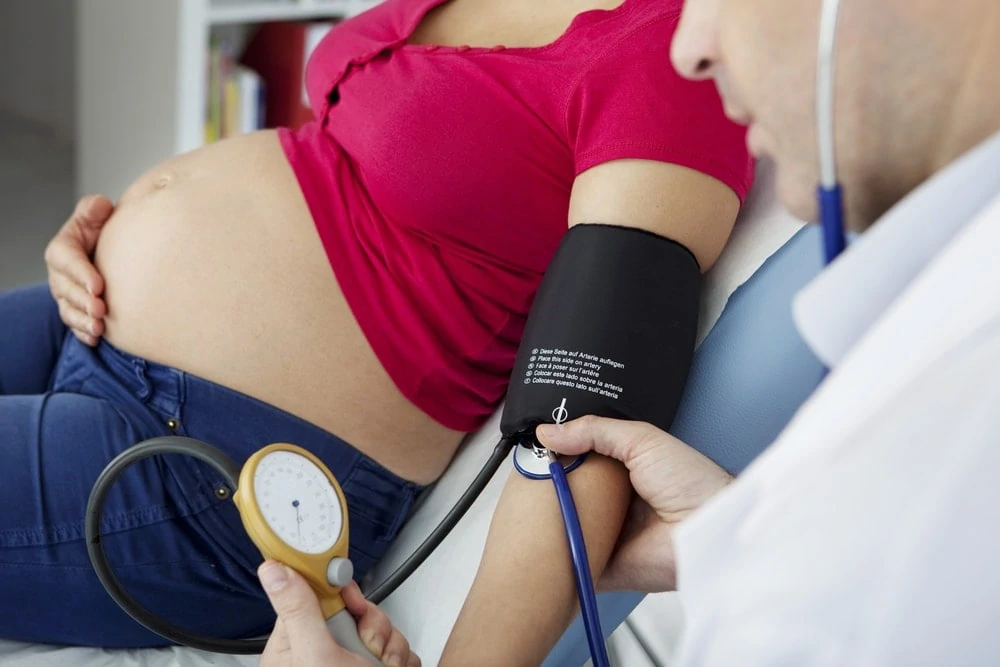
    • Blood Pressure Measurement: In a clinical setting, blood pressure readings are taken using a sphygmomanometer. A reading of 140/90 mmHg or higher is considered indicative of hypertension during pregnancy.
    • Urine Tests: In addition to blood pressure measurements, urine tests can help determine if there is protein in the urine (proteinuria), which may indicate more severe conditions such as preeclampsia.

    At Lopmudra Hospital Chain, our expertise as a leading gynecology hospital in Pune allows us to promptly identify and manage these symptoms through routine monitoring and comprehensive assessments.


    Potential Complications of High Blood Pressure in Pregnancy

    Unmanaged high blood pressure during pregnancy can lead to significant complications. For mothers, these can include:

    • Preeclampsia: A serious condition characterized by high blood pressure and signs of damage to other organ systems, often the kidneys. If left untreated, preeclampsia may lead to serious or fatal complications for both the mother and baby.
    • Eclampsia: This is a progression of preeclampsia, leading to seizures. It can have severe effects on mother and child if not promptly treated.
    • Placental Abruption: This occurs when the placenta separates from the uterus prematurely, which can cause placental insufficiency and jeopardize baby’s oxygen supply.

    For babies, the risks may include:

    • Preterm Birth: High blood pressure may necessitate an early delivery to prevent further complications, which can lead to health issues for the newborn.
    • Low Birth Weight: Infants born from hypertensive pregnancies may experience restrictions in growth due to compromised uteroplacental blood flow.

    Understanding these potential complications is vital for expectant mothers in Pune to make informed decisions and seek appropriate care.


    Treatment Options for Managing Hypertension in Pregnancy

    The management of high blood pressure during pregnancy is crucial to ensure both maternal and fetal health. Various treatment options are available, tailored according to the severity of the condition.

    • Monitoring: Regular monitoring of blood pressure and urine tests is essential to assess the condition’s progress. Monitoring at home may also be recommended by healthcare providers.
    • Lifestyle Changes: Incorporating dietary adjustments such as reducing salt intake, maintaining a balanced diet rich in fruits and vegetables, and engaging in moderate physical activity can help manage blood pressure.
    • Medications: If blood pressure remains high, a physician may prescribe medications that are safe for pregnancy. Some commonly prescribed medications include:

      Medication Type Usage Considerations
      Beta-Blockers To lower blood pressure Generally safe during pregnancy
      Calcium Channel Blockers To relax blood vessels Considered effective for treating hypertension
      Hydralazine For severe cases of hypertension Usually administered in hospital settings
    • Close Monitoring for High-risk Cases: Those with severe hypertension or preeclampsia may require hospitalization for closer observation and immediate treatment.

    At Lopmudra Hospital Chain, our high-risk pregnancy specialists in Pune can help navigate the complexities of hypertension management throughout your pregnancy to facilitate a healthier outcome.


    The Importance of Prenatal Care in Managing High Blood Pressure

    Consistent prenatal care is paramount for screening and managing possible complications resulting from hypertension. Regular visits allow healthcare providers to tailor individual treatment plans according to the mother’s specific health needs. This proactive approach ensures:

    • Timely Interventions: Early detection enables prompt interventions, potentially averting serious complications for both mother and baby.
    • Educational Opportunities: Expectant women gain insights into effective dietary choices and lifestyle modifications that can positively influence their blood pressure and overall pregnancy health.
    • Support and Guidance: Ongoing conversations with healthcare professionals can provide emotional reassurance and support throughout the pregnancy journey.

    At Lopmudra Hospital Chain, we prioritize personalized care, offering prenatal care in Pune that has been tailored to your unique health profile and needs.


    Final Thoughts on Living with Hypertension During Pregnancy

    While dealing with high blood pressure during pregnancy can be intimidating, understanding the condition and its management helps empower women. Engaging in regular healthcare and maintaining open communication with providers can significantly impact outcomes.

    If you are in Pune and experiencing high blood pressure or wish to learn more about the impact of hypertension in pregnancy, we encourage you to contact Lopmudra Hospital Chain at +91 8087122022 or via our website for further assistance. Our team comprising some of the best gynecologists in Pune is dedicated to ensuring a safe and healthy pregnancy for you and your baby.

    This article was written by Dr. Archana Salve, sharing insights based on professional experience in the field.

  • Gestational Hypertension: Causes, Symptoms & Treatment at Lopmudra Hospital

    Gestational Hypertension: Causes, Symptoms & Treatment at Lopmudra Hospital

    Understanding Gestational Hypertension: An Overview


    Gestational hypertension is a common condition that affects many pregnant women. It is defined as high blood pressure that develops after the 20th week of pregnancy and can lead to serious complications for both mother and baby if left untreated. At Lopmudra Hospital Chain in Pune, our dedicated team provides comprehensive care and treatment options for expectant mothers facing this condition. Understanding gestational hypertension is essential for maintaining the health and wellbeing of both the mother and her child during pregnancy.


    Causes of Gestational Hypertension

    Although the exact cause of gestational hypertension remains uncertain, several factors may contribute to its development:

    • Genetics: Women with a family history of hypertension or preeclampsia are at a higher risk.

    • Obesity: Excess body weight before pregnancy can increase the likelihood of developing gestational hypertension.

    • Age: Women over the age of 35 are more prone to this condition.

    • Multiple pregnancies: Carrying twins or multiples can also elevate blood pressure during pregnancy.

    • Chronic hypertension: Women with high blood pressure prior to pregnancy are at an increased risk.

    Understanding these risk factors can assist in early identification and proactive management of gestational hypertension. This enables prompt intervention to ensure the best outcomes for both mother and baby.


    Symptoms of Gestational Hypertension

    The symptoms of gestational hypertension can vary, and some women may not exhibit any noticeable signs. However, common symptoms may include:

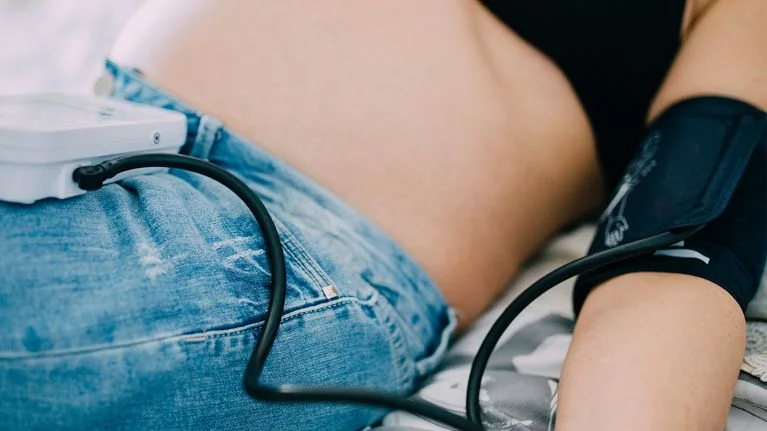
    • High blood pressure: Blood pressure readings above 140/90 mmHg are a defining characteristic.

    • Swelling: Sudden swelling in the hands, feet, or face can indicate fluid retention associated with high blood pressure.

    • Severe headaches: Persistent and severe headaches that do not improve with over-the-counter medications.

    • Changes in vision: Blurred or distorted vision, sensitivity to light, or temporary loss of vision can be caused by severe hypertension.

    • Nausea or vomiting: Unexplained nausea or vomiting may arise in some cases.

    If you experience any of these symptoms, it is crucial to consult with a healthcare professional at Lopmudra Hospital Pune as early diagnosis and treatment are essential for the health of both mother and child.


    Diagnosis of Gestational Hypertension

    Diagnosing gestational hypertension involves regular monitoring of blood pressure and overall health assessments during prenatal visits. Health care providers typically perform several evaluations:

    • B.P Monitoring: Routine blood pressure measurements are taken to detect any abnormalities.

    • Urinalysis: A urine test may be conducted to check for protein or other substances, which can indicate kidney issues associated with hypertension.

    • Blood tests: These tests help assess liver functions, kidney functions, and other markers related to hypertension.

    At Lopmudra Hospital, our specialists utilize advanced technology to monitor and diagnose gestational hypertension effectively, thereby ensuring optimal management of the condition.


    Treatment Options for Gestational Hypertension

    Managing gestational hypertension is critical to ensuring the health of both the mother and the baby. Treatment approaches vary depending on the severity of the condition and the time remaining in the pregnancy. Key treatment strategies include:

    • Monitoring: Regular monitoring of blood pressure and fetal health is essential. This may involve more frequent prenatal visits.

    • Lifestyle modifications: Women may be advised to follow a low-sodium diet, engage in moderate exercise, and manage stress to lower blood pressure.

    • Medications: In some cases, antihypertensive medications may be prescribed to control blood pressure levels. Commonly used medications include:

      Medication Dosage Purpose
      Methyldopa 250mg-2g daily Controls blood pressure effectively
      Labetalol 100mg-2400mg daily Safe for use in pregnancy
      Nifedipine 30mg-120mg daily Helpful for managing chronic hypertension
    • Hospitalization: In severe cases, hospitalization may be required for close monitoring and intervention.

    • Delivery: If gestational hypertension worsens, doctors may recommend early delivery to protect both the mother and child’s health.

    At Lopmudra Hospital Pune, we focus on personalized treatment plans tailored to each patient’s unique needs, ensuring effective management of gestational hypertension.


    Complications Associated with Gestational Hypertension

    If left untreated, gestational hypertension can lead to several complications, affecting both mother and baby. Key risks include:

    • Preeclampsia: A severe complication characterized by high blood pressure and damage to other organ systems, often leading to premature birth.

    • Placental abruption: The placenta may separate from the uterus, resulting in bleeding and potential harm to the fetus.

    • Fetal growth restriction: Babies may not receive adequate blood flow and nutrients, leading to low birth weight.

    • Long-term health issues: Women with gestational hypertension may have an increased risk of developing hypertension and cardiovascular disease later in life.

    Recognizing the warning signs and maintaining regular prenatal visits at Lopmudra Hospital is vital for early intervention and minimizing the risks associated with gestational hypertension.


    When to Seek Medical Attention

    Pregnant women should actively monitor their health and seek medical attention if they experience symptoms of gestational hypertension. Indicators of a need for immediate medical care may include:

    • Sudden, severe headaches that do not improve.

    • Visual disturbances, such as blurred or double vision.

    • Severe swelling of the face, hands, or feet.

    • Persistent nausea or vomiting without a clear cause.

    At Lopmudra Hospital Pune, we emphasize the importance of proactive healthcare and encourage patients to reach out with any concerns about their pregnancies. Your health and that of your baby are our top priority.


    Living with Gestational Hypertension: Tips for Expectant Mothers

    Navigating gestational hypertension can be challenging, but there are several strategies expectant mothers can implement to manage their health and anxiety throughout the pregnancy. Here are some practical tips:

    • Regular check-ups: Stay on top of prenatal appointments to monitor blood pressure and fetal growth.

    • Follow medical advice: Adhering to prescribed medications and recommended lifestyle changes is crucial.

    • Stay active within limits: Engage in gentle exercises approved by your healthcare provider to promote overall wellbeing.

    • Nutrition: Maintaining a balanced diet rich in fruits, vegetables, and whole grains can help manage weight and blood pressure.

    • Stress management: Techniques such as yoga, meditation, and deep breathing exercises can improve mental health and lower blood pressure.

    Our team at Lopmudra Hospital is dedicated to providing educational resources and support to help expectant mothers navigate the challenges of gestational hypertension. With the right care and patient engagement, mothers can have a healthier pregnancy experience.


    Conclusion: The Importance of Awareness and Management

    Gestational hypertension is a significant condition that requires careful monitoring and management to ensure the health and safety of both the mother and child. By understanding the causes, recognizing the symptoms, and seeking appropriate treatment, expectant mothers can reduce risks and promote positive outcomes. Consulting the best gynecologist for pregnancy hypertension in Pune is essential for optimal care and management.

    At Lopmudra Hospital, we pride ourselves on offering comprehensive maternity care services designed to support women throughout their pregnancy journey. Our expert obstetricians specialize in gestational hypertension treatment and other pregnancy-related concerns, ensuring that you receive the highest standard of care.

    For any further questions or to book an appointment, please contact us at +918087122022 or via WhatsApp at +918379033033. Together, we can work towards a healthier pregnancy experience.


    This article was written by Dr. Archana Salve, sharing insights based on professional experience in the field.

  • VBAC: Understanding the Benefits & Risks of Vaginal Birth After a C-Section | Lopmudra Hospital

    VBAC: Understanding the Benefits & Risks of Vaginal Birth After a C-Section | Lopmudra Hospital

    Vaginal Birth After A C-Section (VBAC): Understanding The Journey


    The choice between a vaginal birth and a cesarean section (C-section) has significant implications for many mothers. As more women seek to reclaim their childbirth experience, Vaginal Birth After C-Section (VBAC) has become an increasingly important topic. This blog provides comprehensive insights into the benefits and risks associated with VBAC, tailored for expectant mothers in Pune who are considering this option.

    At Lopmudra Hospital Chain, our dedicated team of obstetricians is committed to supporting women through their birth choices. With expertise in VBAC, our specialists ensure a patient-centered approach that prioritizes safety and empowers you to make informed decisions about your childbirth experience.


    What Is VBAC?

    VBAC stands for Vaginal Birth After Cesarean, which refers to the process of attempting a vaginal delivery after one or more previous C-sections. It’s important to note that VBAC is not guaranteed, as various factors can influence whether a successful vaginal birth is possible for individuals who have had cesarean deliveries before.

    Most women who’ve had a previous C-section may be candidates for VBAC, particularly if their prior surgeries were performed using a low-transverse incision—one of the safest types for future deliveries. The success rate for VBAC typically ranges from 60% to 80%, depending on individual circumstances such as the indication for the previous C-section and the length of time between pregnancies.


    Benefits of VBAC

    Choosing to pursue VBAC can offer several advantages, especially for mothers looking to experience labor and a vaginal delivery. Here are some of the key benefits of VBAC in Pune, particularly for those served by Lopmudra Hospital Chain:

    • Shorter Recovery Time: VBAC typically requires a shorter hospital stay and leads to faster recovery compared to a repeat C-section.

    • Lower Risk of Surgical Complications: Avoiding a major surgery reduces the risk of complications, such as infection and blood loss, that can occur during a C-section.

    • Enhanced Bonding: Vaginal births often facilitate immediate skin-to-skin contact and breastfeeding opportunities, strengthening the mother-infant bond.

    • Lower Rate of Future C-Sections: Successfully accomplishing a VBAC may reduce the chances of needing C-sections in subsequent pregnancies.


    Risks Associated with VBAC

    While VBAC can have many benefits, it is essential to understand the associated risks as well. Consulting a qualified healthcare provider, particularly one experienced in VBAC, is crucial for evaluating individual circumstances. Here are some risks of VBAC that patients in Pune should consider:

    • Uterine Rupture: The primary concern with VBAC is the possibility of uterine rupture, which can occur in about 0.5% to 1% of VBAC attempts, particularly in women who have had a classical C-section.

    • Increased Need for Emergency C-section: If complications arise during labor, there may be an urgent need for a C-section, which can lead to heightened stress for both the mother and the baby.

    • Potential for Longer Labor: Women attempting VBAC may experience longer labor compared to their prior C-sections, which can be challenging.


    Candidates for VBAC: Who Can Consider It?

    Understanding who can be a candidate for VBAC is crucial in making this decision. While not every woman who has had a Cesarean will qualify for a VBAC attempt, many do. Here are some factors that may qualify you:

    • Previous Low-Transverse Incision: Women who had a previous C-section with this incision style have a higher chance of successful VBAC.

    • No Previous Uterine Ruptures: This significantly enhances your chances of a successful VBAC delivery.

    • Healthy Pregnancy: A medically low-risk pregnancy is a strong indicator that VBAC may be appropriate.

    • Support from Healthcare Team: Availability of healthcare professionals who are experienced with VBAC is essential to ensure a safe attempt.


    Preparing for a VBAC

    If you and your healthcare provider decide that VBAC is a suitable option, preparation is key. Here are steps to ensure you are well-prepared for your VBAC journey:

    • Prenatal Care: Regular prenatal appointments are crucial for monitoring your health and the baby’s health, ensuring that any complications can be addressed proactively.

    • Choosing the Right Support Team: Select a healthcare provider skilled in VBAC who understands your desires and fears, fostering a collaborative relationship.

    • Education on Labor Signs: Understanding what to expect during labor can significantly help in managing the experience positively.


    Considerations Before Attempting VBAC

    Before proceeding with a VBAC attempt, it is vital to consider various factors. These considerations might include:

    • Previous Delivery Experience: Reflect on your past delivery experiences to evaluate how they may affect your VBAC journey.

    • Staying Informed: Clear communication with your healthcare team about the potential risks and benefits of a VBAC should be a priority.

    • Emotional Preparedness: Understanding the unpredictability of labor and delivery will allow you to manage expectations effectively.


    Conclusion

    The decision to attempt a VBAC is deeply personal and should be made with careful consideration and consultation with experienced healthcare providers. At Lopmudra Hospital Chain, we have a dedicated team of VBAC specialists in Pune who can guide you through this process thoroughly.

    Always remember that the primary focus is the safety and well-being of both mother and baby. Being prepared, informed, and supported can contribute to a successful VBAC experience.

    For more personalized care and detailed discussions regarding VBAC options, feel free to reach out to us at +918087122022 or visit our website to book an appointment. We are here to support you every step of the way.


    This article was written by Dr. Archana Salve, sharing insights based on professional experience in the field.

  • Postpartum Health: 3 Conditions to Monitor After Childbirth at Lopmudra Hospital

    Postpartum Health: 3 Conditions to Monitor After Childbirth at Lopmudra Hospital

    Understanding Postpartum Health: The Importance of Monitoring After Childbirth


    Postpartum health refers to the physical and emotional changes that occur after childbirth. While new mothers are generally focused on the joy of welcoming a child into the world, it’s crucial to remain vigilant about their health during this period. At Lopmudra Hospital Chain, we emphasize the importance of monitoring postpartum conditions to ensure both mother and baby thrive. This blog discusses three conditions to watch for after childbirth, helping new mothers understand warning signs and seek timely intervention.


    1. Postpartum Hemorrhage: A Critical Concern

    Postpartum hemorrhage (PPH) is defined as excessive bleeding following the birth of a baby. This condition is considered a serious complication, requiring immediate medical attention. According to the World Health Organization (WHO), PPH is a leading cause of maternal mortality and can occur after a vaginal birth or a cesarean section.

    Causes:
    Several factors contribute to PPH, including:

    • Uterine atony: The uterus fails to contract effectively after childbirth, leading to significant blood loss.
    • Trauma: Lacerations to the cervix or vagina during delivery can result in additional bleeding.
    • Retained placenta: If parts of the placenta remain in the uterus post-delivery, it can lead to ongoing bleeding.

    Symptoms:
    New mothers should be vigilant for the following warning signs:

    • Excessive bleeding: Soaking through one or more pads in an hour.
    • Dizziness or faintness, which may indicate low blood pressure due to blood loss.
    • Rapid heart rate, often a compensatory mechanism in response to low blood volume.

    Treatment:
    Initial treatment involves methods to control bleeding, which may include:

    • Medications to contract the uterus.
    • IV fluids and blood transfusions if necessary.
    • Surgical interventions may be required in severe cases.

    It’s vital for postpartum mothers to seek immediate medical help if they experience any signs of PPH. Our experienced gynecology specialists in Pune provide comprehensive care for this condition, ensuring prompt and effective treatment.


    2. Postpartum Depression: Recognizing the Signs

    Postpartum depression (PPD) is a serious mental health condition that affects approximately 10-20% of new mothers. It can develop within weeks after delivery and may last months if left untreated. Unlike the “baby blues,” which many mothers experience shortly after childbirth, PPD is more intense and persistent.

    Causes:
    The causes of PPD are multifactorial and can include:

    • Hormonal changes: Significant shifts in hormone levels after birth can affect mood.
    • Psychosocial factors: Stress, fatigue, and the pressure to care for a newborn can contribute to feelings of being overwhelmed.
    • Previous mental health issues: A history of depression or anxiety may increase the likelihood of developing PPD.

    Symptoms:
    PPD manifests through a variety of symptoms, including:

    • Persistent sadness or low mood.
    • Loss of interest or pleasure in activities.
    • Feelings of worthlessness or inadequacy.
    • Social withdrawal.
    • Difficulty concentrating or making decisions.
    • Changes in sleeping or eating patterns.

    Treatment:
    Addressing PPD is essential for the well-being of both mother and baby. Treatment options may include:

    • Counseling or psychotherapy: Cognitive-behavioral therapy (CBT) is often effective.
    • Medications: Antidepressants may be prescribed in some cases.
    • Support groups: Connecting with other mothers experiencing similar challenges can be helpful.

    If you or someone you know is experiencing symptoms of postpartum depression, don’t hesitate to reach out for support. At Lopmudra Hospital Chain, we provide maternity care in Pune that includes comprehensive mental health evaluations and resources.


    3. Breastfeeding Challenges: Understanding and Overcoming Obstacles

    Breastfeeding can be a rewarding experience for mothers and infants alike; however, it’s not without its challenges. Issues such as nipple pain, breast engorgement, and difficulty latching can make breastfeeding a daunting task for many new mothers.

    Causes of Challenges:
    Breastfeeding difficulties may arise for various reasons:

    • Poor latch: An incorrect latch can cause discomfort and hinder effective milk transfer.
    • Nipple pain or damage: Conditions such as thrush or cracked nipples can make breastfeeding painful.
    • Low milk supply: Some mothers may struggle to produce adequate milk due to hormonal issues or stress.

    Symptoms:
    Common signs that indicate breastfeeding may not be going as smoothly as desired include:

    • Infant weight loss or failure to gain weight appropriately.
    • Breast pain or discomfort that persists.
    • Frequent fussiness in the infant after feedings.

    Treatment:
    Overcoming breastfeeding challenges often requires the right support and guidance:

    • Lactation consultation: Seeking help from a lactation consultant can provide individualized solutions.
    • Techniques for enhancing the latch: Understanding the mechanics of breastfeeding can lead to a better experience.
    • Support groups: Engaging with other new mothers can provide encouragement and practical advice.

    At Lopmudra Hospital’s maternity services, we offer comprehensive support for breastfeeding, equipping new mothers with the knowledge and confidence to succeed.


    Maintaining Vigilance: Follow-Up Care and Support

    After giving birth, it is vital for new mothers to have a dedicated support system in place, including healthcare professionals and family members. Regular check-ups and follow-up appointments can help monitor postpartum health and address any issues promptly. During these visits, healthcare providers will typically:

    • Assess physical recovery and healing.
    • Discuss emotional well-being and screen for conditions like postpartum depression.
    • Provide guidance on infant care and breastfeeding support.

    Remember, seeking help is not a sign of weakness; it’s an essential part of maintaining health and wellness postpartum. Families should facilitate open communication and support each other during this crucial time, ensuring that the transition into motherhood is as smooth as possible.


    Conclusion: Empowering New Mothers Through Awareness

    The postpartum period is a transformative time for new mothers, filled with joy and challenges. By staying informed about potential postpartum conditions, mothers will be better equipped to recognize symptoms early and seek appropriate care. The key to a successful postpartum recovery lies in awareness, timely intervention, and robust support. At Lopmudra Hospital, we are dedicated to promoting maternal health and providing exceptional care with compassion. If you have questions about postpartum care or require assistance, please contact us at +918087122022. We are here to support you every step of the way.

    This article was written by Dr. Archana Salve, sharing insights based on professional experience in the field.

  • Postpartum Hypertension Guide: Essential Information for New Mothers from Lopmudra Hospital

    Postpartum Hypertension Guide: Essential Information for New Mothers from Lopmudra Hospital

    Postpartum Hypertension: What New Mothers Should Know


    The period following childbirth is often filled with joy, excitement, and a multitude of adjustments as new mothers navigate their new roles. However, it can also be accompanied by various health challenges, one of which is postpartum hypertension. Understanding this condition is crucial for the well-being of new mothers and their families. At Lopmudra Hospital Chain, we prioritize the health of new mothers and aim to provide comprehensive care tailored to their needs. This blog will explore what postpartum hypertension is, its symptoms, causes, treatment options, and essential preventive measures.


    Understanding Postpartum Hypertension

    Postpartum hypertension refers to elevated blood pressure that occurs after childbirth. This condition can arise within the first few days to weeks after delivery and can range from mild to severe. It is essential to differentiate postpartum hypertension from other related conditions, such as gestational hypertension and preeclampsia, which can also occur during pregnancy.

    Studies show that approximately 5% to 10% of women experience postpartum hypertension, highlighting the importance of awareness and monitoring for new mothers. Recognizing the signs and symptoms early can significantly impact treatment and recovery, making knowledge about this condition vital for any new mother.


    Causes of Postpartum Hypertension

    The exact cause of postpartum hypertension is not entirely understood, but several risk factors have been identified. These include:

    • Previous History: Women who had hypertension or preeclampsia in previous pregnancies are at a higher risk.

    • Multiple Pregnancies: Carrying twins or more can increase the incidence of high blood pressure.

    • Obesity: Being overweight or obese can contribute to higher blood pressure both during and after pregnancy.

    • Age: Women over the age of 35 may be more susceptible to developing hypertension postpartum.

    • Certain Health Conditions: Underlying health issues, such as kidney disease or autoimmune disorders, can also be influential.

    Understanding these risk factors is critical for early intervention and management, especially for new mothers receiving care at our hospital in Pune, renowned for postpartum hypertension treatment.


    Symptoms of Postpartum Hypertension

    Identifying the symptoms of postpartum hypertension is crucial since many new mothers may mistake them for typical postpartum experiences. Common symptoms include:

    • Elevated Blood Pressure: It is often identified through routine check-ups, usually defined as a systolic (top number) reading of 140 mm Hg or higher.

    • Severe Headaches: Persistent headaches that do not respond to over-the-counter pain relief can be a significant indicator.

    • Visual Disturbances: Blurry vision or spots can occur, suggesting increased pressure on the brain.

    • Chest Pain: Women experiencing chest discomfort or angina should seek immediate medical attention.

    • Shortness of Breath: Difficulty in breathing can be a serious complication associated with high blood pressure.

    New mothers should understand that if they experience any of these symptoms, especially within the first weeks postpartum, it’s crucial to consult with a healthcare provider promptly.


    Diagnosis and Monitoring

    The diagnosis of postpartum hypertension typically involves regular monitoring of blood pressure during and after the postpartum period. At Lopmudra Hospital, our gynecology specialists employ comprehensive health evaluations to ensure the safety and well-being of new mothers. Diagnostic procedures may include:

    • Blood Pressure Monitoring: Regular checks are crucial, especially if a woman has risk factors for hypertension.

    • Urinalysis: Testing urine for protein can help determine if there is an issue related to kidney function.

    • Blood Tests: Evaluating metabolic health gives healthcare providers insight into a woman’s overall health post-delivery.

    Continuous monitoring is vital, especially during follow-up visits, to ensure any abnormalities are detected early and managed appropriately.


    Treatment Options for Postpartum Hypertension

    Treatment for postpartum hypertension may range depending on the severity of the condition. At Lopmudra Hospital, we focus on personalized care, ensuring that new mothers receive treatment tailored to their specific needs. Treatment options include:

    • Lifestyle Changes: Modifications such as adopting a heart-healthy diet, engaging in regular exercise, and managing stress levels are foundational to managing high blood pressure.

    • Medications: Doctors may prescribe antihypertensive medications to help lower blood pressure safely. Common options include diuretics, ACE inhibitors, and beta-blockers.

    • Regular Monitoring: Regular visits allow healthcare providers to continuously evaluate and adjust treatment plans as necessary.

    It is essential for new mothers to consult with their healthcare provider regarding the potential side effects of any prescribed medications, especially while breastfeeding.


    Preventive Measures for New Mothers

    While postpartum hypertension can occur due to various factors, certain preventive measures can help mitigate risk. Consider the following:

    • Maintain a Healthy Lifestyle: Balanced nutrition and regular exercise can be preventive measures. A well-rounded diet rich in fruits, vegetables, lean proteins, and whole grains can support heart health.

    • Avoiding Excessive Salt: High sodium intake can raise blood pressure, so limiting salt is beneficial.

    • Stay Educated: Knowledge about postpartum hypertension and its implications can empower women to take proactive measures in monitoring their health.

    • Follow-Up Appointments: Attending recommended follow-up visits with healthcare providers to monitor blood pressure and overall health can help catch any potential issues early.

    By prioritizing health and staying informed, new mothers can significantly reduce their risk of postpartum hypertension and contribute positively to their recovery journey.


    The Importance of Professional Care for High Blood Pressure After Delivery

    Seeking professional healthcare services is critical for managing high blood pressure after delivery. At Lopmudra Hospital, we provide top-rated maternity services in Pune and are recognized for our postpartum hypertension specialists who are dedicated to improving the health and wellness of new mothers. Our caring and experienced team offers compassionate support, combining clinical excellence with patient-centered care.

    We encourage new mothers in Pune to contact us for any concerns regarding their postpartum health, including high blood pressure. Prompt intervention and support can dramatically enhance quality of life and recovery.


    Conclusion: Empowering New Mothers

    Understanding and managing postpartum hypertension is an essential element of the postpartum care journey. It is vital for new mothers to advocate for their health by recognizing symptoms, adhering to treatment, and maintaining regular communication with their healthcare providers. At Lopmudra Hospital, we are committed to providing comprehensive maternity services to ensure the best health outcomes for new mothers and their families.

    As a healthcare institution dedicated to empowering women’s health, we remind you that help is always available. Don’t hesitate to reach out to us at +918087122022 or visit our website at Lopmudra Hospitals to schedule an appointment. Together, we can navigate the path to better health and well-being for you and your newborn.


    This article was written by Dr. Archana Salve, sharing insights based on professional experience in the field.