
Understanding the Differences Between Asthma and COPD
Asthma and Chronic Obstructive Pulmonary Disease (COPD) are two chronic respiratory conditions that affect millions of individuals around the globe. Despite sharing some similarities, they are distinct disorders that require different management strategies. In this blog post, we will delve into the essential differences between asthma and COPD, highlighting their causes, symptoms, treatment options, and how our team at Lopmudra Hospital Chain in [City] can help you manage these conditions effectively.

ı What is Asthma?
Asthma is a chronic inflammatory disease of the airways that leads to difficulty breathing, coughing, and wheezing. It can develop at any age but often begins during childhood. The inflammation in the airways causes them to swell, making it difficult for air to flow in and out of the lungs. Common triggers for asthma attacks include allergens, respiratory infections, exercise, cold air, and tobacco smoke.
According to the World Health Organization (WHO), an estimated 262 million people globally were affected by asthma in 2019, with approximately 461,000 deaths attributed to the condition. In [City], rising pollution levels and increasing allergens have contributed to an uptick in asthma cases, highlighting the importance of understanding and managing the disease.
.webp)
ı What is COPD?
Chronic Obstructive Pulmonary Disease (COPD) encompasses a group of progressive lung diseases, including emphysema and chronic bronchitis, characterized by persistent respiratory symptoms and airflow limitation. COPD is primarily caused by long-term exposure to irritating gases or particulate matter, most commonly tobacco smoke. Unlike asthma, which can be reversible, COPD’s progression typically worsens over time.
According to the Global Initiative for Chronic Obstructive Lung Disease (GOLD), over 300 million people worldwide suffer from COPD. In [City], the prevalence of COPD is on the rise due to smoking habits and environmental factors, emphasizing the need for early diagnosis and effective treatment plans tailored by healthcare specialists.
ı Causes and Risk Factors
Asthma: The causes of asthma can vary, but common risk factors include:
- Genetic predisposition: Family history of asthma or allergies can increase the likelihood of developing asthma.
- Environmental factors: Allergens such as pollen, pet dander, and mold can trigger asthma symptoms.
- Occupational exposure: Certain jobs that expose individuals to dust, fumes, or chemicals may increase asthma risk.
- Respiratory infections: Viral infections in childhood can predispose to asthma development.
COPD: The primary risk factor for COPD is long-term smoking. Other significant factors include:
- Exposure to secondhand smoke: Individuals exposed to smoke from others are at increased risk for developing COPD.
- Occupational hazards: Long-term exposure to dust, chemicals, and fumes can lead to respiratory problems.
- Air pollution: High levels of air pollution and poor indoor air quality can contribute to COPD.
- Age: COPD is more common in people over the age of 40.
ı Symptoms Comparison
| Symptom | Asthma | COPD |
|---|---|---|
| Coughing | Often frequent at night or early morning, can be dry or produce mucus. | Chronic cough that lasts most days and produces mucus. |
| Wheezing | Common, especially during asthma attacks. | Wheezing may occur but is less common than in asthma. |
| Shortness of Breath | May vary; can occur during an asthma attack or when exercising. | Progressive shortness of breath, especially during physical activities. |
| Tightness in Chest | Common during asthma attacks. | May occur, especially during physical exertion. |
ı Diagnosis: How Are Asthma and COPD Diagnosed?
Accurate diagnosis is crucial for both asthma and COPD, as treatments and management plans differ significantly. At Lopmudra Hospital Chain, our healthcare specialists in [City] use various diagnostic tools and methods to determine the correct condition.
- Medical History: A thorough evaluation of your medical history and symptom review is the first step.
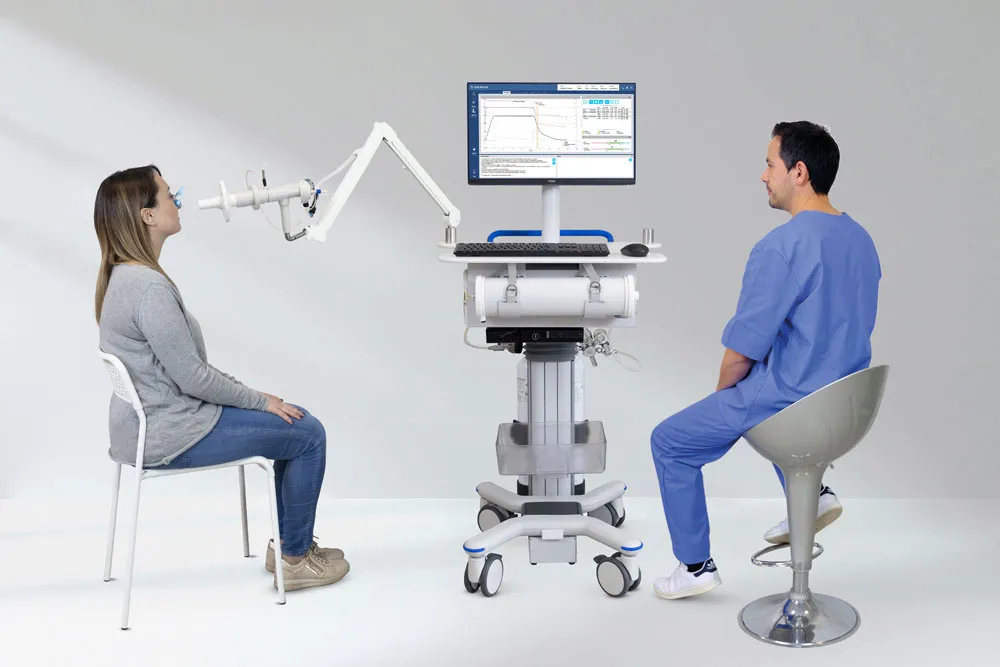
- Pulmonary Function Tests (PFTs): These tests measure lung function and include spirometry to determine airflow limitation.
- Chest X-ray or CT Scan: Imaging studies can help visualize lung structures and rule out other conditions.
- Allergy Testing: Identifying triggers for asthma may involve allergy tests to determine allergen sensitivity.
The combination of these diagnostic evaluations allows our specialists to differentiate between asthma and COPD and tailor a personalized treatment plan to meet your specific needs.
ı Treatment Options
Treating asthma and COPD involves various strategies aimed at managing symptoms and improving the quality of life. Here’s a breakdown of common treatment options for each condition:
| Treatment Type | Asthma | COPD |
|---|---|---|
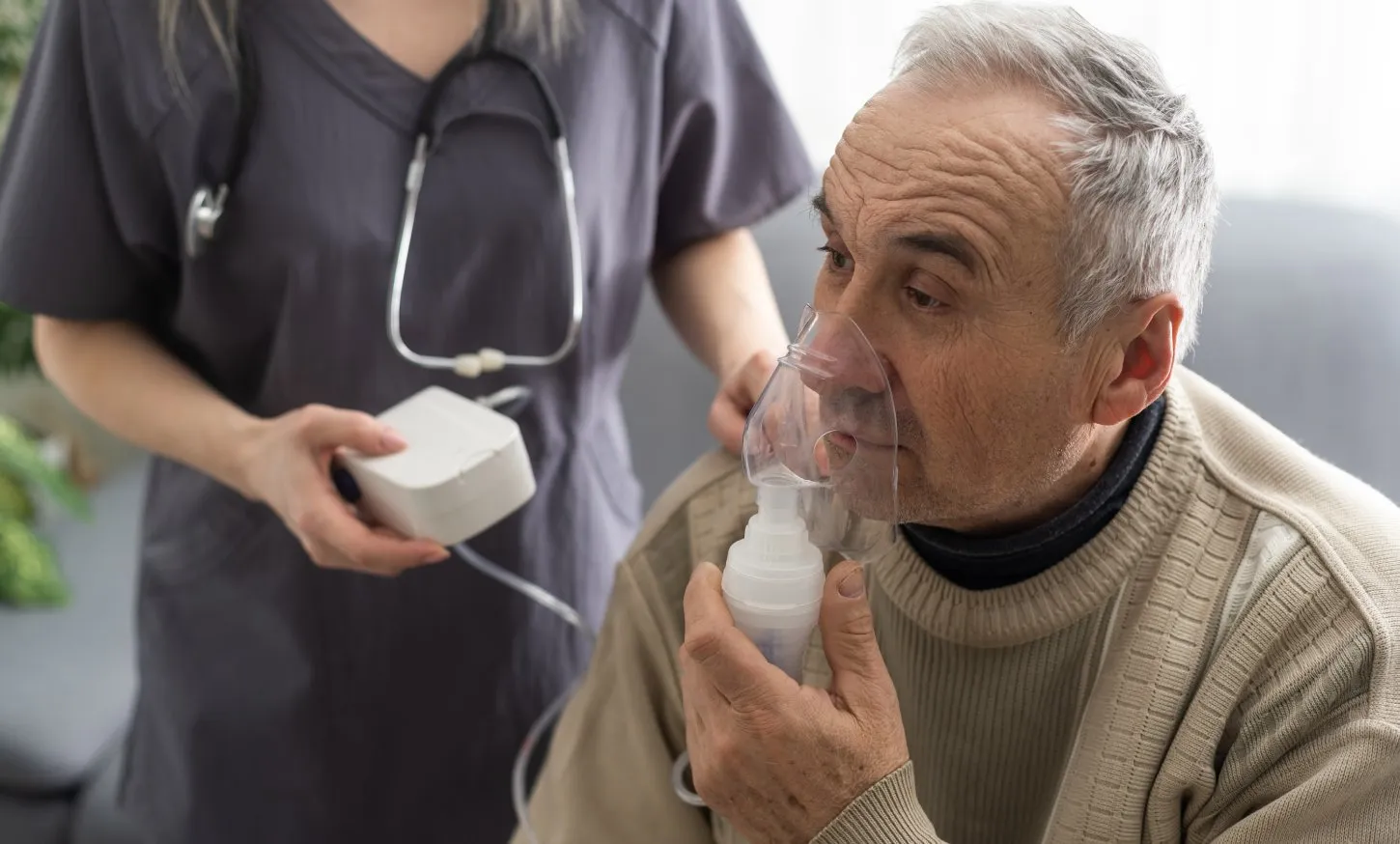
| Medications | Inhalers (both relievers and controllers), oral corticosteroids. | Bronchodilators, corticosteroids, and combination inhalers. |
| Long-Term Management | Regular monitoring, asthma action plan. | Regular follow-ups, pulmonary rehabilitation. |
| Allergen Management | Avoidance of known triggers, allergy medications. | Quit smoking and avoid irritants; home air quality improvements. |
Both conditions require commitment to treatment; however, with appropriate management, patients can experience improved lung function and a better quality of life.
ı Living with Asthma or COPD
Living with asthma or COPD can present challenges, but with effective education and support, it is possible to manage symptoms successfully. Here are some strategies that can help:
- Medication Adherence: Always follow your healthcare provider’s instructions regarding medications and treatment plans.
- Avoiding Triggers: Stay vigilant in avoiding known allergens or irritants that may exacerbate your condition.
- Regular Exercise: Engage in physical activities as recommended by your healthcare provider to strengthen lung function.
- Education and Awareness: Learn about your condition, proper inhaler technique, and how to manage acute episodes effectively.
- Regular Check-ups: Schedule routine appointments with your healthcare provider to monitor your lung health and medication effectiveness.
At Lopmudra Hospital Chain, we offer specialized programs that provide essential educational resources and support for patients living with asthma and COPD in [City].
ı Conclusion
In summary, while asthma and COPD share some symptoms and characteristics, they are significantly different conditions that require distinct treatment approaches. Understanding these differences is crucial for effective management and improved quality of life for individuals affected by either disorder. If you or a loved one is struggling with asthma or COPD, don’t hesitate to consult with our expert healthcare specialists at Lopmudra Hospital Chain in [City]. We are committed to offering specialized healthcare services and support tailored to your unique needs.


.webp)
.webp)