
Category: Uncategorized

  • Understanding COPD: Symptoms, Treatment, and Care at Lopmudra Hospital

    Understanding COPD: Symptoms, Treatment, and Care at Lopmudra Hospital

    What it Means to Be Sick with COPD


    Chronic Obstructive Pulmonary Disease (COPD) is a progressive lung disease characterized by increasing breathlessness and difficulty in breathing. It encompasses two main conditions: emphysema and chronic bronchitis. If you or a loved one has been diagnosed with COPD, understanding the intricacies of this condition can empower you to better manage symptoms and improve quality of life. At Lopmudra Hospital Chain, our pulmonologists are dedicated to providing comprehensive health services in [City], ensuring that patients receive personalized care tailored to their needs.


    Understanding the Causes of COPD

    COPD is primarily caused by prolonged exposure to harmful substances that irritate and damage the lungs. The most notable culprit is cigarette smoking, which is responsible for approximately 85-90% of COPD cases. Other contributing factors include:

    • Air Pollution: Long-term exposure to pollutants such as industrial emissions and vehicle smoke can increase the risk of developing COPD.
    • Occupational Hazards: Exposure to dust, chemicals, and fumes in some workplaces can lead to respiratory problems over time.
    • Genetic Factors: A rare genetic disorder known as Alpha-1 Antitrypsin Deficiency can also lead to COPD.

    By understanding these causes, individuals can take proactive measures, such as smoking cessation and minimizing exposure to pollutants, to help prevent or slow the progression of COPD.


    Recognizing COPD Symptoms

    The symptoms of COPD often develop gradually and can be easily overlooked in the early stages. Common symptoms include:

    • Persistent Cough: Often referred to as a “smoker’s cough,” it may be the first indicator of COPD.
    • Shortness of Breath: Initially occurring during physical activity, this can progress to breathlessness during rest.
    • Excess Mucus Production: Chronic production of sputum may contribute to discomfort and exacerbate breathing difficulties.
    • Fatigue: Individuals may feel overwhelmed by fatigue due to reduced oxygen flow throughout the body.

    If you experience these symptoms, consulting with one of the pulmonology specialists at Lopmudra Hospital can significantly aid in early diagnosis and management.


    Diagnosis Process for COPD

    Diagnosing COPD typically involves a comprehensive evaluation that includes a detailed medical history, physical examination, and specific diagnostic tests. These tests may include:

    • Pulmonary Function Tests (PFTs): These tests measure lung function, assessing how well air moves in and out of the lungs.
    • Chest X-ray or CT Scan: Imaging tests help visualize any damage to the lungs and are crucial for diagnosis.
    • Arterial Blood Gas Analysis: This test determines the levels of oxygen and carbon dioxide in the blood.

    Based on the results of these evaluations, healthcare providers can determine the severity of the disease and recommend the best treatment options.


    Treatment Options for COPD

    Though there is no cure for COPD, various treatment options can effectively manage symptoms and improve quality of life. These may include:

    • Medications: Bronchodilators and corticosteroids are commonly prescribed to reduce inflammation and widen air passages.
    • Pulmonary Rehabilitation: A structured program that includes exercise training, nutritional guidance, and education helps patients manage their condition.
    • Oxygen Therapy: For patients with low oxygen levels, supplemental oxygen can improve breathing and daily function.

    Each treatment plan is highly personalized, allowing healthcare providers at Lopmudra Hospital Chain to cater to the specific needs of their patients based on their unique symptoms and health status.


    Lifestyle Changes to Manage COPD

    Adopting certain lifestyle changes can significantly impact the quality of life for individuals living with COPD. These include:

    • Quitting Smoking: If you’re a smoker, quitting is the most critical step you can take to slow the disease’s progression.
    • Staying Active: Engage in moderate exercise to improve overall lung health and increase endurance.
    • Healthy Diet: A balanced diet rich in fruits, vegetables, whole grains, and lean proteins can enhance overall well-being.
    • Avoiding Lung Irritants: Limit exposure to allergens and pollutants, and ensure proper ventilation in your living space.

    Regular check-ups and maintaining a strong support network can further enhance self-management and emotional well-being.


    The Importance of Vaccinations for COPD Patients

    Individuals with COPD are at higher risk for respiratory infections. Vaccinations play a key role in preventing complications. Recommended vaccines include:

    • Influenza Vaccine: An annual flu shot can prevent serious illnesses caused by seasonal flu viruses.
    • Pneumococcal Vaccine: This vaccine protects against pneumonia, a potential danger for those with compromised lung function.

    Healthcare providers at Lopmudra Hospital Chain can help you determine an appropriate vaccination schedule tailored to your condition.


    Coping with the Emotional Impact of COPD

    Living with COPD can be challenging, not only physically but also emotionally. Patients often experience feelings of anxiety or depression due to the disease’s impact on their lifestyle. Engaging in activities that promote mental wellness and joining support groups can be beneficial in navigating these challenges.

    Here are some ways to bolster emotional resilience:

    • Seek Professional Help: Mental health professionals can provide coping strategies specifically tailored for chronic illness.
    • Connect with Support Groups: Sharing experiences with others facing similar challenges can provide comfort and understanding.
    • Practice Relaxation Techniques: Techniques such as deep breathing, meditation, and yoga can help reduce anxiety levels.

    At Lopmudra Hospital Chain, we understand the holistic needs of our patients and offer resources for both physical and emotional support.


    Conclusion: Navigating Life with COPD

    Living with Chronic Obstructive Pulmonary Disease may present challenges, but with the right knowledge, support, and healthcare, individuals can lead fulfilling lives. By understanding the disease, its management strategies, and how to make meaningful lifestyle changes, you can take proactive steps towards better health.

    If you or a loved one is struggling with the symptoms of COPD, don’t hesitate to reach out to Lopmudra Hospital Chain. Our dedicated team is here to provide comprehensive care to help you manage your condition effectively. Book an appointment today at our website or contact us at +918087122022 or 918379033033.


    This article was written by Dr. Sneha Tirpude, sharing insights based on professional experience in the field.


  • Understanding Spirometry: A Key Lung Function Test Explained for Better Health

    Understanding Spirometry: A Key Lung Function Test Explained for Better Health

    What is a Spirometry Test?


    A spirometry test is a common pulmonary function test that measures how much air you can inhale and exhale, as well as how quickly you can do so. This test is crucial for diagnosing conditions like asthma, chronic obstructive pulmonary disease (COPD), and other disorders affecting lung function. At Lopmudra Hospital Chain, we conduct spirometry tests with precision to help in the diagnosis and management of respiratory ailments.

    The procedure is non-invasive and can be performed in a clinical setting. Utilizing a device called a spirometer, this test records the amount of air inhaled and exhaled over time. Our medical professionals explain the procedure thoroughly to ensure patients feel comfortable and informed before undergoing the test.


    Why Is Spirometry Important?

    Spirometry plays an essential role in the medical field due to its ability to provide critical insights into lung health. It is often the first step in diagnosing various respiratory conditions, enabling clinicians to establish a starting point for treatment.

    Additionally, spirometry helps in:

    • Monitoring lung disease progression: Regular spirometry tests can track changes in lung function over time, aiding in the management of chronic diseases such as asthma and COPD.

    • Evaluating the effectiveness of treatment: By assessing lung function, doctors can adjust treatments based on how well a patient is responding to medication or other therapeutic interventions.

    • Pre-operative assessment: Spirometry helps evaluate a patient’s respiratory status before undergoing major surgical procedures, facilitating better planning and reducing risks.

    At Lopmudra Hospital Chain, our healthcare providers are dedicated to ensuring that our spirometry tests provide comprehensive insights into your respiratory health.


    Preparing for the Spirometry Test

    Proper preparation is key to obtaining accurate spirometry results. At Lopmudra Hospital Chain, we advise our patients on the best practices to follow before their appointments.

    Here are some recommendations:

    • Avoid smoking: You should refrain from smoking for at least 24 hours before the test, as it can temporarily affect lung function.

    • Medications: Discuss all medications (including inhalers) with your healthcare provider, as certain drugs might need to be paused to ensure accurate results.

    • Avoid heavy meals: Eating a large meal shortly before testing can restrict your lungs and lead to misleading results. A light snack is preferable.

    • Clothing: Wear loose-fitting clothes that allow freedom of movement, especially around the chest area.

    Following these guidelines can help improve the accuracy of your spirometry results. Our team at Lopmudra Hospital Chain ensures that you receive clear instructions tailored to your needs.


    The Spirometry Testing Procedure

    The spirometry procedure is typically quick and straightforward, taking anywhere from 15 minutes to half an hour. Upon arrival at Lopmudra Hospital Chain, our respiratory therapists or technicians will guide you through each step, ensuring a comfortable experience.

    Here’s what you can expect during the procedure:

    • Initial setup: You will be asked to sit upright in a chair. A small clip will be placed on your nose to ensure that all air flows through your mouth.

    • The spirometer: A mouthpiece connected to the spirometer will be given to you, which you must seal tightly with your lips.

    • Breathing instructions: You will be instructed to take a deep breath, then exhale as hard and fast as possible until your lungs are completely empty. This may be repeated several times to obtain reliable measurements.

    After the test, the physician will review the results with you, detailing lung capacity and airflow rate. In case further tests are needed, we will coordinate accordingly to ensure comprehensive care.


    Understanding Spirometry Results

    Spirometry results are interpreted with the help of standardized measures known as predicted values. These values consider factors such as age, sex, height, and ethnicity. Your healthcare provider will compare your results to the predicted values to determine any potential lung function issues.

    The primary measurements include:

    • Forced Vital Capacity (FVC): This is the total amount of air exhaled forcefully after taking the deepest breath possible. It provides insight into lung capacity.

    • Forced Expiratory Volume in 1 Second (FEV1): This represents the volume of air exhaled in the first second of the FVC maneuver, indicating how quickly you can exhale.

    • FEV1/FVC Ratio: This ratio is crucial for diagnosing conditions like asthma and COPD. A lower ratio indicates obstruction in the airways, while a normal or high ratio suggests restrictive lung disease.

    Based on your spirometry results, our medical team will create a tailored care plan at Lopmudra Hospital Chain that addresses your specific lung health needs.


    Common Conditions Detected by Spirometry

    Spirometry is instrumental in identifying various respiratory conditions, such as:

    • Asthma: A chronic condition where the airways become inflamed, causing difficulty in breathing. Spirometry can help track symptoms and response to treatment.

    • Chronic Obstructive Pulmonary Disease (COPD): A progressive lung disease characterized by difficulty in breathing, chronic cough, and sputum production. Spirometry helps monitor disease severity.

    • Interstitial Lung Disease: A group of lung diseases affecting the interstitium, the tissue and spaces around the air sacs, often resulting in scarring, leading to breathing difficulties.

    Identifying these conditions early through spirometry allows for timely interventions and improved management strategies to enhance your quality of life. Our experts at Lopmudra Hospital Chain advocate for proactive lung health measures to reduce complications down the road.


    Post-Test Care and Management

    After completing your spirometry test, there are typically no specific post-test requirements. You can return to your usual activities immediately. However, it’s essential to discuss your results with your healthcare provider at Lopmudra Hospital Chain to understand any necessary next steps based on your lung function insights.

    Here are some aspects to consider in post-test care:

    • Follow-up appointments: Ensure you attend any subsequent appointments to discuss your lung health and any further tests that may be required.

    • Medication management: If you have a diagnosis, it’s crucial to adhere to your prescribed medications and inhalers as directed.

    • Lifestyle changes: Whether it’s quitting smoking, engaging in bag exercises, or taking preventative measures, these adaptations can significantly improve lung health.

    Maintaining communication with your healthcare provider improves overall health management and outcomes long after the spirometry test.


    Conclusion

    Understanding your lung health is integral to your overall well-being, and a spirometry test is an effective way to monitor and maintain it. At Lopmudra Hospital Chain, we are committed to providing comprehensive respiratory care, ensuring that our patients have access to the necessary tools for managing their lung health adequately.

    If you believe you might benefit from a spirometry test or would like more information about lung health, please don’t hesitate to contact us at +918087122022 or WhatsApp: +918379033033. Our expert team is ready to assist you in every step of your healthcare journey.


    This article was written by Dr. Sneha Tirpude, sharing insights based on professional experience in the field.
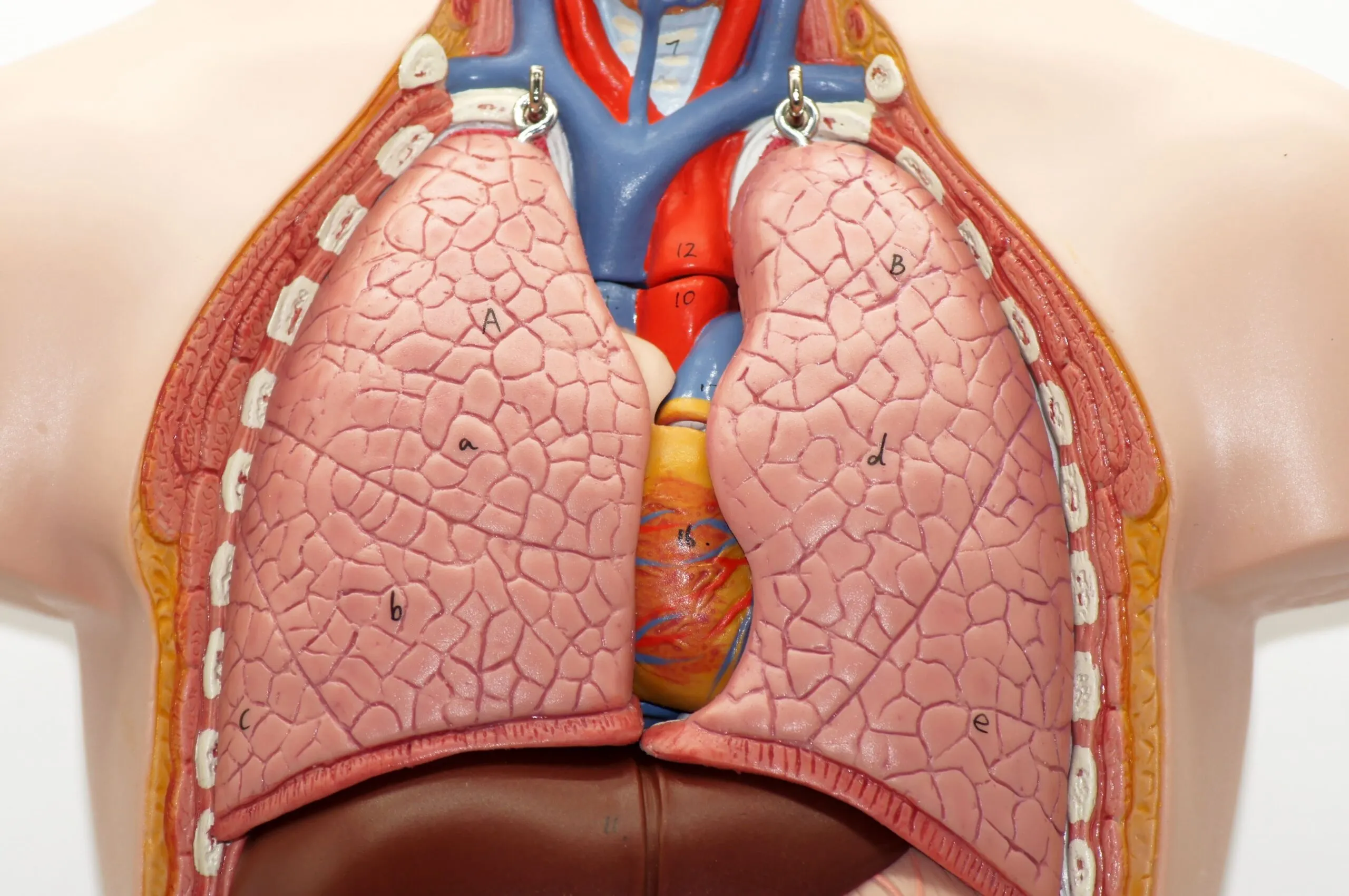
  • Understanding Interstitial Lung Disease vs COPD: Key Differences and Treatments at Lopmudra Hospital

    Understanding Interstitial Lung Disease vs COPD: Key Differences and Treatments at Lopmudra Hospital

    Is interstitial lung disease the same as COPD?


    Respiratory illnesses can be complex and often overlap in symptoms and characteristics. Among these, Interstitial Lung Disease (ILD) and Chronic Obstructive Pulmonary Disease (COPD) are two commonly confused conditions. This blog aims to explore the distinctions between ILD and COPD, focusing on their definitions, causes, symptoms, treatment options, and the importance of seeking specialized care. Understanding these differences can help patients make informed decisions regarding their health and treatment options, especially at esteemed institutions like Lopmudra Hospital Chain, known for providing the best healthcare services in India.


    What is interstitial lung disease (ILD)?

    Interstitial Lung Disease refers to a vast array of lung diseases that primarily affect the interstitium, which is the tissue and space around the air sacs of the lungs. This condition can result from various causes, including autoimmune disorders, infections, and prolonged exposure to hazardous materials. ILD is characterized by inflammation and scarring (fibrosis) of the lung tissue, leading to respiratory symptoms and reduced lung function.

    • Causes of ILD:
      • Autoimmune diseases (e.g., rheumatoid arthritis, scleroderma)
      • Environmental factors (e.g., asbestos, silica)
      • Medications and radiation therapy
      • Idiopathic pulmonary fibrosis (unknown causes)
    • Symptoms of ILD:
      • Shortness of breath, especially during exertion
      • Persistent dry cough
      • Chest discomfort
      • Fatigue and weight loss

    Individuals experiencing symptoms of ILD should seek consultation with specialists such as those at the Lopmudra Hospital Chain for accurate diagnosis and management.


    What is chronic obstructive pulmonary disease (COPD)?

    Chronic Obstructive Pulmonary Disease (COPD) is a progressive lung disease that encompasses conditions such as chronic bronchitis and emphysema. COPD is primarily caused by long-term exposure to harmful substances, predominantly tobacco smoke. The condition is marked by airflow limitation, which can significantly impair lung function, making breathing progressively more difficult.

    • Causes of COPD:
      • Smoking and second-hand smoke exposure
      • Long-term exposure to irritating gases and pollutants
      • Genetic factors (e.g., alpha-1 antitrypsin deficiency)
    • Symptoms of COPD:
      • Chronic cough, often with mucus production
      • Wheezing or whistling sound when breathing
      • Shortness of breath, especially during physical activities
      • Frequent respiratory infections

    Patients with symptoms of COPD are encouraged to consult with healthcare professionals at Lopmudra Hospital for optimal management and treatment options.


    Key differences between ILD and COPD

    Although both ILD and COPD are serious respiratory conditions, they differ in terms of their underlying mechanisms, symptoms, and treatment approaches. Below is a comparative overview showcasing these distinctions.

    Characteristic Interstitial Lung Disease (ILD) Chronic Obstructive Pulmonary Disease (COPD)
    Definition Group of disorders affecting lung interstitium Progressive disease including chronic bronchitis and emphysema
    Main Causes Autoimmune disorders, environmental factors Smoking, air pollution
    Symptoms Dry cough, shortness of breath, weight loss Chronic cough, wheezing, frequent infections
    Diagnosis Methods Pulmonary function tests, imaging tests, lung biopsy Pulmonary function tests, chest X-ray, CT scans
    Treatment Options Corticosteroids, antifibrotic medications, oxygen therapy Bronchodilators, corticosteroids, pulmonary rehabilitation

    This table illustrates that while both conditions may result in similar symptoms like shortness of breath, they stem from different causes and require distinct treatment approaches. An accurate diagnosis is critical for effective management.


    Diagnosing ILD and COPD

    Diagnosis is an essential step in managing both ILD and COPD. Medical professionals perform a thorough assessment, including:

    • Medical History: A detailed account of symptoms, exposure history (e.g., occupation, smoking), and family history of respiratory conditions is gathered by healthcare providers.
    • Physical Examination: Doctors conduct a comprehensive physical examination, focusing on the lungs and respiratory functions.
    • Pulmonary Function Tests: These tests measure lung volume, capacity, and gas exchange effectiveness to assess the extent of lung impairment.
    • Imaging Tests: Chest X-rays and high-resolution CT scans can reveal abnormal lung patterns indicative of either ILD or COPD.
    • Lung Biopsy: In certain cases, a lung biopsy may be required to provide definitive diagnoses, especially for ILD.

    Early diagnosis can significantly improve outcomes, enabling tailored treatment plans that aim to slow disease progression and alleviate symptoms. The experts at Lopmudra Hospital Chain are equipped with advanced diagnostic tools to ensure accurate evaluations.


    Treatment options for ILD and COPD

    Treatments for ILD and COPD vary significantly, depending on the underlying cause and severity of the disease. Effective management aims to relieve symptoms, improve quality of life, and preserve lung function.

    For Interstitial Lung Disease (ILD):

    • Corticosteroids: These medications help reduce inflammation in the lungs.
    • Antifibrotic drugs: Medications may be prescribed to slow down the scarring process in the lungs.
    • Oxygen therapy: Supplemental oxygen can improve breathing and reduce fatigue in patients with significant oxygen deficiency.
    • Lung transplant: In severe cases, lung transplantation may be considered as a treatment option.

    For Chronic Obstructive Pulmonary Disease (COPD):

    • Bronchodilators: These drugs relax lung muscles, making it easier to breathe.
    • Corticosteroids: Inhaled or systemic corticosteroids may be used to reduce airway inflammation.
    • Pulmonary rehabilitation: A program of education and exercise designed to help patients manage their condition and improve overall lung function.
    • Smoking cessation: Quitting smoking is the most effective way to slow COPD progression.

    Regular follow-up appointments with healthcare providers ensure ongoing assessment and adjustment of treatment plans as necessary. The Lopmudra Hospital Chain offers comprehensive treatment options tailored to individual needs, including respiratory specialists who excel in treating these complex conditions.


    Living with ILD and COPD

    Living with either ILD or COPD can pose numerous challenges, but with appropriate management, individuals can maintain a fulfilling life. Patients should prioritize the following:

    • Regular Monitoring: Continuous tracking of symptoms and regular check-ups with healthcare providers are essential to managing respiratory conditions effectively.
    • Healthy Lifestyle: A balanced diet, regular exercise (as advised by healthcare professionals), and adequate hydration can support lung health and overall well-being.
    • Avoiding Triggers: Identifying and avoiding environmental triggers such as smoke, pollutants, and respiratory infections can minimize symptom exacerbations.
    • Support Networks: Engaging with support groups or counseling services can provide emotional support and enhance coping strategies.

    At Lopmudra Hospital Chain, we recognize the importance of holistic care and support for patients living with chronic respiratory diseases. Our team focuses on both physical treatment and emotional well-being, providing a comprehensive approach to management.


    Conclusion

    In summary, while both Interstitial Lung Disease and Chronic Obstructive Pulmonary Disease share common respiratory symptoms, they differ significantly in their causes, symptoms, and treatment approaches. Accurate diagnosis and tailored treatment plans are essential in managing these conditions effectively. Seeking specialist care at facilities like Lopmudra Hospital Chain can make a substantial difference in improving quality of life. If you or a loved one is experiencing respiratory issues, don’t hesitate to book an appointment with one of our expert pulmonologists today. Together, we can take steps toward better respiratory health.


    This article was written by Dr. Sneha Tirpude, sharing insights based on professional experience in the field.
  • Effective Strategies to Improve Lung Function: Expert Tips from Lopmudra Hospital

    Effective Strategies to Improve Lung Function: Expert Tips from Lopmudra Hospital

    What This Blog is About


    Welcome to our comprehensive guide on improving lung function. Whether you are managing chronic respiratory conditions or are simply interested in enhancing your lung health, this blog will provide invaluable insights and practical strategies. At Lopmudra Hospital Chain, we understand the importance of lung health to overall well-being. In this article, we will explore effective methods to promote lung health, including lifestyle changes, breathing exercises, nutrition, and medical interventions.


    Understanding Lung Function and Its Importance

    Lung function refers to how efficiently the lungs can take in oxygen and expel carbon dioxide. Optimal lung function is essential for delivering oxygen to the bloodstream and removing waste gases. The primary measures to evaluate lung function include:

    • Forced Vital Capacity (FVC): The maximum amount of air that can be forcibly exhaled after taking a deep breath.
    • Forced Expiratory Volume (FEV1): The amount of air expelled in the first second of a forced exhalation, indicating airway obstruction.
    • Peak Expiratory Flow Rate (PEFR): The highest speed at which air can flow out of the lungs, often used in monitoring asthma.

    Maintaining good lung function is imperative as it affects physical activity, endurance, and overall health. Poor lung health can lead to conditions such as chronic obstructive pulmonary disease (COPD), asthma, and lung infections. At Lopmudra Hospital, our dedicated respiratory specialists are committed to helping you achieve and maintain optimal lung function.


    Common Causes of Impaired Lung Function

    Several factors can contribute to impaired lung function, which may vary from lifestyle choices to environmental influences and underlying medical conditions. Key causes include:

    • Smoking: Tobacco smoke contains harmful chemicals that damage lung tissue and lead to chronic diseases.
    • Air Pollution: Exposure to outdoor air pollution and indoor pollutants can irritate the respiratory system.
    • Allergies: Allergens such as pollen, dust, mold, and pet dander can trigger asthma and other respiratory issues.
    • Chronic Conditions: Diseases like asthma, bronchitis, and pulmonary fibrosis are known to compromise lung function.
    • Obesity: Excess weight can restrict lung expansion and reduce overall lung capacity.

    Understanding the causes of impaired lung function is the first step toward developing a personalized plan for improvement. We’re here at Lopmudra Hospital Chain to support you every step of the way.


    Breathing Exercises: A Key to Improved Lung Function

    One of the most effective and natural ways to enhance lung function is through breathing exercises. These exercises aim to increase lung capacity, improve oxygen exchange, and develop respiratory muscles. Here are some prominent techniques:

    • Diaphragmatic Breathing: This technique focuses on engaging the diaphragm rather than the chest for deep breaths. Here’s how to practice it:
      1. Lie down or sit comfortably.
      2. Place one hand on your chest and the other on your abdomen.
      3. Breathe in deeply through your nose, allowing your abdomen to rise.
      4. Exhale slowly through pursed lips, feeling your abdomen fall.
    • Pursed-Lip Breathing: This technique can help control shortness of breath and improve ventilation. Follow these steps:
      1. Inhale slowly through your nose for two counts.
      2. Purse your lips as if preparing to whistle.
      3. Exhale gently and slowly through pursed lips for four counts.
    • Box Breathing: This structured breathing technique helps manage stress and anxiety while promoting lung efficiency. Here’s how to do it:
      1. Inhale deeply for a count of four.
      2. Hold your breath for a count of four.
      3. Exhale slowly for a count of four.
      4. Hold your breath for another count of four.

    Incorporating these breathing exercises into your daily routine can significantly enhance your lung health. At Lopmudra Hospital, our respiratory specialists often recommend these techniques to patients seeking to improve lung function and overall well-being.


    The Role of Nutrition in Lung Health

    Just as breathing exercises can enhance lung function, proper nutrition plays a vital role in respiratory health. A balanced diet rich in vitamins, minerals, and antioxidants can support lung function by reducing inflammation and preventing oxidative stress. Here are important nutrients and foods to include in your diet:

    • Antioxidants: Foods high in antioxidants, such as berries, leafy greens, and nuts, can help combat oxidative stress in the lungs.
    • Omega-3 Fatty Acids: Found in fish like salmon and flaxseeds, these fatty acids can reduce inflammation and improve lung function.
    • Vitamin D: This vital vitamin is linked to respiratory health. Foods like eggs, fortified dairy products, and exposure to sunlight can help maintain optimal levels.
    • Fruits and Vegetables: A diet rich in colorful fruits and vegetables can provide essential nutrients and support immune function, reducing the risk of respiratory infections.

    Moreover, staying hydrated is crucial for maintaining clear airways and optimal function of mucus in the lungs. Aim to drink plenty of water throughout the day. At Lopmudra Hospital Chain, our nutritionists can help tailor dietary plans that strengthen lung health tailored specifically to your needs.


    Lifestyle Changes for Lung Health

    Making certain lifestyle adjustments can positively impact your lung function. Here are some strategies to consider:

    • Quit Smoking: If you smoke, quitting is the single most effective action you can take to improve your lung health. Numerous resources are available, including counseling and nicotine replacement therapy.
    • Avoid Secondhand Smoke: Try to limit exposure to environments where smoking is prevalent. This is particularly important for children and individuals with pre-existing lung conditions.
    • Engage in Regular Physical Activity: Activities like walking, swimming, or biking can improve lung capacity and overall cardiovascular health. Aim for at least 150 minutes of moderate exercise weekly.
    • Manage Allergies: If you’re allergic to certain substances, take measures to manage those allergies appropriately, whether through medication or environmental changes.

    Implementing these lifestyle changes may seem daunting, but gradually incorporating them can lead to significant improvements in your lung health. Our team at Lopmudra Hospital is ready to provide support and guidance as you embark on your journey to better lung function.


    Medical Interventions for Lung Health

    In some cases, improving lung function may require medical interventions, particularly for individuals with chronic respiratory diseases. Here are some common procedures and therapies:

    • Inhaled Medications: Medications like bronchodilators and corticosteroids can help open airways and reduce inflammation in conditions like asthma and COPD.
    • Pulmonary Rehabilitation: This structured program combines exercise, education, and support to help individuals with chronic lung diseases improve their quality of life and lung function.
    • Oxygen Therapy: Supplemental oxygen can be prescribed for individuals with severely impaired lung function to help maintain adequate oxygen levels in the blood.
    • Surgery: In severe cases, surgical procedures such as lung transplant or volume reduction surgeries may be necessary. It is crucial to discuss these options with specialists to determine the best course of action.

    The experts at Lopmudra Hospital Chain, including our respiratory specialists, are committed to providing comprehensive care for patients requiring advanced interventions to enhance lung function.


    Regular Check-ups: Monitoring Your Lung Health

    Regular check-ups with healthcare professionals are essential for maintaining lung health, especially for individuals at high risk for respiratory issues. During these visits, various diagnostic methods may be employed, including:

    • Pulmonary Function Tests: These tests assess lung function components like airflow, lung volumes, and gas exchange, helping identify potential issues early.
    • Imaging Tests: Chest X-rays and CT scans can reveal structural problems or diseases affecting the lungs, such as pneumonia or tumors.
    • Blood Tests: Checking for oxygen and carbon dioxide levels in the blood may also help assess lung function and overall respiratory health.

    Regular check-ups ensure early detection of lung problems and effective management, leading to improved outcomes and enhanced quality of life. Patients are encouraged to consult our Lopmudra Hospital clinical team for personalized monitoring plans tailored to their needs.


    In Summary: Your Road to Improved Lung Function

    Improving lung function is a multifaceted approach that combines lifestyle modifications, nutritional choices, breathing exercises, and appropriate medical interventions. Each of these elements plays a crucial role in achieving better respiratory health. By adopting strategies outlined in this blog, you put yourself on the path towards optimized lung function.

    At Lopmudra Hospital Chain, our dedicated healthcare team is committed to supporting you every step of the way in your journey towards better lung health. With the right actions and guidance, you can enhance your lung function and maintain a better quality of life.


    This article was written by Dr. Sneha Tirpude, sharing insights based on professional experience in the field.