
Category: Uncategorized

  • Understanding the Link Between Pneumonia and COPD: Insights from Lopmudra Hospital

    Understanding the Link Between Pneumonia and COPD: Insights from Lopmudra Hospital

    Can Pneumonia Cause COPD?


    Chronic Obstructive Pulmonary Disease (COPD) is a progressive disease that primarily affects the lungs and is often caused by long-term exposure to irritating gases or particulate matter, with smoking being the most prevalent cause. However, many patients wonder if prior respiratory infections, such as pneumonia, could also lead to the development or worsening of COPD. In this blog post, we’ll explore the connection between pneumonia and COPD, discussing causes, symptoms, treatment options, and important statistics that highlight the significance of understanding this relationship. At Lopmudra Hospital Chain, our commitment to patient education ensures you have access to the information necessary for informed decision-making about your health.


    Understanding Pneumonia

    Pneumonia is a lung infection that can be caused by bacteria, viruses, or fungi. It leads to inflammation in the air sacs or alveoli in one or both lungs, which may fill with fluid or pus, causing symptoms such as:

    • Chest pain
    • Cough, which may be productive with mucus
    • Fever and chills
    • Shortness of breath

    Pneumonia can affect individuals of all ages but is particularly severe in infants, the elderly, and those with underlying health issues. In India, an estimated 3.5 million cases of pneumonia are reported annually, making it a significant public health concern.


    The Connection Between Pneumonia and COPD

    While pneumonia itself does not directly cause COPD, it can exacerbate the condition and accelerate its progression, particularly in individuals with pre-existing lung diseases or other risk factors. Here are some ways pneumonia can impact COPD:

    • Inflammation: Pneumonia causes inflammation in the lungs, which can lead to further airway constriction and impair lung function.
    • Increased vulnerability: Patients with COPD already have compromised lung function, making them more susceptible to severe pneumonia and its complications.
    • Increased risk of infections: Individuals with COPD typically have a weaker immune response, making them more prone to respiratory infections like pneumonia, which can further deteriorate lung health.

    In essence, pneumonia acts as a significant risk factor for individuals managing COPD, as recurrent lung infections can lead to a cycle of exacerbation and decline in lung function.


    Who is at Risk of Developing COPD After Pneumonia?

    Certain populations are more at risk for developing COPD after experiencing pneumonia. These include:

    • Smokers: Individuals who smoke or have a history of smoking are at the highest risk for developing COPD since smoking damages lung tissues and airways, compounding the effects of pneumonia.
    • Individuals with pre-existing lung diseases: Conditions like asthma or bronchiectasis make it easier for pneumonia to worsen lung function.
    • The elderly: Older adults often have weakened immune systems and may have been exposed to various respiratory irritants over the years, increasing their vulnerability.
    • People with chronic illnesses: Those with diabetes, heart disease, or other chronic health conditions are more likely to develop complications from pneumonia that may lead to COPD.

    Therefore, focusing on preventive healthcare strategies, including vaccinations against pneumonia, is crucial for individuals falling into these categories, especially those residing in Delhi, where air pollution may exacerbate respiratory conditions.


    Symptoms of COPD

    The symptoms of COPD develop gradually over time and may initially be mild. Common symptoms include:

    • Chronic cough that produces mucus
    • Wheezing and shortness of breath, particularly during physical activities
    • Tightness in the chest
    • Frequent respiratory infections
    • Fatigue and weight loss in more severe cases

    In combination with a history of pneumonia, recognizing these symptoms early is crucial for timely intervention and management. Regular check-ups at facilities like Lopmudra Hospital Chain can help monitor lung health and implement preventive measures.


    Diagnosis of COPD

    Diagnosing COPD typically involves a combination of the following methods:

    • Patient history: Discussing symptoms, medical history, and any past occurrences of pneumonia or other lung infections.
    • Physical examination: Helping the healthcare provider assess lung function through vital signs and lung sounds using a stethoscope.
    • Pulmonary function tests (PFTs): These tests, including spirometry, measure airflow and lung capacity, confirming the presence of COPD.
    • Imaging tests: Chest X-rays or CT scans may be utilized to visualize lung structure, identifying damage or infections.

    At Lopmudra Hospital Chain, our healthcare professionals employ state-of-the-art technology to ensure an accurate diagnosis and personalized treatment plan tailored to your needs.


    Treatment Options for COPD

    Managing COPD effectively requires a combination of lifestyle changes, medications, and in some cases, surgical interventions. Important treatment options include:

    • Medications: Bronchodilators and corticosteroids are commonly prescribed to help open airways and reduce inflammation, easing breathing.
    • Rehabilitation programs: Pulmonary rehabilitation programs focus on exercises and techniques to improve lung function and overall fitness.
    • Oxygen therapy: For severe cases, supplemental oxygen may be required to ensure adequate oxygen levels in the blood.
    • Surgery: In advanced stages, surgical interventions like lung volume reduction or lung transplants may be recommended, depending on individual conditions.

    Following treatment guidelines and recommendations provided by healthcare professionals at Lopmudra Hospital Chain can lead to improved quality of life and delay the progression of COPD.


    Preventing Pneumonia to Reduce COPD Risk

    Preventing pneumonia is a key strategy to protect against the exacerbation of COPD. To help minimize risk, consider the following preventative measures:

    • Vaccinations: Routine vaccinations against pneumonia (Pneumococcal vaccines) and seasonal influenza can significantly lower the risk of respiratory infections.
    • Avoid smoking: Quitting smoking and avoiding secondhand smoke is paramount in reducing both pneumonia and COPD risks.
    • Regular exercise: Engaging in physical activity supports immune function and lung health, contributing to overall well-being.
    • Healthy nutrition: Maintaining a balanced diet supports robust immune response, further guarding against infections.

    The earlier individuals recognize the importance of these precautions, especially in high-risk populations in Delhi, the better they can manage their lung health long-term through interventions at facilities like Lopmudra Hospital Chain.


    The Importance of Regular Health Check-ups

    Regular health check-ups, especially for those with a history of respiratory issues, are vital for early detection and intervention in chronic lung diseases like COPD. Healthcare providers can help you:

    • Monitor lung function over time.
    • Adjust treatment plans based on current health status.
    • Identify new symptoms or complications early.

    At Lopmudra Hospital Chain, we emphasize proactive healthcare to safeguard lung health, ensuring our patients can breathe easy and enjoy life.


    This article was written by Dr. Sneha Tirpude, sharing insights based on professional experience in the field. For more information or to schedule an appointment, please call us at +918087122022 or visit our website at Lopmudra Hospitals. Don’t hesitate to reach out for guidance on managing your respiratory health.

  • Understanding the Pathology of COPD: An Expert Guide by Lopmudra Specialty Hospitals

    Understanding the Pathology of COPD: An Expert Guide by Lopmudra Specialty Hospitals

    The Pathology of COPD: Understanding the Chronic Obstructive Pulmonary Disease


    Chronic Obstructive Pulmonary Disease (COPD) is a progressive and debilitating respiratory condition that affects millions of individuals worldwide. According to the World Health Organization, COPD is the third leading cause of death globally and significantly impacts patients’ quality of life. This blog aims to delve into the intricacies of COPD’s pathology, providing insights into its causes, symptoms, diagnosis, and treatment options. At Lopmudra Hospital Chain, we are committed to delivering compassionate and expert care to patients suffering from this condition.


    What is COPD?

    Chronic Obstructive Pulmonary Disease is primarily characterized by airflow limitation that is not fully reversible. The airflow restriction results from a combination of two main diseases: chronic bronchitis and emphysema. Chronic bronchitis entails long-term inflammation of the bronchial tubes, leading to the production of excess mucus and chronic cough, while emphysema involves the destruction of the air sacs (alveoli) in the lungs, impairing gas exchange.

    COPD is preventable and treatable, but it remains a major cause of morbidity and mortality globally. Risk factors include long-term exposure to irritants, particularly tobacco smoke, air pollution, chemical fumes, and occupational dust. As awareness enhances, timely diagnosis and management can significantly improve patients’ quality of life.


    Causes of COPD

    The clinical pathology of COPD is multifactorial, driven by various external and genetic factors. Understanding these causes is crucial for both prevention and treatment:

    • Tobacco Smoking: This is the primary cause of COPD, accounting for approximately 85-90% of cases. The inhalation of harmful chemicals and irritants from tobacco increases inflammation and damage within the lungs over time.
    • Air Pollution: Exposure to outdoor pollution, particularly from urban environments or high traffic, contributes to the worsening of lung function and initiation of the disease.
    • Occupational Hazards: Prolonged exposure to dust, chemical fumes, and other toxic substances at the workplace can lead to lung damage and the onset of COPD.
    • Genetic Factors: A rare genetic disorder known as Alpha-1 Antitrypsin Deficiency can predispose individuals to premature lung damage, leading to emphysema and COPD.

    At Lopmudra Hospital Chain, we emphasize the importance of early intervention, which can significantly reduce the risk of developing COPD or its progression.


    Symptoms of COPD

    COPD symptoms often develop gradually and are frequently mistaken for normal signs of aging. It’s vital to recognize these warning signs early for timely intervention and management:

    • Chronic Cough: A persistent cough that produces sputum is typically one of the first symptoms noticed by patients.
    • Shortness of Breath: Initially occurring during exertion, this symptom may progressively worsen and occur even at rest as the disease advances.
    • Wheezing: A whistling or squeaky sound when breathing due to narrowing of the air passages may signify the presence of COPD.
    • Chest Tightness: Patients may experience a sensation of pressure or constriction in the chest, contributing to overall discomfort.

    Regular check-ups are essential if you experience any of these symptoms. As experts in respiratory care at Lopmudra Hospital Chain, we offer comprehensive assessments and diagnosis to identify underlying lung issues.


    Diagnosis of COPD

    Diagnosing COPD involves a detailed patient history, physical examination, and specific diagnostic tests. Healthcare professionals will focus on the following aspects:

    • Patient History: Gathering information regarding symptoms, smoking history, exposure to pollutants, and family history helps gauge risk factors.
    • Physical Examination: Physicians may listen to lung sounds, assess respiratory effort, and examine for physical signs of COPD like cyanosis (bluish discoloration of lips or fingertips).
    • Pulmonary Function Tests (PFTs): These tests measure lung capacity and airflow, distinguishing COPD from other respiratory conditions. The Forced Expiratory Volume (FEV1) score is particularly important for assessing severity.
    • Imaging Studies: Chest X-rays and CT scans may be ordered to visualize lung damage and rule out other conditions.

    Accurate diagnosis is crucial for effective management, and our team at Lopmudra Hospital Chain utilizes the latest technology to ensure reliable results.


    Stages of COPD

    The Global Initiative for Chronic Obstructive Lung Disease (GOLD) classifies COPD into four stages based on the severity of airflow limitation:

    Stage Severity FEV1 Value Symptoms
    I Mild ≥ 80% of predicted Symptoms may not be noticed, occasional cough
    II Moderate 50-79% of predicted Worsening shortness of breath, used during physical exertion
    III Severe 30-49% of predicted Shortness of breath at rest, fatigue
    IV Very Severe < 30% of predicted Significant impairment, possible respiratory failure

    Each stage requires a tailored treatment strategy to manage symptoms effectively. At Lopmudra Hospital Chain, our dedicated specialists work with patients to develop individualized care plans that address their specific needs.


    Treatment Options for COPD

    Although there is currently no cure for COPD, effective management strategies can help control symptoms and improve quality of life. Treatment options may include:

    • Bronchodilators: These medications expand the airways, helping to relieve symptoms of breathing difficulty. They come in two types: short-acting and long-acting inhalers.
    • Inhaled Corticosteroids: Used to reduce inflammation in the air passages, these medications help control exacerbations.
    • Combination Inhalers: These involve a mix of bronchodilators and corticosteroids for more effective symptom relief.
    • Oxygen Therapy: For patients with low oxygen levels, supplemental oxygen can improve endurance and quality of life.
    • Pulmonary Rehabilitation: A program that combines education, exercise training, and health support for optimal lung function.
    • Surgery: In select cases where medications aren’t effective, surgical options like lung volume reduction surgery or lung transplantation may be considered.

    Personalized treatment plans at Lopmudra Hospital Chain are designed to meet patients’ changing needs as the disease progresses.


    Lifestyle Changes and Management

    Lifestyle modifications play a key role in managing COPD and enhancing overall well-being. Below are some effective strategies:

    • Smoking Cessation: Quitting smoking is the most critical step a COPD patient can take to halt progression. Numerous resources, including counseling and medications, are available at Lopmudra Hospital Chain to support this process.
    • A Balanced Diet: Eating nutritious foods strengthens the immune system and provides energy to cope with illness.
    • Regular Exercise: Engaging in physical activities as tolerated can improve respiratory health and overall endurance.
    • Vaccinations: Keeping up to date with flu and pneumonia vaccines is advisable to prevent respiratory infections.

    Patients are encouraged to engage with healthcare providers to develop comprehensive plans for managing their health effectively.


    Conclusion

    Chronic Obstructive Pulmonary Disease may present a challenging journey, but understanding its pathology provides insights for better management and improved quality of life. Early diagnosis and appropriate treatment, paired with lifestyle changes, can make a profound difference in the lives of those impacted. At Lopmudra Hospital Chain, our compassionate healthcare providers are dedicated to working alongside patients to navigate their COPD journey with care and expertise.


    This article was written by Dr. Sneha Tirpude, sharing insights based on professional experience in the field.
  • Understanding 15% Lung Function: Causes, Symptoms, and Treatment Options at Lopmudra Hospital

    Understanding 15% Lung Function: Causes, Symptoms, and Treatment Options at Lopmudra Hospital

    What Does It Mean If You Have a 15% Lung Function?


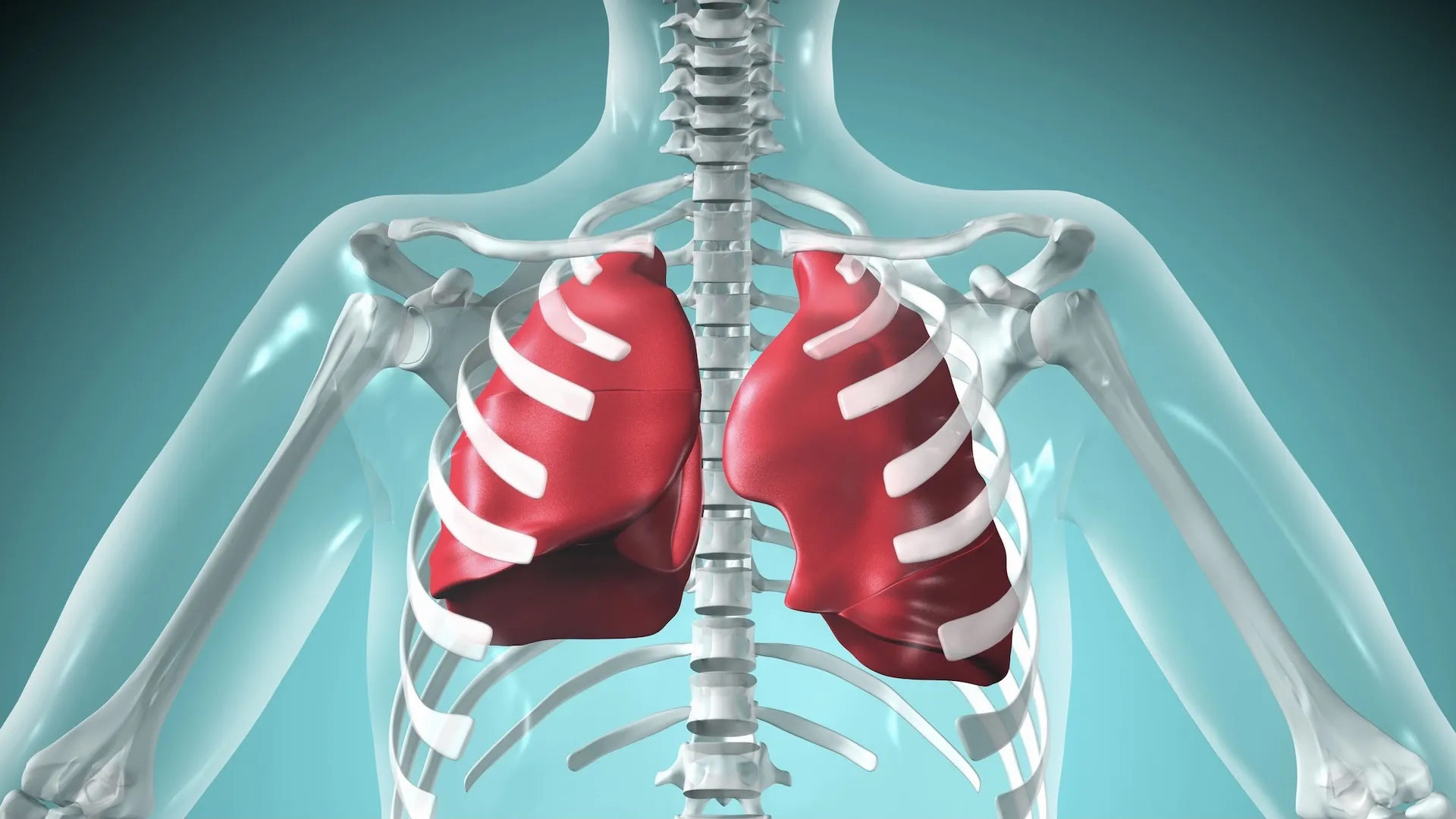
    Lung function is a critical measure of how well your lungs are working and can be a key indicator of your overall health. A measurement of 15% lung function indicates that there may be serious underlying issues affecting your respiratory capability. This blog will explore what it means to have such a low lung function percentage, its causes, symptoms, available treatments, and the significance of receiving care from a trusted healthcare center, such as Lopmudra Hospital Chain.


    Understanding Lung Function

    Lung function refers to the capacity of your lungs to take in air, transfer oxygen into your bloodstream, and expel carbon dioxide. The functioning of your lungs is usually measured through tests such as spirometry, which evaluates how much air you can exhale after taking a deep breath and how quickly you can do it. A normal lung function is generally above 80%, depending on age, sex, height, and smoking status. A lung function of 15% is significantly below the normal range and is often indicative of severe respiratory conditions.

    At Lopmudra Hospital Chain, our specialist doctors are experienced in diagnosing and treating advanced lung conditions. We utilize state-of-the-art technology and therapeutic options to improve your quality of life, making us one of the top hospitals for medical care in the region.


    Causes of Low Lung Function

    Several factors can contribute to a marked decrease in lung function. Understanding these is crucial for both diagnosis and treatment:

    • Chronic Obstructive Pulmonary Disease (COPD): This common lung condition often arises from prolonged exposure to irritating gases or particulate matter, mainly from smoking.
    • Interstitial Lung Disease: A broad array of lung disorders that cause scarring (fibrosis) of lung tissues, making it difficult for your lungs to function properly.
    • Pneumonia: Infections like pneumonia can severely impact lung capacity and lead to a significant decrease in lung function if left untreated.
    • Asthma: Severe or poorly managed asthma can lead to decreased lung function over time, particularly with recurrent exacerbations.
    • Obesity: Excess weight can limit the expansion of the lungs and impact overall lung function.

    Each of these conditions can require different therapeutic approaches, making it essential to consult with specialist doctors in your area for a tailored treatment plan.


    Symptoms of Low Lung Function

    Individuals with a lung function of 15% often experience a variety of debilitating symptoms:

    • Shortness of Breath: Difficulty breathing and a feeling of breathlessness, especially during physical activities, is common.
    • Chronic Cough: A persistent cough may occur, accompanied by mucus production.
    • Tiredness: Reduced oxygen circulation in your body can lead to chronic fatigue.
    • Chest Tightness: A sensation of pressure or tightness in the chest is often reported by patients with severely reduced lung capacity.

    Recognizing these symptoms early on is vital for timely intervention. Should you experience any of these signs, consider making an appointment at a local healthcare center like Lopmudra Hospital Chain.


    Diagnosing Low Lung Function

    Diagnosing low lung function often begins with a thorough medical history and physical examination. Your healthcare provider may recommend several diagnostic tests to evaluate your lung capacity and function, including:

    • Spirometry: This test is the cornerstone of lung function testing and measures how much and how quickly you can breathe out.
    • Imaging Studies: Chest X-rays or CT scans may be utilized to visualize potential abnormalities in the lung structure.
    • Blood Tests: These may help identify any underlying conditions that might be contributing to your reduced lung function.

    Early diagnosis can significantly influence the effectiveness of treatment, making it essential to consult healthcare experts who can guide you through this process. Lopmudra Hospital Chain offers comprehensive diagnostic services performed by expert clinicians in [City].


    Treatment Options for Low Lung Function

    Treatment for low lung function varies depending on the underlying cause but may include several different strategies:

    • Medications: Bronchodilators, corticosteroids, and other medications can help open the airways and improve breathing.
    • Oxygen Therapy: Supplemental oxygen may be required to help you breathe more easily and improve oxygenation in your blood.
    • Pulmonary Rehabilitation: This program combines exercise training, nutritional advice, and education to improve your lung health and overall quality of life.
    • Lung Surgery: In some cases, surgical options may be needed to remove damaged lung tissue or to perform a lung transplant if the damage is irreversible.

    At Lopmudra Hospital Chain, we offer advanced medical treatments guided by evidence-based practices and the latest technologies. Our healthcare professionals are dedicated to developing a personalized treatment plan that addresses your specific needs and circumstances.


    The Role of Lifestyle Changes

    Alongside medical treatment, lifestyle modifications can have a significant impact on improving lung function and quality of life:

    • Smoking Cessation: Quitting smoking is one of the most impactful changes you can make to improve your lung health.
    • Healthy Diet: Consuming a diet rich in fruits, vegetables, and whole grains can help reduce inflammation and promote better lung health.
    • Regular Exercise: Engaging in physical activities suited to your capacity can enhance your lung function and overall well-being.
    • Breathing Exercises: Techniques such as diaphragmatic breathing or pursed lip breathing can help improve lung capacity and efficiency.

    Adopting these changes under the guidance of healthcare professionals can provide additional support on your healing journey.


    Prognosis and Living with Low Lung Function

    A reduced lung function of 15% can be alarming and may come with a challenging prognosis. However, many patients find ways to manage their symptoms effectively and lead fulfilling lives. Early intervention, compliance with treatment protocols, and ongoing support can improve day-to-day living and help patients achieve substantial quality of life improvements.

    It’s essential for patients to regularly visit their healthcare providers for evaluations and adjustments to their treatment plan, especially for those in [City]. The team at Lopmudra Hospital Chain remains committed to providing ongoing care and support tailored to your unique needs.


    Conclusion

    A lung function measurement of 15% indicates a significant impairment that requires immediate attention. Understanding the underlying causes, recognizing the symptoms, and seeking timely medical care are crucial steps in managing this condition effectively. With the right approach and support from experienced healthcare providers at Lopmudra Hospital Chain, it’s possible to navigate the challenges associated with low lung function and lead a more fulfilling life.

    For more information or to schedule an appointment, reach out to us at +918087122022 or through our website.


    This article was written by Dr. Sneha Tirpude, sharing insights based on professional experience in the field.

  • Improving Lung Capacity: How Running Impacts Your Respiratory Health | Lopmudra Hospital

    Improving Lung Capacity: How Running Impacts Your Respiratory Health | Lopmudra Hospital

    What You Need to Know About Running and Lung Capacity


    Running is a popular form of exercise that not only helps in maintaining physical fitness but also has profound impacts on lung capacity and overall respiratory health. This blog will guide you through the relationship between running and lung capacity, the duration and frequency of running needed to see a difference, and the benefits of improved lung function. At Lopmudra Hospital Chain, we provide comprehensive healthcare services, including pulmonary care, to help you achieve the best health outcomes.


    Understanding Lung Capacity

    Lung capacity refers to the total amount of air that your lungs can hold. It can be measured in several different ways, including Total Lung Capacity (TLC), Vital Capacity (VC), and Functional Residual Capacity (FRC). These measurements help to assess your breathing and lung function, which are crucial for physical activities such as running.

    An average adult lung can hold about 6 liters of air, but this varies based on factors such as age, sex, height, and physical condition. Regular cardiovascular exercise like running can enhance lung efficiency, improve oxygen exchange, and increase lung capacity over time. Studies have shown that runners often exhibit greater lung volumes compared to sedentary individuals due to the physiological adaptations that occur with consistent training.


    How Running Impacts Lung Capacity

    Running stimulates the respiratory system, which can lead to a series of adaptations that enhance lung capacity:

    • Increased Respiratory Rate: During running, the rate at which you breathe increases, allowing a greater volume of air to be exchanged in your lungs.

    • Strengthening of Respiratory Muscles: Consistent running helps strengthen the diaphragm and intercostal muscles, improving your breathing efficiency.

    • Enhanced Alveolar Function: Running improves the functionality of alveoli (tiny sacs in the lungs), allowing for better oxygen and carbon dioxide exchange.

    All these factors combine to increase not only the functional capacity of your lungs but also your overall stamina. Improved lung capacity can lead to better performance in running and other physical activities.


    How Long Should You Run to Impact Lung Capacity?

    To effectively improve lung capacity through running, consistency is key. While even short sessions of running can yield benefits, regular and structured training over weeks and months is crucial. Here’s a closer look at the recommended approach:

    • Duration: Aim for at least 30 minutes of running at a moderate pace, 3-4 times a week. This duration creates a stimulus for your lungs to adapt and improve.

    • Progression: Gradually increase your running distance and intensity. Start with shorter distances and gradually extend your runs as your lungs adapt.

    • Interval Training: Incorporate high-intensity interval training (HIIT) into your routine. Short bursts of high-intensity running, followed by recovery periods, can significantly enhance lung capacity and aerobic performance.

    Following this structured plan not only leads to improved lung capacity but also contributes significantly to cardiovascular health.


    Signs That Your Lung Capacity Is Improving

    As you incorporate running into your routine, you may notice the following indications that your lung capacity is improving:

    • Less Shortness of Breath: You may find that you can engage in daily activities, including running, with less shortness of breath.

    • Increased Running Duration: You might be able to run longer distances without significant fatigue or breathlessness.

    • Quicker Recovery Time: Your breathing rate returns to normal more quickly following intense workouts.

    These signs indicate that your lungs are adapting favorably to the demands of running, improving their efficiency and capacity significantly.


    Breathing Techniques for Runners

    Proper breathing techniques can further optimize lung capacity and efficiency during running. Here are some effective strategies:

    • Diaphragmatic Breathing: Focus on using your diaphragm rather than your chest for breathing. This technique allows you to take in more air and enhance oxygen delivery.

    • Breath Control: Synchronize your breathing with your running pace. Inhale for a set number of steps (e.g., 3 steps) and exhale for the same count to ensure a steady rhythm.

    • Mouth versus Nose Breathing: Experiment to see what feels more comfortable for you. Mouth breathing allows more air intake during intense efforts, but incorporating nose breathing during easy runs can help in better oxygen utilization.

    Implementing these techniques can improve your performance while maximizing the benefits to your lung capacity.


    Comparing Compared Training Methods: Lung Capacity Development

    Training Method Benefits Drawbacks
    Steady-State Running Improves endurance, builds aerobic capacity May take longer to see significant improvements
    Interval Training Enhances lung capacity rapidly, boosts speed More physically demanding, risk of injury
    Cross-Training Varies muscle usage, prevents burnout May not target lung capacity directly

    As seen in the table above, different training methods can influence lung capacity differently. Choosing a balanced mix of these methods can prove beneficial for comprehensive enhancement of respiratory health.


    Additional Benefits of Enhanced Lung Capacity

    Aside from improved running performance, increasing your lung capacity provides additional health benefits:

    • Better Oxygen Utilization: Enhanced lung capacity improves the efficiency of oxygen use in your body, facilitating better energy production.

    • Lower Blood Pressure: Engaging in regular cardiovascular activities helps in keeping blood pressure levels in check.

    • Enhanced Mental Health: Physical activity such as running is known to reduce stress, anxiety, and symptoms of depression significantly.

    These benefits also contribute significantly to your overall quality of life, making the effort to improve your lung capacity through running well worth it.


    Conclusion

    Running serves as an excellent exercise choice to enhance lung capacity, aerobic fitness, and overall health. By engaging in consistent training, utilizing effective breathing strategies, and understanding the various aspects of lung function, you can maximize the benefits that running brings to your respiratory health.

    If you are considering incorporating running into your routine, or if you have specific lung health concerns, do not hesitate to reach out to our expert team at Lopmudra Hospital Chain. We provide specialized care to help you achieve your health goals with our comprehensive healthcare services.

    This article was written by Dr. Sneha Tirpude, sharing insights based on professional experience in the field.

  • COPD and Leg Weakness: Understanding the Connection – Insights from Lopmudra Hospital Experts

    COPD and Leg Weakness: Understanding the Connection – Insights from Lopmudra Hospital Experts

    Can COPD Make Your Legs Weak?


    Chronic Obstructive Pulmonary Disease (COPD) is a progressive lung condition characterized by limited airflow and difficulty breathing. It affects millions of people globally, leading to various complications beyond just respiratory issues. Many patients often wonder about the less obvious effects of COPD, including whether it can result in weakness in the legs. This blog aims to explore the connection between COPD and muscle weakness, particularly in the lower limbs, while also offering insights into management and treatment options available at Lopmudra Hospital.


    Understanding COPD and Its Symptoms

    COPD is primarily caused by long-term exposure to irritants that damage the lungs, typically from smoking, air pollution, or occupational hazards. Symptoms include:

    • Chronic Cough: A persistent cough that produces mucus.
    • Dyspnea: Shortness of breath, especially during physical activities.
    • Wheezing: A whistling or squeaky sound when breathing.
    • Frequent Respiratory Infections: Increased susceptibility to colds and flu.
    • Fatigue: Chronic tiredness due to the effort required for breathing.

    Understanding these symptoms is essential for early diagnosis and effective management of COPD. At Lopmudra Hospital, our respiratory specialists can provide tailored consultations for anyone experiencing ongoing respiratory issues.


    The Physiological Impact of COPD on Muscle Strength

    Individuals with COPD often experience systemic inflammation, muscle wasting, and decreased physical activity, all contributing to a decline in muscle strength. Here’s how each factor impacts the strength of the legs:

    • Reduced Oxygen Supply: COPD reduces the amount of oxygen available for muscles. With insufficient oxygen, endurance and strength diminish, making activities like walking or climbing stairs progressively harder.
    • Inactivity: Individuals with COPD may limit their physical activity due to breathlessness or fear of exacerbating symptoms. Inactivity leads to muscle atrophy, especially in minor muscle groups in the legs.
    • Systemic Inflammation: The chronic inflammation associated with COPD affects multiple body systems, including the muscles. This can result in muscle fatigue and weakness.

    Recognizing these effects can assist patients in understanding that muscle strength varies greatly among individuals with COPD. If you are in need of comprehensive care, reach out to the leading healthcare providers at Lopmudra Hospital for further support.


    Symptoms of Weakness in the Legs Related to COPD

    If you or a loved one has COPD, being aware of the symptoms indicating weakness in the legs can be crucial for timely intervention. Common signs might include:

    • Fatigue: Experiencing increased fatigue even with minimal exertion, such as standing up or walking.
    • Muscle Cramps: Cramping or tightening in the leg muscles during physical activity.
    • Difficulty Climbing Stairs: Finding it harder than usual to navigate stairs or inclines.
    • Unsteady Gait: Noticeable changes in balance leading to falls or trips.

    These symptoms can often lead to further complications and a reduced quality of life. Seeking support from specialized clinics can help in managing both your COPD and leg weakness symptoms effectively.


    Assessment of Muscle Strength in COPD Patients

    Assessing the strength and function of your legs is an important step in determining how COPD may be affecting your overall physical health. Common assessments may include:

    • Physical Examination: A healthcare provider will assess muscle strength, coordination, and balance through various tests.
    • Walk Tests: Short-distance walk tests can help gauge functional capacity and endurance.
    • Imaging Studies: MRI or CT scans may be employed to assess muscle mass and fat content as indicators of muscle health.

    A thorough evaluation can help tailor a personalized treatment plan addressing both lung function and muscle strength, available through skilled teams at Lopmudra Hospital.


    Treatment Options to Enhance Muscle Strength

    For COPD patients experiencing leg weakness, various treatments can improve muscle strength and overall health. Optionally, these may include:

    • Physical Therapy: Tailored strength training and rehabilitation exercises designed by a physical therapist can help improve endurance and muscle mass.
    • Nutritional Support: A balanced diet rich in proteins and essential nutrients can combat muscle wasting. Consulting a dietitian can help establish a suitable nutrition plan for COPD patients.
    • Medications: Bronchodilators and corticosteroids can improve lung function, indirectly contributing to better energy levels and muscle strength.
    • Supplementation: Vitamin D and certain amino acids may be recommended to support muscle health.

    Addressing muscle weakness can aid in achieving better physical stability and reducing the risk of falls. Reach out to the top COPD specialists near you at Lopmudra Hospital for guidance on this journey toward improved muscle strength.


    Lifestyle Changes for Better Management of COPD and Leg Weakness

    Making informed lifestyle choices can make a significant difference in the management of both COPD and any associated muscle weakness. Consider adopting the following:

    • Regular Exercise: Engage in low-impact exercises that do not exacerbate breathlessness. Activities like walking, swimming, or cycling can be beneficial.
    • Smoking Cessation: If you’re a smoker, quitting can significantly improve lung function and general well-being. Seek support through quitlines or local cessation programs.
    • Maintaining a Healthy Weight: Strive for a healthy body weight to reduce the strain on your lungs and legs.

    These lifestyle modifications can significantly improve quality of life and slow disease progression. The experienced healthcare providers at Lopmudra Hospital in Delhi can offer additional resources and support.


    Seeking Help: When to Consult a Doctor

    If you are experiencing persistent weakness in your legs or any exacerbation in your COPD symptoms, it’s crucial to seek professional help. Early intervention can mitigate further complications and significantly improve life quality.

    At Lopmudra Hospital, our dedicated teams specialize in COPD management and related complications through personalized care. Contact us at +918087122022 or via WhatsApp at 918379033033 for appointments and inquiries. Our experts are here to guide you every step of the way toward a healthier life.


    Conclusion: Empowering Patients with Knowledge

    The relationship between COPD and leg weakness is complex but essential to understand for anyone affected by this challenging disease. By recognizing the signs and symptoms, undergoing proper assessments, and implementing appropriate treatments and lifestyle changes, patients can enhance both lung and muscular health.

    Knowledge is power—empower yourself with the right information and support. Reach out to the top COPD experts in Delhi at Lopmudra Hospital and take the first step in regaining your strength and well-being.


    This article was written by Dr. Sneha Tirpude, sharing insights based on professional experience in the field.