Postpartum Hypertension: What New Mothers Should Know
The period following childbirth is often filled with joy, excitement, and a multitude of adjustments as new mothers navigate their new roles. However, it can also be accompanied by various health challenges, one of which is postpartum hypertension. Understanding this condition is crucial for the well-being of new mothers and their families. At Lopmudra Hospital Chain, we prioritize the health of new mothers and aim to provide comprehensive care tailored to their needs. This blog will explore what postpartum hypertension is, its symptoms, causes, treatment options, and essential preventive measures.
Understanding Postpartum Hypertension
Postpartum hypertension refers to elevated blood pressure that occurs after childbirth. This condition can arise within the first few days to weeks after delivery and can range from mild to severe. It is essential to differentiate postpartum hypertension from other related conditions, such as gestational hypertension and preeclampsia, which can also occur during pregnancy.
Studies show that approximately 5% to 10% of women experience postpartum hypertension, highlighting the importance of awareness and monitoring for new mothers. Recognizing the signs and symptoms early can significantly impact treatment and recovery, making knowledge about this condition vital for any new mother.
Causes of Postpartum Hypertension
The exact cause of postpartum hypertension is not entirely understood, but several risk factors have been identified. These include:
-
Previous History: Women who had hypertension or preeclampsia in previous pregnancies are at a higher risk.
-
Multiple Pregnancies: Carrying twins or more can increase the incidence of high blood pressure.
-
Obesity: Being overweight or obese can contribute to higher blood pressure both during and after pregnancy.
-
Age: Women over the age of 35 may be more susceptible to developing hypertension postpartum.
-
Certain Health Conditions: Underlying health issues, such as kidney disease or autoimmune disorders, can also be influential.
Understanding these risk factors is critical for early intervention and management, especially for new mothers receiving care at our hospital in Pune, renowned for postpartum hypertension treatment.
Symptoms of Postpartum Hypertension
Identifying the symptoms of postpartum hypertension is crucial since many new mothers may mistake them for typical postpartum experiences. Common symptoms include:
-
Elevated Blood Pressure: It is often identified through routine check-ups, usually defined as a systolic (top number) reading of 140 mm Hg or higher.
-
Severe Headaches: Persistent headaches that do not respond to over-the-counter pain relief can be a significant indicator.
-
Visual Disturbances: Blurry vision or spots can occur, suggesting increased pressure on the brain.
-
Chest Pain: Women experiencing chest discomfort or angina should seek immediate medical attention.
-
Shortness of Breath: Difficulty in breathing can be a serious complication associated with high blood pressure.
New mothers should understand that if they experience any of these symptoms, especially within the first weeks postpartum, it’s crucial to consult with a healthcare provider promptly.
Diagnosis and Monitoring
The diagnosis of postpartum hypertension typically involves regular monitoring of blood pressure during and after the postpartum period. At Lopmudra Hospital, our gynecology specialists employ comprehensive health evaluations to ensure the safety and well-being of new mothers. Diagnostic procedures may include:
-
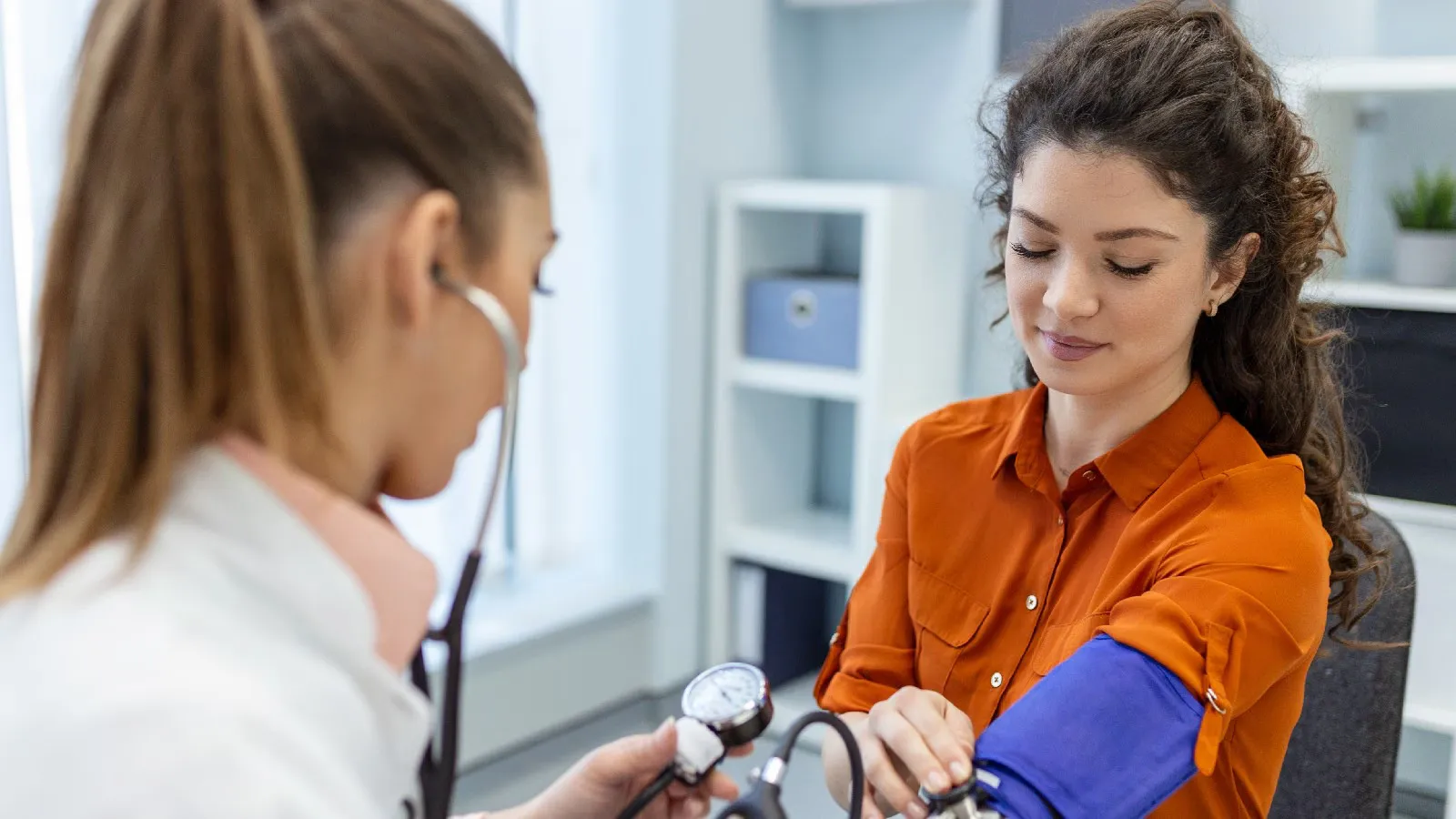
Blood Pressure Monitoring: Regular checks are crucial, especially if a woman has risk factors for hypertension.
-
Urinalysis: Testing urine for protein can help determine if there is an issue related to kidney function.
-
Blood Tests: Evaluating metabolic health gives healthcare providers insight into a woman’s overall health post-delivery.
Continuous monitoring is vital, especially during follow-up visits, to ensure any abnormalities are detected early and managed appropriately.
Treatment Options for Postpartum Hypertension
Treatment for postpartum hypertension may range depending on the severity of the condition. At Lopmudra Hospital, we focus on personalized care, ensuring that new mothers receive treatment tailored to their specific needs. Treatment options include:
-
Lifestyle Changes: Modifications such as adopting a heart-healthy diet, engaging in regular exercise, and managing stress levels are foundational to managing high blood pressure.
-
Medications: Doctors may prescribe antihypertensive medications to help lower blood pressure safely. Common options include diuretics, ACE inhibitors, and beta-blockers.
-
Regular Monitoring: Regular visits allow healthcare providers to continuously evaluate and adjust treatment plans as necessary.
It is essential for new mothers to consult with their healthcare provider regarding the potential side effects of any prescribed medications, especially while breastfeeding.
Preventive Measures for New Mothers
While postpartum hypertension can occur due to various factors, certain preventive measures can help mitigate risk. Consider the following:
-
Maintain a Healthy Lifestyle: Balanced nutrition and regular exercise can be preventive measures. A well-rounded diet rich in fruits, vegetables, lean proteins, and whole grains can support heart health.
-
Avoiding Excessive Salt: High sodium intake can raise blood pressure, so limiting salt is beneficial.
-
Stay Educated: Knowledge about postpartum hypertension and its implications can empower women to take proactive measures in monitoring their health.
-
Follow-Up Appointments: Attending recommended follow-up visits with healthcare providers to monitor blood pressure and overall health can help catch any potential issues early.
By prioritizing health and staying informed, new mothers can significantly reduce their risk of postpartum hypertension and contribute positively to their recovery journey.
The Importance of Professional Care for High Blood Pressure After Delivery
Seeking professional healthcare services is critical for managing high blood pressure after delivery. At Lopmudra Hospital, we provide top-rated maternity services in Pune and are recognized for our postpartum hypertension specialists who are dedicated to improving the health and wellness of new mothers. Our caring and experienced team offers compassionate support, combining clinical excellence with patient-centered care.
We encourage new mothers in Pune to contact us for any concerns regarding their postpartum health, including high blood pressure. Prompt intervention and support can dramatically enhance quality of life and recovery.
Conclusion: Empowering New Mothers
Understanding and managing postpartum hypertension is an essential element of the postpartum care journey. It is vital for new mothers to advocate for their health by recognizing symptoms, adhering to treatment, and maintaining regular communication with their healthcare providers. At Lopmudra Hospital, we are committed to providing comprehensive maternity services to ensure the best health outcomes for new mothers and their families.
As a healthcare institution dedicated to empowering women’s health, we remind you that help is always available. Don’t hesitate to reach out to us at +918087122022 or visit our website at Lopmudra Hospitals to schedule an appointment. Together, we can navigate the path to better health and well-being for you and your newborn.
This article was written by Dr. Archana Salve, sharing insights based on professional experience in the field.
Leave a Reply