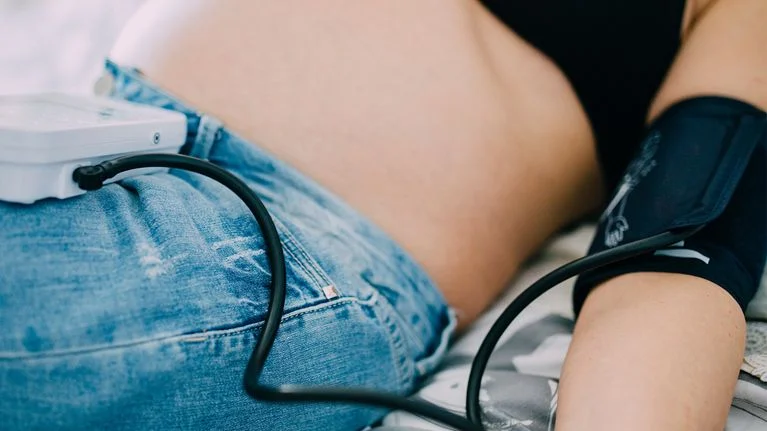
What Causes Low Blood Pressure After A C-Section?
Undergoing a C-section, or cesarean section, is a significant event in a woman’s life, especially during childbirth. While this surgical procedure is common and generally safe, many new mothers may experience side effects, including low blood pressure. In this article, we will explore the various causes of low blood pressure after a C-section, the symptoms associated with it, and the treatment options available, offering you comprehensive insights into this condition.
At Lopmudra Hospital Chain, we are committed to providing top-notch maternity care in Pune. With our specialized gynecological expertise, we aim to ensure a serene recovery for all mothers, guiding them through every step of their postpartum experience.
Understanding Low Blood Pressure
Low blood pressure, or hypotension, is defined as a condition where the blood pressure readings fall below the normal range. Normal blood pressure is generally considered to be around 120/80 mmHg. When these values drop below 90/60 mmHg, it can lead to a lack of sufficient blood flow to vital organs such as the heart, brain, and kidneys.
Symptoms of Low Blood Pressure:
Some symptoms of low blood pressure after a C-section may include:
- Dizziness or light-headedness
- Fainting or feeling faint
- Fatigue and weakness
- Nausea
- Blurred vision
Causes of Low Blood Pressure After A C-Section
There are various factors that contribute to low blood pressure after a cesarean delivery. Understanding these causes can help expectant mothers recognize symptoms early and seek timely medical attention:
-
Anesthesia Effects:
C-sections typically require regional anesthesia, such as an epidural or spinal block. These types of anesthesia can interfere with the transmission of nerve signals, often resulting in vasodilation—a widening of the blood vessels—which can cause a drop in blood pressure. -
Blood Loss:
A C-section is a surgical procedure and may involve significant blood loss. Hospitals usually monitor blood loss carefully, but excessive bleeding can lead to a drop in blood volume, resulting in hypotension. -
Medications:
Post-operative medications prescribed for pain management could also contribute to hypotension. Opioids and other analgesics can affect individual reactions to blood pressure regulation. -
Dehydration:
It is essential to maintain proper hydration, especially post-surgery. Insufficient fluid intake can lead to decreased blood volume, further contributing to lower blood pressure. -
Infection:
Any infection after surgery can cause a systemic inflammatory response leading to hypotension. Hospitals should regularly monitor patients for postoperative infections. -
Hormonal Changes:
The hormonal changes that occur during pregnancy and immediately after childbirth can also contribute to fluctuations in blood pressure.
Diagnosis of Low Blood Pressure
Diagnosing low blood pressure after a C-section involves a thorough medical evaluation. At Lopmudra Hospital Chain, our healthcare professionals employ several methods to assess and diagnose:
- Blood Pressure Monitoring: Continuous monitoring allows our medical team to track blood pressure levels and take immediate action if they fall below safe thresholds.
- Physical Examination: A full physical examination is performed, including checking the mother’s pulse, inspection for signs of bleeding, and evaluating overall physical condition.
- Laboratory Tests: Blood tests may be conducted to check blood volume, hemoglobin levels, and assess for any signs of infection.
Treatment Options for Low Blood Pressure
Treatment for low blood pressure after a cesarean delivery is tailored to the individual’s specific causes and symptoms. Here are some common treatment options:
-
Intravenous (IV) Fluids:
Administering IV fluids is among the immediate interventions to restore blood volume and maintain blood pressure. -
Positioning:
Lying down or elevating the legs can assist in directing blood flow toward vital organs. Healthcare providers often use this method as a quick remedy for faintness or dizziness. -
Monitoring Medication:
Careful monitoring of medications post-surgery is necessary. Adjustments in dosages may be made if medications contribute to hypotension. -
Surgery:
In extreme cases where low blood pressure is persistent and linked to significant internal bleeding, surgical intervention may be required to correct the issue.
Preventing Low Blood Pressure After A C-Section
While not all instances of low blood pressure can be prevented, several precautionary measures can help reduce the risk after C-sections:
- Stay Hydrated: Drinking plenty of fluids before and after surgery ensures adequate hydration and blood volume.
- Follow Medical Advice: Adhering to advice from healthcare providers regarding recovery, medication, and post-operative care is essential.
- Regular Monitoring: Frequent checks on blood pressure levels in the early days following discharge can aid in early identification of any concerning changes.
Being aware and informed about these factors prepares new mothers for a smoother post-C-section recovery, improving their overall experience during this profound transition into motherhood.
Conclusion: Expecting Safety and Care
After a C-section, vigilance and communication with your healthcare team at Lopmudra Hospital Chain is essential. Being informed about the potential for low blood pressure and understanding its causes not only helps in recognizing symptoms early but also in facilitating timely treatment.
Should you suspect any unusual symptoms post-surgery, do not hesitate to reach out to our maternity services in Pune. Our experienced staff is always on hand to provide guidance and care, ensuring that you and your newborn are nurtured and protected during this significant moment in your lives.
This article was written by Dr. Archana Salve, sharing insights based on professional experience in the field.
Leave a Reply