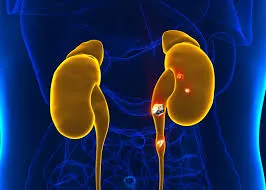
ı What are Kidney Stones?
Kidney stones are hard deposits composed of minerals and salts that form inside the kidneys. They can affect any part of the urinary tract, from the kidneys to the bladder. The stones form when urine becomes concentrated, allowing minerals to crystallize and stick together. Sizes can vary greatly—from as small as a grain of sand to as large as a golf ball. Kidney stones can be extraordinarily painful yet are preventable and treatable.
At Lopmudra Hospital Pashan in Pune, our team of experts provides top-notch treatment and prevention strategies for kidney stones. With modern diagnostic and treatment facilities, we stand committed to offering the best kidney stone treatment in Pune.

ı What causes Kidney Stones?
Understanding what causes kidney stones is crucial for prevention. There are various types of kidney stones, each formed due to different factors:
- Calcium Stones: The most common type. They form when calcium combines with oxalate or phosphate in urine. Factors like high-oxalate foods and low fluid intake can increase risk.
- Struvite Stones: Often a result of urinary tract infections (UTIs). They grow quickly and can become quite large.
- Uric Acid Stones: More common in men. A diet high in animal protein and certain medical conditions may contribute to their formation.
- Cystine Stones: These are rare and tend to form in people with a genetic disorder called cystinuria.
Conditions such as obesity, digestive diseases, and certain medications can also elevate the risk of kidney stones. At Lopmudra Hospital, we specialize in diagnosing the underlying causes specific to each patient.
ı Recognizing the symptoms of kidney stones
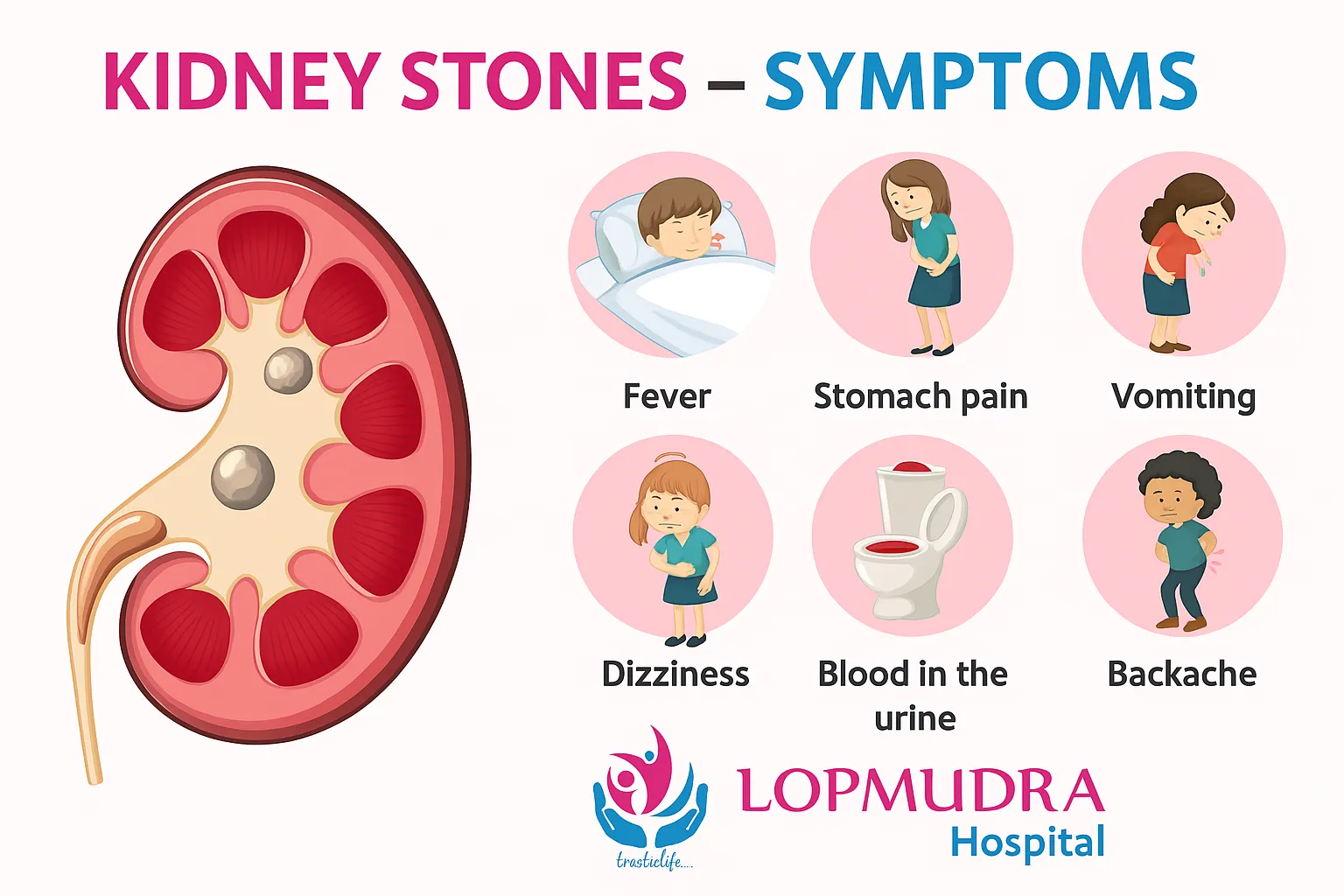
Symptoms of kidney stones typically appear when the stone passes into the ureter, causing blockage and pain. Recognizing these symptoms early can lead to more effective treatment:
- Severe Pain: Often described as the most excruciating pain, it can occur in the back, side, groin, or abdomen.
- Hematuria: Presence of blood in urine, making it pink, red, or brown.
- Frequent Urination: A constant urge to urinate but passing very little each time.
- Nausea and Vomiting: These symptoms can accompany or result from the severe pain caused by kidney stones.
If you experience any of these symptoms, it is crucial to consult a kidney stone doctor in Pune promptly. Our specialists at Lopmudra Hospital can provide an accurate diagnosis and effective treatment options.
ı Diagnosing kidney stones
At Lopmudra Hospital, we utilize cutting-edge diagnostic tools to identify kidney stones. Our approach includes:
- Imaging Tests: Noninvasive tests like ultrasounds and CT scans offer detailed images to identify the location and size of stones.
- Blood Testing: These tests can uncover high levels of certain substances that contribute to stone formation.
- Urine Testing: A 24-hour urine test may help reveal imbalances in minerals that lead to stone formation.
Our specialists design personalized treatment plans based on diagnostic findings, ensuring comprehensive care from start to finish.
ı Treatment options for kidney stones
Treatment for kidney stones varies based on their type, size, and location. Several effective treatment options are available at Lopmudra Hospital:
- Conservative Management: For small stones, drinking plenty of water may help flush them out. Pain relievers may reduce discomfort, and alpha-blockers can relax ureter muscles.
- Extracorporeal Shock Wave Lithotripsy (ESWL): This non-invasive procedure uses shock waves to break larger stones into small pieces that can pass through the urinary tract.
- Ureteroscopy: A thin scope is used to remove or break up stones in the ureter or kidney.
- Percutaneous Nephrolithotomy: This surgical procedure removes very large stones through a small incision in the back under anesthesia.
ı Table: Comparing kidney stone treatment methods
| Procedure | Duration | Recovery Time | Pros | Cons |
|---|---|---|---|---|
| ESWL | 45-60 minutes | Few Days | Non-invasive, minimal discomfort | May require multiple sessions |
| Ureteroscopy | 1 hour | Few Days | Direct vision, effective for ureter stones | Sedation required, minor risks |
| Percutaneous Nephrolithotomy | 2-3 hours | 1-2 weeks | Effective for large stones | More invasive, longer recovery |
ı Preventing kidney stones
Prevention is always the best cure. The following strategies can help prevent the recurrence of kidney stones:
- Hydration: Drinking plenty of water can dilute substances in urine that lead to stones.
- Dietary Changes: Reducing salt, limiting animal protein, and avoiding high-oxalate foods like nuts and spinach can decrease stone risk.
- Regular Check-ups: Periodic monitoring with a Lopmudra kidney stone specialist ensures timely intervention and management.
We, at Lopmudra Hospital, are dedicated to promoting preventative healthcare while focusing on patient education regarding dietary and lifestyle modifications.
ı Why choose Lopmudra Hospital for kidney stone care?
Lopmudra Hospital is recognized for its comprehensive and compassionate care. Our specialists in Pune are equipped with state-of-the-art technology and a wealth of experience in kidney stone removal. Here are some reasons to choose us:
- Expert Team: Our highly trained urologists and nephrologists provide personalized care tailored to each patient’s unique needs.
- Advanced Facilities: We offer cutting-edge diagnostic and surgical technology in a comfortable and safe environment.
- Comprehensive Services: From consultation to post-treatment care, we support our patients every step of the way.
- Insurance Coverage: All insurance and TPA/corporate empanelment plans are accepted, ensuring accessible and hassle-free treatment.
For those seeking the best kidney stone treatment, look no further than Lopmudra Hospital. Book an appointment today by calling us at +918087122022 or through our website.

Leave a Reply