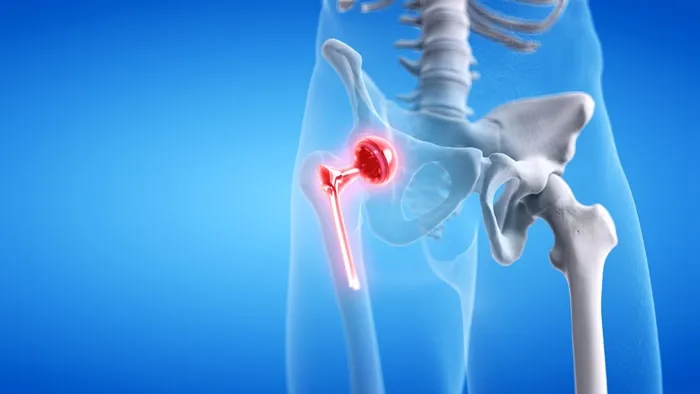
A Complete Guide to Joint Replacement & Replacement Surgeries (Hip, Knee, Shoulder)
Lopmudra Meera Multispeciality Hospital, Swargate, Pune
Joint pain can drastically affect your mobility, lifestyle, and emotional well-being. Conditions like arthritis, trauma, sports injuries, and age-related degeneration often damage major joints such as the hip, knee, and shoulder, making everyday movements difficult.
At Lopmudra Meera Hospital, Swargate, Pune, our expert orthopedic team specializes in advanced joint replacement surgeries designed to restore mobility, reduce pain, and improve quality of life with precision and care. Our evidence-based surgical protocols, modern implants, and patient-centric rehabilitation programs ensure superior outcomes and long-term success.

What is Joint Replacement Surgery?
Joint replacement surgery, also known as arthroplasty, involves replacing damaged joint surfaces with artificial implants made from medical-grade metal, ceramic, or polyethylene. These implants replicate natural movement and significantly reduce pain.
Joint replacement is recommended when:
-
Conservative treatments fail
-
Pain affects daily activities
-
Joint stiffness reduces mobility
-
Damage is severe due to arthritis or injury
1. Hip Replacement Surgery
When is Hip Replacement Needed?
A hip replacement is often recommended for:
-
Osteoarthritis
-
Rheumatoid arthritis
-
Hip fractures
-
Avascular necrosis
Types of Hip Replacement Procedures
-
Total Hip Replacement (THR)
Both ball and socket of the hip joint are replaced. -
Partial Hip Replacement
Only the ball portion is replaced, typically after fractures. -
Minimally Invasive Hip Replacement
Involves smaller incisions with faster recovery and less pain.
Benefits of Hip Replacement
-
Significant pain relief
-
Improved range of motion
-
Resumption of normal activities
-
Long-lasting implants (15–20 years or more)
2. Knee Replacement Surgery
Who Needs Knee Replacement?
Patients with:
-
Severe osteoarthritis
-
Post-traumatic arthritis
-
Knee deformity
-
Persistent pain and stiffness
Types of Knee Replacement
-
Total Knee Replacement (TKR)
Replacement of all knee components. -
Partial Knee Replacement (Unicompartmental)
For damage limited to one compartment of the knee. -
Robotic / Computer-Assisted Knee Replacement
Enhances accuracy for better alignment and longer implant life.
Why Knee Replacement is Effective
-
Restores walking ability
-
Reduces chronic knee pain
-
Enhances overall mobility
-
Improved knee function and alignment
3. Shoulder Replacement Surgery
When is Shoulder Replacement Suggested?
It is beneficial for individuals with:
-
Rotator cuff arthropathy
-
Severe shoulder arthritis
-
Complex shoulder fractures
-
Loss of shoulder strength or mobility
Types of Shoulder Replacement Surgeries
-
Total Shoulder Replacement
Replaces ball and socket of the joint. -
Reverse Shoulder Replacement
Ideal for patients with damaged rotator cuff muscles. -
Partial Shoulder Replacement (Hemiarthroplasty)
Benefits
-
Reduced shoulder pain
-
Increased arm movement
-
Improved strength and functionality
Advanced Orthopedic Care at Lopmudra Meera Hospital, Swargate, Pune
At Lopmudra Meera Multispeciality Hospital, we combine medical expertise with modern technology to deliver exceptional orthopedic outcomes.

Why Patients Trust Us
1.Experienced orthopedic surgeons
2.Evidence-based surgical protocols
3.Minimally invasive techniques
4.High-quality imported implants
5.Comprehensive rehabilitation support
6.Faster recovery programs
7.Personalized treatment planning
Our hospital located at 710, B-4, Chitragupt Colony, Shanti Nagar Society, Shankarseth Road, Camp-Swarget, Pune, ensures seamless access for patients across Pune city.
Recovery & Rehabilitation After Joint Replacement
Post-surgery rehabilitation plays a vital role in long-term success. At Lopmudra Meera Hospital, our physiotherapy team designs tailored recovery plans to help patients regain mobility quickly and safely.
Key Elements of Rehabilitation
-
Guided physiotherapy
-
Strength-building exercises
-
Pain management
-
Assistive device training
-
Regular follow-ups
Most patients resume routine activities within 4–12 weeks, depending on the surgery.
When Should You Consider Joint Replacement?
If you notice the following symptoms consistently, joint replacement may be the right solution:
-
Difficulty walking or climbing stairs
-
Persistent joint pain even at rest
-
Joint deformity
-
Restricted range of motion
-
Dependence on pain medications
Early consultation helps prevent further damage and improves surgical outcomes.
Frequently Asked Questions (FAQ)
1. What is joint replacement surgery?
Joint replacement surgery (arthroplasty) is a procedure where a damaged joint—such as the hip, knee, or shoulder—is replaced with a medical implant to reduce pain and restore mobility.
2. How do I know if I need a hip, knee, or shoulder replacement?
You may need joint replacement if you experience chronic pain, stiffness, difficulty walking, joint deformity, or if medication and therapy no longer provide relief. An orthopedic specialist at Lopmudra Meera Hospital can diagnose the condition using X-rays and clinical evaluation.
3. Is joint replacement safe?
Yes. Modern joint replacement is considered safe, with high success rates. Minimally invasive techniques, advanced implants, and sterilization protocols reduce risks significantly at Lopmudra Meera Hospital.
4. How long does recovery take after joint replacement?
Most patients resume basic activities within 4–6 weeks. Complete recovery may take 3–4 months, depending on the type of surgery and adherence to physiotherapy.
5. How long does a joint implant last?
Most hip, knee, and shoulder implants last 15–25 years, depending on activity levels and implant type.
6. What are the benefits of choosing Lopmudra Meera Hospital for joint replacement?
You get expert orthopedic surgeons, advanced OT setups, modern implants, personalized rehabilitation, and minimally invasive techniques—all at a centrally located Pune facility.
7. Do you provide cashless mediclaim or insurance support?
Yes. Lopmudra Meera Hospital assists with insurance, TPA coordination, and cashless hospitalization for eligible policies.
Book Your Consultation Today
If you or your loved one is experiencing chronic joint pain, arthritis symptoms, or mobility issues, the orthopedic experts at Lopmudra Meera Hospital are here to help.
Address: 710, B-4, Chitragupt Colony, Shanti Nagar Society, Shankarseth Road, Camp-Swargate, Pune, India
Phone / WhatsApp: 8378022022 / 8379033033
Email: contact@lopmudrahospitals.com
Final Thoughts
Joint replacement surgeries for the hip, knee, and shoulder have transformed the lives of millions worldwide. With advanced orthopedic care, precision technology, and an experienced team, Lopmudra Meera Hospital stands as one of Pune’s trusted centers for joint replacement and comprehensive musculoskeletal care.
Leave a Reply