Gallstone surgery: importance, options and what patients in Pune should know
Gallstones are a common surgical problem encountered by general surgeons worldwide. For many people in Pune and surrounding areas, knowing when surgery is necessary and what to expect can reduce anxiety and improve outcomes. This comprehensive guide explains why surgery is important in gallstones, how gallstones are diagnosed and treated, the advantages of minimally invasive techniques such as laparoscopic cholecystectomy in Pune, expected costs, recovery timelines, and how to choose the best gallstone surgeon in Pune. If you are near Swargate, Lopmudra Hospitals at Swargate provides dedicated care for gallbladder disease — call us at +918087122022 or WhatsApp +91 83790 33033 for appointments or visit https://lopmudrahospitals.com/.
what is gallstone disease and why surgery matters
Gallstone disease refers to the formation of solid particles (stones) within the gallbladder — a small pear-shaped organ beneath the liver that stores bile. Gallstones vary in size from a grain of sand to several centimeters. While many people with gallstones remain asymptomatic, stones can obstruct bile flow or inflame the gallbladder, causing significant pain and complications. Understanding why surgery often becomes necessary helps patients and families make informed decisions.
The primary reason surgery is considered important in gallstones is prevention of complications. When gallstones cause biliary colic (recurrent upper abdominal pain), cholecystitis (gallbladder inflammation), choledocholithiasis (stones in the bile duct), or pancreatitis, the risk of severe infection, organ dysfunction, prolonged hospital stay, and even mortality rises. Removing the diseased gallbladder (cholecystectomy) eliminates the source of stones and significantly reduces the risk of recurrent attacks.
Globally, gallbladder disease is common: estimates suggest that about 10–15% of adults in developed countries have gallstones, with many requiring surgical treatment during their lifetime. In India, regional prevalence varies but urban populations (including Pune) increasingly present with symptomatic gallstones due to lifestyle, dietary patterns, and metabolic risk factors. Laparoscopic cholecystectomy — the minimally invasive removal of the gallbladder — has become the standard of care in most tertiary centres and community hospitals, offering lower pain, shorter stays, and faster return to normal activities compared with traditional open surgery.
For patients in Pune, seeking timely surgical evaluation at a reputable centre like Lopmudra (Swargate) can mean the difference between a brief planned operation and an emergency situation that carries higher risk. Early elective surgery when indicated avoids repeated hospital visits, reduces the chance of emergency interventions, and often lowers overall healthcare costs.
causes and risk factors for gallstones
Gallstones form when components of bile — principally cholesterol, bilirubin, and bile salts — become unbalanced. There are two major types of gallstones: cholesterol stones (the most common) and pigment stones (composed largely of bilirubin). Several factors increase the likelihood of gallstone formation, and understanding them helps with risk reduction and early detection.
Key risk factors include:
- Age and sex: Gallstones are more common as people age, and women are at higher risk than men, particularly during reproductive years due to hormonal influences.
- Obesity and rapid weight loss: Obesity increases cholesterol secretion into bile, while rapid weight loss mobilizes cholesterol from body stores into bile — both situations promote stone formation.
- Diabetes and metabolic syndrome: Conditions that alter lipid metabolism increase gallstone risk.
- Genetics and ethnicity: Family history and certain ethnic groups have higher prevalence.
- Dietary patterns: High-calorie, high-fat diets and low-fiber intake can increase risk. Conversely, very low-calorie diets or prolonged fasting may also promote stone formation.
- Certain medical conditions: Hemolytic disorders (leading to pigment stones), liver disease, and prolonged total parenteral nutrition are known contributors.
- Medications: Some drugs, like high-dose cholesterol-lowering agents and hormone replacement therapy, can alter bile composition.
In Pune and nearby urban areas, lifestyle changes — including increasingly sedentary behavior, diet changes, and rising rates of obesity and diabetes — have contributed to a growing number of gallstone cases presenting to clinics. Public health data suggest that with India’s growing urban population, clinicians are seeing gallstone disease more frequently than a few decades ago. Recognizing these risk factors helps primary care physicians and general surgeons identify individuals who might benefit from earlier imaging or specialist referral.
symptoms and complications that indicate surgery
Many people with gallstones have no symptoms and may never need treatment. However, when symptoms occur they often involve episodes of abdominal pain or complications that require urgent attention. Recognizing these signs is crucial so that patients can seek timely surgical evaluation.
Common symptoms that suggest gallstones are causing problems:
- Biliary colic: Sudden, severe pain in the right upper abdomen or upper middle abdomen that may radiate to the right shoulder or back. Attacks typically last from 30 minutes to several hours and can recur.
- Nausea and vomiting: Often accompany pain during an attack.
- Indigestion and bloating: Post-prandial (after eating) discomfort, especially after fatty meals.
- Jaundice: Yellowing of the skin and eyes, indicating obstruction of bile flow, possibly by a stone in the common bile duct.
- Fever and chills: Suggest infection (acute cholecystitis or cholangitis), which is a medical emergency.
Complications that typically mandate surgical management include:
- Acute cholecystitis: Inflammation and infection of the gallbladder, often requiring intravenous antibiotics and cholecystectomy.
- Choledocholithiasis: Stones in the common bile duct, which may need endoscopic removal (ERCP) and subsequent or concurrent cholecystectomy.
- Gallstone pancreatitis: When a gallstone blocks the pancreatic duct leading to inflammation of the pancreas — timing of surgery depends on severity.
- Empyema or gangrene of the gallbladder: Severe, potentially life-threatening infections that require urgent surgical intervention.
Elective (planned) cholecystectomy is advised when repeated symptomatic episodes impair quality of life or when imaging shows high-risk features. Emergency gallstone surgery in Pune is available at centres like Lopmudra Swargate for acute presentations — prompt referral and assessment can prevent escalation to more severe complications.
diagnosis: ultrasound, labs and other tests in pune
Accurate diagnosis is essential to determine whether gallstones are causing symptoms and to plan appropriate management. In Pune, as in other cities, diagnosis combines clinical assessment with imaging and laboratory tests. The most common and reliable first-line test is an abdominal ultrasound, widely available at diagnostic centres and hospitals, including facilities associated with Lopmudra Hospitals.
Typical diagnostic pathway:
- History and physical examination: Your doctor will ask about the pattern, timing and triggers of pain, associated symptoms like fever or jaundice, and medical history including diabetes and previous surgeries.
- Ultrasound (gallstone diagnosis ultrasound in Pune): Abdominal ultrasound is the gold standard for detecting gallstones within the gallbladder. It is non-invasive, widely available, and cost-effective. Ultrasound can also assess gallbladder wall thickening, pericholecystic fluid, and signs of acute cholecystitis.
- Blood tests: Liver function tests (LFTs), complete blood count (CBC), and pancreatic enzymes (amylase, lipase) help identify complications such as choledocholithiasis or pancreatitis.
- MRCP or CT scan: Magnetic resonance cholangiopancreatography (MRCP) or contrast-enhanced CT may be used to evaluate the bile ducts when ultrasound is inconclusive or if common bile duct stones are suspected.
- Endoscopic tests: Endoscopic retrograde cholangiopancreatography (ERCP) is both diagnostic and therapeutic for common bile duct stones, allowing stone removal. ERCP is often performed in conjunction with definitive gallbladder surgery.
Local availability and patient factors determine which tests are used. In Pune, diagnostic ultrasound services are available across clinics and hospitals; patients referred to Lopmudra Swargate benefit from coordinated imaging and surgical consultation. When booking a consultation, mention “gallstone diagnosis ultrasound in Pune” to ensure prompt scheduling and a streamlined pathway to care. Early and accurate diagnosis helps determine if conservative monitoring is appropriate or if elective or emergency gallstone surgery in Pune is indicated.
surgical options: laparoscopic cholecystectomy, open surgery and alternatives
Surgery is the definitive treatment for symptomatic gallstones and associated complications. The two principal surgical approaches are laparoscopic cholecystectomy and open cholecystectomy. In addition, there are non-surgical and endoscopic interventions used in specific scenarios. Choosing the right option depends on patient health, anatomy, presence of inflammation or infection, and surgeon expertise.
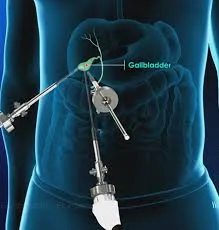
Laparoscopic cholecystectomy, often called “lap chole”, is the most commonly performed technique worldwide and in Pune. It uses small incisions, a camera, and specialised instruments to remove the gallbladder. Compared to open surgery, lap chole typically results in less postoperative pain, shorter hospital stay, reduced infection risk, and quicker return to normal activities. However, in situations with severe inflammation, dense scar tissue, or complex anatomy, conversion to open surgery may be necessary for safety.
| Procedure type | Benefits | Recovery time |
|---|---|---|
| Minimally invasive (laparoscopic cholecystectomy) | Less pain, smaller scars, shorter hospital stay, quicker return to work | 1–2 weeks for most daily activities; full recovery in 4–6 weeks for strenuous work |
| Traditional open cholecystectomy | Better exposure in complicated cases, sometimes safer when severe inflammation present | 2–6 weeks in hospital for activity restrictions; 6–12 weeks for full recovery depending on incision |
| Endoscopic (ERCP) plus cholecystectomy | Used for common bile duct stones: ERCP removes ductal stones, cholecystectomy prevents recurrence | ERCP recovery is usually short; cholecystectomy recovery as per chosen surgical approach |
Alternatives such as oral bile acids (ursodeoxycholic acid) can dissolve small cholesterol stones but are slow, unpredictable, and rarely used as first-line therapy for symptomatic disease. Percutaneous cholecystostomy (drainage) is an option for critically ill patients who are not surgical candidates, serving as a bridge until they can undergo definitive cholecystectomy.
In Pune, most elective and emergency gallbladder removals at modern hospitals including Lopmudra Swargate are performed laparoscopically by experienced general and laparoscopic surgeons. When discussing options with your surgeon, ask about conversion rates, surgeon experience, and postoperative expectations. Searching for terms like best laparoscopic surgeon in Pune for gallstones or gallstone specialist in Swargate can help identify appropriate local experts.
preparing for gallstone surgery in pune: tests, planning and costs
Once surgery is recommended, preparation involves medical optimization, preoperative testing, and logistical planning. Effective preparation reduces risks and improves postoperative recovery. If you are considering gallstone surgery in Pune, here is what to expect during the preparatory phase and guidance on cost considerations.
Typical preoperative steps:
- Preoperative evaluation: A thorough review of medical history, medications, allergies, and prior anesthetic experiences. Common comorbidities such as diabetes, hypertension, or heart conditions are optimized in consultation with primary care physicians or specialists.
- Laboratory tests: CBC, LFTs, coagulation profile, blood glucose, renal function tests, and any additional tests based on comorbidities.
- Imaging: Confirmatory ultrasound or MRCP if needed; review of prior ERCP reports if performed.
- Pre-operative instructions: Guidelines about fasting, medication adjustments (e.g., anticoagulants), and arrival time. Smoking cessation and modest exercise as advised improve outcomes.
- Consent and counselling: Discussion about risks, benefits, alternatives, possible need for conversion to open surgery, and expected recovery timeline. Patients are encouraged to ask questions about postoperative pain control, wound care, and follow-up.
Cost considerations in Pune:
Surgical costs vary by hospital, surgeon, duration of stay, implants (rarely necessary for cholecystectomy), and whether complications occur. For laparoscopic cholecystectomy in Pune, typical packages (including surgeon fees, anesthesia, operative room charges, and a short hospital stay) often range from approximately INR 45,000 to INR 1,50,000 depending on facility level, room category, and complexity. Emergency gallstone surgery in Pune can be more expensive due to additional investigations, urgent resources, or increased length of stay. At Lopmudra Swargate, we offer transparent pricing and can provide a tailored estimate when you contact our team. Search terms like lap chole cost in Pune, gallstone surgery cost in Pune, or lap chole cost in Swargate Pune will return a range, but the best approach is an in-person or teleconsultation to define the final package.
Insurance and payment:
Many health insurance plans cover cholecystectomy; patients should confirm coverage limits, pre-authorization requirements, and hospital empanelment. If you need help with pre-authorization or estimating out-of-pocket costs, Lopmudra Swargate’s administrative team can assist — call +918087122022 or WhatsApp +91 83790 33033.
what happens during laparoscopic cholecystectomy and hospital stay
Laparoscopic cholecystectomy is a standardized, minimally invasive operation typically performed under general anesthesia. Understanding the step-by-step process helps patients feel more prepared and less anxious. In Pune, experienced laparoscopic surgeons perform this procedure routinely at centers like Lopmudra Swargate, using modern equipment and protocols to ensure safety and a comfortable recovery.
Step-by-step overview:
- Anesthesia and positioning: After induction of general anesthesia, the patient is positioned supine, often with a slight inclination to the left to help exposure of the gallbladder.
- Port placement: Small incisions (usually four) are made — typically around the umbilicus, epigastric area, and right upper abdomen. Trocars (working ports) are placed for the laparoscope (camera) and instruments.
- Creation of pneumoperitoneum: Carbon dioxide gas is used to inflate the abdomen, providing working space and visualization.
- Dissection: The surgeon identifies the cystic duct and cystic artery within Calot’s triangle. Critical view of safety is obtained to avoid injury to the bile ducts.
- Division and removal: The cystic duct and artery are clipped and divided. The gallbladder is separated from the liver bed and removed, often through the umbilical port.
- Closure and recovery: Ports are removed, the gas released, and small wounds are closed. Patients are transferred to recovery, where vital signs and pain control are monitored.
Typical hospital stay and pain management:
Many patients are discharged within 24 hours after an uncomplicated laparoscopic cholecystectomy. Some centers, including Lopmudra Swargate, offer same-day discharge for selected patients or overnight stay for observation. Pain is usually well-controlled with oral analgesics; most describe mild to moderate discomfort near the incision sites. Early ambulation and gradual oral intake are encouraged. If ERCP was required for a common bile duct stone, that procedure may be performed before or after cholecystectomy depending on clinical circumstances.
Safety considerations:
- Conversion to open surgery may be necessary (conversion rates vary by centre and case complexity).
- Intra-operative cholangiography (x-ray of bile ducts) may be performed selectively to visualize stones or anatomy.
- Complications such as bile leak, bleeding, infection, or injury to bile ducts are uncommon but possible; experienced teams minimize these risks and manage them promptly if they occur.
recovery, diet and what to expect after gallbladder removal
Recovery after gallbladder removal is usually smooth, especially after laparoscopic cholecystectomy, but realistic expectations and attentive aftercare improve outcomes. Here’s a practical guide to recovery times, diet, wound care, and when to seek medical attention after gallstone removal surgery in Pune.
Typical recovery timeline:
- Immediate post-op (first 24–48 hours): Pain is managed with oral or short-acting IV analgesics. Patients are encouraged to walk, breathe deeply, and begin light oral intake. Most are discharged within 24 hours if stable.
- First week: Incisional discomfort and bloating are common. Patients can perform light activities and short walks. Work that requires minimal exertion can often be resumed within 7–10 days.
- 2–4 weeks: Gradual return to normal activities and heavier household tasks. Some patients notice changes in digestion, such as looser stools, which typically normalize over weeks.
- 4–6 weeks: Most patients feel fully recovered for routine daily activities; heavy lifting or strenuous exercise may be resumed based on physician advice.
Diet after cholecystectomy:
The gallbladder stores bile and releases it in response to meals, especially fatty foods. After removal, bile flows directly from the liver to the intestines; most people tolerate a normal diet. Early recommendations often include:
- Start with clear liquids and progress to bland, low-fat meals in the first 24–48 hours.
- Avoid very fatty or greasy meals for 2–4 weeks to reduce temporary digestive symptoms.
- Increase fiber intake gradually and maintain adequate hydration.
- If persistent diarrhoea occurs, dietary adjustments, antidiarrheal medication, or referral to a dietitian may help.
When to contact your surgeon:
- Fever above 38°C (100.4°F), increasing abdominal pain, redness or discharge from incisions.
- Persistent nausea/vomiting, jaundice or dark urine, or pale stools (signs of bile duct problems).
- Severe shortness of breath, chest pain, or leg swelling (seek urgent care).
Recovery time at Lopmudra Swargate: Many patients undergoing laparoscopic gallstone surgery Lopmudra are discharged the same day or after an overnight stay and report returning to routine activities within 7–14 days. Your surgeon will provide personalised guidance based on your condition and job demands.
choosing the right surgeon and hospital in pune: tips and comparisons
Choosing the right surgeon and hospital is one of the most important decisions affecting surgical outcomes and patient experience. For residents of Pune and nearby localities, selecting a team with experience in laparoscopic surgery, robust perioperative care, and emergency coverage is essential. Below are practical tips and a comparative look at what to consider when searching for the best gallstone surgeon in Pune or the best gallstone surgeon in Swargate Pune.
Criteria to consider:
- Surgeon experience: Look for a surgeon who performs laparoscopic cholecystectomy frequently. Ask about annual case volumes and specific experience with complicated gallbladder disease.
- Hospital facilities: Availability of advanced imaging, endoscopy/ERCP, intensive care, and experienced anesthesiology are crucial for handling both elective and emergency cases.
- Multidisciplinary team: Access to hepatobiliary specialists, gastroenterologists, and interventional radiologists adds safety for complex presentations.
- Patient outcomes and reviews: Hospital infection rates, readmission rates, and patient testimonials provide real-world insight.
- Transparent pricing and insurance support: Clear cost breakdown and help with pre-authorization are valuable for financial planning.
| Factor | High-volume laparoscopic centre (e.g., Lopmudra Swargate) | Small clinic or low-volume provider |
|---|---|---|
| Surgeon experience | Multiple experienced laparoscopic surgeons; frequent procedures | May have limited laparoscopic case exposure |
| Infrastructure | Advanced imaging, ERCP, critical care available | Basic facilities; may need transfer for complications |
| Cost transparency | Package offers, insurance assistance, clear estimates | Variable pricing, limited administrative support |
| Aftercare and follow-up | Structured follow-up, physiotherapy/dietetic support | Follow-up may be less organised |
For patients seeking the best laparoscopic surgeon in Pune for gallstones or searching “gallstone surgeon near me in Pune”, consider scheduling a consultation to discuss outcomes, ask about conversion and complication rates, and evaluate how comfortable you feel with the team. Lopmudra Swargate highlights experienced general surgeons and laparoscopic teams, modern operation theatres, and patient-centred care that many Pune residents find reassuring.
frequently asked questions, emergency signs and how to book at lopmudra swargate
Below are common questions patients ask about gallstones and surgery, urgent signs to watch for, and practical booking details for those in Pune and Swargate seeking care at Lopmudra.
Frequently asked questions:
- Will I live a normal life without a gallbladder? Yes. Most people lead normal lives after cholecystectomy. The liver continues to produce bile; digestion adapts over time.
- How soon after gallstone pancreatitis can I have surgery? Timing depends on severity. Mild cases may have early cholecystectomy during the same admission; severe pancreatitis may require delaying surgery until recovery.
- Is lap chole safe for older adults? Yes, with appropriate preoperative assessment and optimization, laparoscopic cholecystectomy is commonly performed in elderly patients.
- Can gallstones come back after surgery? Gallstones do not recur in the gallbladder once it is removed, although stones can rarely form in the bile ducts if residual stones remain.
Emergency signs that require immediate attention:
- Severe, unrelenting abdominal pain lasting more than a few hours
- Fever and chills with abdominal pain (possible infection)
- Yellowing of skin or eyes (jaundice), dark urine or pale stools
- Persistent vomiting or inability to tolerate fluids
Booking care at Lopmudra Swargate:
If you are in Swargate or central Pune and need a consultation for gallstones, contact Lopmudra Swargate at +918087122022 or WhatsApp +91 83790 33033. You can also book online via https://lopmudrahospitals.com/. Search phrases that help local SEO and scheduling include gallstone surgery in Swargate Pune, laparoscopic cholecystectomy in Swargate Pune, and gallbladder removal surgery Lopmudra Swargate.
Nearby localities served: patients from Deccan, Shivajinagar, Camp, Mandai, and other central Pune neighbourhoods commonly choose Lopmudra Swargate for prompt access to surgical teams and diagnostics.
For personalised guidance about your situation, diagnostic tests, or a surgery estimate tailored to your needs, reach out to Lopmudra Hospitals — Swargate. We offer coordinated care for gallstone problems, experienced laparoscopic surgeons, and a patient-first approach to both elective and emergency surgery. Call +918087122022, WhatsApp +91 83790 33033, or visit https://lopmudrahospitals.com/ to request an appointment or learn about estimated costs and insurance support.
Remember: timely consultation for symptomatic gallstones reduces the risk of complications and makes minimally invasive solutions like laparoscopic cholecystectomy in Pune the safest and most effective option for most patients.
This article was written by Dr. Raiba Deshmukh , sharing insights based on professional experience in the field. Keep it it
Leave a Reply