What is COPD?
Chronic Obstructive Pulmonary Disease (COPD) is a progressive lung disease characterized by persistent airflow limitation, often caused by long-term exposure to harmful substances, most commonly cigarette smoke. As per the World Health Organization, COPD is the third leading cause of death globally, responsible for approximately 3.23 million deaths in 2019 alone. The disease encompasses conditions such as emphysema and chronic bronchitis, which are marked by inflammation and damage in the lungs. Understanding COPD is crucial, especially in a vibrant city like Delhi, where air quality issues may exacerbate respiratory ailments.
With an alarming increase in environmental pollution and lifestyle changes, COPD has become increasingly prevalent in urban centers. Individuals with COPD typically experience symptoms like chronic cough, sputum production, and shortness of breath, which can limit their daily activities and significantly affect their quality of life. This blog aims to provide detailed insights into the symptoms, causes, and treatment options for COPD, offering valuable information for patients and their families navigating this chronic disease.
Common Symptoms of COPD
Recognizing the symptoms of COPD early is vital for effective management and treatment. The main symptoms include:
-
Chronic Cough: A long-lasting cough that produces mucus can signal COPD. This cough may worsen over time.
-
Shortness of Breath: Patients often find it difficult to breathe, especially during physical exertion. Many describe feeling out of breath even with normal activities like climbing stairs.
-
Wheezing: This high-pitched whistling sound occurs when breathing due to narrowed airways, commonly experienced during exertion or at night.
-
Chest Tightness: Feelings of pressure or tightness in the chest are common among COPD patients and can be distressing.
-
Frequent Respiratory Infections: Increased susceptibility to colds and respiratory infections is a recognized symptom, as the impaired lung function lessens the body’s defense mechanisms.
It’s essential to see a healthcare professional at institutions like Lopmudra Hospital if you are experiencing any of these symptoms, especially if they persist or worsen over time. A timely diagnosis can lead to significant improvements in patient management and outcomes.
Causes of COPD
The primary cause of COPD is long-term exposure to irritants that damage the lungs and airways. Key causes include:
-
Cigarette Smoking: Smoking is the leading cause of COPD, with around 85-90% of cases linked directly to tobacco use. The harmful chemicals in tobacco smoke lead to inflammation and lung damage over time.
-
Air Pollution: High levels of air pollution, specifically in urban areas such as Delhi, contribute significantly to COPD development. Prolonged exposure to industrial emissions, vehicle exhaust, and dust can worsen lung function.
-
Occupational Exposures: Certain jobs that expose individuals to harmful dust, chemicals, or fumes, such as construction or mining, can increase the risk of developing COPD.
-
Genetic Factors: Alpha-1 antitrypsin deficiency is a genetic condition that affects the lungs and liver and can lead to COPD, particularly in individuals who do not smoke.
Understanding these causes can play a pivotal role in both prevention and treatment. At Lopmudra Hospital, our dedicated healthcare team emphasizes education and preventive care strategies to help patients mitigate risks associated with COPD.
Diagnosis of COPD
Early detection of COPD is crucial for effective management and treatment. A comprehensive evaluation at a healthcare facility usually includes the following steps:
-
Medical History: Your healthcare provider will gather information about your symptoms, smoking history, and exposure to pollutants or irritants.
-
Physical Examination: A physical exam may involve listening to your lungs with a stethoscope to check for wheezing or decreased breath sounds.
-
Pulmonary Function Tests: Spirometry is a critical test used to diagnose COPD. It measures how much air you can exhale after taking a deep breath, providing important information about lung function.
-
Imaging Tests: Chest X-rays or CT scans may help visualize the lungs and check for other issues that may be contributing to symptoms.
These diagnostic steps aid in confirming the presence of COPD, categorizing its severity, and creating an effective treatment plan tailored to each patient’s needs. Healthcare facilities like Lopmudra Hospital are equipped with state-of-the-art diagnostic tools to ensure comprehensive evaluations for respiratory conditions.
Management and Treatment Options for COPD
While there is currently no cure for COPD, various treatments can help manage symptoms, improve quality of life, and slow the progression of the disease. Some common treatment options include:
-
Bronchodilators: These medications help relax the muscles around the airways, making breathing easier. They come in short-acting and long-acting formulations, allowing for personalized treatment plans.
-
Inhaled Corticosteroids: These anti-inflammatory medications can help reduce lung inflammation and prevent exacerbations, providing essential relief for many patients with COPD.
-
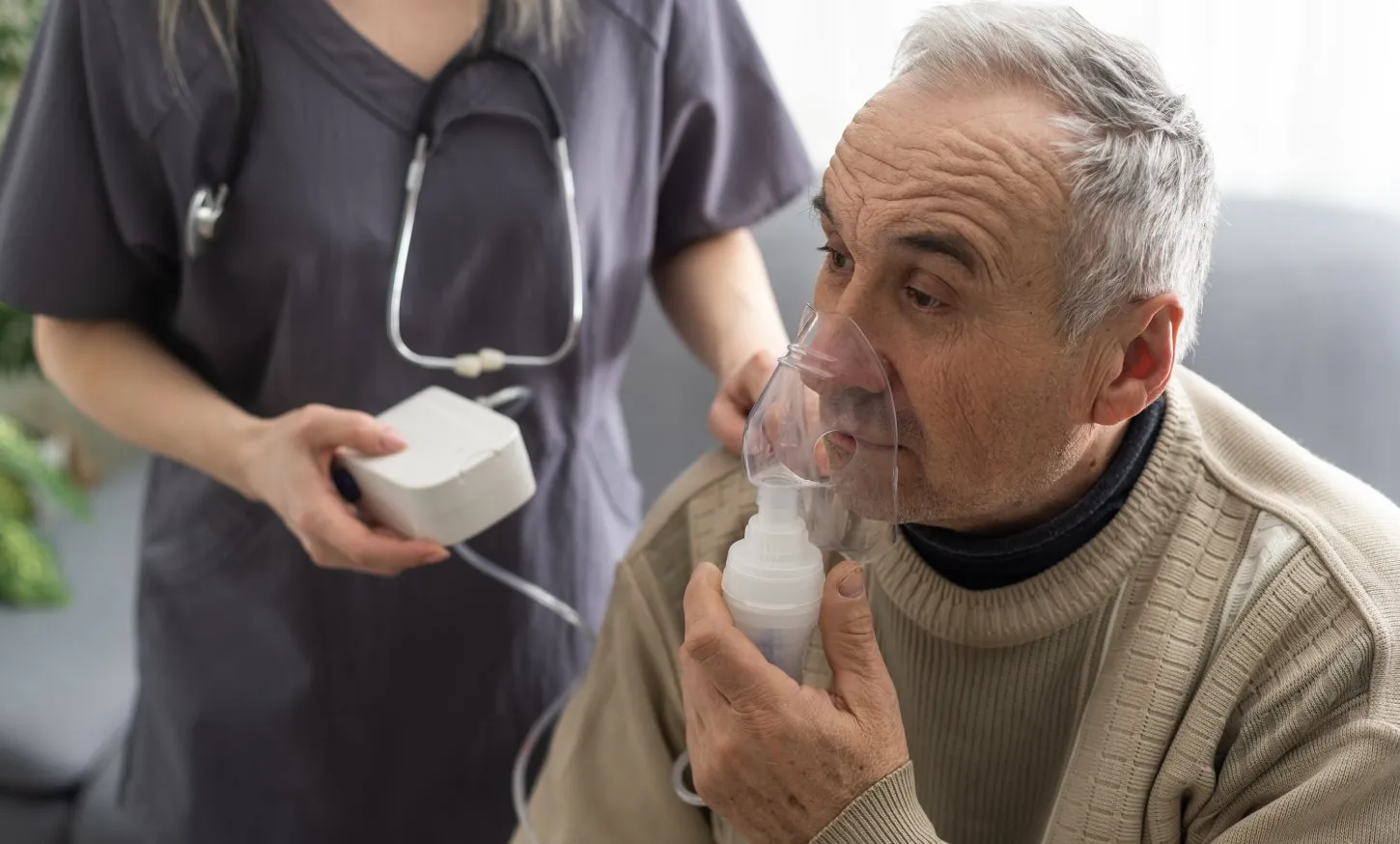
Oxygen Therapy: For individuals with low blood oxygen levels, supplemental oxygen can help improve oxygenation and make daily activities more manageable.
-
Pulmonary Rehabilitation: A structured program that includes exercise, nutrition education, and counseling can help patients improve their overall health and manage COPD effectively.
-
Surgery: In severe cases, surgeries such as lung volume reduction surgery or lung transplantation may be considered. Wellness centers like Lopmudra Hospital have dedicated specialists who can guide patients on these surgical options.
Each treatment plan is tailored to individual patient needs, considering other health conditions and overall health status. Our multidisciplinary team at Lopmudra Hospital focuses on evidence-based treatments to optimize patient outcomes.
Lifestyle Changes for COPD Management
In addition to medical treatments, significant lifestyle changes can greatly impact the quality of life for COPD patients. Here are effective strategies:
-
Quit Smoking: For smokers, quitting is the single most crucial step in managing COPD. Resources and support programs are available at Lopmudra Hospital to assist patients in this journey.
-
Regular Exercise: Engaging in physical activity can improve respiratory function and overall stamina. Tailored exercise programs may be established through pulmonary rehabilitation.
-
Healthy Diet: A well-balanced diet rich in fruits, vegetables, and whole grains can support lung health and overall well-being. Nutritional advice can be provided at our hospital.
-
Prevent Respiratory Infections: Ensuring vaccinations such as flu shots and pneumonia vaccines can significantly reduce the risk of respiratory infections.
-
Avoiding Pollutants: Staying indoors on days when air quality is poor or using an air purifier can help minimize exposure to environmental pollutants that exacerbate COPD symptoms.
By adopting these lifestyle modifications, patients can enhance their quality of life while effectively managing the challenges associated with COPD.
Support and Resources for COPD Patients
Living with COPD can be challenging, emphasizing the need for support and resources to assist patients and their families. Several resources are available:
-
Educational Programs: Many hospitals, including Lopmudra Hospital, offer COPD educational programs that provide crucial information about the disease, treatment options, and self-management strategies.
-
Support Groups: Connecting with other individuals facing similar challenges can provide emotional support and practical advice for managing COPD. Local community groups often meet regularly to share experiences and coping strategies.
-
Access to Healthcare Professionals: Patients can build strong relationships with their healthcare teams, ensuring ongoing support, regular check-ups, and personalized care plans.
It is vital for patients to feel empowered and supported as they navigate their journey with COPD. Our dedicated team at Lopmudra Hospital is always ready to assist patients in understanding their condition and accessing valuable resources.
Conclusion: Understanding COPD for Better Management
Chronic Obstructive Pulmonary Disease (COPD), while chronic and progressive, can be effectively managed with an understanding of the condition, proactive lifestyle changes, and the right medical interventions. With proper diagnosis, ongoing care, and tailored treatment, patients can significantly improve their quality of life.
Facilities like Lopmudra Hospital are committed to providing comprehensive care for COPD patients, enabling them to lead productive lives while managing their respiratory health. If you or a loved one is experiencing symptoms of COPD, do not hesitate to reach out to our dedicated team for consultation and support.
This article was written by Dr. Sneha Tirpude, sharing insights based on professional experience in the field.
Leave a Reply