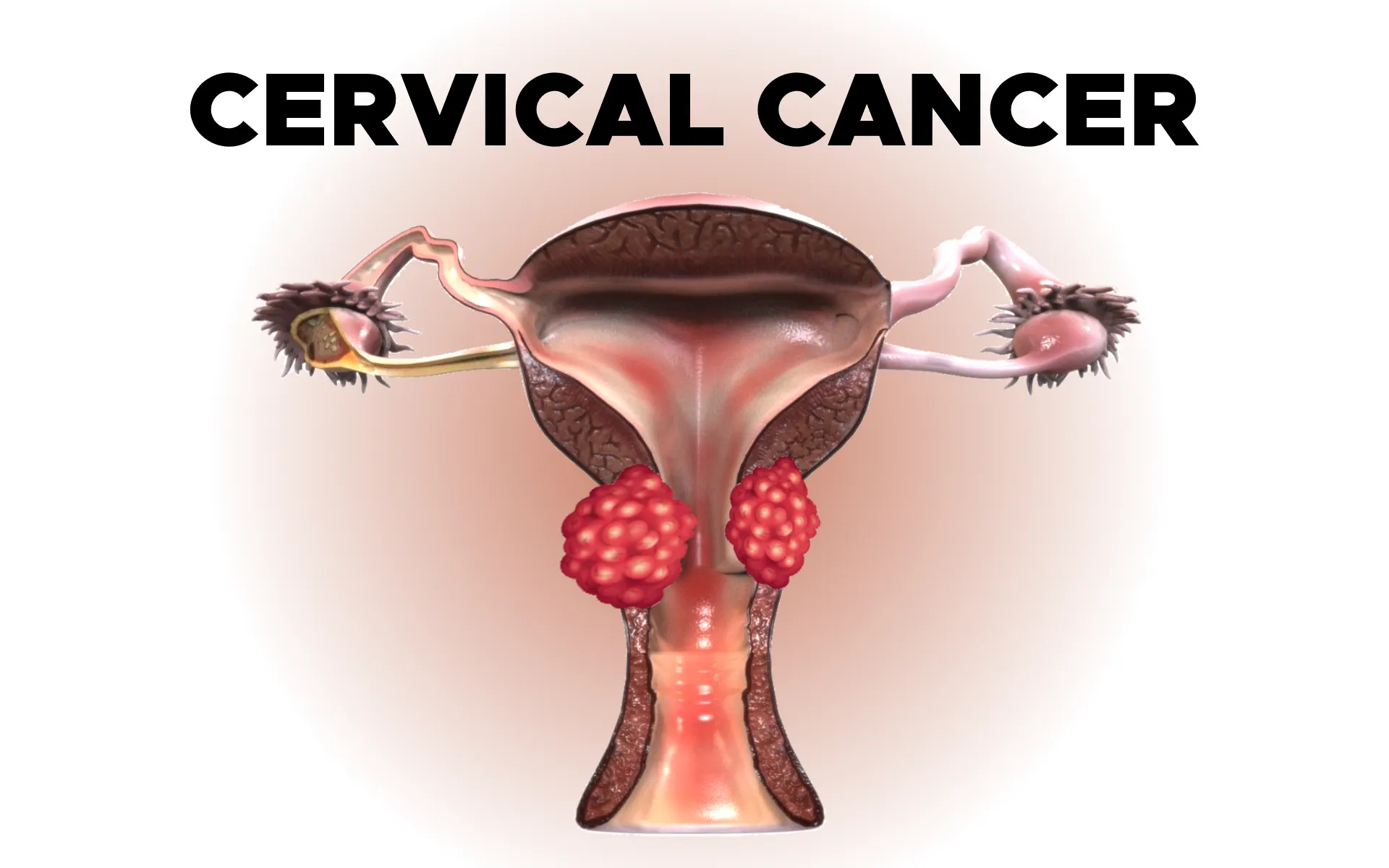
At Lopmudra Meera Hospital, Pune, we believe awareness is the first step toward protection and better health. Recently, we organized a Cervical Cancer Awareness Camp in association with the Sayog Wonder Card Ladies Group, led by Dr. Archana Salve (Consultant & Head – OBGYN & IVF).
Over 40+ women participated in an interactive session focused on:
-
Common gynaecological problems
-
Prevention of cervical cancer
-
Timely screening and early diagnosis
-
HPV vaccination and who should consider it
Cervical cancer is one of the most preventable cancers when women have the right information, regular screening, and timely medical support. Global health authorities also emphasize that cervical cancer is largely preventable through HPV vaccination and regular screening, and it can be treated successfully if found early.

ı What is cervical cancer, and why is it preventable?
Cervical cancer starts in the cervix (the lower part of the uterus). In most cases, it is linked to persistent infection with high-risk Human Papillomavirus (HPV).
It is considered preventable because:
-
HPV vaccination reduces risk before exposure
-
Screening tests detect early changes (pre-cancer) before cancer develops
-
Early detection improves outcomes significantly
ı Who should be most alert about cervical cancer risk?

You should be extra mindful about screening if you:
-
Have never been screened or have gaps in screening
-
Have persistent HPV infection or a history of abnormal Pap/HPV tests
-
Smoke (smoking can increase risk)
-
Have a weakened immune system
-
Live with HIV (risk is higher)
Important: Even without symptoms, screening is still essential.
ı What are common signs and symptoms you should not ignore?
Early stages may have no symptoms, which is why screening is so important.
Seek evaluation if you have:
-
Bleeding between periods or after intercourse
-
Unusual vaginal discharge (watery, foul-smelling, or blood-stained)
-
Pelvic pain or pain during intercourse
-
Persistent lower back pain (especially with other symptoms)
These symptoms don’t always mean cancer, but they do mean you should consult a gynecologist promptly.
ı What did we cover in the awareness camp?
During the camp, Dr. Archana Salve and our team shared practical, patient-friendly guidance on:
1) Common gynaecological concerns
Many women delay care for issues like irregular periods, infections, pelvic pain, or discharge. The camp emphasized that early consultation reduces complications.
2) Screening: when to start and what tests are used
Different guidelines exist globally, but the key message is simple: screening saves lives.
-
Many programs recommend HPV-based screening around age 30 and above
-
Other guidance recommends Pap testing from age 21, with HPV-based options later
Best approach: Your gynecologist will recommend the right test and schedule based on your age, history, and risk.
3) HPV vaccination: prevention before problems
HPV vaccination is a major preventive tool and is widely recommended in the appropriate age groups. It is most effective before exposure.
Local note: Reports indicate Maharashtra is planning free HPV shots for girls aged 9–14 starting January 2026 through public health services.
4) Early diagnosis and timely care
The session reinforced: Don’t wait for symptoms. Most precancerous changes are treatable if caught early.
ı How do cervical screening tests work?
Here are the most common screening methods your gynecologist may recommend:
-
Pap test (Pap smear / cervical cytology): checks for abnormal cells
-
HPV test: checks for high-risk HPV types linked to cervical cancer
-
Co-testing (Pap + HPV): sometimes used in certain age groups
If screening is abnormal, your doctor may advise colposcopy (a closer examination) and guided biopsies if needed.
ı How can women reduce cervical cancer risk in daily life?
Along with screening and vaccination, practical steps include:
-
Get screened on time (even if you feel fine)
-
Consider HPV vaccination after medical advice
-
Avoid smoking
-
Practice safe sex and seek care for persistent infections
-
Don’t ignore persistent symptoms like abnormal bleeding
ı Why this camp matters for Pune families
Awareness events like this help women:
-
Ask questions without fear or stigma
-
Understand the difference between myths vs medical facts
-
Learn when to act early—before problems become serious
-
Know where to go for trusted care
Community awareness plus vaccination and screening can reduce the burden of cervical cancer and save lives.
ı Frequently Asked Questions
Is cervical cancer screening painful?
Screening is usually quick and mildly uncomfortable, not painful for most women. It takes a few minutes. If you feel anxious, tell your doctor—gentle technique and clear guidance make it easier.
When should I start cervical cancer screening?
It depends on age and risk. Many programs emphasize HPV-based screening around age 30, while other guidelines start Pap screening at 21. Your gynecologist will advise what fits you best.
Do I need screening if I have no symptoms?
Yes. Early cervical changes often cause no symptoms, which is why screening is so valuable.
Is HPV vaccination only for teenagers?
Vaccination is most effective before exposure, so it’s commonly recommended in early adolescence. Catch-up options may exist depending on age and medical advice.
Can HPV vaccination replace screening?
No. Vaccination reduces risk but does not eliminate it, so screening is still important as per your doctor’s advice.
What if my Pap/HPV test is abnormal?
An abnormal result does not automatically mean cancer. Your doctor may recommend repeat testing, HPV typing, or colposcopy to confirm what’s going on and treat early changes if needed.
ı Watch the camp reel
Content link: https://www.instagram.com/reel/DSmxSVPj4jl/?igsh=N3V5NTRjMzMxOWp0
ı Book women’s health support at Lopmudra Meera Hospital (Pune)
If you or someone you know needs guidance on women’s health, cervical screening, HPV vaccination, infertility care, or gynecological consultation, we’re here to help.
Lopmudra Meera Hospital, Pune, India
Phone / WhatsApp: 8378022022 | 8379033033
Email: contact@lopmudrahospitals.com

Medical disclaimer: This blog is for awareness and does not replace a clinic consultation. Screening and vaccination decisions should be personalized by your doctor.
Leave a Reply