Category: Uncategorized

  • Effective Treatments for Acute Cough and Asthma Shortness of Breath – Lopmudra Hospital

    Effective Treatments for Acute Cough and Asthma Shortness of Breath – Lopmudra Hospital

    Understanding Acute Cough and Asthma Shortness of Breath


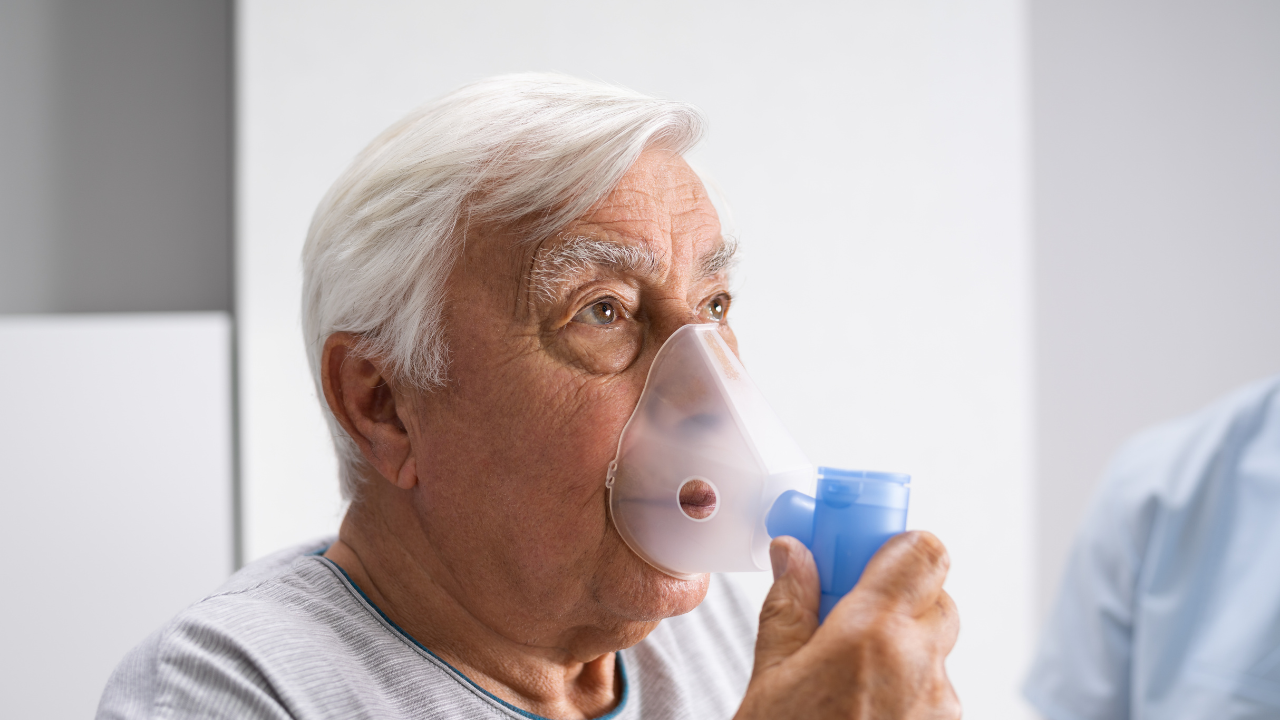
    Acute cough and asthma shortness of breath are common respiratory issues that can significantly impact the quality of life for many individuals, especially in urban settings such as our local area near Lopmudra Hospital Chain. Coughing is the body’s natural reflex to clear the airways, but when it becomes persistent or associated with asthma, it may signal underlying problems that require attention. This comprehensive guide aims to help you understand both conditions, their causes, symptoms, and effective strategies for management and treatment.


    What Causes Acute Cough?

    Acute cough is typically characterized as a cough lasting less than three weeks. It often occurs as a result of infections or irritations affecting the respiratory system. Common causes include:

    • Viral Infections: The majority of acute cough cases originate from viruses, such as the common cold or influenza. These infections can cause inflammation in the respiratory tract.

    • Bacterial Infections: Some bacterial infections can lead to conditions like bronchitis or pneumonia, both of which may present with a severe cough.

    • Environmental Irritants: Exposure to smoke, pollution, or dust can trigger coughing as the body tries to expel these unwanted substances.

    • Allergies: Allergens such as pollen, mold, or pet dander can irritate the airways, resulting in an acute cough, particularly in predisposed individuals.

    Understanding these causes is vital in seeking appropriate treatment options for cough relief and in preventing its recurrence.


    Recognizing Asthma Shortness of Breath

    Asthma is a chronic condition that inflames and narrows the airways, making breathing difficult. When an asthma attack occurs, individuals may experience episodes of shortness of breath. Recognizing these episodes early can make a significant difference in managing the disease. Key factors that can trigger asthma-related shortness of breath include:

    • Allergic Reactions: Common allergens such as dust mites, pet fur, and pollen can exacerbate asthma symptoms.

    • Exercise: Physical exertion can trigger asthma symptoms in some individuals, referred to as exercise-induced bronchoconstriction.

    • Respiratory Infections: Viral infections, particularly those affecting the upper respiratory tract, can lead to intensified asthma symptoms.

    Recognizing these triggers is essential for effective management and prevention of asthma attacks.


    Symptoms of Acute Cough and Asthma

    Understanding the symptoms associated with acute cough and asthma shortness of breath can help individuals identify when medical attention is necessary. Symptoms may vary based on the underlying cause, but common ones include:

    • For Acute Cough:

      • Persistent coughing that might be accompanied by mucus production.
      • Chest discomfort or pain due to constant coughing.
      • Wheezing or congestion in severe cases.
    • For Asthma Shortness of Breath:

      • Difficulty catching your breath.
      • Wheezing, especially during exhalation.
      • Tightness or pressure in the chest.
      • Coughing, particularly at night or early morning.

    If patients experience severe difficulty in breathing or chest pain, it is crucial to seek emergency care. Contact us at Lopmudra Hospital Chain at +918087122022 for prompt assistance.


    Treating Acute Cough: Effective Strategies

    Effective management of acute cough largely revolves around addressing its underlying cause. Here are some suggested strategies and treatments:

    • Over-the-Counter (OTC) Medications: Cough suppressants like dextromethorphan can help reduce the urge to cough, while expectorants like guaifenesin can assist in loosening mucus.

    • Steam Inhalation: Using steam vaporizers can help soothe inflamed airways and reduce coughing. It’s a simple, yet effective home remedy.

    • Stay Hydrated: Drinking plenty of fluids helps thin mucus and makes it easier to cough out, promoting clearer airways.

    • Humidifiers: Utilizing humidifiers in your home can add moisture to the air, which can lessen cough frequency, especially during colder months.

    If cough persists over a prolonged period, it is essential to consult healthcare professionals for thorough examination and treatment plans tailored to individual needs.


    Managing Asthma: A Comprehensive Approach

    Asthma management requires a combination of medication, lifestyle changes, and awareness of triggers. Established interventions include:

    • Inhaled Corticosteroids: These are anti-inflammatory medications that help to reduce airway swelling and prevent asthma symptoms from developing.

    • Beta-agonists: Short-acting beta-agonists such as albuterol can offer quick relief during acute shortness of breath, while long-acting versions help maintain control.

    • Regular Monitoring: Keeping track of peak flow measurements helps individuals gauge the severity of their asthma and take necessary action.

    • Education and Action Plans: Patients should collaborate with healthcare providers to develop a personalized asthma action plan, fueling better management of the condition.

    We at Lopmudra Hospital Chain advocate for proactive asthma management to help our patients lead fulfilling lives despite having asthma.


    Lifestyle Changes to Help Manage Symptoms

    Making certain lifestyle alterations can help in minimizing the impact of both acute cough and asthma. Key recommendations include:

    • Avoiding Triggers: Recognize and avoid allergens or irritants known to provoke symptoms, such as tobacco smoke, strong perfumes, or pet dander.

    • Staying Active: Maintain a regular, personalized exercise program that strengthens lung function, but always consult your healthcare provider first.

    • Implementing a Healthy Diet: Focus on foods rich in antioxidants, such as fruits and vegetables, which can improve overall lung health.

    • Stress Management: Stress can worsen both asthma and cough symptoms. Engaging in relaxation techniques such as yoga or meditation can be beneficial.

    Lifestyle changes, in conjunction with medical management, can lead to improved outcomes for individuals suffering from chronic cough and asthma.


    Emergency Care: When to Seek Help

    While managing acute cough and asthma is feasible for many, certain situations necessitate immediate medical attention. Recognizing when to seek emergency care can be life-saving:

    • Severe Shortness of Breath: If you experience significant difficulty breathing, it is essential to get help immediately.

    • Chest Pain: Unexplained chest pain alongside breathing difficulties can be a sign of serious conditions requiring prompt medical evaluation.

    • Worsening Symptoms: If your asthma symptoms escalate despite treatment, immediate consultation is warranted.

    In our local community, Lopmudra Hospital Chain stands ready to provide comprehensive emergency services for respiratory issues. Contact us at +918087122022 if you’re in need of urgent care.


    Conclusion: Taking Charge of Your Health

    Living with acute cough and asthma doesn’t have to overshadow daily life. By understanding the conditions, acknowledging triggers, and implementing effective management strategies, individuals can significantly improve their health and well-being. Proactive healthcare, including regular check-ups at Lopmudra Hospital Chain, contributes to successful outcomes for those affected by these respiratory issues. For more information or to schedule an appointment, visit our website at Lopmudra Hospital Chain or reach out to us at +918087122022.

    This article was written by Dr. Sneha Tirpude, sharing insights based on professional experience in the field.

  • Understanding How Air Pollution Affects Your Lungs: Insights from Lopmudra Hospital

    Understanding How Air Pollution Affects Your Lungs: Insights from Lopmudra Hospital

    Can Air Pollution Accumulate in the Lungs?


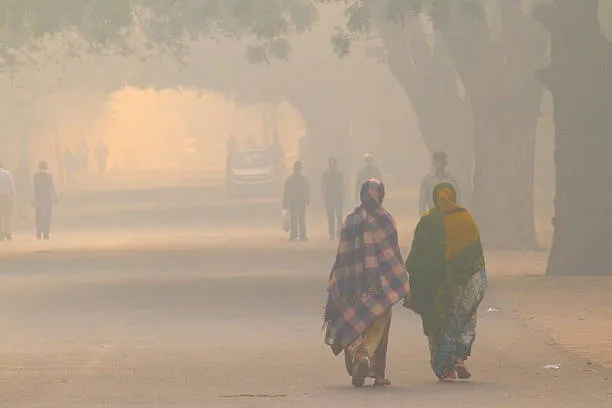
    With the increasing levels of urbanization and industrialization, air pollution has become a significant concern worldwide. It poses various health risks, particularly for the respiratory system. In this blog, we will explore whether air pollution can accumulate in the lungs, its effects on overall health, and the measures that can be taken to mitigate these risks. For those residing in regions like Pune where pollution levels can peak, understanding this issue is vital. At Lopmudra Hospital Chain, we strive to educate our patients about managing respiratory health effectively.


    Understanding Air Pollution and Its Sources

    Air pollution consists of harmful substances present in the atmosphere, leading to various health complications. Key pollutants include:

    • Particulate Matter (PM): These tiny particles suspended in the air can penetrate deep into the lungs and even enter the bloodstream, leading to serious health issues.

    • Nitrogen Dioxide (NO2): Commonly released from vehicles and industrial processes, NO2 is linked with respiratory diseases and can worsen the condition of asthma patients.

    • Carbon Monoxide (CO): Produced mainly through incomplete combustion of fossil fuels, high levels of CO can lead to suffocation and long-term health complications.

    • Sulfur Dioxide (SO2): Emitted from power plants and industrial facilities, exposure to SO2 can cause irritation of the airways and aggravate pre-existing lung conditions.

    • Ozone (O3): Ground-level ozone can trigger respiratory problems and is formed when sunlight reacts with pollutants from vehicles and industrial sources.

    Understanding these pollutants and their sources is crucial, especially for individuals diagnosed with respiratory conditions. At Lopmudra Hospital Chain in Pune, we emphasize the role of education in combating the adverse effects of air pollution.


    How Do Pollutants Accumulate in the Lungs?

    When inhaled, air pollution particles can enter the lungs and cause damage to lung tissue. While the body has mechanisms to clear some particles from the lungs, continuous exposure to high pollution levels can overwhelm these defenses, leading to accumulation. Key pathways through which pollutants can accumulate in the lungs include:

    • Inflammation: Exposure to pollutants can induce inflammation in lung tissues, leading to chronic conditions like chronic obstructive pulmonary disease (COPD) or asthma. This inflammation can create a cycle where further pollutants lead to increased inflammation.

    • Aldose Reductase Pathway: Certain pollutants can initiate biochemical pathways that exacerbate lung damage, making it difficult for lung tissues to recover effectively.

    • Obstructive Profiles: Accumulated pollutants can obstruct airway passages, leading to symptoms like breathlessness, coughing, and wheezing.

    Given the persistent nature of air pollution in urban environments like Pune, it’s crucial for residents to monitor pollution levels and understand how they can protect their lung health.


    Health Implications of Pollutant Accumulation

    The health implications of accumulated air pollutants in the lungs cannot be underestimated. Studies have shown a direct correlation between air quality and respiratory health. Some of the major health effects include:

    • Respiratory Diseases: Extended exposure to air pollutants can lead to conditions such as asthma, bronchitis, and even lung cancer. Individuals with pre-existing conditions like asthma may find their symptoms exacerbated.

    • Cardiovascular Issues: There is compelling evidence that air pollution contributes to cardiovascular diseases, as pollutants can enter the bloodstream and affect heart function.

    • Allergies and Sensitivities: Increased exposure to air irritants can heighten allergic reactions, leading to symptoms such as nasal congestion and throat irritation.

    • Pediatric Concerns: Children are particularly vulnerable to the effects of air pollution due to their developing lungs and higher respiratory rates.

    At Lopmudra Hospital Chain, we regularly handle cases where patients suffer from complications due to air pollution exposure. Emphasizing early detection and intervention can significantly alter health outcomes.


    Signs and Symptoms of Lung Pollution Exposure

    Being aware of signs and symptoms that could indicate the negative impact of air pollution on your lungs is essential for early diagnosis and treatment. Common symptoms include:

    • Chronic Cough: A persistent cough that does not respond to typical treatments can signal underlying lung damage.

    • Difficulty Breathing: Shortness of breath, especially during exertion, may indicate decreased lung capacity due to pollution accumulation.

    • Chest Pain: Any unusual pain or pressure in the chest should be evaluated, as it may relate to respiratory complications.

    • Frequent Respiratory Infections: Recurrent infections such as pneumonia could signal weakened lung defenses due to accumulated pollutants.

    • Worsened Allergy Symptoms: Heightened allergy symptoms can often correlate with rising air pollution levels.

    For residents in Pune, staying vigilant about these symptoms can be crucial. Early consultations with specialists, such as the best pulmonologists in Pune, can provide guidance on appropriate treatment and management options.


    Diagnosis: How Are Lung Issues from Air Pollution Identified?

    If you suspect that pollution has affected your respiratory health, diagnostic processes may include:

    • Physical Examination: A thorough examination by a specialist can help identify visible symptoms linked to air pollution exposure.

    • Pulmonary Function Tests (PFTs): These tests evaluate how well your lungs are functioning by measuring lung capacity and airflow.

    • Chest X-rays: Imaging can help visualize lung structure and identify abnormalities that may arise from pollution exposure.

    • CT Scans: More detailed imaging may be utilized to assess significant lung damage or diseases caused by pollutant accumulation.

    • Sputum Tests: Analyzing mucus production can provide insights into inflammation and infection resulting from inhaled pollutants.

    At Lopmudra Hospital Chain, we provide comprehensive diagnostic services to ensure early identification and management of lung-related conditions due to air pollution.


    Effective Treatment Options for Lung Damage Due to Pollution

    The treatment approach for lung conditions arising from air pollution largely depends on the severity of symptoms and underlying issues. Some effective treatment options include:

    Treatment Type Description Indications
    Medications Bronchodilators, corticosteroids, and other medications can help reduce inflammation and open airways. Mild to moderate symptoms; chronic conditions.
    Pulmonary Rehabilitation A program that includes exercises, education, and support to improve lung function and quality of life. Chronic lung diseases like COPD.
    Oxygen Therapy Supplemental oxygen can help improve breathing in individuals with chronic lung conditions. Severe symptoms or low blood oxygen levels.
    Lung Surgeries Surgical options may be necessary in cases of severe lung damage, such as lung cancer. Severe lung disease; potential malignancies.

    For residents of Pune, options tailored to individual needs can be discussed with the best asthma specialists in Pune, ensuring accessible and effective treatment plans.


    Preventive Measures to Protect Lung Health from Pollution

    Prevention is always better than cure, especially when it comes to lung health impacted by air pollution. Some actionable steps include:

    • Stay Indoor During High Pollution Days: Monitoring pollution levels via apps can help you determine when to limit outdoor activities.

    • Use Air Purifiers: Investing in quality air purifiers can significantly reduce indoor air pollutants.

    • Smoking Cessation: Avoid smoking and exposure to secondhand smoke, as they compound the effects of air pollution.

    • Healthy Lifestyle: Regular exercise, a balanced diet, and staying hydrated can help strengthen the lungs against pollution.

    Our team at Lopmudra Hospital Chain advocates for proactive steps to maintain optimal lung health, particularly for residents in high-pollution areas.


    Conclusion: The Importance of Awareness and Action

    Ultimately, understanding the effects of air pollution on lung health is crucial for everyone, especially in densely populated urban areas like Pune. By being aware of symptoms, seeking timely diagnosis, and implementing preventive strategies, individuals can significantly improve their respiratory health and overall well-being. If you have concerns regarding lung health, don’t hesitate to reach out to our dedicated team at Lopmudra Hospital Chain by calling +918087122022 or via WhatsApp at 918379033033. We are here to help you breathe easier and healthier.


    This article was written by Dr. Sneha Tirpude, sharing insights based on professional experience in the field.
  • Asthma and Breathlessness: Effective Management Tips from Lopmudra Hospital’s Experts

    Asthma and Breathlessness: Effective Management Tips from Lopmudra Hospital’s Experts

    Understanding Asthma: The Basics of the Condition


    Asthma is a chronic respiratory condition characterized by the inflammation and narrowing of the airways, leading to difficulty in breathing. It affects millions of individuals around the globe, causing a range of symptoms, including shortness of breath, wheezing, chest tightness, and coughing. At Lopmudra Hospital Chain, we aim to provide comprehensive healthcare services in [City] for patients suffering from asthma, helping them manage their condition effectively.

    Understanding the physiological changes that occur during an asthma attack is vital for both patients and caregivers. In asthmatics, exposure to allergens or irritants triggers an inflammatory response, resulting in excessive mucus production and bronchoconstriction, further impeding airflow. As such, individuals with asthma must be equipped with knowledge about their condition, as effective management leads to improved quality of life.


    Common Triggers of Asthma Attacks

    Identifying asthma triggers is essential for effective management. Some common triggers include:

    • Allergens: Pollen, dust mites, mold, and pet dander are common allergens that can exacerbate asthma symptoms.
    • Irritants: Tobacco smoke, strong odors, air pollution, and chemical fumes can lead to increased inflammation of the airways.
    • Weather Conditions: Sudden changes in weather, particularly cold air, can trigger symptoms or asthma attacks.
    • Physical Activity: Exercise-induced bronchoconstriction can occur in some asthmatics, particularly during high-intensity activities.
    • Infections: Viral infections, such as cold or flu, can exacerbate asthma symptoms, leading to increased airway inflammation.

    By recognizing and avoiding these triggers, patients can greatly mitigate the frequency and severity of their asthma attacks, promoting better respiratory health.


    Symptoms: Recognizing an Asthma Attack

    Asthma symptoms can range from mild to severe, and they may vary from person to person. Recognizing these symptoms early can significantly improve a patient’s ability to navigate an asthma episode. Common symptoms include:

    • Shortness of Breath: Patients may experience difficulty breathing, especially during physical activities or at night.
    • Wheezing: A high-pitched whistling sound while breathing, especially during exhalation, is a hallmark of asthma.
    • Chest Tightness: This sensation can feel like pressure in the chest and may be accompanied by discomfort.
    • Coughing: A persistent cough that worsens at night or early in the morning may indicate underlying asthma.

    Being aware of these symptoms not only aids in the timely response to an asthma attack but also helps in seeking timely medical intervention from experienced doctors in [City] for ongoing management and support.


    The Importance of Asthma Action Plans

    An asthma action plan is a personalized, written plan developed by a healthcare professional, guiding patients on how to manage their asthma effectively. This plan includes monitoring symptoms, identifying triggers, and establishing medication protocols. Components of a well-structured asthma action plan include:

    • Daily Monitoring: Keeping track of daily symptoms and peak flow readings can help identify patterns and potential flare-ups.
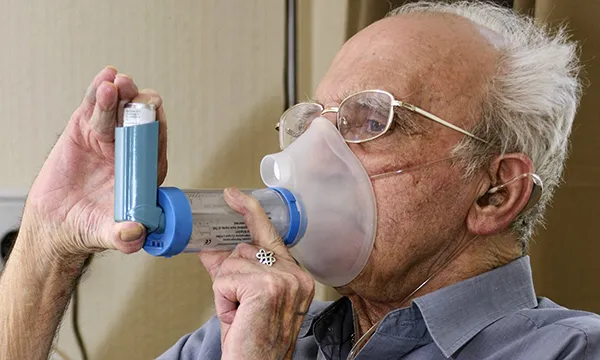
    • Medications: A clear outline of prescribed medications, such as rescue inhalers or maintenance medications, along with explicit instructions on when to use them.
    • Emergency Response: Instructions on recognizing symptoms that require immediate medical attention or the use of rescue medication.

    Developing an asthma action plan is a crucial step in managing the condition effectively. At Lopmudra Hospital Chain, our team is dedicated to creating individualized asthma action plans, empowering patients to take control of their health and well-being.


    Diagnosis and Testing for Asthma

    Accurate diagnosis is the first step towards effective asthma management. Healthcare providers employ a range of diagnostic tools to evaluate the patient’s condition. Some common methods include:

    • Medical History: A detailed history of symptoms, family history of asthma and allergies can provide essential insight.
    • Physical Examination: Basic examinations to check for wheezing, breathing patterns, and overall health.
    • Pulmonary Function Tests (PFT): These tests measure lung function and airflow limiting capabilities, providing objective data on the extent of asthma.
    • Peak Flow Monitoring: Patients use a peak flow meter at home to measure their peak expiratory flow rate, identifying variability in lung function.

    These diagnostic tools enable healthcare professionals at Lopmudra Hospital Chain in [City] to determine the severity of asthma and to tailor treatments according to individual needs.


    Treatment Options for Asthma Management

    Treating asthma involves a combination of medication and lifestyle adjustments. Several treatment options are available that aim to control symptoms and improve respiratory function:

    Medication Type Purpose Examples
    Long-term Control Medications Reduce airway inflammation and prevent symptoms Inhaled corticosteroids, leukotriene modifiers
    Quick-relief Medications Provide rapid relief during an asthma attack Short-acting beta agonists, anticholinergics
    Biologic Therapy Target specific pathways in asthma Monoclonal antibodies (e.g., Omalizumab)

    The healthcare professionals at Lopmudra Hospital Chain are well-versed in administering specialized medical treatments in [City], providing comprehensive educational resources about medication management and effective inhaler techniques.


    Lifestyle Modifications for Asthma Patients

    Incorporating lifestyle modifications can significantly improve asthma management and enhance overall quality of life. Some effective strategies include:

    • Avoiding Triggers: Identifying and minimizing exposure to known irritants and allergens can help reduce the frequency of asthma attacks.
    • Regular Exercise: Engaging in physical activity can improve lung function; however, individuals should consult with their healthcare provider to design an exercise regimen that suits their condition.
    • Healthy Diet: A well-balanced diet rich in fruits, vegetables, and omega-3 fatty acids may help reduce inflammation.
    • Stress Management: Techniques such as deep breathing, yoga, or meditation can aid in reducing stress levels, which may mitigate asthma symptoms.

    Making these modifications alongside medical treatment can promote effective asthma control. The expert medical care at Lopmudra Hospital Chain in [City] offers patients the support they need to implement these lifestyle changes successfully.


    Asthma and Emergency Situations: When to Seek Help

    Understanding when an asthma episode escalates into an emergency can be lifesaving. Patients should be vigilant and know the warning signs that necessitate urgent medical attention:

    • Severe Shortness of Breath: Difficulty speaking, walking, or performing activities of daily living indicates a serious episode.
    • Persistent Coughing or Wheezing: If symptoms persist despite using a rescue inhaler, it’s critical to seek emergency care.
    • Rapid Breathing: Breathing that becomes too fast or labored may indicate a worsening condition.
    • Changes in Skin Color: A bluish tint around the lips or fingernails indicates inadequate oxygenation—this is an emergency!

    Those experiencing these symptoms should not hesitate to go to the nearest emergency facility, such as Lopmudra Hospital Chain, or reach out via our dedicated line at +918087122022. Prompt intervention can significantly alter the outcome during an asthma crisis.


    Conclusion: Living Well with Asthma

    Living with asthma may present challenges, but with proactive management, education, and support, individuals can control their condition and lead fulfilling lives. Regular follow-ups with experienced doctors in [City], personalized asthma action plans, appropriate medication, and lifestyle adaptations all contribute to successful asthma management.

    At Lopmudra Hospital Chain, we prioritize patient care and aim to provide an array of health care solutions in [City] tailored to the needs of asthma patients. Don’t hesitate to reach out for expert medical advice or to schedule an appointment through our online booking system at Lopmudra Hospital Chain.

    This article was written by Dr. Sneha Tirpude, sharing insights based on professional experience in the field.

  • Severe Asthma and Adult Lung Health: How It Impacts Your Respiratory System

    Severe Asthma and Adult Lung Health: How It Impacts Your Respiratory System

    Understanding Severe Asthma: A Comprehensive Overview


    Severe asthma is a critical condition that can significantly affect the quality of life for adults, causing persistent symptoms and recurrent asthma attacks. It is characterized by chronic inflammation of the airways, making it difficult to breathe. At Lopmudra Hospital Chain, we provide extensive healthcare services, including specialized medical care for patients suffering from severe asthma. This blog will delve into how severe asthma affects lung function, its implications, and the treatment options available to enhance patients’ lives.


    What Is Severe Asthma?

    Severe asthma is defined as a more intense form of asthma that does not respond well to standard treatments. It is marked by ongoing symptoms that can incapacitate individuals and require high doses of medications or frequent hospital visits. The relationship between asthma and the lungs is critical; severe asthma leads to *airway remodeling* where the bronchi (air passages of the lungs) become permanently altered due to chronic inflammation. This can result in airway narrowing, increased mucus production, and heightened sensitivity to various triggers including allergens, pollution, and respiratory infections.

    Approximately 5-10% of all asthma cases are classified as severe. In the context of India, the prevalence of asthma is a significant health concern, affecting around 15-20 million adults. Many individuals may not even realize they have severe asthma until they experience a severe attack, which makes early diagnosis and proper management essential.


    Causes of Severe Asthma

    The exact causes of severe asthma are not fully understood, but several risk factors and triggers contribute to its onset. Key contributors include:

    • Genetic Predisposition: A family history of asthma or allergies can increase the risk of developing severe asthma.
    • Environmental Factors: Exposure to allergens (e.g., pollen, dust mites, mold) and pollutants (e.g., smoke, industrial fumes) can aggravate asthma conditions.
    • Respiratory Infections: Virus infections, especially during childhood, can increase asthma severity.
    • Occupational Exposure: Certain workplaces may expose individuals to asthma triggers like dust, chemicals, or fumes.
    • Comorbid Conditions: Other medical conditions such as chronic rhinosinusitis or obesity can worsen asthma symptoms.

    Understanding these causes is crucial in managing severe asthma effectively, particularly in tailoring a treatment regime to avoid triggers while addressing underlying factors.


    Symptoms of Severe Asthma

    The symptoms of severe asthma can vary from one individual to another. However, there are some common signs that point towards the necessity for urgent medical attention. These include:

    • Frequent Shortness of Breath: Patients may experience breathlessness even during mild physical activities, affecting their daily lives.
    • Chronic Coughing: A persistent cough may worsen at night or early in the morning, often disrupting sleep.
    • Chest Tightness: A feeling of pressure or tightness in the chest can increase anxiety and exacerbate breathing issues.
    • Wheezing: A whistling or squeaky sound while breathing can indicate difficulty in moving air through narrowed airways.
    • Frequent Respiratory Infections: Individuals may find themselves frequently battling colds and respiratory illnesses.

    If you or someone you know experiences these symptoms, it is vital to seek medical assistance immediately. Lopmudra Hospital Chain offers accessible and affordable healthcare solutions in managing asthma and its symptoms.


    Impact of Severe Asthma on Lung Function

    Severe asthma represents not only a challenge in management but also inflicts changes in lung function. Over time, the chronic inflammation leads to permanent modifications in lung structure known as airway remodeling. Such changes can significantly impact breathing and exacerbate symptoms, resulting in long-term complications. The following highlights the impact of severe asthma on lung function:

    • Airway Narrowing: Inflammation causes the muscles around the airways to tighten, leading to narrowed passages and limited airflow.
    • Increased Mucus Production: The persistent inflammation may trigger excess mucus secretion, which further obstructs the airways.
    • Decreased Lung Capacity: Long-standing asthma can reduce the lung’s ability to expand fully, increasing the risk of low oxygen levels.
    • Hyperreactive Airways: Severe asthma can make airways overly sensitive, leading to exaggerated responses to allergens or irritants.

    Studies indicate that individuals with severe asthma may suffer from a decline in lung function at a faster rate compared to those with mild or moderate asthma. Regular monitoring and management at a specialized medical center, like Lopmudra Hospital Chain, can help track lung function and implement necessary interventions.


    Diagnosis of Severe Asthma

    Diagnosing severe asthma entails a thorough medical evaluation and a combination of tests. The goal is to confirm the diagnosis, assess the severity, and identify triggers. The following are common procedures involved in diagnosing severe asthma:

    • Medical History Review: A healthcare provider will examine the patient’s history of asthma symptoms, treatments, and family medical history.
    • Physical Exam: An assessment of respiratory function and body (potential for wheezing, breathing sounds) will be performed.
    • Pulmonary Function Tests (PFTs): Tests like spirometry measure the amount of air inhaled, exhaled, and how quickly it is exhaled, helping to assess lung capacity and functionality.
    • Bronchoprovocation Testing: This determines airway hyperresponsiveness by exposing the patient to increasing doses of a substance that may induce asthma symptoms.
    • Allergy Testing: Identifying specific allergens can help patients manage and avoid common asthma triggers.

    Accurate diagnosis and ongoing assessment are essential for effective management, enabling healthcare providers to design a personalized asthma action plan.


    Treatment Options for Severe Asthma

    The treatment of severe asthma typically involves a combination of medication, lifestyle modifications, and patient education. The objective is to control symptoms, minimize the risk of attacks, and maintain adequate lung function. Here are the main treatment approaches:

    • Medications: Essential for controlling severe asthma, medications include:

      • Inhaled Corticosteroids: These medications reduce inflammation and are a first-line treatment for persistent asthma.
      • Long-Acting Beta-Agonists (LABAs): Sometimes combined with inhaled corticosteroids, LABAs help relax airway muscles.
      • Biologics: Targeted therapies for severe asthma can modify the immune system’s response to environmental triggers.
      • Rescue Inhalers: Short-acting bronchodilators are utilized during acute asthma attacks for immediate relief.
    • Lifestyle Changes: Incorporating changes such as avoiding known triggers, smoking cessation, and practicing stress management can lead to improved control over asthma.
    • Education and Self-Management: Patients should be educated about asthma and empowered to manage their condition, including recognizing symptoms and using inhalers effectively.

    Individualized treatment plans can be crafted at Lopmudra Hospital Chain, where specialists aim to optimize your asthma control and enhance your quality of life.


    Seeking Help at Lopmudra Hospital Chain

    If you or someone you know struggles with severe asthma, it’s essential to reach out for specialized medical care. Lopmudra Hospital Chain provides comprehensive asthma management services, featuring experienced health specialists and a multi-disciplinary approach. Our facilities are designed with the latest medical technologies to deliver the best possible outcomes for our patients and their families.

    Our healthcare services are available to residents in multiple locations across India, and we emphasize the importance of timely, affordable healthcare options for managing complex conditions like severe asthma. You can contact us at +918087122022 or via WhatsApp at 918379033033 for more information or to schedule an appointment. Let us help you breathe easier and live healthier.


    Conclusion: Quality of Life with Severe Asthma

    Living with severe asthma may present challenges, yet with the right treatment plan and support, individuals can lead fulfilling lives. Understanding the nature of the illness, maintaining control through proper management, and fostering a solid communication bridge with healthcare providers are vital for optimal care. At Lopmudra Hospital Chain, we are committed to providing tailored healthcare solutions in the [City] area to assist patients in overcoming the hurdles posed by severe asthma and embark on a journey towards improved lung health and quality of life.

    This article was written by Dr. Sneha Tirpude, sharing insights based on professional experience in the field.
  • Understanding How COPD Affects Your Lungs: Insights from Lopmudra Hospital’s Pulmonary Specialists

    Understanding How COPD Affects Your Lungs: Insights from Lopmudra Hospital’s Pulmonary Specialists

    What is COPD?


    Chronic Obstructive Pulmonary Disease, commonly known as COPD, is a progressive lung disease that results in ongoing respiratory problems. It encompasses two primary conditions: chronic bronchitis and emphysema. Both conditions lead to difficulty in breathing, significant coughing, and an increased production of mucus. According to the World Health Organization (WHO), COPD is the third leading cause of death worldwide, affecting approximately 251 million people globally.

    In India, especially in urban areas like [City], the prevalence of COPD is increasing significantly due to lifestyle factors and pollution. The disease primarily develops from long-term exposure to irritants that damage the lungs and airways, making it critical for patients and families to understand its effects and management strategies. At Lopmudra Hospital Chain, we provide comprehensive healthcare solutions for COPD patients through expert evaluations and dedicated treatment plans.


    Causes and Risk Factors of COPD

    The main cause of COPD is prolonged exposure to harmful particles or gases that irritate the lungs. Here are some significant contributing factors:

    • Smoking: This is the leading cause of COPD, with about 80% of the cases attributed to tobacco use. The harmful chemicals in cigarette smoke damage lung tissues and lead to inflammation.

    • Air Pollution: Living in areas with high levels of air pollution, such as [City], increases the risk of developing COPD. Dust, chemical fumes, and industrial pollution have severe effects on respiratory health.

    • Occupational Hazard: Some occupations expose workers to harmful toxins or dust. For example, jobs in mining, construction, and agriculture can be significant risk factors.

    • Genetic Factors: In rare cases, genetic issues, like Alpha-1 Antitrypsin Deficiency, can increase vulnerability to COPD, especially in non-smokers.

    Understanding these causes is crucial for prevention, especially for those living in high-risk areas like [City]. Our healthcare specialists at Lopmudra Hospital Chain are experienced in guiding patients towards healthier lifestyle choices to minimize their risk.


    Symptoms of COPD

    Recognizing the symptoms of COPD early on is essential for effective management and improving the quality of life. The symptoms may be mild initially but can worsen as the disease progresses. Common symptoms include:

    • Chronic Cough: A persistent cough that produces mucus is a hallmark symptom of COPD.

    • Shortness of Breath: Patients often experience breathlessness, especially during physical activities.

    • Wheezing: A wheezing sound while breathing can be an indicator of airway obstruction.

    • Tightness in the Chest: Many patients report discomfort or tightness in their chest, contributing to anxiety and panic.

    If you or someone you know experiences these symptoms, it is vital to consult a best hospital in [City] for an accurate diagnosis and prompt treatment.


    Diagnosis of COPD

    Diagnosing COPD requires a thorough evaluation of medical history and a series of tests. At Lopmudra Hospital Chain, our healthcare providers specialize in respiratory health and utilize the following diagnostic methods:

    • Pulmonary Function Tests (PFT): This is the most critical test for diagnosing COPD, measuring lung capacity and airflow obstruction.

    • Chest X-rays: X-rays help visualize the lungs and rule out other conditions that may mimic COPD symptoms.

    • CT Scan: A more detailed imaging tool that helps in assessing the severity of lung damage.

    • Blood Tests: These tests can help evaluate the presence of Alpha-1 Antitrypsin Deficiency and measure oxygen and carbon dioxide levels.

    Early diagnosis is crucial as it can significantly alter the course of treatment. Our dedicated team at [Locality] hospital is committed to providing patients with proper assessments and personalized care strategies.


    Treatment Options for COPD

    While there is no cure for COPD, various treatment options are available to effectively manage symptoms and enhance the quality of life. The treatment plan may vary based on the severity of the disease. Here are some common approaches:

    Treatment Type Description Benefits
    Medications Bronchodilators, corticosteroids, and antibiotics can help relieve symptoms and reduce exacerbations. Improved airflow and reduced inflammation.
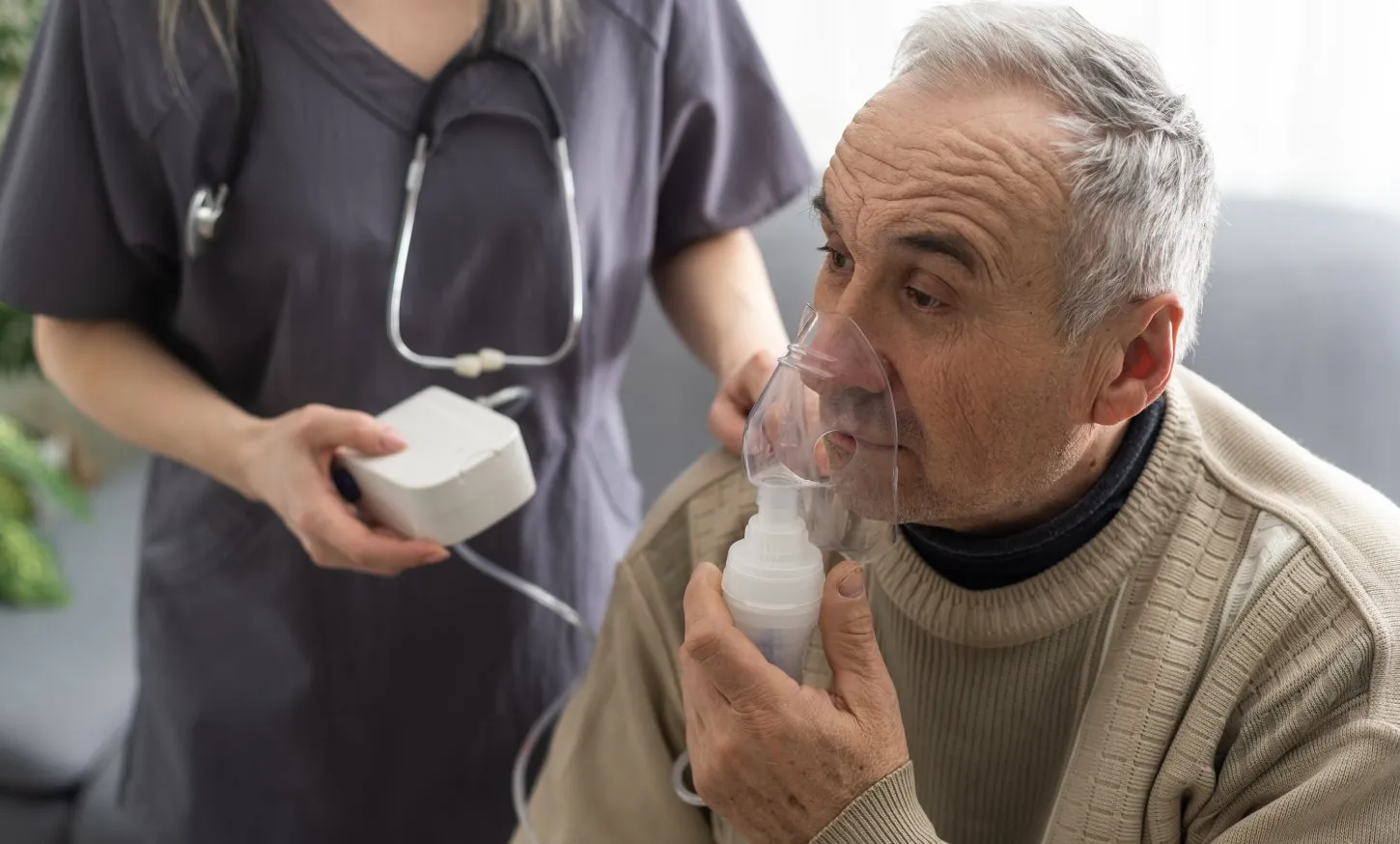
    Oxygen Therapy This therapy provides supplemental oxygen to patients whose blood oxygen levels are low. Enhances oxygen saturation levels, aiding in better function.
    Pulmonary Rehabilitation A structured program of exercise, education, and support to help patients manage their condition. Improved quality of life and reduced symptoms.
    Surgery In severe cases, procedures like lung volume reduction surgery or lung transplant may be considered. Increased lung capacity and improved breathing.

    Regular consultations with COPD experts in [City] help tailor these treatment options to your specific needs and lifestyle.


    Living with COPD

    Managing COPD involves making lifestyle changes that can significantly improve health outcomes. Key strategies include:

    • Quit Smoking: The most impactful step you can take for your lung health is to quit smoking. Support is available through counseling and medications.

    • Stay Active: Regular exercise, tailored to your abilities, can strengthen lung function and enhance overall health.

    • Healthy Diet: A balanced diet rich in fruits, vegetables, and whole grains supports immune system function and overall well-being.

    • Get Vaccinated: Vaccinations for influenza and pneumonia are extra precautions that help prevent respiratory infections.

    Regular follow-ups at top-rated COPD clinic in [Locality] ensure that your management plan is effectively implemented and adjusted when necessary.


    Support Systems for COPD Patients

    Living with COPD can be challenging; thus, having a strong support system is vital. Here are several ways to establish a helpful support network:

    • Patient Support Groups: Engaging with others experiencing similar challenges creates a sense of community and shared knowledge.

    • Family Support: Family members can play a crucial role as caregivers, encouraging medication adherence and healthy lifestyle choices.

    • Professional Counseling: Mental health support can help manage feelings of depression or anxiety linked to chronic illness.

    At Lopmudra Hospital Chain, we foster a comprehensive approach to patient care in [Locality], recognizing the importance of psychological and emotional support for those managing COPD.


    Conclusion

    Chronic Obstructive Pulmonary Disease is a manageable condition with the right combination of medical treatment, lifestyle modifications, and emotional support. By understanding the effects of COPD on your lungs and taking proactive steps, patients can lead fulfilling lives even with this chronic illness. At Lopmudra Hospital Chain, we are committed to providing state-of-the-art healthcare services in [City] tailored to your unique needs. If you or a loved one is experiencing symptoms of COPD, don’t hesitate to contact us at +918087122022 or visit our website for more information and appointment bookings with specialist consultations.


    This article was written by Dr. Sneha Tirpude, sharing insights based on professional experience in the field.

  • COPD Symptoms & Causes: Comprehensive Guide by Lopmudra Hospital Speciality Experts

    COPD Symptoms & Causes: Comprehensive Guide by Lopmudra Hospital Speciality Experts

    What is COPD?


    Chronic Obstructive Pulmonary Disease (COPD) is a progressive lung disease characterized by persistent airflow limitation, often caused by long-term exposure to harmful substances, most commonly cigarette smoke. As per the World Health Organization, COPD is the third leading cause of death globally, responsible for approximately 3.23 million deaths in 2019 alone. The disease encompasses conditions such as emphysema and chronic bronchitis, which are marked by inflammation and damage in the lungs. Understanding COPD is crucial, especially in a vibrant city like Delhi, where air quality issues may exacerbate respiratory ailments.

    With an alarming increase in environmental pollution and lifestyle changes, COPD has become increasingly prevalent in urban centers. Individuals with COPD typically experience symptoms like chronic cough, sputum production, and shortness of breath, which can limit their daily activities and significantly affect their quality of life. This blog aims to provide detailed insights into the symptoms, causes, and treatment options for COPD, offering valuable information for patients and their families navigating this chronic disease.


    Common Symptoms of COPD

    Recognizing the symptoms of COPD early is vital for effective management and treatment. The main symptoms include:

    • Chronic Cough: A long-lasting cough that produces mucus can signal COPD. This cough may worsen over time.

    • Shortness of Breath: Patients often find it difficult to breathe, especially during physical exertion. Many describe feeling out of breath even with normal activities like climbing stairs.

    • Wheezing: This high-pitched whistling sound occurs when breathing due to narrowed airways, commonly experienced during exertion or at night.

    • Chest Tightness: Feelings of pressure or tightness in the chest are common among COPD patients and can be distressing.

    • Frequent Respiratory Infections: Increased susceptibility to colds and respiratory infections is a recognized symptom, as the impaired lung function lessens the body’s defense mechanisms.

    It’s essential to see a healthcare professional at institutions like Lopmudra Hospital if you are experiencing any of these symptoms, especially if they persist or worsen over time. A timely diagnosis can lead to significant improvements in patient management and outcomes.


    Causes of COPD

    The primary cause of COPD is long-term exposure to irritants that damage the lungs and airways. Key causes include:

    • Cigarette Smoking: Smoking is the leading cause of COPD, with around 85-90% of cases linked directly to tobacco use. The harmful chemicals in tobacco smoke lead to inflammation and lung damage over time.

    • Air Pollution: High levels of air pollution, specifically in urban areas such as Delhi, contribute significantly to COPD development. Prolonged exposure to industrial emissions, vehicle exhaust, and dust can worsen lung function.

    • Occupational Exposures: Certain jobs that expose individuals to harmful dust, chemicals, or fumes, such as construction or mining, can increase the risk of developing COPD.

    • Genetic Factors: Alpha-1 antitrypsin deficiency is a genetic condition that affects the lungs and liver and can lead to COPD, particularly in individuals who do not smoke.

    Understanding these causes can play a pivotal role in both prevention and treatment. At Lopmudra Hospital, our dedicated healthcare team emphasizes education and preventive care strategies to help patients mitigate risks associated with COPD.


    Diagnosis of COPD

    Early detection of COPD is crucial for effective management and treatment. A comprehensive evaluation at a healthcare facility usually includes the following steps:

    • Medical History: Your healthcare provider will gather information about your symptoms, smoking history, and exposure to pollutants or irritants.

    • Physical Examination: A physical exam may involve listening to your lungs with a stethoscope to check for wheezing or decreased breath sounds.

    • Pulmonary Function Tests: Spirometry is a critical test used to diagnose COPD. It measures how much air you can exhale after taking a deep breath, providing important information about lung function.

    • Imaging Tests: Chest X-rays or CT scans may help visualize the lungs and check for other issues that may be contributing to symptoms.

    These diagnostic steps aid in confirming the presence of COPD, categorizing its severity, and creating an effective treatment plan tailored to each patient’s needs. Healthcare facilities like Lopmudra Hospital are equipped with state-of-the-art diagnostic tools to ensure comprehensive evaluations for respiratory conditions.


    Management and Treatment Options for COPD

    While there is currently no cure for COPD, various treatments can help manage symptoms, improve quality of life, and slow the progression of the disease. Some common treatment options include:

    • Bronchodilators: These medications help relax the muscles around the airways, making breathing easier. They come in short-acting and long-acting formulations, allowing for personalized treatment plans.

    • Inhaled Corticosteroids: These anti-inflammatory medications can help reduce lung inflammation and prevent exacerbations, providing essential relief for many patients with COPD.

    • Oxygen Therapy: For individuals with low blood oxygen levels, supplemental oxygen can help improve oxygenation and make daily activities more manageable.

    • Pulmonary Rehabilitation: A structured program that includes exercise, nutrition education, and counseling can help patients improve their overall health and manage COPD effectively.

    • Surgery: In severe cases, surgeries such as lung volume reduction surgery or lung transplantation may be considered. Wellness centers like Lopmudra Hospital have dedicated specialists who can guide patients on these surgical options.

    Each treatment plan is tailored to individual patient needs, considering other health conditions and overall health status. Our multidisciplinary team at Lopmudra Hospital focuses on evidence-based treatments to optimize patient outcomes.


    Lifestyle Changes for COPD Management

    In addition to medical treatments, significant lifestyle changes can greatly impact the quality of life for COPD patients. Here are effective strategies:

    • Quit Smoking: For smokers, quitting is the single most crucial step in managing COPD. Resources and support programs are available at Lopmudra Hospital to assist patients in this journey.

    • Regular Exercise: Engaging in physical activity can improve respiratory function and overall stamina. Tailored exercise programs may be established through pulmonary rehabilitation.

    • Healthy Diet: A well-balanced diet rich in fruits, vegetables, and whole grains can support lung health and overall well-being. Nutritional advice can be provided at our hospital.

    • Prevent Respiratory Infections: Ensuring vaccinations such as flu shots and pneumonia vaccines can significantly reduce the risk of respiratory infections.

    • Avoiding Pollutants: Staying indoors on days when air quality is poor or using an air purifier can help minimize exposure to environmental pollutants that exacerbate COPD symptoms.

    By adopting these lifestyle modifications, patients can enhance their quality of life while effectively managing the challenges associated with COPD.


    Support and Resources for COPD Patients

    Living with COPD can be challenging, emphasizing the need for support and resources to assist patients and their families. Several resources are available:

    • Educational Programs: Many hospitals, including Lopmudra Hospital, offer COPD educational programs that provide crucial information about the disease, treatment options, and self-management strategies.

    • Support Groups: Connecting with other individuals facing similar challenges can provide emotional support and practical advice for managing COPD. Local community groups often meet regularly to share experiences and coping strategies.

    • Access to Healthcare Professionals: Patients can build strong relationships with their healthcare teams, ensuring ongoing support, regular check-ups, and personalized care plans.

    It is vital for patients to feel empowered and supported as they navigate their journey with COPD. Our dedicated team at Lopmudra Hospital is always ready to assist patients in understanding their condition and accessing valuable resources.


    Conclusion: Understanding COPD for Better Management

    Chronic Obstructive Pulmonary Disease (COPD), while chronic and progressive, can be effectively managed with an understanding of the condition, proactive lifestyle changes, and the right medical interventions. With proper diagnosis, ongoing care, and tailored treatment, patients can significantly improve their quality of life.

    Facilities like Lopmudra Hospital are committed to providing comprehensive care for COPD patients, enabling them to lead productive lives while managing their respiratory health. If you or a loved one is experiencing symptoms of COPD, do not hesitate to reach out to our dedicated team for consultation and support.

    This article was written by Dr. Sneha Tirpude, sharing insights based on professional experience in the field.