Category: Uncategorized

  • Top COPD & Emphysema Treatments: Expert Care at Lopmudra Hospital Chain

    Top COPD & Emphysema Treatments: Expert Care at Lopmudra Hospital Chain

    Understanding COPD and Emphysema


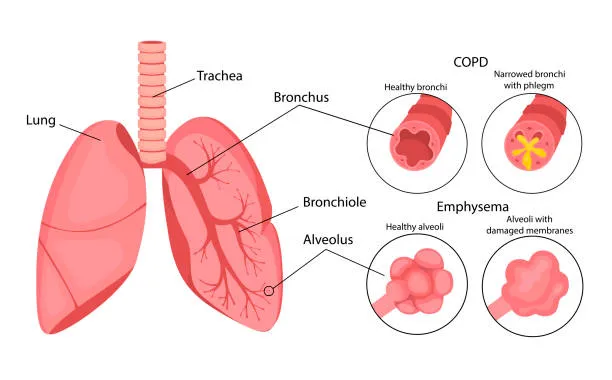
    Chronic Obstructive Pulmonary Disease (COPD) is a progressive lung disease that causes breathing difficulties due to reduced airflow. It encompasses various conditions, including emphysema and chronic bronchitis. Patients suffering from COPD experience various symptoms, including chronic cough, shortness of breath, and wheezing. Emphysema is one of the major forms of COPD, specifically characterized by damage to the alveoli, the small air sacs in the lungs responsible for oxygen exchange.

    Globally, COPD affects over 300 million people, according to the World Health Organization (WHO). In India, it poses a significant healthcare challenge, contributing to high morbidity and mortality rates. Adequate understanding, diagnosis, and management of COPD and emphysema are crucial for improving the quality of life of affected individuals.


    Causes and Risk Factors of COPD and Emphysema

    Identifying the causes and risk factors is fundamental in the prevention and management of COPD and emphysema. The primary cause of COPD is long-term exposure to irritating gases or particulate matter, most often from cigarette smoke. Other factors include:

    • Air Pollution: Exposure to pollutants, such as vehicle emissions and industrial fumes, can significantly increase the risk of developing COPD.

    • Genetic Factors: Individual genetics may predispose someone to developing COPD, particularly in those lacking alpha-1 antitrypsin, a protein that protects the lungs.

    • Occupational Hazards: Certain occupations expose workers to dust, chemicals, and fumes that can lead to lung damage over time.

    Recognizing these factors allows healthcare professionals at Lopmudra Hospital Chain to advise preventive measures effectively, making the burden of COPD manageable for our patients.


    Symptoms of COPD and Emphysema

    The symptoms of COPD and emphysema can develop gradually and may initially be overlooked. Common symptoms include:

    • Chronic Cough: A persistent cough that may produce mucus, often worsening in the mornings.

    • Shortness of Breath: Difficulty breathing, particularly during physical activities, is a hallmark symptom of both conditions.

    • Wheezing: A whistling or squeaky sound while breathing can indicate airway constriction.

    • Chest Tightness: Patients frequently report feeling tightness in their chest or difficulty taking deep breaths.

    When these symptoms emerge, it’s essential to consult a healthcare provider for a correct diagnosis and early intervention. Prompt medical attention can significantly alter the disease’s progression and improve patient outcomes.


    Diagnosis of COPD and Emphysema

    A correct diagnosis is critical in managing COPD and emphysema effectively. At Lopmudra Hospital Chain, our approach involves several diagnostic tests:

    • Medical History Review: A thorough medical history and physical examination help evaluate symptoms and identify risk factors.

    • Pulmonary Function Tests (PFT): These tests measure lung capacity and airflow limitations, providing essential information for diagnosis.

    • X-rays and CT Scans: Imaging tests help visualize the lung structure and detect emphysema or other complications.

    By leveraging these diagnostic tools, our specialists provide accurate and timely diagnoses essential for effective management and treatment of COPD and emphysema.


    Treatment Options for COPD and Emphysema

    Treatment for COPD and emphysema is tailored to each patient’s specific needs and may include a variety of options designed to alleviate symptoms and improve quality of life. These include:

    • Medications: Bronchodilators, corticosteroids, and combination therapies help ease breathing difficulties and reduce inflammation.

    • Oxygen Therapy: Providing supplemental oxygen can help patients with severe breathing issues to improve oxygen levels in the blood.

    • Pulmonary Rehabilitation: This program combines education, exercise, and support to enhance the physical and emotional well-being of patients.

    Advanced cases may require more intensive interventions, such as surgical options, including lung volume reduction surgery or lung transplant, which can be discussed with a healthcare provider at Lopmudra Hospital Chain.


    Lifestyle Changes to Manage COPD and Emphysema

    Along with medical treatment, adopting lifestyle changes plays an instrumental role in managing COPD and emphysema effectively:

    • Quitting Smoking: The single most impactful step a patient can take is to quit smoking and avoid exposure to secondhand smoke.

    • Regular Exercise: Engaging in regular physical activity improves lung function and enhances overall well-being.

    • Healthy Diet: A balanced diet can boost immune function and help manage weight, reducing stress on the lungs.

    • Avoiding Allergens: Limiting exposure to allergens and irritants can help prevent flare-ups and complications.

    Patients at Lopmudra Hospital Chain receive comprehensive guidance on integrating these lifestyle changes into their daily routines, empowering them to take charge of their health.


    Importance of Regular Follow-Up and Monitoring

    For patients diagnosed with COPD and emphysema, regular follow-up visits and monitoring are essential components of ongoing care. Here’s why:

    • Progress Tracking: Continuous monitoring helps assess the effectiveness of treatment and make timely adjustments as needed.

    • Preventing Exacerbations: Regular check-ups can help identify potential exacerbation triggers and allow early intervention.

    • Education and Support: Maintaining ongoing communication with the healthcare team helps patients feel supported and informed.

    At Lopmudra Hospital Chain, we prioritize follow-up appointments to facilitate a proactive approach to managing COPD and emphysema, ultimately enhancing our patients’ quality of life.


    Support Systems and Resources for Patients and Families

    Living with COPD and emphysema can be challenging for both patients and their families. Establishing robust support systems can make a significant difference in adapting to the condition:

    • Family Support: Encouragement and understanding from family members can help patients comply with treatment and cope with their condition effectively.

    • Support Groups: Connecting with others facing similar challenges can foster emotional healing and provide practical tips for managing symptoms.

    • Educational Resources: Informative literature, workshops, and online resources can empower patients and families with knowledge about COPD and emphysema.

    Lopmudra Hospital Chain offers various support services and resources to help patients and their families navigate the complexities of living with COPD and emphysema.


    Conclusion

    Understanding COPD and emphysema is essential for effective management and improved quality of life for affected individuals. By recognizing the symptoms, diagnosis, and comprehensive treatments available through services at Lopmudra Hospital Chain, patients can take meaningful steps toward a healthier and more fulfilling life. With the right support from healthcare professionals, family members, and community resources, living well with COPD is not only possible but attainable.

    This article was written by Dr. Sneha Tirpude, sharing insights based on professional experience in the field.
  • COPD vs Bronchitis: Understanding Key Differences | Lopmudra Hospital Experts

    COPD vs Bronchitis: Understanding Key Differences | Lopmudra Hospital Experts

    What is COPD and Bronchitis?


    Chronic Obstructive Pulmonary Disease (COPD) and bronchitis are two respiratory conditions that can cause significant difficulties for those who suffer from them. While they may share some similarities, such as chronic coughing and difficulty breathing, they are distinct diagnoses with different implications for treatment and management.

    COPD is an umbrella term that encompasses several progressive lung diseases, including emphysema and chronic bronchitis. It is characterized by long-term respiratory symptoms and airflow limitation. On the other hand, bronchitis refers specifically to inflammation of the bronchial tubes, which can be acute or chronic in nature. Understanding these differences is crucial for effective diagnosis and treatment, as early intervention can significantly improve quality of life and lung function. At Lopmudra Hospital Chain, our dedicated team of respiratory specialists is here to offer precise diagnoses and tailored treatment options for patients in need.


    Understanding Chronic Obstructive Pulmonary Disease (COPD)

    Chronic Obstructive Pulmonary Disease is primarily caused by long-term exposure to harmful particles or gases, most commonly from smoking. COPD includes two main types: chronic bronchitis, which is characterized by chronic cough and sputum production, and emphysema, which involves the destruction of the lung’s air sacs (alveoli). Together, these conditions lead to noticeable symptoms such as shortness of breath, wheezing, and chest tightness.

    According to the World Health Organization (WHO), COPD is the third leading cause of death worldwide. In India alone, millions suffer from this disease, highlighting the importance of awareness and management strategies. Effective management involves both lifestyle changes and medical interventions like bronchodilators, inhaled steroids, and pulmonary rehabilitation. For those seeking treatment, Lopmudra Hospital Chain is among the best hospitals for cardiac care in your area, also addressing pulmonary concerns with expertise.


    What is Chronic Bronchitis?

    Chronic bronchitis is a specific form of COPD characterized by a persistent cough that produces mucus for at least three months in two consecutive years. It is usually caused by long-term exposure to irritants such as tobacco smoke, air pollution, chemical fumes, and dust. In individuals with this condition, the bronchial tubes become inflamed and mucus-producing cells increase in number, leading to airway obstruction and difficulty in breathing.

    Symptoms often include a chronic cough, increased mucus production, wheezing, and difficulty in breathing, especially during physical activity. Managing chronic bronchitis typically involves lifestyle changes—primarily smoking cessation—and medications that may include bronchodilators and corticosteroids. If you experience persistent symptoms, it’s important to consult with a healthcare provider, ideally at a facility known for its respiratory health expertise, like Lopmudra Hospital Chain.


    Key Differences Between COPD and Bronchitis

    While bronchitis can be a component of COPD, not all cases of bronchitis indicate the presence of COPD. The following table illustrates key distinctions between the two conditions to help clarify their differences:

    Aspect COPD Bronchitis
    Definition Progressive lung disease including emphysema and chronic bronchitis. Inflammation of the bronchial tubes, can be acute or chronic.
    Causes Primarily due to smoking, environmental factors, and genetic predisposition. Often caused by smoking, air pollution, and respiratory infections.
    Symptoms Chronic cough, shortness of breath, and wheezing. Persistent cough, increased mucus, wheezing, and chest discomfort.
    Treatment Medication, pulmonary rehabilitation, lifestyle changes. Bronchodilators, corticosteroids, lifestyle modifications.
    Prognosis Progressively worsens over time; requires ongoing management. May improve with treatment and lifestyle changes.

    This comparison highlights that while bronchitis is often a symptom or aspect of COPD, it can exist independently as well. Accurate assessment by a healthcare professional can guide treatment recommendations effectively.


    Common Symptoms of COPD and Bronchitis

    Recognizing the signs and symptoms of both COPD and bronchitis is essential for early diagnosis and treatment. Common symptoms for both conditions can often overlap, creating confusion for patients and healthcare providers alike.

    • Chronic Cough: A hallmark symptom in both conditions, it may worsen over time.
    • Mucus Production: Excess mucus production is indicative of bronchitis but can also be common in advanced stages of COPD.
    • Shortness of Breath: Patients may experience difficulty breathing, especially during physical exertion.
    • Wheezing: A high-pitched whistle sound when exhaling is typically associated with airway obstruction.

    Patients may not recognize these symptoms as serious until they significantly interfere with daily activities. Early intervention at facilities such as Lopmudra Hospital Chain can lead to improved outcomes and enhance the quality of life for patients.


    Diagnosis of COPD and Bronchitis

    Diagnosis of COPD and bronchitis starts with a thorough evaluation of the patient’s medical history, symptoms, and potential risk factors such as smoking history and environmental exposures. Healthcare providers typically perform one or more diagnostic tests, which may include:

    • Pulmonary Function Tests (PFTs): These tests measure lung function, helping to determine airflow limitations.
    • Chest X-ray: This imaging test helps detect other lung conditions and rule out other potential causes of symptoms.
    • CT Scan: A more detailed imaging test that can provide insights into lung structure and help in identifying COPD stages.
    • Arterial Blood Gas Tests: These assess oxygen and carbon dioxide levels in the blood, giving insight into lung performance.

    At Lopmudra Hospital Chain, dedicated pulmonologists use advanced diagnostic tools to ensure accurate diagnoses and develop personalized treatment strategies to enhance patient outcomes.


    Treatment Options for COPD and Bronchitis

    Effective management of both COPD and bronchitis is vital to minimizing symptoms and preventing complications. Treatment plans may consist of a combination of medications, lifestyle changes, and other interventions. Here’s a summary of common options for each condition:

    Treatment Type COPD Bronchitis
    Medications Bronchodilators, inhaled corticosteroids, and phosphodiesterase-4 inhibitors. Bronchodilators and oral corticosteroids as needed.
    Smoking Cessation Critical for slowing disease progression. Essential for recovery and prevention of further damage.
    Lifestyle Changes Regular exercise and avoiding pollutants. Rest and avoiding respiratory irritants.
    Rehabilitation Pulmonary rehabilitation programs to enhance lung function. Guided exercise programs can also be beneficial.

    Successful management requires a comprehensive approach tailored to individual needs. This might involve medications, rehabilitation, and lifestyle modifications. The expert team at Lopmudra Hospital Chain is well-versed in multi-faceted treatment approaches, ensuring patients receive holistic care throughout their treatment journey.


    Living with COPD and Bronchitis

    Living with COPD and bronchitis can be challenging, especially as symptoms can fluctuate in severity. Patients often find it difficult to complete daily activities, and thus, support from healthcare professionals is crucial. The following strategies can help manage everyday life while living with these conditions:

    • Regular Monitoring: Keeping a daily log of symptoms can help track the condition’s progression and inform discussions with healthcare providers.
    • Physical Activity: Regular exercise, as recommended by doctors, can strengthen respiratory muscles and improve lung function.
    • Nutritional Care: A balanced diet can provide the necessary energy needed for coping with symptoms and recovery.
    • Support Systems: Establishing a network of family, friends, and support groups can provide emotional and practical support.

    By adopting these strategies, patients can significantly improve their quality of life and mobility. At Lopmudra Hospital Chain, we prioritize comprehensive care that extends beyond treatment to support patients and their families as they navigate living with chronic lung conditions.


    Conclusion

    Understanding the differences between COPD and bronchitis is vital for anyone experiencing respiratory symptoms. These conditions, although related, warrant distinct treatment strategies and management plans. At Lopmudra Hospital Chain, our dedicated team is committed to providing precise diagnoses and effective treatments tailored to individual needs. If you or a loved one is suffering from chronic cough or breathlessness, we encourage you to seek medical advice promptly. With early intervention, it is possible to significantly improve quality of life and health outcomes.

    Regular consultations with our healthcare providers can provide ongoing support, develop customized management plans, and help patients maintain a high quality of life. Don’t hesitate to reach out to us at Lopmudra Hospital Chain to schedule an appointment today!

    This article was written by Dr. Sneha Tirpude, sharing insights based on professional experience in the field.
  • Understanding COPD Symptoms: What It Feels Like and When to Seek Help – Lopmudra Speciality Hospital

    Understanding COPD Symptoms: What It Feels Like and When to Seek Help – Lopmudra Speciality Hospital

    What is COPD?


    Chronic Obstructive Pulmonary Disease (COPD) is a progressive lung disease that makes it difficult to breathe. It’s characterized by chronic inflammation of the lungs and progressive airflow limitation. The main components of COPD are emphysema and chronic bronchitis. This disease affects millions of people worldwide and is often linked to smoking and long-term exposure to lung irritants. According to the World Health Organization, COPD is the third leading cause of death globally, highlighting the urgency to understand this condition better.

    At Lopmudra Hospital Chain, we are committed to providing patients with comprehensive healthcare and specialized treatments for various respiratory illnesses, including COPD. Our healthcare professionals are highly trained to offer tailored management plans that focus on improving the quality of life for those with this condition.


    What Causes COPD?

    The primary cause of COPD is long-term exposure to substances that irritate and damage the lungs. The most common risk factors include:

    • Smoking: This is by far the leading cause of COPD, responsible for approximately 85% of cases. Smoking introduces numerous harmful toxins into the lungs, leading to inflammation and obstruction.
    • Environmental pollutants: Long-term exposure to air pollutants, such as dust, chemical fumes, and secondhand smoke, contributes significantly to the development of COPD.
    • Genetic factors: Alpha-1 antitrypsin deficiency is a genetic condition that can lead to COPD, even in non-smokers.
    • Age: COPD typically develops in individuals older than 40, particularly those with a history of significant exposure to risk factors.

    Understanding these causes can aid in preventing COPD, particularly for those at risk. If you are concerned about your respiratory health, please reach out to us at Lopmudra Hospital Chain, where our dedicated team is ready to assist.


    What Does COPD Feel Like?

    Living with COPD can vary significantly from person to person, but several common symptoms can provide insight into what it feels like:

    • Shortness of breath: This often worsens during activity but may be present even at rest in advanced stages. Patients frequently report feeling as if they cannot get enough air, leading to anxiety and distress.
    • Cough: A persistent cough that may produce mucus is a hallmark of COPD. This cough can be worse in the morning and may disrupt daily activities.
    • Wheezing: A wheezing sound during breathing is common and indicates narrowed airways, making exhalation difficult.
    • Chest tightness: Many COPD patients experience a sensation of tightness or pressure in the chest, which can feel uncomfortable and distressing.

    Patients often describe their experiences in terms of limitations on daily activities. Simple tasks such as walking, climbing stairs, or even dressing can become challenging as their symptoms progress. It’s essential for those experiencing these symptoms to seek medical evaluation and management.


    How is COPD Diagnosed?

    Diagnosing COPD typically involves a comprehensive evaluation that includes a combination of a clinical history, physical examination, and diagnostic tests. Here’s what the diagnostic process may look like:

    • Medical history: A thorough assessment of your symptoms, smoking history, occupational exposures, and family history will be undertaken during the consultation.
    • Physical examination: A healthcare provider will conduct a physical examination, listening for wheezing or decreased breath sounds.
    • Pulmonary function tests (PFTs): The most definitive method for diagnosing COPD is through PFTs, particularly a spirometry test, which measures the amount of air you can inhale and exhale.
    • Imaging tests: Chest X-rays or CT scans may be ordered to assess abnormalities in the lungs and rule out other conditions.

    At Lopmudra Hospital Chain, we provide state-of-the-art diagnostic services to ensure that COPD is accurately identified and managed promptly.


    What are the Stages of COPD?

    COPD is classified into four main stages based on the severity of respiratory symptoms and airflow limitation. The stages are defined using the Global Initiative for Chronic Obstructive Lung Disease (GOLD) criteria. Understanding these stages can help patients and caregivers prepare for the necessary management approaches:

    Stage Description FEV1 Value (% of predicted)
    I (Mild) Very mild symptoms; often unnoticed. >80%
    II (Moderate) Worsening symptoms; typically shortness of breath during activities. 50-79%
    III (Severe) More serious symptoms; increased shortness of breath and frequent exacerbations. 30-49%
    IV (Very Severe) Severe airflow limitation; may also have respiratory failure and can be life-threatening. <30%

    Early detection is crucial to slow down the progress of COPD; thus, evaluating symptoms, particularly in high-risk individuals, is vital. Our healthcare team at Lopmudra Hospital Chain emphasizes regular check-ups to monitor lung health.


    Treatment Options for COPD

    COPD treatment is highly individualized, depending on the severity of the disease and the patient’s overall health. The objectives are to relieve symptoms, improve quality of life, and slow disease progression. Common treatment modalities include:

    • Medications:

      • Bronchodilators: These medications help to relax the muscles around the airways, making breathing easier. They can be short-acting or long-acting, and their use will depend on the individual patient’s needs.
      • Corticosteroids: Inhaled corticosteroids may be prescribed to reduce inflammation in the lungs, especially for patients with frequent exacerbations.
      • Phosphodiesterase-4 inhibitors: This medication is beneficial for reducing inflammation and relaxing the airways.
    • Pulmonary rehabilitation: This multidisciplinary program helps patients to improve day-to-day functioning through exercise, nutrition advice, and education about managing their condition.
    • Oxygen therapy: For those with low blood oxygen levels, supplemental oxygen can help enhance oxygen levels in the blood and improve overall physical performance.
    • Surgery: In severe cases, surgical options like lung volume reduction surgery or lung transplant may be considered. These options can drastically alter quality of life for those with advanced COPD.

    Your care pathway will be designed in collaboration with our team at Lopmudra Hospital Chain, who will tailor your treatment to manage your symptoms and improve your quality of life effectively.


    How to Manage COPD at Home?

    While professional care is crucial, effective self-management strategies can play a significant role in improving life with COPD. Here are some strategies to consider:

    • Quitting smoking: If you smoke, quitting is the most effective way to slow the progression of COPD. Resources and support for quitting are available at Lopmudra Hospital Chain to assist you in this journey.
    • Staying active: Moderate exercises, such as walking or swimming, can help improve lung function and overall well-being. Our team can help design a safe exercise program tailored to your ability.
    • Eating a balanced diet: Proper nutrition is vital for overall health. Eating well can assist in maintaining energy levels for daily activities.
    • Avoiding respiratory irritants: Keep the home environment free from smoke, dust, and other irritants to minimize potential triggers for COPD exacerbations.
    • Using medications as prescribed: Taking medications as directed and maintaining a good inhaler technique is essential for managing symptoms effectively.

    Our specialists are available to help you develop an individualized self-management plan that fits your lifestyle and needs.


    Support and Resources

    Navigating the challenges of COPD can be overwhelming; however, many resources are available to support patients and their families:

    • Support Groups: Consider joining local or online support groups for individuals living with COPD. Sharing experiences and coping strategies can make a real difference.
    • Educational Materials: We provide enhanced resources at Lopmudra Hospital Chain to help patients understand their condition better, including pamphlets, workshops, and access to our online health resources.
    • Regular Check-Ups: Regular follow-ups with our healthcare team are essential to monitor your condition, assess your treatment response, and address any emerging concerns.
    • Emergency Response: Understanding when to seek emergency care is critical. Patients should have a clear plan in place to manage acute exacerbations effectively.

    At Lopmudra Hospital Chain, we understand that living with COPD requires a comprehensive support system. We encourage you to reach out for assistance at any time.


    Conclusion

    Chronic Obstructive Pulmonary Disease (COPD) significantly impacts the lives of millions. Understanding what COPD feels like, its causes, symptoms, and management options is critical for those affected by this disease. Early detection and tailored medical care from healthcare professionals can greatly enhance the quality of life and respiratory health. If you’re seeking reliable medical support and specialized healthcare services for COPD, Lopmudra Hospital Chain is here to provide affordable hospital care with comprehensive healthcare services.

    Remember, you are not alone in your struggle with COPD. There are numerous resources, treatments, and dedicated healthcare providers ready to support you every step of the way.

    This article was written by Dr. Sneha Tirpude, sharing insights based on professional experience in the field.

  • Early Warning Signs of COPD: Expert Insights from Lopmudra Hospital Chain’s Specialists

    Early Warning Signs of COPD: Expert Insights from Lopmudra Hospital Chain’s Specialists

    What is COPD?


    Chronic Obstructive Pulmonary Disease (COPD) refers to a group of progressive lung diseases primarily characterized by breathlessness and a persistent cough. This chronic condition most commonly includes emphysema and chronic bronchitis. It typically develops after years of exposure to irritating gases or particulate matter, most often from cigarette smoke. Understanding COPD is crucial for early detection and effective management.

    According to the World Health Organization (WHO), COPD is the third leading cause of death globally, affecting approximately 251 million people. In India, the prevalence of COPD has been reported to be around 3.5%. Recognizing the early warning signs of COPD can significantly improve the quality of life for patients and increase the chances for successful management.


    The Importance of Early Detection

    Detecting COPD early can lead to interventions that slow progression and improve symptoms. Oftentimes patients misinterpret symptoms such as persistent cough and shortness of breath as normal aging or seasonal allergies. Lopmudra Hospital Chain believes that patient education is essential in recognizing these symptoms to seek timely medical help.

    • Increase in awareness can lead to better outcomes through early treatment.

    • Timely lifestyle changes can prevent further lung damage.

    • It can reduce hospital visits, thereby lowering healthcare costs.

    By understanding what to look for, individuals can take charge of their lung health holistically.


    Common Symptoms of COPD

    Early symptoms of COPD can be subtle and may resemble those of other respiratory conditions. Familiarizing oneself with these symptoms is vital. Here are common early warning signs:

    • Chronic cough: A cough that persists for three months or more and produces sputum.

    • Shortness of breath: Initially occurring only during physical activity, this can worsen over time, making even daily tasks challenging.

    • Wheezing: A high-pitched whistling sound during breathing can indicate airway obstruction.

    • Frequent respiratory infections: Patients may experience exacerbated episodes during cold weather or flu season.

    • Difficulty sleeping: COPD patients may find themselves unable to sleep comfortably due to breathing issues.

    If you notice any of these signs, particularly if they linger, consult with a healthcare professional at Lopmudra Hospital Chain to evaluate your respiratory health.


    Risk Factors for Developing COPD

    Understanding the risk factors associated with COPD can enhance preventive strategies. These include:

    • Smoking: The primary risk factor, accounting for 85-90% of COPD cases worldwide. Both active smoking and exposure to secondhand smoke can contribute.

    • Occupational exposures: Long-term exposure to dust, chemicals, and fumes may increase risk, especially in mining, construction, and agriculture industries.

    • Genetic factors: Alpha-1 antitrypsin deficiency can make individuals susceptible to lung damage.

    • Age: Lung function naturally declines with aging; thus, older adults are more prone to developing COPD.

    • Air pollution: Pollutants in indoor and outdoor environments can contribute to the development of COPD.

    Identifying and modifying risk factors can significantly reduce the likelihood of developing the disease.


    How is COPD Diagnosed?

    The diagnosis of COPD typically involves several assessments, including:

    • Medical history: A thorough assessment of your smoking history and exposure to risk factors.

    • Physical examination: Listening to lung sounds through a stethoscope for wheezing or other abnormal sounds.

    • Spirometry: This pulmonary function test measures how much air you can inhale and exhale as well as how quickly you can exhale.

    • Imaging tests: Chest X-rays or CT scans may be conducted to assess lung health visually.

    At Lopmudra Hospital Chain, our specialized team employs advanced diagnostics to ensure comprehensive evaluation and timely detection of the disease.


    Treatment Options for COPD

    While COPD is currently not curable, treatment options focus on managing symptoms and enhancing quality of life. Common approaches include:

    • Medications:

      • Bronchodilators: Relax muscle bands around the airways, providing relief for breathing difficulties.
      • Inhaled corticosteroids: Reduce inflammation and frequency of exacerbations.
      • Combination inhalers: Contain both bronchodilators and corticosteroids for patients with moderate to severe COPD.
    • Oxygen therapy: For patients experiencing low oxygen levels, supplemental oxygen can significantly reduce strain on the heart and improve quality of life.

    • Pulmonary rehabilitation: A program that combines education, exercise training, and social support to enhance physical and emotional well-being.

    • Surgery: In severe instances, surgical options like lung volume reduction surgery or lung transplants may be considered.

    At Lopmudra Hospital Chain, our experienced respiratory specialists collaborate to develop a personalized treatment plan, integrating the latest innovations in COPD care.


    Lifestyle Changes That Can Help Manage COPD

    Making lifestyle changes can augment the effectiveness of treatments and improve overall lung health. Here are some beneficial changes:

    • Quitting smoking: The single most effective method to slow the progression of the disease.

    • Staying active: Regular exercise tailored to individual abilities can enhance stamina and overall health.

    • Eating a healthy diet: Incorporating more fruits, vegetables, and whole grains can aid in maintaining energy levels and supporting lung health.

    • Managing stress: Techniques such as yoga, meditation, or deep-breathing exercises can ease anxiety and promote lung function.

    • Regularly monitoring health: Keep track of symptoms and seek immediate medical attention if there’s a sudden worsening of health.


    The Role of Support Networks

    Emotional and social support plays a crucial role in managing COPD. Consider these support options:

    • Family support: Engage with family members to develop a shared understanding of the condition and its implications.

    • Support groups: Connecting with others facing similar challenges can offer understanding, encouragement, and shared experiences.

    • Professional counseling: A mental health professional can provide coping strategies and emotional support to manage the psychological impact of COPD.

    At Lopmudra Hospital Chain, we not only focus on physical well-being but also offer guidance on forming a supportive network to enable well-rounded care.


    When to Seek Medical Help

    It’s imperative for individuals with COPD to seek medical advice when experiencing:

    • Increased shortness of breath that interferes with daily activities.

    • Worsening cough or change in cough character.

    • Changes in sputum color or consistency.

    • Frequent respiratory infections or flu-like symptoms persisting for several days.

    If you or a loved one recognize such symptoms, don’t hesitate to contact Lopmudra Hospital Chain at +91 8087122022 or book an appointment through our website at Lopmudra Hospitals for a consultation with our experts.


    This article was written by Dr. Sneha Tirpude, sharing insights based on professional experience in the field.

  • Understanding COPD: Causes, Treatment, and Cure Possibilities | Lopmudra Hospital Speciality

    Understanding COPD: Causes, Treatment, and Cure Possibilities | Lopmudra Hospital Speciality

    Understanding COPD: An Overview


    Chronic Obstructive Pulmonary Disease (COPD) is a progressive lung disease that significantly impacts the flow of air in and out of the lungs. Characterized primarily by breathing difficulties, COPD is not a singular condition but rather a compilation of various respiratory illnesses, predominantly chronic bronchitis and emphysema. The serious nature of this disease necessitates a well-rounded understanding of its causes, symptoms, and potential treatment options.

    Given the various environmental and genetic factors that contribute to COPD, an informed approach can facilitate better management and help improve quality of life for affected individuals. Here at Lopmudra Hospital Chain, we are dedicated to providing comprehensive care for respiratory diseases, helping patients navigate through their COPD journey with empathy and expert guidance.


    What Causes COPD?

    Understanding the causes of COPD is vital for prevention and management. The most common culprits of this disease include:

    • Tobacco Smoke: Cigarette smoking is the primary cause of COPD, responsible for around 85-90% of all cases. Inhalation of tobacco smoke damages the lungs over time, leading to chronic inflammation and narrowing of the airways.

    • Occupational Exposures: Jobs that expose workers to dust, chemicals, fumes, and vapors increase the risk of developing COPD. Industries such as construction, mining, and chemical manufacturing are often high-risk zones.

    • Air Pollution: Both outdoor and indoor pollution contribute significantly to the onset of COPD. Prolonged exposure to pollutants from vehicle emissions and even household pollutants like smoke from burning wood or coal can trigger lung damage.

    • Genetic Factors: A rare genetic disorder called Alpha-1 Antitrypsin Deficiency can lead to early development of COPD. This condition results in low levels of a protein that helps protect the lungs.

    Understanding these risk factors allows for more effective prevention strategies, making it crucial for patients to engage in discussions about their lifestyle choices with healthcare providers.


    Recognizing the Symptoms of COPD

    Early detection of COPD can play a significant role in managing the disease and enhancing life quality. The symptoms typically develop gradually and can include:

    • Chronic Cough: Often referred to as ‘smoker’s cough,’ it is often persistent and can produce mucus.

    • Shortness of Breath: This symptom typically worsens with physical activity and can lead to reduced exercise tolerance and fatigue.

    • Wheezing: A whistling sound while breathing can be prevalent, especially during exhalation.

    • Chest Tightness: Patients may feel a heavy sensation in the chest, making it uncomfortable to breathe deeply.

    Notably, patients often overlook these symptoms, attributing them to aging or a lack of fitness. Therefore, recognizing these signs early can help in timely diagnosis and treatment.


    Diagnosis of COPD

    To diagnose COPD accurately, healthcare providers rely on a combination of patient history, physical examination, and diagnostic testing. Common procedures include:

    • Medical History and Symptoms Review: A healthcare provider will evaluate possible risk factors, symptoms, and the extent of breathing difficulties.

    • Physical Examination: A physical exam may include listening to lung sounds with a stethoscope.

    • Spirometry: This test measures the amount of air a person can exhale after taking a deep breath. It significantly aids in determining how well the lungs are functioning.

    • Imaging Tests: Chest X-rays or CT scans may be utilized to visualize the lungs and check for signs of COPD or other lung problems.

    By leveraging these diagnostic tools, healthcare providers at Lopmudra Hospital Chain can create a personalized treatment plan tailored to the patient’s unique needs.


    Treatment Options for COPD

    While there is currently no cure for COPD, a spectrum of treatments is available to help manage symptoms and improve quality of life. The treatment approach often consists of:

    • Medications: Bronchodilators and steroids are commonly prescribed for the management of COPD. Bronchodilators help relax tightened muscles around the airways, while steroids serve to reduce inflammation.

    • Oxygen Therapy: For patients with low oxygen levels, supplemental oxygen can improve the quality of life, especially during physical activities.

    • Pulmonary Rehabilitation: This program encompasses a combination of education, nutritional advice, and physical exercises aimed at enhancing lung function and overall health.

    • Surgery: In severe cases, surgical interventions such as lung volume reduction surgery or a lung transplant may be considered. These options are typically reserved for patients whose symptoms are not well-controlled with medication.

    In addition to these treatments, it is crucial for patients to quit smoking, as this is the most effective way to prevent their condition from worsening.


    Self-Care and Lifestyle Changes

    Managing COPD effectively hinges not just on medical treatment but also on lifestyle choices. Here are some significant adjustments one can undertake to enrich their health:

    • Quit Smoking: As mentioned, ceasing smoking is crucial. For individuals looking for support, lifestyle programs and medications can aid in cessation.

    • Engage in Regular Exercise: As guided by a healthcare provider, establishing a modest exercise routine tailored to the patient’s capacities can significantly enhance lung function.

    • Nutrition: Adopting a balanced diet rich in fruits, vegetables, and lean proteins can support overall health and immunity.

    • Stay Informed: Being educated about COPD and participating in support groups can help patients feel supported and less isolated.

    At Lopmudra Hospital Chain, we encourage our patients to focus on these self-care measures in conjunction with prescribed treatment to ensure comprehensive care.


    Prevention of COPD

    Preventive measures play an indispensable role in averting COPD, especially for those at risk. Effective strategies include:

    • Avoid Smoking: Refraining from smoking and avoiding secondhand smoke are pivotal in reducing the risk of COPD.

    • Reduce Occupational Risks: For individuals working in high-risk environments, using protective gear and adhering to safety guidelines can minimize exposure to harmful substances.

    • Stay Active: Regular exercise contributes to overall lung health, potentially lowering the risk of respiratory issues.

    Understanding the modifiable risk factors allows patients to take actionable steps to shield their lung health, ensuring a proactive approach to prevention.


    Statistics Related to COPD

    Understanding the prevalence of COPD can underscore the need for awareness and action. Globally, according to the World Health Organization (WHO):

    • Approximately 251 million people currently suffer from COPD.
    • It’s the third leading cause of death worldwide, claiming over 3 million lives each year.

    Locally, in India, the burden of COPD is steadily increasing, with over 30 million diagnosed cases. In healthcare contexts like Lopmudra Hospital Chain, these statistics underscore the importance of timely interventions and awareness campaigns geared towards effective management and lifestyle adjustments among patients.


    When to Seek Help

    It is imperative for patients to recognize the appropriate time to seek medical assistance. Key indicators include:

    • Experience of worsening symptoms, such as increased shortness of breath or coughing up blood.

    • Requiring a lot more effort to breathe than usual, especially during normal activities.

    • Experiencing frequent respiratory infections requiring medical attention.

    At Lopmudra Hospital Chain, our team of experts remains vigilant and ready to assist you at any time, supporting you in navigating the complexities of COPD.


    This article was written by Dr. Sneha Tirpude, sharing insights based on professional experience in the field of respiratory health.