Category: Uncategorized

  • Recognize Heart Attack Symptoms and Save Lives – Insights from Lopmudra Hospital

    Recognize Heart Attack Symptoms and Save Lives – Insights from Lopmudra Hospital

    Understanding Heart Attacks: An essential overview


    A heart attack, medically known as a myocardial infarction, occurs when the blood flow to a part of the heart is blocked for a long enough time that part of the heart muscle is damaged or dies. Understanding this condition is vital as it helps in recognizing the signs early and seeking timely intervention. According to the World Health Organization, heart disease is the leading cause of death worldwide. At Lopmudra Hospital, we are committed to providing top-notch cardiovascular care to our patients in Pune and the surrounding areas.


    ı Common signs and symptoms of a Heart Attack

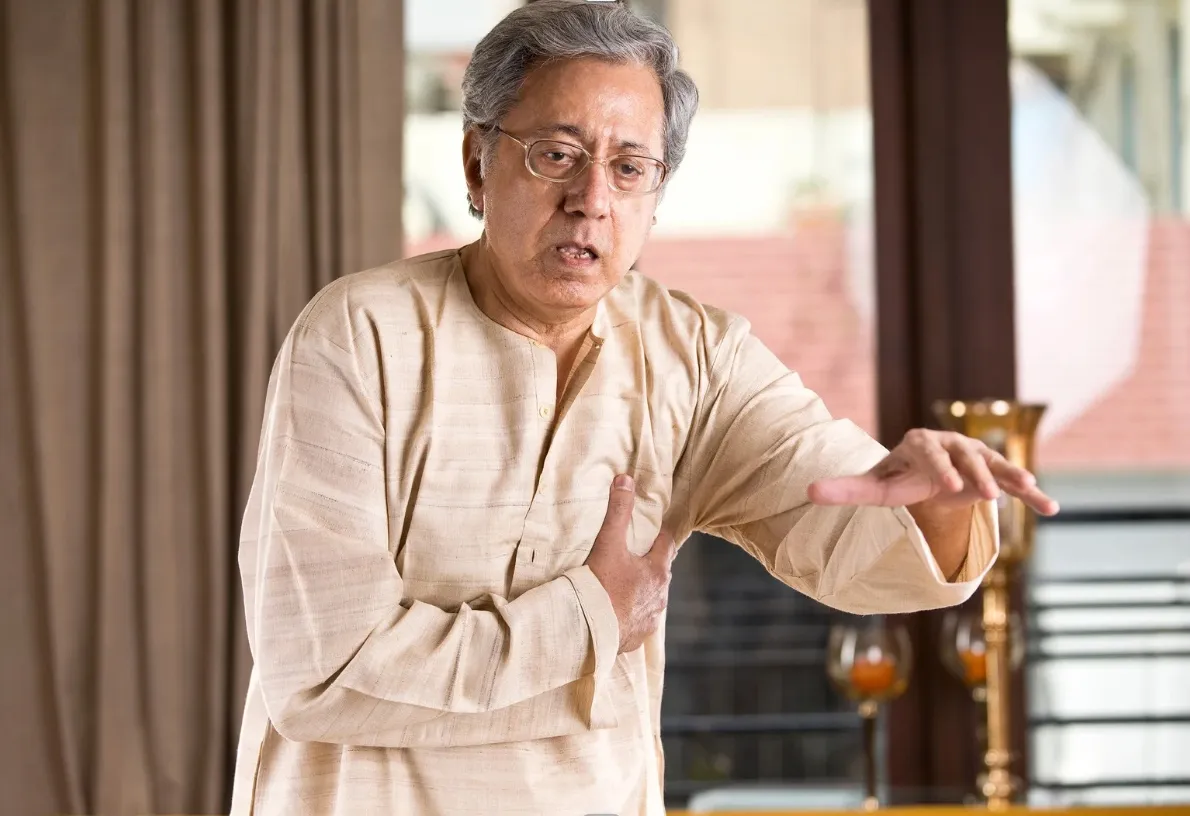
    Recognizing the symptoms of a heart attack can be life-saving. While some heart attacks are sudden and intense, most start slowly, with mild pain or discomfort. Common signs include:

    • Chest Pain or Discomfort: Often described as a feeling of pressure, squeezing, fullness, or pain in the center or left side of the chest. This discomfort can last more than a few minutes or may go away and return.
    • Upper Body Pain: Pain or discomfort in the arms, back, neck, jaw, or stomach. This can be misleading as the pain radiates away from the chest.
    • Shortness of Breath: This can occur with or without chest pain. It may feel like you can’t get enough air into your lungs.
    • Other Signs: These may include cold sweat, nausea, vomiting, or lightheadedness.

    It’s important to note that not all people who have heart attacks experience the same symptoms or the same severity. At Lopmudra Hospital, our team of specialists is equipped to educate and treat heart attack symptoms effectively, ensuring patient safety and comfort.

    symptoms of a Heart Attack

    ı Causes and Risk Factors of Heart Attacks

    The primary cause of a heart attack is coronary artery disease (CAD)—a condition that occurs when the coronary arteries become narrowed or blocked over time by cholesterol and fat deposits, forming plaque. Risk factors include:

    • Age: Men aged 45 or older and women aged 55 or older are more likely to have a heart attack than their younger counterparts.
    • Gender: Men generally have a higher risk of heart attack than women. However, cardiovascular disease remains a leading cause of death in women.
    • Family History: If your parents or siblings have had heart disease, you may be at an increased risk.
    • Lifestyle Factors: This includes smoking, poor diet, lack of physical activity, high stress, and obesity.

    Understanding these risk factors can help in modifying habits to reduce risk. At Lopmudra Hospitals, we emphasize preventative care and lifestyle changes to mitigate these risks efficiently.


    ı Preventing heart disease and heart attacks

    Prevention is always better than cure, especially when it comes to heart disease. To prevent heart attacks:

    • Quit Smoking: Smoking is a major risk factor that can be controlled. Quitting smoking improves heart health substantially within just a few years.
    • Maintain a Healthy Diet: A diet low in saturated fat, cholesterol, and sodium can help reduce the risk of heart disease.
    • Stay Physically Active: Regular exercise helps maintain a healthy weight and improves cardiovascular health.
    • Regular Check-ups: Regular health screenings at Lopmudra Hospital Pashan can help in early detection and management of heart risks.

    Implementing these lifestyle changes can lower the chances of experiencing a heart attack. Our experts at Lopmudra Hospital are here to guide and support you through this journey, offering personalized plans and regular follow-up care.


    ı What to do if you have a Heart Attack

    If you or someone you know experiences symptoms of a heart attack, it’s critical to act fast. Immediate medical attention can save lives and reduce damage to the heart muscle. Here’s what you should do:

    • Call Emergency Services: Dial emergency services immediately for an ambulance. Provide clear information about the symptoms and location.
    • Take Aspirin: If advised by a health professional, chew an aspirin, as it can help reduce blood clotting.
    • Rest: Minimize movement and try to stay calm. Do not drive yourself to the hospital; wait for medical personnel to arrive.

    At Lopmudra Hospital, our heart emergency department is fully equipped to handle such urgent situations with care and expertise. You can reach us at +918087122022 for prompt assistance.


    ı Treatment options for Heart Attack

    Treatment for a heart attack depends on the severity of the attack and the patient’s overall health. Commonly used treatments include:

    Treatment Description
    Medications These include thrombolytics to dissolve clots, antiplatelet agents to prevent new clots, and beta-blockers to reduce heart workload.
    Coronary Angioplasty A procedure to open blocked coronary arteries using a balloon and stent. It restores blood flow to the heart muscle effectively.
    Coronary Artery Bypass Grafting (CABG) This is a surgical procedure that involves using a vessel from another part of the body to bypass the blocked artery.

    Our team at Lopmudra Hospital Pashan ensures that each patient receives a tailored treatment plan to improve outcomes and recovery speed. Trust our expert cardiologists to guide you through every step of your healthcare journey.


    ı Aftercare and Rehabilitation following a Heart Attack

    Recovery from a heart attack involves both physical and emotional aspects. Effective aftercare is crucial and comprises a combination of medications, lifestyle changes, and, often, participation in a supervised cardiac rehabilitation program.

    • Medications: These will be prescribed to help your heart recover and avoid further problems. They often include beta-blockers, ACE inhibitors, and anticoagulants.
    • Healthy Lifestyle Adjustments: Continuing to eat healthily, engaging in regular physical activity, and quitting smoking are vital for recovery.
    • Cardiac Rehabilitation: Our program at Lopmudra Hospital offers patients a comprehensive range of therapies and counseling to promote heart health.

    At Lopmudra Hospital, we are dedicated to supporting your recovery journey and helping you return to an active and fulfilling life in Pune.


    ı Importance of regular heart check-ups

    Regular heart check-ups, especially for those with risk factors for heart disease, are crucial. Early detection of potential issues can lead to timely intervention, significantly improving health outcomes. At Lopmudra Pashan, our state-of-the-art diagnostic facilities and experienced cardiology team offer comprehensive evaluations including stress tests, cholesterol checks, and blood pressure monitoring.

    With frequent visits to our clinic, our team can monitor your heart health closely, ensuring you get the best care possible alongside personalized advice for lifestyle modifications.

    Book your appointment today by visiting our website or contacting us at +918087122022.

    chat with us


  • Headache Tablets: Understanding Your Options for Relief

    Headache Tablets: Understanding Your Options for Relief

    Headache Tablets: Understanding Your Options for Relief

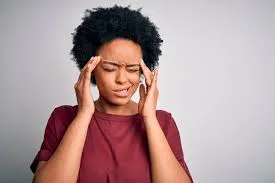
    Headaches are a common ailment that can range from a mild annoyance to a debilitating condition that affects daily life. At Lopmudra Hospital in Pune, we understand the importance of effective headache management. In this blog, we’ll explore the various headache tablets available, their uses, dosages, and when to seek professional medical advice.


    What Causes Headaches?

    Before delving into the medications, it’s crucial to understand what might be causing your headache. Common triggers include:

    • Tension: Often due to stress, poor posture, or muscle strain.

    • Migraines: Can be triggered by hormonal changes, certain foods, or environmental factors.

    • Sinus Issues: Resulting from inflammation or infection in the sinuses.

    • Dehydration: Lack of adequate water intake.

    • Lack of Sleep: Insufficient or poor-quality sleep can lead to headaches.


    Types of Headache Tablets

    1. Paracetamol (Acetaminophen):

      • Uses: Effective for mild to moderate headaches, including tension headaches and migraines.

      • Dosage: For adults and children over 12 years, the recommended dose is one or two 500-mg tablets up to four times in 24 hours, with at least 4 hours between doses. For children, paracetamol is available in various forms from the age of 3 months.

      • Benefits: Widely available, minimal side effects when used as directed, and effective for pain relief and fever reduction.

      • Side Effects: Overdose can lead to liver damage.

    2. Ibuprofen:

      • Uses: Treats tension headaches, migraines, and pain associated with inflammation.

      • Dosage: Adults can take one or two 200-mg tablets or capsules three times a day, with 6 hours between doses. In severe cases, a doctor might recommend slow-release tablets or capsules of up to 800 mg.

      • Benefits: Reduces pain and inflammation, making it suitable for headaches caused by muscle tension or sinus issues.

      • Side Effects: Can cause gastrointestinal upset, bleeding, and liver damage if overused.

    3. Aspirin:

      • Uses: Effective for tension headaches, migraines, and pain relief.

      • Dosage: The usual dose for adults is one or two 300-mg tablets every 4–6 hours. Aspirin suppositories are also available.

      • Benefits: Besides pain relief, aspirin has anti-inflammatory properties and can help with fever reduction.

      • Side Effects: Can cause heartburn, gastrointestinal bleeding, and should not be given to children under 16 due to the risk of Reye’s syndrome.

    4. Combination Medications:

      • Uses: Often combine paracetamol with other ingredients like ibuprofen, caffeine, or phenylephrine for faster or more effective headache relief.

      • Benefits: Can provide quicker relief due to the synergistic effects of multiple active ingredients.

      • Side Effects: Varies based on the combination, but generally includes those associated with the individual components.


    When to Seek Medical Attention

    While most headaches can be managed with over-the-counter medications, there are instances when professional medical advice is necessary:

    • Frequent Headaches: If you experience headaches multiple times a week, it might indicate an underlying issue.

    • Severe Intensity: Sudden, severe headaches or the worst headache of your life require immediate attention.

    • Accompanying Symptoms: Headaches with vision problems, confusion, numbness, or weakness in limbs are emergencies.

    • Persistent Headache: If a headache doesn’t respond to medication or worsens over time.


    Which Doctor to Consult for Headaches?

    • Primary Care Doctors: For most headaches, your primary care physician can provide initial treatment or refer you to a specialist.

    • Headache Specialists: If your headaches are not responding to treatment, a neurologist or headache medicine specialist can offer more targeted therapies.

    • Emergency Department: For severe, sudden headaches or those with alarming symptoms, head straight to the emergency department.


    Tips for Using Headache Tablets

    • Read Labels: Always check the active ingredients and follow the dosage instructions on the product label.

    • Avoid Overuse: Overuse of headache medications can lead to rebound headaches or other complications.

    • Consult Your Doctor: If you have underlying health conditions or are taking other medications, consult your doctor before starting any new headache treatment.


    Conclusion

    Headache tablets are a common and often effective way to manage headache pain. However, understanding the type of headache, the appropriate medication, and when to seek medical help is crucial for effective treatment. At Lopmudra Hospital, we encourage you to take an active role in managing your headaches, but also to seek professional advice when necessary. Remember, while headaches are common, they don’t have to be a part of your daily life. With the right approach, you can find relief and improve your quality of life.

  • Paracetamol Uses, Dosage, and Side Effects – Lopmudra Hospital, Pune

    Paracetamol Uses, Dosage, and Side Effects – Lopmudra Hospital, Pune

    ı What is Paracetamol Tablet?

    Paracetamol, also known as acetaminophen, is a widely used over-the-counter (OTC) medication for pain relief and fever reduction. It is available under various brand names such as Panadol, Calpol, Tylenol, and Alvedon. Paracetamol is a non-opioid analgesic and antipyretic agent, which means it helps in reducing pain and fever without the risk of addiction associated with opioids.


    ı How does Paracetamol Tablet work?

    The exact mechanism of how paracetamol works is still under investigation, but it is believed to operate through multiple pathways:

    • Prostaglandin Inhibition: Paracetamol inhibits the production of prostaglandins, which are chemicals that contribute to pain and fever. It does this by reducing the active form of cyclooxygenase (COX) enzymes, particularly COX-2, in the central nervous system.

    • Serotonergic Pathways: Paracetamol activates descending serotonergic pathways, which are involved in pain modulation.

    • Cannabinoid Receptors: An active metabolite of paracetamol, AM404, influences cannabinoid receptors, potentially contributing to its analgesic effects.

    • Nitric Oxide Pathway: There’s evidence suggesting paracetamol might also work through the nitric oxide pathway, although this is less understood.


    ı Symptoms that You Need Paracetamol

    Paracetamol is commonly used for:

    • Headache and Migraine: It provides relief from tension headaches and migraines.

    • Muscle and Joint Pain: Effective for muscle aches, backache, and mild arthritis pain.

    • Toothache: Helps alleviate tooth pain.

    • Menstrual Cramps: Useful for dysmenorrhea or period pain.

    • Fever: Reduces fever associated with colds, flu, and other infections.

    • Post-operative Pain: Can be used for pain relief after minor surgeries.


    ı Ideal Dosage for Paracetamol

    The recommended dosage for adults and children over 12 years is:

    • No more than 1g every 4 to 6 hours, with a total of 4g daily. Exceeding this dose can lead to liver damage, which can be fatal.

    For children aged 1 month to 12 years:

    • Dosing is 15 mg per kg, with a maximum of 4 doses in 24 hours. Always follow the dosing instructions on the product label.


    ı Benefits of Paracetamol

    • Effective Pain Relief: Paracetamol is known for its ability to relieve mild to moderate pain.

    • Fever Reduction: It effectively reduces fever, although its benefits in adults are less clear.

    • Minimal Side Effects: Compared to NSAIDs, paracetamol has fewer gastrointestinal side effects.

    • Wide Availability: It’s available over-the-counter, making it easily accessible for immediate relief.

    • Benefits of Paracetamol

    ı Side Effects of Paracetamol

    While generally well-tolerated, paracetamol can have side effects:

    • Liver Damage: Overdose can lead to severe liver damage or failure.

    • Allergic Reactions: Some individuals might be allergic to paracetamol or its ingredients.

    • Skin Reactions: Rarely, it can cause skin rashes or other dermatological issues.

    • Metabolic Acidosis: In severe infections, paracetamol might increase the risk of metabolic acidosis.


    ı When to Consult a General Physician in Pune for Paracetamol?

    Consult a general physician if:

    • You have liver or kidney problems: Paracetamol can be harmful in these conditions.

    • You’re taking other medications: To avoid exceeding the safe dose of paracetamol.

    • You experience severe side effects: Such as signs of liver damage or allergic reactions.

    • You need long-term pain management: Paracetamol might not be suitable for chronic pain.

    • You’re unsure about dosage: Especially for children or if you’re taking multiple medications.


    ı FAQ Related to Paracetamol Medication in Pune

    Q: Can I take paracetamol with other pain relievers?

    A: It’s generally safe to take paracetamol with NSAIDs like ibuprofen, but always consult your doctor to avoid exceeding the safe dose of paracetamol.

    Q: Is paracetamol safe for pregnant women?

    A: Paracetamol is considered safe during pregnancy when used as directed, but always consult your healthcare provider.

    Q: Can I give paracetamol to my child for fever?

    A: Yes, but follow the dosage guidelines for children, and consult a pediatrician if the fever persists or if you’re unsure about the dosage.

    Q: What should I do if I accidentally take too much paracetamol?

    A: Seek immediate medical attention. Overdose can lead to liver damage, which requires prompt treatment.

    Q: Can paracetamol be used for chronic pain?

    A: The evidence for paracetamol in chronic pain management is insufficient, and it’s generally recommended for acute pain relief.

    Q: How long can I take paracetamol for?

    A: For short-term relief, paracetamol can be taken as needed. For chronic conditions, consult your doctor for long-term management strategies.

    In conclusion, paracetamol is a versatile and widely used medication for pain relief and fever reduction. However, understanding its proper use, dosage, and potential side effects is crucial for safe and effective treatment. If you have any concerns or need personalized advice, consulting a general physician in Pune is always recommended.

    chat with us


  • Normal Sugar Level for Diabetes Care

    Normal Sugar Level for Diabetes Care

    ı Comprehensive Diabetes Care at Lopmudra Hospital, Pune

    What is diabetes?

    Diabetes is a chronic condition affecting millions worldwide, characterized by the body’s inability to effectively regulate blood sugar levels. It occurs when the pancreas doesn’t produce sufficient insulin or when the body can’t use the insulin efficiently.

    At Lopmudra Hospital, we provide tailored diabetes management programs that focus on improving the quality of life for our patients through comprehensive care that includes lifestyle modifications, medication management, and continuous health monitoring.


    ı Signs and symptoms that you need Diabetes Care

    Recognizing the signs of diabetes early is crucial for effective management. If you experience any of the following symptoms, it may be time to consult a diabetes specialist at Lopmudra Hospital:

    • Frequent urination
    • Excessive thirst
    • Intense hunger despite eating
    • Dramatic weight loss
    • Fatigue and weakness
    • Blurred vision
    • Slow healing of cuts and bruises
    • Numbness or tingling in the hands or feet

    These symptoms may develop gradually and could vary between individuals. Early detection is key to managing diabetes effectively and preventing complications.


    ı Understanding Normal Sugar Levels for Diabetics and Non-Diabetics in Pune

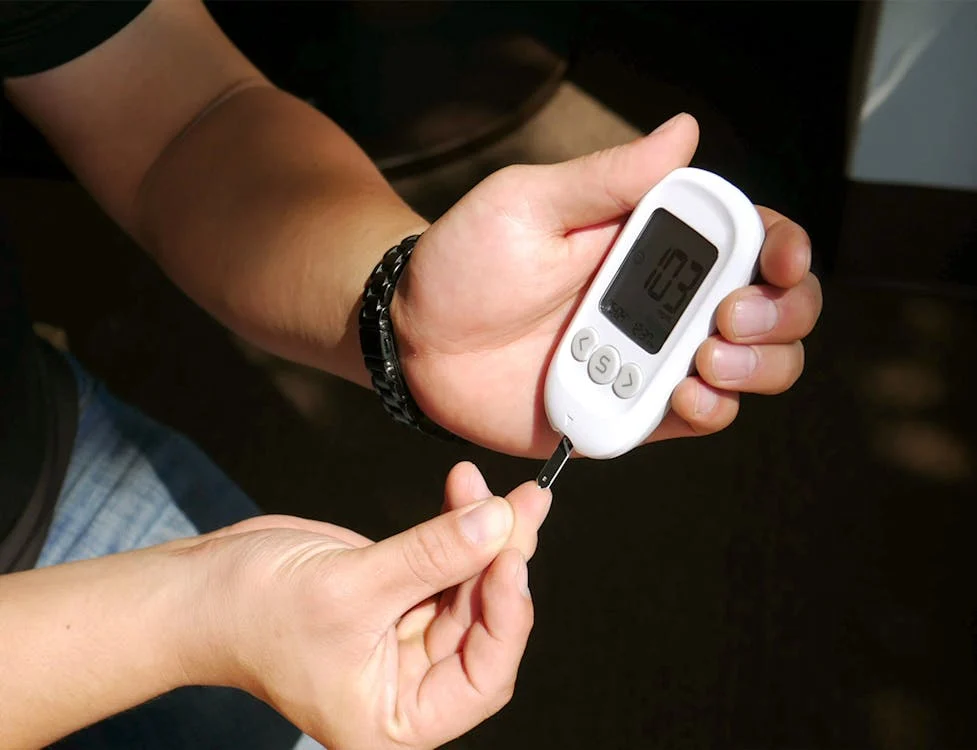
    Maintaining normal blood sugar levels is crucial for overall health, as glucose serves as the primary energy source for the body’s cells. Fluctuations in blood sugar levels can indicate underlying health conditions, such as diabetes or prediabetes, and may lead to long-term complications if left unmanaged. Here’s a breakdown of what constitutes normal sugar levels and their variations:

    Normal Blood Sugar Levels for Non-Diabetics

    For individuals without diabetes, blood sugar levels typically fall within the following ranges:

    • Fasting (after an overnight fast): 70–100 mg/dL (3.9–5.6 mmol/L).

    • Two hours after eating: Below 140 mg/dL (7.8 mmol/L).

    • Random blood sugar (any time of day): 70–140 mg/dL (3.9–7.8 mmol/L).

    These values can vary slightly depending on age, overall health, and testing conditions.

    Blood Sugar Levels for Diabetics

    For people with diabetes, target blood sugar levels are typically higher due to impaired glucose regulation:

    • Fasting: 70–130 mg/dL (3.9–7.2 mmol/L).

    • Two hours after meals: Less than 180 mg/dL (10 mmol/L).

    • Random blood sugar: Can exceed 200 mg/dL in cases of poor glycemic control.

    Pre-Diabetes Range

    Individuals with prediabetes often have elevated blood sugar levels that fall between normal and diabetic ranges:

    • Fasting: 100–125 mg/dL (5.6–6.9 mmol/L).

    • Two hours after meals: 140–199 mg/dL (7.8–11 mmol/L).


    ı Factors Affecting Blood Sugar Levels

    Several factors influence blood sugar levels, including:

    • Diet and carbohydrate intake.

    • Physical activity.

    • Stress and illness.

    • Medications, such as insulin or oral hypoglycemics.

    Why Monitoring Matters

    Monitoring blood sugar levels regularly helps identify abnormalities early, reducing the risk of complications like cardiovascular disease, nerve damage, kidney failure, and vision problems. For diabetics, maintaining target ranges is essential to prevent emergencies like diabetic ketoacidosis or hyperosmolar hyperglycemic state.

    Understanding these ranges empowers individuals to take proactive steps toward managing their blood sugar levels through lifestyle changes, medication, and regular consultations with healthcare professionals.


    ı Factors that cause Diabetes

    Several factors contribute to the development of diabetes symptoms:

    • Genetics: A family history of diabetes increases the risk of developing the condition.
    • Lifestyle: Poor eating habits, physical inactivity, and obesity are significant risk factors.
    • Age: The risk of type 2 diabetes increases with age, particularly after 45.
    • Stress: Chronic stress can lead to elevated blood sugar levels and changes in appetite.

    Our endocrinologists at Lopmudra Hospital can help identify your risk factors and create a personalized care plan.


    ı Types of Diabetes Treatment

    At Lopmudra Hospital, we offer several advanced diabetes treatment options tailored to suit individual needs:

    Treatment Type Benefits Suitable For
    Insulin Therapy Regulates blood sugar levels effectively Type 1 and some Type 2 diabetes patients
    Oral Medication Helps the body use insulin more efficiently Type 2 diabetes patients
    Continuous Glucose Monitoring Provides real-time blood sugar readings Patients needing regular blood sugar tracking

    Diabetes management at Lopmudra Hospital also includes lifestyle counseling and diet planning.


    ı Cost of Diabetes Treatment in Pune

    The cost of diabetes treatment at Lopmudra Hospital varies based on the complexity and type of care needed. Typically, costs include:

    • Consultation with an endocrinologist
    • Routine blood tests and monitoring
    • Medication management (insulin, oral drugs)
    • Nutritional counseling

    We recommend scheduling a consultation for a detailed cost estimate specific to your treatment plan.


    ı Post-Treatment and Recovery for diabetes

    Life with diabetes involves ongoing care to prevent complications and maintain a healthy lifestyle. At Lopmudra Hospital, our post-treatment care includes:

    • Regular follow-ups to adjust treatment plans as needed
    • Education on diabetes self-management
    • Personalized exercise and wellness programs

    Our comprehensive support ensures that patients not only manage their diabetes but thrive despite it.


    ı Why choose Lopmudra Hospital for diabetes care?

    At Lopmudra Hospital, we are committed to delivering superior care to our patients through:

    • Expertise: Our team includes some of the best endocrinologists in Pune, ensuring accurate diagnosis and effective treatment plans.
    • Technology: We employ the latest tools and technology for precise monitoring and management.
    • Patient-Centric Care: We focus on tailored treatment plans that address the unique needs of each patient.

    ı Frequently asked questions about diabetes care

    Q1: What is the normal blood sugar level?
    A: A normal fasting blood sugar level is between 70 to 99 mg/dL. Post-meal levels should be less than 140 mg/dL.

    Q2: Can diabetes be cured?
    A: While there is no cure, diabetes can be effectively managed with proper lifestyle and medical interventions.

    Q3: How often should I monitor my blood sugar?
    A: Frequency depends on your treatment plan; typically, it’s recommended to check multiple times daily, especially if on insulin therapy.

    Q4: What dietary changes help with diabetes management?
    A: Focus on a balanced diet rich in whole grains, lean proteins, and fresh fruits and vegetables; avoid processed sugars and high-fat foods.

    Q5: Are there support groups available?
    A: Lopmudra Hospital provides patient support resources where individuals can share experiences and get motivational support.

    Q6: What is the contact number for appointments?
    A: Call us at +918087122022 or WhatsApp at 918379033033 for appointments.


    ı Comparison of diabetes treatment options

    Treatment Option Pros Cons
    Insulin Therapy Highly effective for blood glucose control Requires regular injections, careful monitoring
    Oral Medications Convenient, various types available Not always effective for type 1 diabetes
    Lifestyle Changes Non-invasive, holistic approach Requires consistency and discipline

    Advanced diabetes treatment options at our hospital are designed to combine these methods for optimal outcomes.


    We invite you to explore our specific diabetes care program by visiting our website or contacting us directly to learn more about how Lopmudra Hospital can support your journey to optimal health.

    chat with us
  • Monkey Pox Treatment in Pune: Everything You Need to Know at Lopmudra Hospital

    Monkey Pox Treatment in Pune: Everything You Need to Know at Lopmudra Hospital

    Monkey Pox Treatment in Pune: Everything You Need to Know at Lopmudra Hospital

    Monkey Pox is a rare viral infection with symptoms similar to smallpox. While it is less contagious and causes milder illness, early diagnosis and proper treatment are essential. This page provides comprehensive information about Monkey Pox treatment at Lopmudra Hospital in Pune, including details about our services, costs, and expert care.


    What is Monkey Pox?

    Monkey Pox is an infectious disease caused by the monkeypox virus, which belongs to the Orthopoxvirus genus. This viral infection is primarily zoonotic, meaning it is transmitted from animals to humans, with rodents being the main reservoir. However, human-to-human transmission can occur through direct contact with infectious lesions, body fluids, respiratory droplets, and contaminated materials.

    The incubation period generally ranges from 7 to 14 days but can extend to 21 days. Monkey Pox typically manifests with:

    • Fever
    • Headache
    • Muscle aches
    • Exhaustion
    • Swollen lymph nodes
    • A rash that evolves from macules to vesicles, pustules, and scabs

    Understanding the progression and symptoms of Monkey Pox is crucial to seeking timely medical attention.


    Signs and Symptoms Indicating You Need Monkey Pox Treatment

    Recognizing the early signs of Monkey Pox is essential for receiving prompt and appropriate treatment. Patients often experience flu-like symptoms such as fever, chills, and fatigue, which precede the development of a distinctive rash. This rash typically starts on the face and spreads to other parts of the body, transforming into fluid-filled pustules that eventually scab over.

    You should seek medical consultation if you experience:

    • Unexplained rashes or pustules, especially if you have recently traveled to areas where Monkey Pox is endemic or come into contact with potentially infected individuals.
    • Persistent high-grade fever and lymphadenopathy (swelling of the lymph nodes).
    • Intense headaches or muscle pains that do not subside with usual medication.
    • If you are living with someone or have been in close contact with someone who has been diagnosed with Monkey Pox.

    Early intervention can help manage symptoms effectively and prevent complications.


    Factors Causing Monkey Pox Symptoms

    The symptoms of Monkey Pox are primarily caused by the infiltration and replication of the virus within the body. Various factors contribute to the severity and manifestation of symptoms:

    • Animal Contact: Transmission primarily occurs through direct contact with the blood, bodily fluids, or cutaneous or mucosal lesions of infected animals.
    • Human-to-Human Transmission: Close contact with respiratory tract secretions, skin lesions of an infected person, or recently contaminated objects.
    • Weakened Immune System: Individuals with compromised immune systems are more susceptible to severe manifestations of the disease.
    • Lack of Vaccination: The smallpox vaccine, which provides some immunity to Monkey Pox, is no longer widely administered, leading to increased incidences, particularly in younger populations.

    Understanding these transmission vectors can aid in prevention and early diagnosis.


    Types of Monkey Pox Treatment

    The treatment for Monkey Pox primarily focuses on symptom management and preventing complications. There are no specific treatments or vaccines for Monkey Pox; however, the smallpox vaccine, antivirals, and vaccinia immune globulin (VIG) can be used to control outbreaks.

    Treatment Type Benefits Considerations
    Supportive Care Alleviates symptoms and supports the immune system Requires hospitalization in severe cases
    Antiviral Medication May shorten the duration of the illness Limited data on efficacy; used off-label
    Vaccination Provides prevention or reduces severity Not available to the public; reserved for outbreak controls

    Our healthcare providers at Lopmudra Hospital tailor the treatment plan based on the severity and specific needs of each patient.


    Cost of Monkey Pox Treatment in Pune

    The cost of Monkey Pox treatment at Lopmudra Hospital can vary based on the severity of symptoms, required hospital stay, and specific medical interventions needed. While precise figures can only be given after a thorough evaluation, we strive to maintain affordability without compromising the quality of care.

    Generally, costs include:

    • Initial consultation and diagnostic tests
    • Hospitalization and monitoring (if necessary)
    • Symptomatic treatment and medications
    • Follow-up consultations

    For detailed pricing and insurance inquiries, please contact our support line at +918087122022 or visit our website for more information.


    Post-Treatment and Recovery for Monkey Pox

    Recovery from Monkey Pox typically ranges from 2 to 4 weeks. Most patients recover with supportive care, but ongoing monitoring is crucial to ensure there are no complications. At Lopmudra Hospital, we emphasize a comprehensive follow-up strategy to aid our patients in making a full recovery.

    Post-treatment care includes:

    • Regular monitoring of symptoms until complete resolution
    • Advising on isolation to prevent transmission to others, particularly vulnerable groups
    • Nutritional support to rebuild strength and boost immunity
    • Routine follow-ups to watch for signs of complications

    Our medical team remains committed to providing comprehensive care and guidance throughout your recovery journey.


    Treatment Outcomes and Patient Testimonials

    At Lopmudra Hospital, patient satisfaction is a testament to the quality of care we provide. Our treatment outcomes for Monkey Pox have been highly positive, with patients making full recoveries without significant complications.

    Here are a few testimonials from our patients:

    “I received timely and compassionate care at Lopmudra Hospital. The staff made sure I was comfortable and informed throughout my treatment. I am very grateful.” – Rohan S.

    “The doctors at Lopmudra are experts in their field. They not only treated my medical symptoms but also supported me emotionally. I highly recommend them!” – Leena D.

    These experiences highlight our commitment to excellence and patient-centered care.


    Why Choose Lopmudra Hospital for Monkey Pox Treatment?

    Lopmudra Hospital is a leading healthcare facility in Pune, offering specialized Monkey Pox treatment under the guidance of experienced professionals in General Medicine. We stand out for our commitment to patient care, advanced medical practices, and a friendly, empathetic environment.

    • Access to experienced Monkey Pox specialists in Pune
    • Comprehensive diagnostic services using cutting-edge technology
    • Holistic treatment plans tailored to individual patient needs
    • Seamless insurance processing and financial guidance
    • Convenient location with ample facilities and support for families

    Choose Lopmudra Hospital for effective, compassionate, and dedicated healthcare in managing Monkey Pox in Pune.


    Meet Our Team of Monkey Pox Specialists

    Our team at Lopmudra Hospital comprises seasoned professionals specializing in the diagnosis and treatment of infectious diseases like Monkey Pox. Our specialists are not only well-versed in general medical practices but are also deeply empathetic towards the unique needs of each patient.

    Our team includes:

    • Dr. Anjali Kumar, MD – Infectious Disease Specialist
    • Dr. Ravi Thakare, MD – General Medicine Expert
    • Dr. Sneha Singh, MBBS – Practitioner of Preventive Medicine

    Each member of our team is dedicated to providing excellent medical care and emotional support to ensure swift recovery and lasting health improvements.


    How Can We Avoid Monkey Pox?

    Prevention is crucial in managing Monkey Pox risk. Here are several strategies recommended by healthcare experts:

    • Maintaining proper hygiene and handwashing practices
    • Avoiding contact with animals that might harbor the virus, such as rodents and primates
    • Minimizing exposure to potentially contaminated materials in endemic areas
    • Ensuring vaccination for smallpox if at high risk; it provides cross-immunity to Monkey Pox
    • Isolating infected patients to prevent the spread within communities

    Public health awareness and education are key in curbing the spread of Monkey Pox. At Lopmudra Hospital, we offer detailed counseling and preventive guidance as part of our healthcare services.


    FAQs on Monkey Pox Treatment at Lopmudra Hospital

    Q1: How is Monkey Pox diagnosed at Lopmudra Hospital?
    Diagnosis involves a clinical exam followed by lab tests, including PCR and viral cultures, to confirm the presence of the virus.

    Q2: What should I do if I suspect a Monkey Pox infection?
    If you have a rash with flu-like symptoms and suspect Monkey Pox, seek medical assistance promptly for diagnostic testing and expert care.

    Q3: Is Monkey Pox contagious?
    Yes, it spreads through direct contact with infected individuals or animals and occasionally via respiratory droplets in prolonged face-to-face contact.

    Q4: Can Monkey Pox be fatal?
    While most cases are mild, severe cases can occur, particularly in immunocompromised individuals. Early medical evaluation helps in better management.

    Q5: What is the contact information for emergencies?
    For urgent queries, you can contact us at our emergency helpline: +918087122022 or through WhatsApp at 918379033033.

    Q6: How soon should I get medical attention?
    Prompt diagnosis and care are important. Seek medical advice if symptoms develop, especially after potential exposure.

    For more detailed answers or to schedule an appointment, visit our website.


    Lopmudra Hospital, located in Vishwakarma Nagar, near NIV Pashan, Pune, Maharashtra, is your trusted healthcare partner for comprehensive Monkey Pox management and treatment. Call us at +918087122022 for exceptional care and support.