Category: Uncategorized

  • Understanding Kidney Stones: Causes Explained by Lopmudra Hospital Experts

    Understanding Kidney Stones: Causes Explained by Lopmudra Hospital Experts

    What causes Kidney Stones?


    Kidney stones are a common urological condition that affects millions of people worldwide. Characterized by severe pain, kidney stones form when minerals and salts crystallize in the kidneys. At Lopmudra Hospital Pashan in Pune, we provide comprehensive kidney stone treatment and expert consultation with our leading urology specialists. This article explores the causes, symptoms, and treatment options for kidney stones to help you better understand the condition and how to manage it effectively.


    ı Understanding kidney stones

    Kidney stones are hard deposits of minerals and salts that form inside the kidneys. They can vary in size, from as small as a grain of sand to as large as a golf ball. The condition most commonly affects adults between the ages of 30 and 60.

    The primary cause of kidney stones is the concentration of certain substances in the urine. When urine contains high levels of calcium, oxalate, and uric acid, and lacks enough fluid to dilute these substances, crystals start to form. These crystals can then stick together and grow into stones.
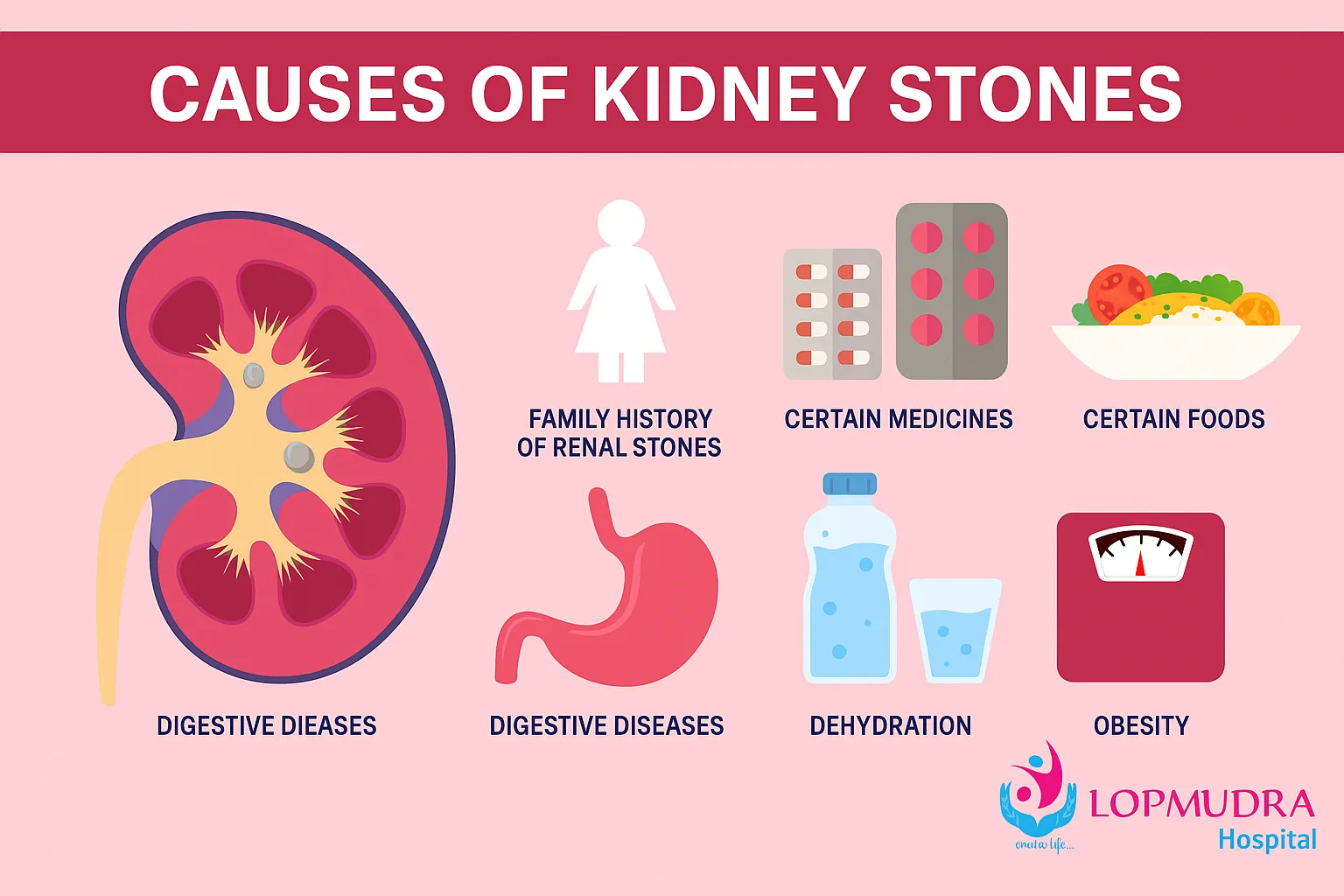
    Causes of Kidney Stone in Pune

    ı Common causes of kidney stones

    Several factors can contribute to the formation of kidney stones, including:

    • Dehydration: Not drinking enough water regularly can lead to highly concentrated urine, increasing the likelihood of stone formation.
    • Diet: High intake of protein, sodium, and sugar may increase your risk. Foods high in oxalates—such as beets, chocolate, and spinach—can also contribute.
    • Obesity: Being overweight can result in changes in urine that may promote stone formation.
    • Medical conditions: Diseases such as Crohn’s disease, urinary tract infections, and certain metabolic disorders can affect the absorption of calcium and water, leading to stones.
    • Genetic factors: Hereditary factors can predispose individuals to develop certain types of kidney stones.

    ı Symptoms and diagnosis

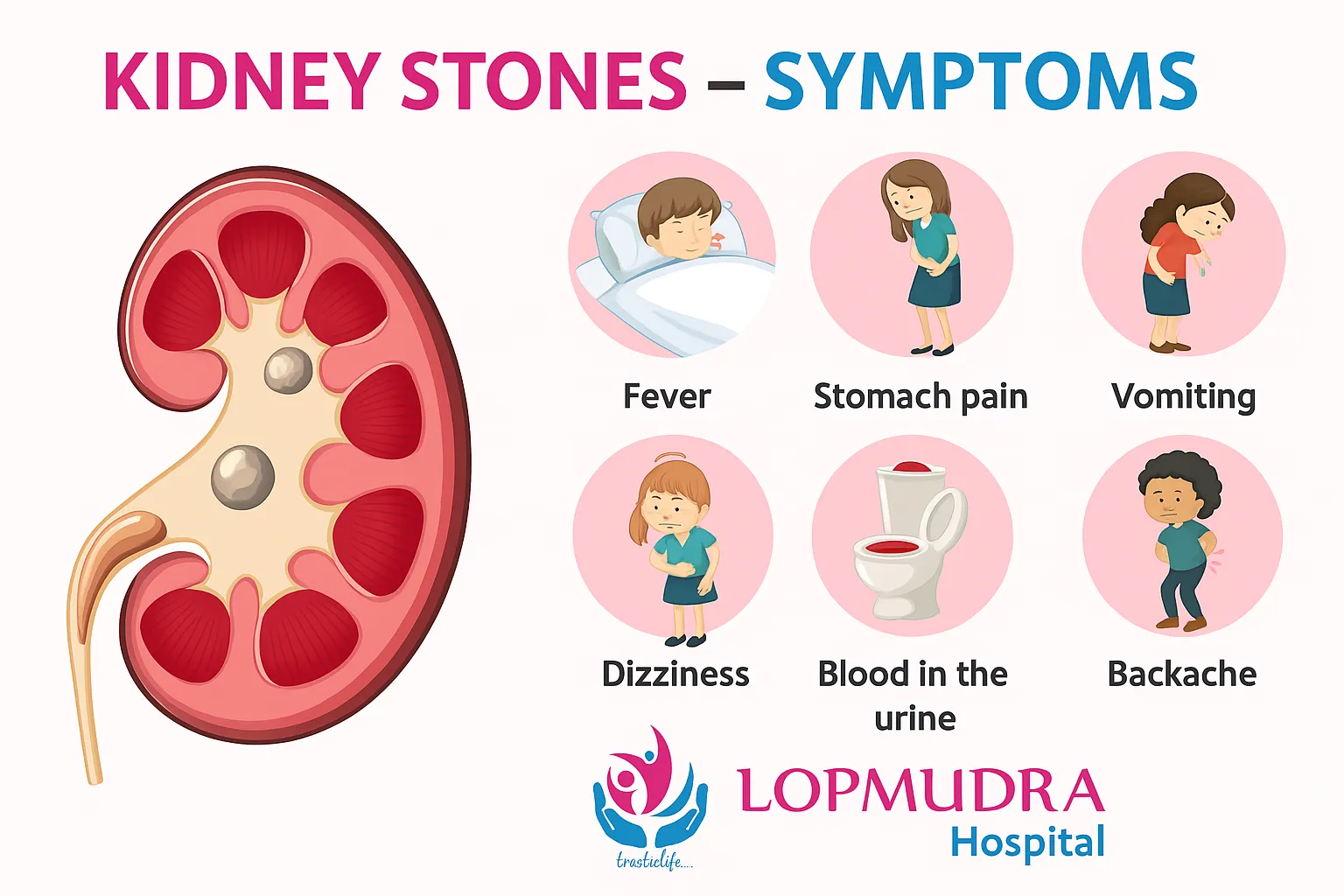
    Kidney stones may not cause symptoms until they move within your kidney or pass into your ureter. At this point, you may experience:

    • Severe pain in the side and back, below the ribs
    • Pain that radiates to the lower abdomen and groin
    • Pain that comes in waves and varies in intensity
    • Pain or burning during urination
    • Pink, red, or brown urine
    • Cloudy or foul-smelling urine

    If you experience these symptoms, it’s crucial to seek medical attention promptly for appropriate diagnosis and treatment. At Lopmudra Hospital Pashan, our expert urologists use advanced diagnostic tools including imaging tests and laboratory analyses to accurately diagnose kidney stones.


    ı Treatment Options for kidney stones

    Treatment for kidney stones depends on the stone’s size, type, and location, as well as the patient’s overall health. Options include:

    Treatment Method Description Suitable For
    Medication Drugs to relieve pain, manage symptoms, and help the stone pass smoothly. Small stones
    Extracorporeal Shock Wave Lithotripsy (ESWL) Non-invasive procedure using sound waves to break stones into smaller pieces. Stones smaller than 2cm
    Ureteroscopy A device passed through the urethra and bladder to remove or break stones. Mid-sized stones
    Percutaneous Nephrolithotomy Minimally invasive surgical procedure to remove large stones directly. Large stones

    ı Kidney stone surgery in Pune at Lopmudra Hospital Pashan

    For residents of Pune looking for expert care, Lopmudra Hospital Pashan offers advanced kidney stone removal procedures. Our team of skilled urology specialists provides state-of-the-art treatment tailored to each patient’s needs. Recognized as the best hospital for kidney stones in Pune, we ensure the highest standards of medical care and patient satisfaction.

    Our kidney health consultants assess each case meticulously and offer a comprehensive treatment plan to facilitate quick recovery and minimize discomfort. From consultations to surgery and post-operative care, our urology services near Pashan are designed to deliver the best outcomes for our patients.


    ı Prevention and lifestyle modifications

    Prevention is key when it comes to kidney stones. Here are some tips to reduce your risk of developing them:

    • Hydration: Drink plenty of fluids, aiming for at least 8-10 glasses a day. Proper hydration dilutes substances in urine that lead to stones.
    • Dietary management: Reduce your intake of salt and animal protein, and limit foods high in oxalate.
    • Regular check-ups: Routine medical check-ups can help detect abnormalities early and manage the risk factors.
    • Supplement monitoring: Be cautious with calcium supplements and consult with a healthcare provider for advice.

    At Lopmudra Hospital, we provide renal healthcare consultations to guide you in adopting a kidney-friendly lifestyle.


    ı Conclusion

    Kidney stones can be an incredibly painful and distressing condition, but with accurate diagnosis and comprehensive treatment, relief is possible. Lopmudra Hospital Pashan stands as a beacon of hope for those seeking kidney stone treatment in Pune. Our expert urologists are prepared to provide compassionate care and advanced medical solutions. If you suspect you’re experiencing kidney stone symptoms, do not hesitate to reach out to us for a consultation.

    For more information or to schedule an appointment with our best urologist in Pune, contact us at +918087122022 or through WhatsApp at 918379033033. Visit our website for online scheduling options at Lopmudra Hospitals.

    chat with us
  • Understanding Kidney Stones: Symptoms, Diagnosis, and Treatment at Lopmudra Hospital

    Understanding Kidney Stones: Symptoms, Diagnosis, and Treatment at Lopmudra Hospital

    ı What are Kidney Stones?

    Kidney stones are hard deposits composed of minerals and salts that form inside the kidneys. They can affect any part of the urinary tract, from the kidneys to the bladder. The stones form when urine becomes concentrated, allowing minerals to crystallize and stick together. Sizes can vary greatly—from as small as a grain of sand to as large as a golf ball. Kidney stones can be extraordinarily painful yet are preventable and treatable.

    At Lopmudra Hospital Pashan in Pune, our team of experts provides top-notch treatment and prevention strategies for kidney stones. With modern diagnostic and treatment facilities, we stand committed to offering the best kidney stone treatment in Pune.


    ı What causes Kidney Stones?

    Understanding what causes kidney stones is crucial for prevention. There are various types of kidney stones, each formed due to different factors:

    • Calcium Stones: The most common type. They form when calcium combines with oxalate or phosphate in urine. Factors like high-oxalate foods and low fluid intake can increase risk.
    • Struvite Stones: Often a result of urinary tract infections (UTIs). They grow quickly and can become quite large.
    • Uric Acid Stones: More common in men. A diet high in animal protein and certain medical conditions may contribute to their formation.
    • Cystine Stones: These are rare and tend to form in people with a genetic disorder called cystinuria.

    Conditions such as obesity, digestive diseases, and certain medications can also elevate the risk of kidney stones. At Lopmudra Hospital, we specialize in diagnosing the underlying causes specific to each patient.


    ı Recognizing the symptoms of kidney stones

    Kidney Stone Symptoms - Pune

    Symptoms of kidney stones typically appear when the stone passes into the ureter, causing blockage and pain. Recognizing these symptoms early can lead to more effective treatment:

    • Severe Pain: Often described as the most excruciating pain, it can occur in the back, side, groin, or abdomen.
    • Hematuria: Presence of blood in urine, making it pink, red, or brown.
    • Frequent Urination: A constant urge to urinate but passing very little each time.
    • Nausea and Vomiting: These symptoms can accompany or result from the severe pain caused by kidney stones.

    If you experience any of these symptoms, it is crucial to consult a kidney stone doctor in Pune promptly. Our specialists at Lopmudra Hospital can provide an accurate diagnosis and effective treatment options.


    ı Diagnosing kidney stones

    At Lopmudra Hospital, we utilize cutting-edge diagnostic tools to identify kidney stones. Our approach includes:

    • Imaging Tests: Noninvasive tests like ultrasounds and CT scans offer detailed images to identify the location and size of stones.
    • Blood Testing: These tests can uncover high levels of certain substances that contribute to stone formation.
    • Urine Testing: A 24-hour urine test may help reveal imbalances in minerals that lead to stone formation.

    Our specialists design personalized treatment plans based on diagnostic findings, ensuring comprehensive care from start to finish.


    ı Treatment options for kidney stones

    Treatment for kidney stones varies based on their type, size, and location. Several effective treatment options are available at Lopmudra Hospital:

    • Conservative Management: For small stones, drinking plenty of water may help flush them out. Pain relievers may reduce discomfort, and alpha-blockers can relax ureter muscles.
    • Extracorporeal Shock Wave Lithotripsy (ESWL): This non-invasive procedure uses shock waves to break larger stones into small pieces that can pass through the urinary tract.
    • Ureteroscopy: A thin scope is used to remove or break up stones in the ureter or kidney.
    • Percutaneous Nephrolithotomy: This surgical procedure removes very large stones through a small incision in the back under anesthesia.

    ı Table: Comparing kidney stone treatment methods

    Procedure Duration Recovery Time Pros Cons
    ESWL 45-60 minutes Few Days Non-invasive, minimal discomfort May require multiple sessions
    Ureteroscopy 1 hour Few Days Direct vision, effective for ureter stones Sedation required, minor risks
    Percutaneous Nephrolithotomy 2-3 hours 1-2 weeks Effective for large stones More invasive, longer recovery

    ı Preventing kidney stones

    Prevention is always the best cure. The following strategies can help prevent the recurrence of kidney stones:

    • Hydration: Drinking plenty of water can dilute substances in urine that lead to stones.
    • Dietary Changes: Reducing salt, limiting animal protein, and avoiding high-oxalate foods like nuts and spinach can decrease stone risk.
    • Regular Check-ups: Periodic monitoring with a Lopmudra kidney stone specialist ensures timely intervention and management.

    We, at Lopmudra Hospital, are dedicated to promoting preventative healthcare while focusing on patient education regarding dietary and lifestyle modifications.


    ı Why choose Lopmudra Hospital for kidney stone care?

    Lopmudra Hospital is recognized for its comprehensive and compassionate care. Our specialists in Pune are equipped with state-of-the-art technology and a wealth of experience in kidney stone removal. Here are some reasons to choose us:

    • Expert Team: Our highly trained urologists and nephrologists provide personalized care tailored to each patient’s unique needs.
    • Advanced Facilities: We offer cutting-edge diagnostic and surgical technology in a comfortable and safe environment.
    • Comprehensive Services: From consultation to post-treatment care, we support our patients every step of the way.
    • Insurance Coverage: All insurance and TPA/corporate empanelment plans are accepted, ensuring accessible and hassle-free treatment.

    For those seeking the best kidney stone treatment, look no further than Lopmudra Hospital. Book an appointment today by calling us at +918087122022 or through our website.

    chat with us

  • Comprehensive Guide to High Blood Pressure: Causes, Symptoms, and Prevention | Lopmudra Hospital

    Comprehensive Guide to High Blood Pressure: Causes, Symptoms, and Prevention | Lopmudra Hospital

    Understanding High Blood Pressure


    High blood pressure, also known as hypertension, is a common health condition where the force of the blood against the artery walls is consistently too high. Over time, this excessive force can lead to health issues such as heart disease, stroke, and kidney problems. It’s essential to understand the nuances of this condition as around 1.13 billion people globally suffer from hypertension, according to the World Health Organization (WHO). In India, it is estimated that nearly one in three adults has high blood pressure, making it a significant public health concern.

    At Lopmudra Hospital in Pune, we offer comprehensive screening and management for high blood pressure. Our team of medical professionals, including some of the best general physicians in Pune, are dedicated to providing precise diagnoses and effective treatment plans tailored to individual needs.


    ı Causes of High Blood Pressure

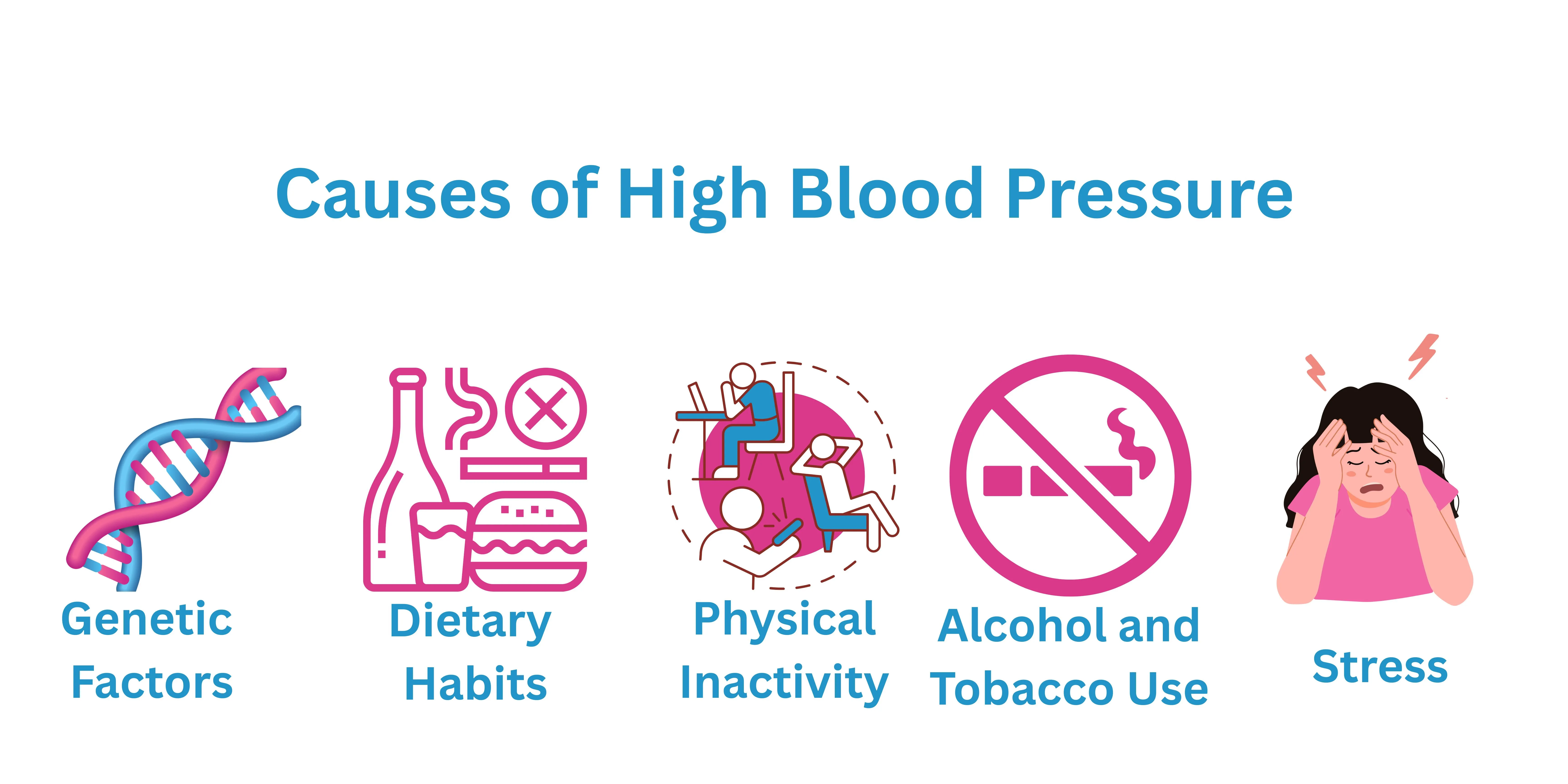
    High blood pressure can develop due to a combination of genetic, environmental, and lifestyle factors. Here are some primary causes:

    • Genetic Factors: A family history of hypertension increases your risk. Certain genetic markers identified in global studies have shown a link to high blood pressure susceptibility.
    • Dietary Habits: Consuming a diet high in salt, processed foods, and low in potassium can enhance the risk of developing hypertension.
    • Physical Inactivity: Lack of exercise contributes to overall weight gain, which is a known risk factor for elevated blood pressure.
    • Alcohol and Tobacco Use: Both alcohol and tobacco can damage the cardiovascular system, leading to increased blood pressure.
    • Stress: Prolonged stress can lead to temporary spikes in blood pressure that may eventually contribute to chronic hypertension.

    Identifying the causes of hypertension is the first step in combatting it. The team at Lopmudra Hospital, located in the heart of Pune, offers personalized consultations to help pinpoint these factors and develop an actionable plan moving forward.


    ı Symptoms and Complications of High Blood Pressure

    Often termed the “silent killer,” high blood pressure typically presents without noticeable symptoms until serious complications occur. However, some individuals might experience headaches, nosebleeds, or shortness of breath, which should prompt immediate medical attention.

    The complications arising from uncontrolled high blood pressure are severe and include:

    • Heart Attack or Stroke: Prolonged hypertension can harden arteries, reducing blood flow and oxygen to the heart.
    • Aneurysm: Increased blood pressure can lead to the formation of bulges in blood vessels potentially leading to rupture.
    • Heart Failure: The heart’s ability to pump blood is compromised due to excessive pressure.
    • Kidney Damage: Hypertension can cause arteries around the kidneys to narrow, weaken, or harden.
    • Vision Loss: Damage to the blood vessels in the retina can lead to loss of vision.

    Regular check-ups and early detection are crucial to prevent these complications. Our dedicated team of specialists at Lopmudra Hospital provides comprehensive care to diagnose and manage these issues effectively.


    ı Diagnosing High Blood Pressure

    Effective diagnosis of high blood pressure involves accurate measurement and evaluation over multiple visits. At Lopmudra Hospital in Pune, our general physicians near you use state-of-the-art sphygmomanometers and ambulatory blood pressure monitoring to ensure precision in diagnosis.

    Some recommended diagnostic procedures include:

    • Primary Measurement: Blood pressure readings are taken using a cuff and a stethoscope or electronic device. A consistent reading of 140/90 mmHg or higher is indicative of hypertension.
    • Ambulatory Monitoring: This involves wearing a small device that records blood pressure at regular intervals over 24 hours to observe variations throughout the day and night.
    • Home Monitoring: Patients might be advised to use a home blood pressure monitor to routinely track readings as part of their treatment plan.
    • Lab Tests: Blood glucose, cholesterol levels, and kidney function tests are also conducted to rule out related conditions.

    Fast and accurate diagnosis at Lopmudra Hospital ensures that patients have the optimal guidance needed to manage their blood pressure and related health risks efficiently.


    ı Effective Treatments for High Blood Pressure

    Managing high blood pressure often requires a multi-pronged approach combining lifestyle changes, medication, and regular monitoring. Here at Lopmudra Hospital, Pune, our experts design comprehensive treatment plans tailored to each patient’s needs.

    Treatment options generally include:

    • Lifestyle Adjustments: Dietary changes like reducing salt intake and managing weight through exercise are vital. Personal habits such as quitting smoking and limiting alcohol also contribute to better outcomes.
    • Medication: Several medications are available, including diuretics, ACE inhibitors, beta-blockers, and calcium channel blockers. The choice of medication depends on the unique health profile of each patient.
    • Home Monitoring: Ongoing self-monitoring helps patients stay engaged with their health and provides doctors with valuable ongoing data.
    • Regular Check-Ups: Scheduled visits with the healthcare provider to assess progress and make necessary treatment adjustments.

    Our patient-centered approach at Lopmudra Hospital ensures every step of the treatment journey is supportive, with a focus on achieving the best health outcomes.


    ı Alternative and complementary therapies

    While medication and lifestyle changes are the front-line treatments for hypertension, many patients explore alternative or complementary therapies to aid in managing their blood pressure effectively. In Pune, Lopmudra Hospital acknowledges the potential benefits these therapies can offer when integrated with traditional medical care.

    Some of the options include:

    • Yoga and Meditation: Regular practice can help reduce stress and improve cardiovascular health by enhancing relaxation and breathing.
    • Herbal Supplements: Supplements like garlic, flaxseeds, and fish oil have shown promise in lowering blood pressure, though they should be used under medical supervision.
    • Acupuncture: This ancient technique may help reduce stress levels, a contributing factor to high blood pressure.

    At Lopmudra Hospital, our physicians can guide patients in safely incorporating these therapies into their existing treatment strategies for more holistic care.


    ı Prevention of high blood pressure

    Prevention of high blood pressure is a key component of maintaining heart health and overall well-being. The professionals at Lopmudra Hospital work closely with patients to develop preventive strategies tailored to individual health profiles.

    Effective prevention strategies include:

    • Adopting a Healthy Lifestyle: Eating a balanced diet rich in fruits, vegetables, and whole grains with limited salt, sugar, and red meat is recommended.
    • Regular Exercise: Engaging in at least 150 minutes of moderate-intensity aerobic activity weekly can help maintain a healthy blood pressure.
    • Stress Management: Techniques such as mindfulness and cognitive-behavioral therapy can be beneficial for reducing stress-induced blood pressure spikes.
    • Avoiding Tobacco and Excess Alcohol: Eliminating tobacco use and moderating alcohol consumption can dramatically affect blood pressure levels.

    By fostering a proactive approach to health, Lopmudra Hospital aims to not only treat hypertension but also prevent its onset in the local Pune community.


    ı Visiting Lopmudra Hospital in Pune

    Located in Vishwakarma Nagar, near NIV Pashan, Lopmudra Hospital stands as a beacon of health and wellness in Pune. With a focus on thoughtful healthcare delivery tailored to the needs of those dealing with high blood pressure, our facility combines state-of-the-art technology with compassionate care.

    Our team includes some of the best general physicians and specialists who are highly experienced in the management of hypertension. We encourage the residents in and around Pune, including nearby areas like Pashan and Aundh, to reach out for comprehensive medical evaluations and personalized treatment plans.

    chat with us

    Book your appointment by visiting our website or call us at +918087122022. You can also reach out via WhatsApp at 918379033033 for more information.

  • Understanding Gallbladder Stones: Causes Explained by Lopmudra Hospital Experts

    Understanding Gallbladder Stones: Causes Explained by Lopmudra Hospital Experts

    ı Understanding Gall Bladder Stones


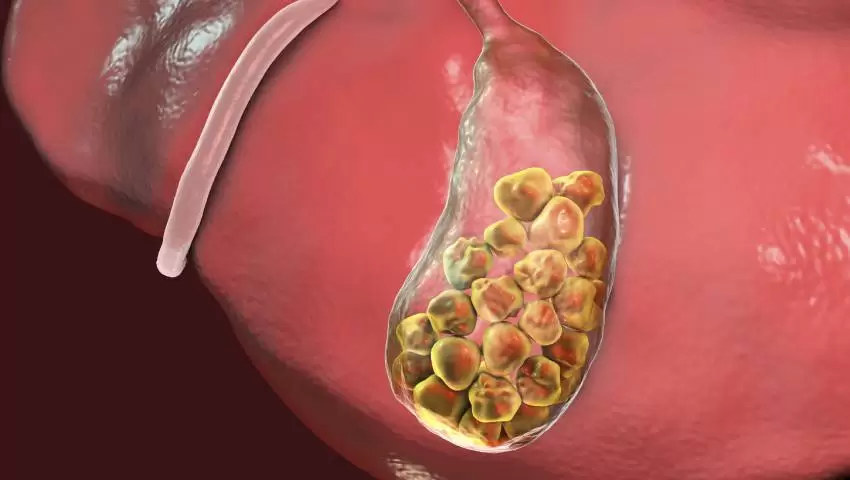
    Gall bladder stones, also known as gallstones, are hardened deposits that form within the gall bladder, a small organ positioned under the liver in the right side of the abdomen. Their size and composition can vary greatly, ranging from tiny grains of sand to large golf-ball-sized formations. These stones can be asymptomatic or can cause significant discomfort and complications, necessitating removal. At Lopmudra Hospital Pashan, Pune, we offer comprehensive gall bladder stone diagnostics and advanced treatment options to cater to the unique healthcare needs of our patients.


    ı Causes of Gall Bladder Stones

    The development of gall bladder stones can be attributed to several factors, which can work alone or in combination with others:

    • Excess cholesterol: When the liver excretes more cholesterol than the bile can dissolve, it leads to the formation of crystals, eventually developing into stones.
    • Bile concentration: If the gall bladder fails to empty effectively, bile becomes overly concentrated, which aids in stone formation.
    • Bilirubin levels: Conditions that cause the liver to produce excess bilirubin, such as liver cirrhosis or biliary tract infections, can lead to the formation of pigment stones.
    • Dietary Choices: Consumption of diets high in fat and low in fiber increases the risk of gallstone formation.

    Understanding these causes can help in early identification and prevention. At Lopmudra Hospital, Pashan, our general surgery specialists provide insights into risk factors and personalized advice to mitigate them.


    ı Recognizing Gall Bladder Stone Symptoms

    Gall bladder stone symptoms may vary depending on the stone’s location and whether it causes an obstruction. Common symptoms include:

    • Abdominal pain: Typically felt in the upper right portion of the abdomen, this pain may radiate to the back or right shoulder.
    • Nausea and vomiting: Digestive disturbances may accompany significant discomfort.
    • Bloating and gas: These symptoms may occur after meals and are indicative of compromised digestive functions.
    • Dark urine and pale stools: These symptoms suggest complications involving the liver or bile ducts.

    At Lopmudra Hospital Pashan, Pune, our team is equipped to perform detailed evaluations and diagnose these symptoms accurately.


    ı Diagnosis and assessment of Gallstones

    Accurate diagnosis is paramount to effective treatment. At Lopmudra Hospital, we utilize cutting-edge technology and specialized techniques for diagnosis:

    • Ultrasound: The most common imaging test that reveals gallstones and potential complications.
    • CT Scan: Often used for a detailed assessment of complications or to view larger stones.
    • Cholescintigraphy (HIDA scan): A nuclear imaging test that evaluates gall bladder function.
    • Magnetic Resonance Cholangiopancreatography (MRCP): This advanced imaging provides high-quality images of bile ducts and gallstones.

    Prospective patients are encouraged to contact us at +918087122022 or visit our hospital to schedule a diagnostic appointment.


    Diagnosis and assessment of Gallstones

    ı Treatment options for Gall Bladder Stones

    Treatment depends on symptom severity and stone size:

    Procedure Type Benefits Recovery Time
    Lithotripsy Non-invasive, sound waves used to break stones 1-2 days
    Laparoscopic Cholecystectomy Minimally invasive, removes gallbladder for long-term relief 1 week
    Medication Dissolves cholesterol stones over time Varies; months to years

    Decisions regarding treatment are made collaboratively, ensuring patient preferences and conditions are prioritized. Our surgeons at Lopmudra Hospital Pashan are highly trained and experienced in performing these procedures.


    ı Comparing Treatment Options of Gall Bladder Stone in Pune:

    Each treatment has unique advantages and considerations:

    Factor Lithotripsy Laparoscopic Cholecystectomy Medication
    Invasiveness Non-invasive Minimally invasive Non-invasive
    Effectiveness Varies with stone type High Good for small, cholesterol stones
    Cost Moderate Higher Low

    At Lopmudra Hospital, Pashan, our experts guide you through the decision-making process, weighing all critical factors, including medical history and personal preferences.


    ı Preventive measures and lifestyle changes

    Preventing gallstones is often possible through lifestyle alterations and dietary changes:

    • Maintaining a healthy weight: Regular exercise and a balanced diet can help manage body weight and reduce gallstone risk.
    • Adopting a high-fiber diet: Regular intake of fruits, vegetables, and whole grains helps in healthy digestion and bile flow.
    • Limiting cholesterol and saturated fats: Reducing these in your diet can decrease the likelihood of stone formation.
    • Hydration: Sufficient fluid intake supports liver function and bile secretion.

    Lopmudra Hospital in Pune offers nutritional guidance as part of our preventive care strategy.


    ı Seeking expert care and guidance

    If you or someone you know is experiencing symptoms of gall bladder stones, timely consultation with our best general surgeons in Pune at Lopmudra Hospital, located at Vishwakarma Nagar, Pashan, Pune, is essential. Our specialists provide personal consultation and tailored treatment plans to ensure effective management and relief.

    Contact us today at +918087122022 or book an appointment online. Trust in the care offered by the best gallstone specialists at Lopmudra Hospital Pashan, Pune for optimized outcomes and comprehensive support.

    chat with us


  • Understanding Cardiac Arrest: Key Causes, Symptoms, and Treatment | Lopmudra Hospital Cardiovascular Care

    Understanding Cardiac Arrest: Key Causes, Symptoms, and Treatment | Lopmudra Hospital Cardiovascular Care

    ı What is Cardiac Arrest?


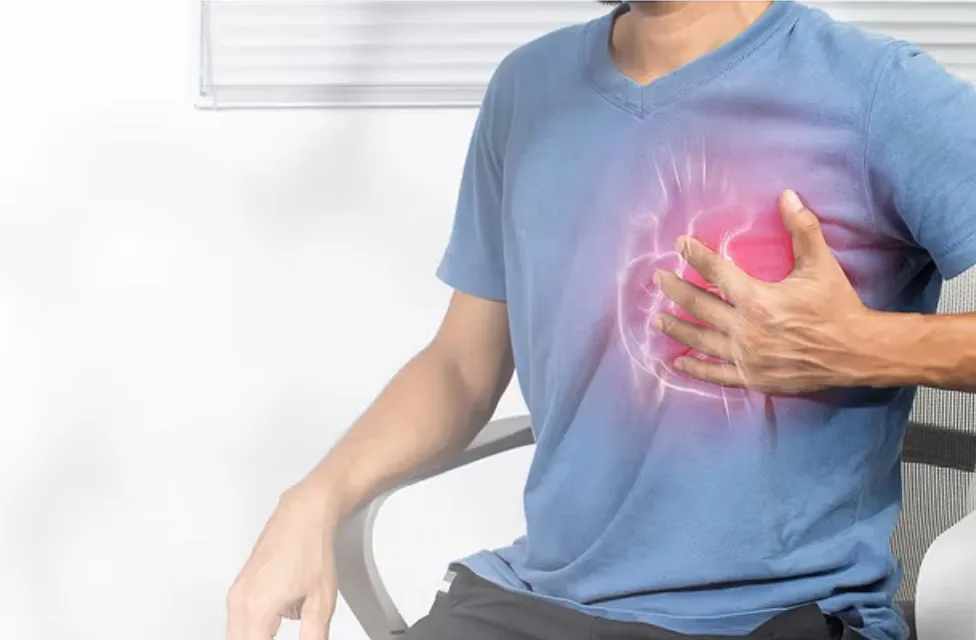
    Cardiac arrest is a sudden loss of heart function, breathing, and consciousness, usually resulting from an electrical disturbance in your heart that disrupts its pumping action and stops blood flow to your body. Understanding the nature of cardiac arrest is imperative because it is a medical emergency that, if not treated within minutes, can result in death. At Lopmudra Hospital Pashan, located in Vishwakarma Nagar, Pune, our expert team is adept at handling such critical situations with precision and care.


    ı Symptoms of Cardiac Arrest

    Recognizing the symptoms of cardiac arrest can be a matter of life and death. Unlike other heart conditions, cardiac arrest typically occurs without warning. Common symptoms include:

    • Sudden collapse: The person may suddenly fall unconscious and unresponsive.
    • No pulse or detectable heartbeat: Absence of a pulse is a crucial indicator of cardiac arrest.
    • No breathing: The individual will not breathe normally, or breathing may completely stop.
    • Sudden dizziness or fainting: Often accompanied by fatigue prior to a cardiac arrest.

    If you observe these symptoms in a person, it’s vital to call for emergency medical help immediately. Lopmudra Hospital in Pashan provides rapid-response emergency services and advanced resuscitation techniques designed to save lives.


    Symptoms of Cardiac Arrest

    ı Causes and Risk Factors

    Cardiac arrest is often a result of pre-existing heart conditions. Some of the primary causes and risk factors include:

    • Coronary artery disease: The most common heart disease in which the coronary arteries become narrowed or blocked, leading to reduced blood flow.
    • Heart attack: A serious form of coronary artery disease that increases the risk of cardiac arrest by damaging the heart muscle.
    • Enlarged heart (cardiomyopathy): These abnormal heart muscles can trigger irregular heartbeats, worsening to cardiac arrest.
    • Arrhythmias: Abnormal heart rhythms which can lead to cardiac arrest, especially ventricular fibrillation.
    • Medical conditions: Diabetes, hypertension, and obesity are contributing factors.

    Our specialized cardiac team at Lopmudra Hospital heart care in Pune utilizes advanced diagnostic and treatment methods to manage and mitigate risk factors effectively.


    ı Emergency Response to Cardiac Arrest

    Immediate response is crucial in a cardiac arrest scenario. Our protocol at Lopmudra Hospital Pashan emergency care includes:

    • Calling emergency services: Dial local emergency numbers or contact our emergency services directly for rapid assistance.
    • CPR Administration: Initiate cardiopulmonary resuscitation promptly — chest compressions should be administered until medical help arrives.
    • Using an AED: Automated external defibrillators can restore natural heart rhythm with a timely electrical shock.

    Lopmudra Hospital ambulance services in Pune are equipped with defibrillators and staffed by trained professionals to ensure a quick and efficient rescue operation.


    ı Treatment options: from Emergency to Long-Term care

    Post-rescue, further treatment is often necessary to address underlying health issues. Treatment options at Lopmudra Hospital Pune emergency services include:

    • Medications: Antiarrhythmic drugs may be prescribed to prevent future episodes.
    • Implantable devices: Devices such as pacemakers or defibrillators may be used for patients with recurrent arrhythmias.
    • Coronary angioplasty: A procedure to open clogged heart arteries and improve blood flow, therefore alleviating some risk factors.
    • Coronary bypass surgery: May be necessary to create a new pathway for blood to flow to the heart muscle.

    Our dedicated cardiology unit at Lopmudra Hospital heart care in Pune is committed to delivering personalized treatment plans and rehabilitation services.


    ı Preventive Measures and Lifestyle Changes

    Reducing the risk of cardiac arrest involves careful management of existing health conditions and lifestyle modifications:

    • Regular health screenings: Early detection of heart conditions can lead to timely preventive care.
    • Adopting a heart-healthy diet: Consuming a balanced diet rich in fruits, vegetables, whole grains, and lean protein is beneficial.
    • Regular exercise: Engaging in physical activity for at least 150 minutes per week can strengthen your heart.
    • Managing stress: Techniques such as meditation and yoga help control stress, impacting heart health positively.
    • Controlling blood pressure and cholesterol: Lifestyle changes and medication may be necessary to maintain healthy levels.

    Our team at Lopmudra Hospital in Pashan provides comprehensive health advice and lifestyle counseling as part of our care regimen.


    ı Why choose Lopmudra Hospital for Cardiac Emergencies?

    Choosing the right hospital for cardiac emergency care is crucial for ensuring the best outcomes. At Lopmudra Hospital in Pashan, we offer:

    • Experienced cardiac specialists: Our team includes highly qualified and experienced cardiologists ready to respond swiftly to cardiac emergencies.
    • State-of-the-art facilities: We employ the latest technology and equipment to provide effective emergency response and cardiac care.
    • Comprehensive care: From emergency response to post-treatment recovery, patients receive a thorough care continuum.
    • Proactive patient follow-up: Regular check-ups and personalized care plans help mitigate future cardiac risks.

    To experience top-notch care, contact Lopmudra Hospital Pashan emergency care via our website or reach out at +918087122022.


    ı Connecting with Emergency Services in Pune

    In the event of a cardiac emergency, quick access to medical care is life-saving. At Lopmudra Hospital in Pashan, our emergency services are available 24/7 to residents across Pune, including Vishwakarma Nagar and neighboring areas.

    For immediate assistance, you can search for an ambulance near me or directly request a heart attack ambulance through our contact lines. Our contact number is +918087122022, and WhatsApp inquiries can be directed to 918379033033.

    For dependable, responsive cardiac emergency support contact Lopmudra Hospital’s premium service providers, trusted across Pune for best hospital for emergency in pune.

    chat with us