
Author: Lopmudra_hospital

  • COPD Symptoms & Causes: Comprehensive Guide by Lopmudra Hospital Speciality Experts

    COPD Symptoms & Causes: Comprehensive Guide by Lopmudra Hospital Speciality Experts

    What is COPD?


    Chronic Obstructive Pulmonary Disease (COPD) is a progressive lung disease characterized by persistent airflow limitation, often caused by long-term exposure to harmful substances, most commonly cigarette smoke. As per the World Health Organization, COPD is the third leading cause of death globally, responsible for approximately 3.23 million deaths in 2019 alone. The disease encompasses conditions such as emphysema and chronic bronchitis, which are marked by inflammation and damage in the lungs. Understanding COPD is crucial, especially in a vibrant city like Delhi, where air quality issues may exacerbate respiratory ailments.

    With an alarming increase in environmental pollution and lifestyle changes, COPD has become increasingly prevalent in urban centers. Individuals with COPD typically experience symptoms like chronic cough, sputum production, and shortness of breath, which can limit their daily activities and significantly affect their quality of life. This blog aims to provide detailed insights into the symptoms, causes, and treatment options for COPD, offering valuable information for patients and their families navigating this chronic disease.


    Common Symptoms of COPD

    Recognizing the symptoms of COPD early is vital for effective management and treatment. The main symptoms include:

    • Chronic Cough: A long-lasting cough that produces mucus can signal COPD. This cough may worsen over time.

    • Shortness of Breath: Patients often find it difficult to breathe, especially during physical exertion. Many describe feeling out of breath even with normal activities like climbing stairs.

    • Wheezing: This high-pitched whistling sound occurs when breathing due to narrowed airways, commonly experienced during exertion or at night.

    • Chest Tightness: Feelings of pressure or tightness in the chest are common among COPD patients and can be distressing.

    • Frequent Respiratory Infections: Increased susceptibility to colds and respiratory infections is a recognized symptom, as the impaired lung function lessens the body’s defense mechanisms.

    It’s essential to see a healthcare professional at institutions like Lopmudra Hospital if you are experiencing any of these symptoms, especially if they persist or worsen over time. A timely diagnosis can lead to significant improvements in patient management and outcomes.


    Causes of COPD

    The primary cause of COPD is long-term exposure to irritants that damage the lungs and airways. Key causes include:

    • Cigarette Smoking: Smoking is the leading cause of COPD, with around 85-90% of cases linked directly to tobacco use. The harmful chemicals in tobacco smoke lead to inflammation and lung damage over time.

    • Air Pollution: High levels of air pollution, specifically in urban areas such as Delhi, contribute significantly to COPD development. Prolonged exposure to industrial emissions, vehicle exhaust, and dust can worsen lung function.

    • Occupational Exposures: Certain jobs that expose individuals to harmful dust, chemicals, or fumes, such as construction or mining, can increase the risk of developing COPD.

    • Genetic Factors: Alpha-1 antitrypsin deficiency is a genetic condition that affects the lungs and liver and can lead to COPD, particularly in individuals who do not smoke.

    Understanding these causes can play a pivotal role in both prevention and treatment. At Lopmudra Hospital, our dedicated healthcare team emphasizes education and preventive care strategies to help patients mitigate risks associated with COPD.


    Diagnosis of COPD

    Early detection of COPD is crucial for effective management and treatment. A comprehensive evaluation at a healthcare facility usually includes the following steps:

    • Medical History: Your healthcare provider will gather information about your symptoms, smoking history, and exposure to pollutants or irritants.

    • Physical Examination: A physical exam may involve listening to your lungs with a stethoscope to check for wheezing or decreased breath sounds.

    • Pulmonary Function Tests: Spirometry is a critical test used to diagnose COPD. It measures how much air you can exhale after taking a deep breath, providing important information about lung function.

    • Imaging Tests: Chest X-rays or CT scans may help visualize the lungs and check for other issues that may be contributing to symptoms.

    These diagnostic steps aid in confirming the presence of COPD, categorizing its severity, and creating an effective treatment plan tailored to each patient’s needs. Healthcare facilities like Lopmudra Hospital are equipped with state-of-the-art diagnostic tools to ensure comprehensive evaluations for respiratory conditions.


    Management and Treatment Options for COPD

    While there is currently no cure for COPD, various treatments can help manage symptoms, improve quality of life, and slow the progression of the disease. Some common treatment options include:

    • Bronchodilators: These medications help relax the muscles around the airways, making breathing easier. They come in short-acting and long-acting formulations, allowing for personalized treatment plans.

    • Inhaled Corticosteroids: These anti-inflammatory medications can help reduce lung inflammation and prevent exacerbations, providing essential relief for many patients with COPD.

    • Oxygen Therapy: For individuals with low blood oxygen levels, supplemental oxygen can help improve oxygenation and make daily activities more manageable.

    • Pulmonary Rehabilitation: A structured program that includes exercise, nutrition education, and counseling can help patients improve their overall health and manage COPD effectively.

    • Surgery: In severe cases, surgeries such as lung volume reduction surgery or lung transplantation may be considered. Wellness centers like Lopmudra Hospital have dedicated specialists who can guide patients on these surgical options.

    Each treatment plan is tailored to individual patient needs, considering other health conditions and overall health status. Our multidisciplinary team at Lopmudra Hospital focuses on evidence-based treatments to optimize patient outcomes.


    Lifestyle Changes for COPD Management

    In addition to medical treatments, significant lifestyle changes can greatly impact the quality of life for COPD patients. Here are effective strategies:

    • Quit Smoking: For smokers, quitting is the single most crucial step in managing COPD. Resources and support programs are available at Lopmudra Hospital to assist patients in this journey.

    • Regular Exercise: Engaging in physical activity can improve respiratory function and overall stamina. Tailored exercise programs may be established through pulmonary rehabilitation.

    • Healthy Diet: A well-balanced diet rich in fruits, vegetables, and whole grains can support lung health and overall well-being. Nutritional advice can be provided at our hospital.

    • Prevent Respiratory Infections: Ensuring vaccinations such as flu shots and pneumonia vaccines can significantly reduce the risk of respiratory infections.

    • Avoiding Pollutants: Staying indoors on days when air quality is poor or using an air purifier can help minimize exposure to environmental pollutants that exacerbate COPD symptoms.

    By adopting these lifestyle modifications, patients can enhance their quality of life while effectively managing the challenges associated with COPD.


    Support and Resources for COPD Patients

    Living with COPD can be challenging, emphasizing the need for support and resources to assist patients and their families. Several resources are available:

    • Educational Programs: Many hospitals, including Lopmudra Hospital, offer COPD educational programs that provide crucial information about the disease, treatment options, and self-management strategies.

    • Support Groups: Connecting with other individuals facing similar challenges can provide emotional support and practical advice for managing COPD. Local community groups often meet regularly to share experiences and coping strategies.

    • Access to Healthcare Professionals: Patients can build strong relationships with their healthcare teams, ensuring ongoing support, regular check-ups, and personalized care plans.

    It is vital for patients to feel empowered and supported as they navigate their journey with COPD. Our dedicated team at Lopmudra Hospital is always ready to assist patients in understanding their condition and accessing valuable resources.


    Conclusion: Understanding COPD for Better Management

    Chronic Obstructive Pulmonary Disease (COPD), while chronic and progressive, can be effectively managed with an understanding of the condition, proactive lifestyle changes, and the right medical interventions. With proper diagnosis, ongoing care, and tailored treatment, patients can significantly improve their quality of life.

    Facilities like Lopmudra Hospital are committed to providing comprehensive care for COPD patients, enabling them to lead productive lives while managing their respiratory health. If you or a loved one is experiencing symptoms of COPD, do not hesitate to reach out to our dedicated team for consultation and support.

    This article was written by Dr. Sneha Tirpude, sharing insights based on professional experience in the field.
  • Understanding How COPD Affects Your Lungs: Insights from Lopmudra Hospital’s Pulmonary Specialists

    Understanding How COPD Affects Your Lungs: Insights from Lopmudra Hospital’s Pulmonary Specialists

    What is COPD?


    Chronic Obstructive Pulmonary Disease, commonly known as COPD, is a progressive lung disease that results in ongoing respiratory problems. It encompasses two primary conditions: chronic bronchitis and emphysema. Both conditions lead to difficulty in breathing, significant coughing, and an increased production of mucus. According to the World Health Organization (WHO), COPD is the third leading cause of death worldwide, affecting approximately 251 million people globally.

    In India, especially in urban areas like [City], the prevalence of COPD is increasing significantly due to lifestyle factors and pollution. The disease primarily develops from long-term exposure to irritants that damage the lungs and airways, making it critical for patients and families to understand its effects and management strategies. At Lopmudra Hospital Chain, we provide comprehensive healthcare solutions for COPD patients through expert evaluations and dedicated treatment plans.


    Causes and Risk Factors of COPD

    The main cause of COPD is prolonged exposure to harmful particles or gases that irritate the lungs. Here are some significant contributing factors:

    • Smoking: This is the leading cause of COPD, with about 80% of the cases attributed to tobacco use. The harmful chemicals in cigarette smoke damage lung tissues and lead to inflammation.

    • Air Pollution: Living in areas with high levels of air pollution, such as [City], increases the risk of developing COPD. Dust, chemical fumes, and industrial pollution have severe effects on respiratory health.

    • Occupational Hazard: Some occupations expose workers to harmful toxins or dust. For example, jobs in mining, construction, and agriculture can be significant risk factors.

    • Genetic Factors: In rare cases, genetic issues, like Alpha-1 Antitrypsin Deficiency, can increase vulnerability to COPD, especially in non-smokers.

    Understanding these causes is crucial for prevention, especially for those living in high-risk areas like [City]. Our healthcare specialists at Lopmudra Hospital Chain are experienced in guiding patients towards healthier lifestyle choices to minimize their risk.


    Symptoms of COPD

    Recognizing the symptoms of COPD early on is essential for effective management and improving the quality of life. The symptoms may be mild initially but can worsen as the disease progresses. Common symptoms include:

    • Chronic Cough: A persistent cough that produces mucus is a hallmark symptom of COPD.

    • Shortness of Breath: Patients often experience breathlessness, especially during physical activities.

    • Wheezing: A wheezing sound while breathing can be an indicator of airway obstruction.

    • Tightness in the Chest: Many patients report discomfort or tightness in their chest, contributing to anxiety and panic.

    If you or someone you know experiences these symptoms, it is vital to consult a best hospital in [City] for an accurate diagnosis and prompt treatment.


    Diagnosis of COPD

    Diagnosing COPD requires a thorough evaluation of medical history and a series of tests. At Lopmudra Hospital Chain, our healthcare providers specialize in respiratory health and utilize the following diagnostic methods:

    • Pulmonary Function Tests (PFT): This is the most critical test for diagnosing COPD, measuring lung capacity and airflow obstruction.

    • Chest X-rays: X-rays help visualize the lungs and rule out other conditions that may mimic COPD symptoms.

    • CT Scan: A more detailed imaging tool that helps in assessing the severity of lung damage.

    • Blood Tests: These tests can help evaluate the presence of Alpha-1 Antitrypsin Deficiency and measure oxygen and carbon dioxide levels.

    Early diagnosis is crucial as it can significantly alter the course of treatment. Our dedicated team at [Locality] hospital is committed to providing patients with proper assessments and personalized care strategies.


    Treatment Options for COPD

    While there is no cure for COPD, various treatment options are available to effectively manage symptoms and enhance the quality of life. The treatment plan may vary based on the severity of the disease. Here are some common approaches:

    Treatment Type Description Benefits
    Medications Bronchodilators, corticosteroids, and antibiotics can help relieve symptoms and reduce exacerbations. Improved airflow and reduced inflammation.
    Oxygen Therapy This therapy provides supplemental oxygen to patients whose blood oxygen levels are low. Enhances oxygen saturation levels, aiding in better function.
    Pulmonary Rehabilitation A structured program of exercise, education, and support to help patients manage their condition. Improved quality of life and reduced symptoms.
    Surgery In severe cases, procedures like lung volume reduction surgery or lung transplant may be considered. Increased lung capacity and improved breathing.

    Regular consultations with COPD experts in [City] help tailor these treatment options to your specific needs and lifestyle.


    Living with COPD

    Managing COPD involves making lifestyle changes that can significantly improve health outcomes. Key strategies include:

    • Quit Smoking: The most impactful step you can take for your lung health is to quit smoking. Support is available through counseling and medications.

    • Stay Active: Regular exercise, tailored to your abilities, can strengthen lung function and enhance overall health.

    • Healthy Diet: A balanced diet rich in fruits, vegetables, and whole grains supports immune system function and overall well-being.

    • Get Vaccinated: Vaccinations for influenza and pneumonia are extra precautions that help prevent respiratory infections.

    Regular follow-ups at top-rated COPD clinic in [Locality] ensure that your management plan is effectively implemented and adjusted when necessary.


    Support Systems for COPD Patients

    Living with COPD can be challenging; thus, having a strong support system is vital. Here are several ways to establish a helpful support network:

    • Patient Support Groups: Engaging with others experiencing similar challenges creates a sense of community and shared knowledge.

    • Family Support: Family members can play a crucial role as caregivers, encouraging medication adherence and healthy lifestyle choices.

    • Professional Counseling: Mental health support can help manage feelings of depression or anxiety linked to chronic illness.

    At Lopmudra Hospital Chain, we foster a comprehensive approach to patient care in [Locality], recognizing the importance of psychological and emotional support for those managing COPD.


    Conclusion

    Chronic Obstructive Pulmonary Disease is a manageable condition with the right combination of medical treatment, lifestyle modifications, and emotional support. By understanding the effects of COPD on your lungs and taking proactive steps, patients can lead fulfilling lives even with this chronic illness. At Lopmudra Hospital Chain, we are committed to providing state-of-the-art healthcare services in [City] tailored to your unique needs. If you or a loved one is experiencing symptoms of COPD, don’t hesitate to contact us at +918087122022 or visit our website for more information and appointment bookings with specialist consultations.


    This article was written by Dr. Sneha Tirpude, sharing insights based on professional experience in the field.

  • Severe Asthma and Adult Lung Health: How It Impacts Your Respiratory System

    Severe Asthma and Adult Lung Health: How It Impacts Your Respiratory System

    Understanding Severe Asthma: A Comprehensive Overview


    Severe asthma is a critical condition that can significantly affect the quality of life for adults, causing persistent symptoms and recurrent asthma attacks. It is characterized by chronic inflammation of the airways, making it difficult to breathe. At Lopmudra Hospital Chain, we provide extensive healthcare services, including specialized medical care for patients suffering from severe asthma. This blog will delve into how severe asthma affects lung function, its implications, and the treatment options available to enhance patients’ lives.


    What Is Severe Asthma?

    Severe asthma is defined as a more intense form of asthma that does not respond well to standard treatments. It is marked by ongoing symptoms that can incapacitate individuals and require high doses of medications or frequent hospital visits. The relationship between asthma and the lungs is critical; severe asthma leads to *airway remodeling* where the bronchi (air passages of the lungs) become permanently altered due to chronic inflammation. This can result in airway narrowing, increased mucus production, and heightened sensitivity to various triggers including allergens, pollution, and respiratory infections.

    Approximately 5-10% of all asthma cases are classified as severe. In the context of India, the prevalence of asthma is a significant health concern, affecting around 15-20 million adults. Many individuals may not even realize they have severe asthma until they experience a severe attack, which makes early diagnosis and proper management essential.


    Causes of Severe Asthma

    The exact causes of severe asthma are not fully understood, but several risk factors and triggers contribute to its onset. Key contributors include:

    • Genetic Predisposition: A family history of asthma or allergies can increase the risk of developing severe asthma.
    • Environmental Factors: Exposure to allergens (e.g., pollen, dust mites, mold) and pollutants (e.g., smoke, industrial fumes) can aggravate asthma conditions.
    • Respiratory Infections: Virus infections, especially during childhood, can increase asthma severity.
    • Occupational Exposure: Certain workplaces may expose individuals to asthma triggers like dust, chemicals, or fumes.
    • Comorbid Conditions: Other medical conditions such as chronic rhinosinusitis or obesity can worsen asthma symptoms.

    Understanding these causes is crucial in managing severe asthma effectively, particularly in tailoring a treatment regime to avoid triggers while addressing underlying factors.


    Symptoms of Severe Asthma

    The symptoms of severe asthma can vary from one individual to another. However, there are some common signs that point towards the necessity for urgent medical attention. These include:

    • Frequent Shortness of Breath: Patients may experience breathlessness even during mild physical activities, affecting their daily lives.
    • Chronic Coughing: A persistent cough may worsen at night or early in the morning, often disrupting sleep.
    • Chest Tightness: A feeling of pressure or tightness in the chest can increase anxiety and exacerbate breathing issues.
    • Wheezing: A whistling or squeaky sound while breathing can indicate difficulty in moving air through narrowed airways.
    • Frequent Respiratory Infections: Individuals may find themselves frequently battling colds and respiratory illnesses.

    If you or someone you know experiences these symptoms, it is vital to seek medical assistance immediately. Lopmudra Hospital Chain offers accessible and affordable healthcare solutions in managing asthma and its symptoms.


    Impact of Severe Asthma on Lung Function

    Severe asthma represents not only a challenge in management but also inflicts changes in lung function. Over time, the chronic inflammation leads to permanent modifications in lung structure known as airway remodeling. Such changes can significantly impact breathing and exacerbate symptoms, resulting in long-term complications. The following highlights the impact of severe asthma on lung function:

    • Airway Narrowing: Inflammation causes the muscles around the airways to tighten, leading to narrowed passages and limited airflow.
    • Increased Mucus Production: The persistent inflammation may trigger excess mucus secretion, which further obstructs the airways.
    • Decreased Lung Capacity: Long-standing asthma can reduce the lung’s ability to expand fully, increasing the risk of low oxygen levels.
    • Hyperreactive Airways: Severe asthma can make airways overly sensitive, leading to exaggerated responses to allergens or irritants.

    Studies indicate that individuals with severe asthma may suffer from a decline in lung function at a faster rate compared to those with mild or moderate asthma. Regular monitoring and management at a specialized medical center, like Lopmudra Hospital Chain, can help track lung function and implement necessary interventions.


    Diagnosis of Severe Asthma

    Diagnosing severe asthma entails a thorough medical evaluation and a combination of tests. The goal is to confirm the diagnosis, assess the severity, and identify triggers. The following are common procedures involved in diagnosing severe asthma:

    • Medical History Review: A healthcare provider will examine the patient’s history of asthma symptoms, treatments, and family medical history.
    • Physical Exam: An assessment of respiratory function and body (potential for wheezing, breathing sounds) will be performed.
    • Pulmonary Function Tests (PFTs): Tests like spirometry measure the amount of air inhaled, exhaled, and how quickly it is exhaled, helping to assess lung capacity and functionality.
    • Bronchoprovocation Testing: This determines airway hyperresponsiveness by exposing the patient to increasing doses of a substance that may induce asthma symptoms.
    • Allergy Testing: Identifying specific allergens can help patients manage and avoid common asthma triggers.

    Accurate diagnosis and ongoing assessment are essential for effective management, enabling healthcare providers to design a personalized asthma action plan.


    Treatment Options for Severe Asthma

    The treatment of severe asthma typically involves a combination of medication, lifestyle modifications, and patient education. The objective is to control symptoms, minimize the risk of attacks, and maintain adequate lung function. Here are the main treatment approaches:

    • Medications: Essential for controlling severe asthma, medications include:

      • Inhaled Corticosteroids: These medications reduce inflammation and are a first-line treatment for persistent asthma.
      • Long-Acting Beta-Agonists (LABAs): Sometimes combined with inhaled corticosteroids, LABAs help relax airway muscles.
      • Biologics: Targeted therapies for severe asthma can modify the immune system’s response to environmental triggers.
      • Rescue Inhalers: Short-acting bronchodilators are utilized during acute asthma attacks for immediate relief.
    • Lifestyle Changes: Incorporating changes such as avoiding known triggers, smoking cessation, and practicing stress management can lead to improved control over asthma.
    • Education and Self-Management: Patients should be educated about asthma and empowered to manage their condition, including recognizing symptoms and using inhalers effectively.

    Individualized treatment plans can be crafted at Lopmudra Hospital Chain, where specialists aim to optimize your asthma control and enhance your quality of life.


    Seeking Help at Lopmudra Hospital Chain

    If you or someone you know struggles with severe asthma, it’s essential to reach out for specialized medical care. Lopmudra Hospital Chain provides comprehensive asthma management services, featuring experienced health specialists and a multi-disciplinary approach. Our facilities are designed with the latest medical technologies to deliver the best possible outcomes for our patients and their families.

    Our healthcare services are available to residents in multiple locations across India, and we emphasize the importance of timely, affordable healthcare options for managing complex conditions like severe asthma. You can contact us at +918087122022 or via WhatsApp at 918379033033 for more information or to schedule an appointment. Let us help you breathe easier and live healthier.


    Conclusion: Quality of Life with Severe Asthma

    Living with severe asthma may present challenges, yet with the right treatment plan and support, individuals can lead fulfilling lives. Understanding the nature of the illness, maintaining control through proper management, and fostering a solid communication bridge with healthcare providers are vital for optimal care. At Lopmudra Hospital Chain, we are committed to providing tailored healthcare solutions in the [City] area to assist patients in overcoming the hurdles posed by severe asthma and embark on a journey towards improved lung health and quality of life.

    This article was written by Dr. Sneha Tirpude, sharing insights based on professional experience in the field.
  • COPD Effects on Heart and Lungs: Insights by Lopmudra Hospital Specialists

    COPD Effects on Heart and Lungs: Insights by Lopmudra Hospital Specialists

    Understanding COPD: A Brief Overview


    Chronic Obstructive Pulmonary Disease (COPD) represents a significant global health challenge, characterized by progressive respiratory issues that impede airflow and make breathing difficult. Affecting millions of individuals worldwide, this condition primarily encompasses two main diseases: emphysema and chronic bronchitis. With research estimating that COPD affects approximately 251 million people globally, understanding its impact on both the lungs and the heart is crucial for comprehensive patient care.

    At Lopmudra Hospital Chain, we advocate for awareness and proactive management of COPD. Our specialists are well-versed in evaluating the disease’s multifaceted effects, emphasizing how early detection and tailored treatment plans can greatly enhance patients’ quality of life. This article delves into the profound effects of COPD on the heart and lungs, providing valuable insights for patients and their families.


    What Causes COPD?

    The primary cause of COPD is long-term exposure to substances that irritate the lungs, leading to inflammation and obstructive airflow. Key contributing factors include:

    • Tobacco Smoke: Smoking is the leading cause of COPD, accounting for up to 85-90% of diagnosed cases. Both active smoking and secondhand smoke increase the risk significantly.
    • Environmental Pollutants: Long-term exposure to irritants such as dust, chemicals, and air pollution can contribute to the development of COPD.
    • Genetic Factors: Rare genetic disorders, such as alpha-1 antitrypsin deficiency, can increase susceptibility to lung diseases.
    • Age: The risk of developing COPD increases with age, often affecting individuals over the age of 40.

    Early detection and lifestyle modifications—such as cessation of smoking and reducing exposure to environmental pollutants—are essential in managing COPD effectively. At Lopmudra Hospital, we provide comprehensive screening and education to help patients navigate these challenges.


    Common Symptoms of COPD

    Individuals with COPD often experience a variety of symptoms, which may worsen over time. Common symptoms include:

    • Chronic Cough: A persistent cough that may produce mucus is often one of the first noticeable symptoms.
    • Shortness of Breath: Patients frequently report difficulty breathing, especially during physical activities.
    • Wheezing: A whistling sound while breathing can occur due to narrowed airways.
    • Fatigue: Individuals with COPD often feel excessively tired, which can impact their daily activities.
    • Frequent Respiratory Infections: Patients may experience frequent colds, flu, or pneumonia due to compromised lung function.

    If you or a loved one are experiencing these symptoms, it’s essential to consult with a healthcare professional for a thorough evaluation. At our centers, we offer comprehensive assessments to diagnose COPD accurately and recommend effective treatment options.


    Effects of COPD on the Lungs

    COPD primarily affects lung function, leading to irreversible damage over time. Here are the key effects on the lungs:

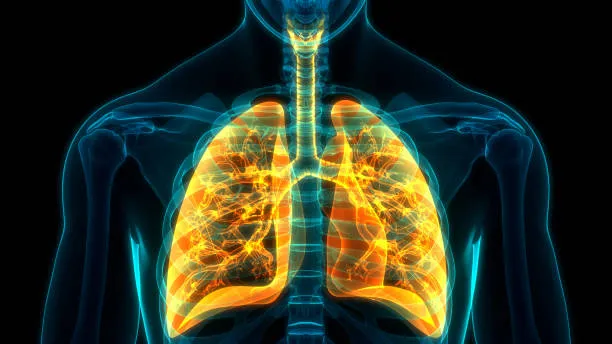
    • Airway Obstruction: COPD causes narrowing of air passages, resulting in reduced airflow and difficulty inhaling and exhaling. This obstruction limits the efficiency of gas exchange in the lungs.
    • Destruction of Alveoli: Emphysema, one of the components of COPD, leads to the destruction of alveoli (tiny air sacs in the lungs), which impairs oxygen absorption and carbon dioxide removal.
    • Increased Respiratory Infections: Mucus buildup and poor lung function increase susceptibility to infections, exacerbating breathing difficulties.
    • Increased Work of Breathing: The lungs have to work harder to get enough oxygen, leading to fatigue, especially during physical activities.

    Maintaining optimal lung function is vital for enhancing overall health. Our respiratory therapists and pulmonologists at Lopmudra Hospital focus on innovative rehabilitation techniques, allowing patients to improve breathing efficiency and quality of life.


    Impact of COPD on the Heart

    The relationship between COPD and heart disease is significant and multifaceted, as chronic lung problems can lead to various cardiovascular issues. Here are some effects of COPD on heart health:

    • Increased Risk of Heart Disease: COPD patients have a higher risk of developing heart conditions, including coronary artery disease, heart attack, and heart failure. The inflammation associated with COPD can affect blood vessels, leading to increased cardiovascular risk.
    • Pulmonary Hypertension: This condition arises when the blood vessels in the lungs become narrowed, making it harder for blood to flow. It results from both lung damage and the heart having to work harder, leading to heart enlargement and potential heart failure.
    • Reduced Oxygen Supply: Reduced lung function in COPD can lead to lower oxygen levels in the blood, putting additional strain on the heart.

    Because of these connections, managing both COPD and its cardiovascular impacts is crucial. At Lopmudra Hospital, our cardiologists are well-equipped to address the unique interplay between lung health and heart disease, ensuring integrated care for our patients.


    Diagnosis and Testing for COPD

    Accurate diagnosis is essential for effective management of COPD. Our multidisciplinary team at Lopmudra Hospital employs a range of diagnostic tests:

    • Pulmonary Function Tests (PFTs): These tests measure lung function and how well the lungs accommodate airflow.
    • Chest X-rays: Imaging helps visualize lung conditions, detecting emphysema or signs of heart issues.
    • CT scans: A CT scan can provide detailed images of lung structures, which assists in understanding the extent of damage.
    • Arterial Blood Gas Analysis: This test measures oxygen and carbon dioxide levels in the blood, providing insights into lung efficiency.

    early detection and personalized testing are fundamental in managing COPD effectively. At our facilities, patients receive tailored evaluations to inform appropriate therapeutic approaches.


    Treatment Options for COPD

    Treatment for COPD primarily focuses on alleviating symptoms, preventing disease progression, and enhancing quality of life. Some common treatment approaches include:

    • Medications: Bronchodilators, corticosteroids, and combination inhalers (which include both) are commonly prescribed to help relieve symptoms and improve lung functionality.
    • Rehabilitation Programs: Pulmonary rehabilitation involves exercise training, nutritional counseling, and education to support better lung health.
    • Oxygen Therapy: For individuals with low oxygen levels, supplemental oxygen helps improve oxygenation and permits more active lifestyles.
    • Surgery: In severe cases, options such as lung volume reduction surgery or lung transplant may be considered of improvement in lung function.

    Lastly, smoking cessation is perhaps the most significant step in managing COPD. Our specialists at Lopmudra Hospital provide comprehensive support to help patients quit smoking, guiding them toward a healthier future.


    Living with COPD: Lifestyle Changes and Management

    Living with COPD necessitates adopting certain lifestyle adjustments to manage symptoms and enhance overall well-being. Some effective strategies include:

    • Regular Exercise: Engaging in moderate physical activities, as tolerated, can improve lung function and enhance overall fitness.
    • Healthy Diet: Consuming a balanced diet rich in fruits, vegetables, and whole foods aids in bolstering the immune system and maintaining muscle strength.
    • Avoiding Respiratory Irritants: Minimizing contact with smoke, allergens, and air pollutants can help decrease symptom severity, improving overall respiratory health.
    • Staying Up to Date with Vaccinations: Keeping vaccinations for flu and pneumonia current is essential for preventing secondary respiratory infections.

    Integrating these lifestyle changes into daily routines can empower individuals living with COPD to manage their condition effectively. At Lopmudra Hospital, we work closely with patients to tailor lifestyle interventions that cater to their individual needs, reinforcing their journey toward optimal health.


    Conclusion: Proactive Management is Key

    COPD profoundly affects the heart and lungs, necessitating an integrated and proactive approach to care. Early diagnosis, comprehensive management strategies, and lifestyle modifications can significantly improve quality of life for affected individuals. Lopmudra Hospital Chain is dedicated to providing patients and families with the education and support needed to navigate the challenges posed by this debilitating disease.

    If you or a loved one are experiencing symptoms of COPD or wish to learn more about managing its effects, we encourage you to reach out to our specialists for personalized guidance. Contact us at +918087122022 or via our website for further assistance.


    This article was written by Dr. Sneha Tirpude, sharing insights based on professional experience in the field.

  • Understanding How COPD Impacts Breathing: Insights from Lopmudra Hospital Specialists

    Understanding How COPD Impacts Breathing: Insights from Lopmudra Hospital Specialists

    What is COPD and How Does It Affect Breathing?


    Chronic Obstructive Pulmonary Disease, commonly known as COPD, is a progressive lung disease that affects millions worldwide. Characterized by difficulty in breathing, cough, mucus production, and wheezing, COPD significantly impacts the quality of life. The main cause of COPD is long-term exposure to inhaled irritants, such as cigarette smoke, air pollution, and occupational dust and chemicals.

    At Lopmudra Hospital Chain, we are committed to providing comprehensive care for patients dealing with COPD. Understanding how this disease affects breathing is crucial for both diagnosis and treatment, making it essential for patients and their families to be informed about its potential implications and management strategies.


    Causes of COPD

    The primary causes of COPD stem from environmental factors and lifestyle choices. The most notable include:

    • Cigarette Smoking: The leading cause of COPD, tobacco smoke inhalation damages the lungs’ airways and alveoli, leading to chronic inflammation and obstructive symptoms.

    • Air Pollution: Long-term exposure to pollutants in urban environments can exacerbate lung inflammation and contribute to COPD development.

    • Occupational Exposure: Individuals in jobs with high exposure to dust, chemicals, or fumes (such as construction or manufacturing) are at a heightened risk of developing COPD.

    • Genetics: In rare cases, genetic factors (like Alpha-1 Antitrypsin Deficiency) can lead to COPD even in non-smokers.

    Recognizing these causes allows early intervention and tailored preventative strategies at Lopmudra Hospital Chain, which is crucial for improving outcomes for at-risk individuals.


    Symptoms of COPD

    The symptoms of COPD can vary in severity and may gradually worsen over time. The most common symptoms include:

    • Shortness of Breath: Initially occurs during physical activities but can worsen over time, ultimately affecting daily activities and rest.

    • Chronic Cough: A persistent cough that may be intermittent or chronic, often producing mucus.

    • Wheezing: A whistling or squeaky sound while breathing, indicating narrowed airways.

    • Chest Tightness: May present as a sensation of tightness or pressure in the chest.

    In recognition of the respiratory challenges faced by COPD patients, our team at Lopmudra Hospital Chain offers a patient-centered approach to symptom management and overall health improvement.


    Stages of COPD

    COPD progresses through four distinct stages, each characterized by specific symptoms and limitations:

    Stage Severity Symptoms
    I: Mild FEV1 ≥ 80% predicted May not notice symptoms; cough may occur.
    II: Moderate 50% ≤ FEV1 < 80% predicted Shortness of breath during exertion, chronic cough.
    III: Severe 30% ≤ FEV1 < 50% predicted Increased shortness of breath, fatigue. Frequent exacerbations.
    IV: Very Severe FEV1 < 30% predicted Severe limitations in activity, respiratory failure may occur.

    Understanding these stages helps healthcare providers at Lopmudra Hospital Chain personalize treatment strategies effectively.


    How COPD Affects Breathing

    In patients suffering from COPD, airflow obstruction occurs primarily due to chronic inflammation and excessive mucus production. This results in less efficient gas exchange and can lead to chronic respiratory failure if not effectively managed. The decreased airflow can result in:

    • Increased Work of Breathing: Patients must exert additional effort to breathe, leading to fatigue and exacerbated symptoms.

    • Reduced Oxygen Levels: COPD patients often experience lower oxygen saturation levels, prompting insufficient oxygen supply to cells and organs.

    • Compromised Quality of Life: The resulting shortness of breath and fatigue can lead to reduced physical activity, impacting daily living and mental health.

    Taking proactive steps—such as early diagnosis and intervention—can significantly alleviate these effects. Our specialists are equipped to guide patients through these challenges while enhancing their day-to-day living experiences.


    Diagnosis of COPD

    Accurate diagnosis of COPD is critical for successful management. At Lopmudra Hospital Chain, we utilize a combination of methods to diagnose COPD effectively:

    • Medical History: A comprehensive review of symptoms and risk factors, including smoking and exposure to irritants.

    • Physical Examination: Doctors will listen to the patient’s lungs for wheezing or other abnormal sounds.

    • Pulmonary Function Tests: Spirometry is the most common test used to measure airflow and lung capacity, helping diagnose the severity of COPD.

    • Imaging Tests: Chest X-rays and CT scans may be ordered to assess lung structure and rule out other conditions.

    With this structured diagnostic approach, patients at Lopmudra Hospital Chain can receive timely intervention and tailored treatment plans based on their specific needs.


    Treatment Options for COPD

    The treatment of COPD aims to relieve symptoms, improve quality of life, and slow disease progression. Various management strategies include:

    • Medications: Commonly prescribed medications for COPD include bronchodilators, corticosteroids, and combination inhalers that help relieve symptoms by relaxing airway muscles.

    • Oxygen Therapy: Patients with low oxygen levels may require supplemental oxygen to maintain adequate oxygen saturation.

    • Pulmonary Rehabilitation: A structured program involving exercise training, nutritional counseling, and education to optimize lung function and overall health.

    • Surgery: In severe cases, surgical options like lung volume reduction surgery (LVRS) or lung transplant may be considered when other treatments are ineffective.

    The dedicated team at Lopmudra Hospital Chain offers a comprehensive approach towards COPD management that encompasses both medical treatment and lifestyle modifications to enhance lung function and overall wellness.


    Living with COPD: Lifestyle Changes and Strategies

    Managing COPD extends beyond medications; active participation in one’s health journey is crucial. Here are several lifestyle changes that can benefit COPD patients:

    • Smoking Cessation: Quitting smoking is the most significant step one can take to halt the progression of COPD.

    • The Importance of Exercise: Regular physical activity can help strengthen the respiratory muscles and improve endurance.

    • Balanced Diet: A well-nourished body can resist infections and cope with the demands posed by COPD.

    • Stress Management: Engaging in relaxation techniques, such as yoga or meditation, can alleviate anxiety related to breathing difficulties.

    At Lopmudra Hospital Chain, our supportive staff is ready to assist with personalized care plans that incorporate these lifestyle changes, ultimately aiming for better health and well-being.


    Conclusion: A Team Approach to COPD Care

    Understanding how COPD affects breathing is key to managing the disease on both clinical and personal levels. Early diagnosis, effective treatment, and lifestyle modifications can significantly improve the quality of life for individuals with COPD. At Lopmudra Hospital Chain, our dedicated specialists are here to provide a comprehensive, individualized care plan for our patients, along with ongoing support and resources.

    If you or a loved one is experiencing symptoms of COPD, do not hesitate to reach out to us at +918087122022 or through our website for appointment booking. Together, we can explore treatment options and coping strategies tailored to your unique needs.

    This article was written by Dr. Sneha Tirpude, sharing insights based on professional experience in the field.

  • COPD Exacerbations: Impact on Lung Health and Recovery at Lopmudra Hospital

    COPD Exacerbations: Impact on Lung Health and Recovery at Lopmudra Hospital

    Do COPD Exacerbations Cause More Damage to the Lungs?


    Chronic Obstructive Pulmonary Disease (COPD) is a progressive respiratory condition characterized by increased breathlessness, chronic cough, and sputum production. It can severely impact the quality of life and might even lead to life-threatening complications. An essential aspect of COPD management is understanding exacerbations, which are characterized by a sudden worsening of symptoms. At Lopmudra Hospital Chain, we aim to offer insights into whether these exacerbations contribute to long-term lung damage.


    What Are COPD Exacerbations?

    COPD exacerbations are defined as a significant increase in respiratory symptoms, which can include:

    • Shortness of breath: Sufferers may experience severe difficulty in breathing, which can be distressing.
    • Increased cough: This may involve a change in the color and quantity of sputum produced.
    • Fatigue: Patients often feel unusually tired during exacerbations due to the increased effort required for breathing.

    These exacerbations are often triggered by factors such as respiratory infections, environmental pollutants, or changes in weather. A common question arising in the patient community is whether the frequency and severity of these exacerbations lead to further damage to lung tissues and overall lung function.


    Mechanisms of Lung Damage During Exacerbations

    During a COPD exacerbation, the airways become more inflamed, which can lead to:

    • Increased Mucus Production: Inflammation increases mucus secretion, blocking airways and making breathing difficult.
    • Dilated Blood Vessels: Blood flow to the airways increases to delivery immune players to fight infections, causing even more swelling.
    • Destruction of Lung Tissue: Ongoing inflammation, if untreated, can damage lung tissue over time, exacerbating the decline in lung function.

    Research has shown that repeated exacerbations can lead to irreversible damage, further hindering lung function. According to a study published by the American Journal of Respiratory and Critical Care Medicine, patients who experience frequent exacerbations are at a higher risk for accelerated lung function decline.


    Impact of COPD Exacerbations on Lung Function

    Lung function is typically measured using Forced Expiratory Volume (FEV1), which indicates the volume of air a person can forcefully exhale in one second. Studies indicate that patients experiencing more than three exacerbations a year can expect an annual decline in FEV1 up to three times that of patients without exacerbations. This overall decline leads to worsening airflow limitations and greater difficulty in daily living activities.

    According to the Global Initiative for Chronic Obstructive Lung Disease (GOLD), managing COPD exacerbations effectively can lead to improved quality of life and potentially slow the progression of the disease. Measures like taking anti-inflammatory medications and bronchodilators during an exacerbation can be crucial in mitigating the long-term consequences.


    Long-term Consequences of Frequent Exacerbations

    Repeated exacerbations not only impact lung function but can also lead to a host of long-term health problems. These may include:

    • Increased Risk of Hospitalization: Frequent exacerbations often necessitate hospital visits and an increase in healthcare costs.
    • Higher Mortality Rates: Statistics show that individuals with multiple exacerbations have a higher risk of premature death from respiratory failure and other related complications.
    • Comorbidities: There is growing evidence that repeated exacerbations may also be linked to other chronic conditions, including cardiovascular diseases, anxiety, and depression.

    As COPD progresses and exacerbations become more frequent, not only does the lung function decline, but the complete health picture of the patient often becomes more complicated. Therefore, understanding the toll these exacerbations can take is paramount for both patients and healthcare providers.


    Preventing COPD Exacerbations

    Preventing COPD exacerbations is crucial for preserving lung function and maintaining quality of life. Here are some preventive strategies:

    • Regular Use of Maintenance Medications: Adhering to prescribed inhalers and medications can significantly reduce the likelihood of exacerbations occurring.
    • Vaccinations: Getting vaccinated against influenza and pneumonia is vital for COPD patients to minimize respiratory infections.
    • Smoking Cessation: As tobacco smoke is a significant irritant, quitting smoking can slow the progression of COPD and reduce the number of exacerbations.
    • Avoiding Irritants: Keeping away from allergens and pollutants can prevent breathing difficulties. This includes avoiding secondhand smoke, pollutants, and volatile organic compounds (VOCs).

    At Lopmudra Hospital Chain, we provide tailored programs to help individuals manage their COPD effectively. Our skilled healthcare professionals focus on educating patients about their condition, symptoms, and self-management strategies for better quality of life.


    Treatment Options During Exacerbations

    When a COPD exacerbation occurs, immediate treatment is important. Here are the common interventions used:

    Treatment Option Description Potential Benefits
    Bronchodilators Medications that relax the muscle around the airways. Rapid relief from shortness of breath.
    Corticosteroids Anti-inflammatory medications administered orally or intravenously. Reduce airway swelling and improve breathing.
    Antibiotics Used if the exacerbation is related to a bacterial infection. Clears the infection and alleviates symptoms.

    These treatments can help alleviate symptoms and may also serve to limit the extent of lung damage associated with acute exacerbations. However, it’s important to understand that consistent and regular treatment plans can significantly reduce the frequency and severity of future exacerbations.


    Conclusion

    In summary, COPD exacerbations do indeed lead to increased lung damage and decline in lung function over time. While it is crucial to manage exacerbations effectively through lifestyle changes, preventive measures, and appropriate medical treatments, understanding their impact is equally important for both patients and healthcare providers. For individuals living with COPD in the locality, connecting with a healthcare institution like Lopmudra Hospital Chain can provide access to the necessary resources and support systems to manage this chronic condition.

    As access to quality healthcare is paramount, we encourage patients to reach out to us at +918087122022 or make appointments through our website for personalized patient care.


    This article was written by Dr. Sneha Tirpude, sharing insights based on professional experience in the field.