
Author: Lopmudra_hospital

  • Asthma and Weather: How Climate Affects Your Breathing | Lopmudra Hospital’s Expert Insights

    Asthma and Weather: How Climate Affects Your Breathing | Lopmudra Hospital’s Expert Insights

    Understanding the Connection Between Asthma and Weather


    Asthma, a chronic respiratory condition affecting millions globally, has been the subject of various studies, especially regarding its connection with different weather conditions. If you or a loved one is living with asthma, understanding how the environment can trigger or exacerbate symptoms is essential. At Lopmudra Hospital Chain, we are committed to providing the best care and guidance for asthma management in Pune, particularly understanding the influence of weather changes on this condition.


    What is Asthma?

    Asthma is a chronic inflammatory disease of the airways that complicates breathing. It is characterized by periodic episodes of airway obstruction due to inflammation, bronchoconstriction, and increased mucus secretion. Symptoms may include:

    • Shortness of breath: Difficulty in breathing, especially during physical activity or at night.
    • Wheezing: A whistling sound during breathing, particularly when exhaling.
    • Coughing: Frequent coughing, which may worsen at night or early in the morning.
    • Chest tightness: A sensation of pressure or discomfort in the chest.

    Asthma can be triggered by various factors, including allergens, air pollutants, and, notably, weather changes. At Lopmudra Hospital Chain, our expert pulmonologists provide tailored management plans to help patients control their asthma effectively.


    How Weather Impacts Asthma

    Weather conditions have been shown to significantly impact asthma symptoms. Patients often report that their symptoms change with variations in air temperature, humidity, and barometric pressure. Here are several key aspects in which weather interacts with asthma:

    • Cold Air: Breathing in cold air can cause the airways to constrict, leading to increased asthma symptoms. Cold, dry air can trigger bronchospasms, making it difficult for asthma sufferers to breathe adequately.
    • Humidity: High humidity levels can lead to an increase in mold and dust mite populations, sensitivities to which are common in asthmatic patients. Conversely, low humidity can dry out the airways, leading to irritation and discomfort.
    • Thunderstorms: Research has revealed a phenomenon known as “thunderstorm asthma,” where pollen levels rise just before a storm. Wind changes during thunderstorms can distribute allergens over wide areas, potentially affecting asthma patients significantly.
    • Temperature Fluctuations: Sudden changes in temperature, especially when transitioning from indoors to outdoors, can trigger asthma symptoms. Managing exposure during extreme temperatures is crucial for asthma patients.

    Not all individuals with asthma will respond to weather changes alike. Personal experience and past incidents can dictate how severe reactions may be. To ensure proper management, it’s vital to track symptoms alongside weather changes. Our experienced team at Lopmudra Hospital Chain can assist in this monitoring process.


    Common Asthma Triggers Related to Weather

    Various weather-related asthma triggers can be particularly challenging for those with asthma. Recognizing these is crucial in developing an effective management plan. Some of the most commonly encountered triggers include:

    • Pollen Levels: During spring and fall, high pollen counts can lead to increased symptoms among asthmatics. Patients should stay updated on local pollen forecasts and limit outdoor activity during peak times.
    • Air Quality: Weather patterns can influence air quality, particularly in urban areas where pollution may increase due to temperature inversions. Poor air quality alerts should be taken seriously by asthma sufferers.
    • Dust Storms: Sudden winds can carry dust and debris, worsening breathing conditions for those with asthma. It’s advisable to stay indoors during such events, particularly in affected areas.
    • Changes in Weather Patterns: Rapid changes in weather, such as transitioning from warm to damp or cold, can lead to asthma exacerbations. Keeping a close watch on weather forecasts can help plan suitable activities.

    At Lopmudra Hospital Chain, we emphasize educating our patients about monitoring local weather and its implications on asthma. Our dedicated team includes the best asthma specialists in Pune, ready to assist you with actionable insights and personalized care strategies.


    Managing Asthma During Seasonal Changes

    The fluctuations in seasons can challenge asthma management, especially during autumn and spring. Here are some strategies for managing asthma effectively during these transitions:

    • Stay Informed: Regularly check weather reports and air quality indices to keep allergies in check.
    • Indoor Environment: Ensure good air quality inside the home by using air purifiers, keeping humidity levels manageable, and reducing dust accumulations.
    • Medication Adjustment: Consult your healthcare provider on potentially adjusting your asthma medications with changing seasons. Some patients may need an increase in anti-inflammatory medications during high pollen counts.
    • Avoid High-Risk Activities: Avoid strenuous activities outdoors during extreme weather events, such as heat waves or high pollen days. Engage in indoor exercises that do not trigger symptoms.

    By developing a proactive plan to tackle seasonal changes, asthma patients can minimize symptoms and improve quality of life. At Lopmudra Hospital Chain, our specialized teams are ready to partner with you in creating a comprehensive asthma management strategy.


    Asthma Action Plans: Why They Matter

    An Asthma Action Plan is a written plan developed by patients with their healthcare provider detailing how to manage their asthma effectively. This plan can empower patients to recognize worsening symptoms and act accordingly. Key components include:

    • Daily Management: Details on medications, dosages, and tips for avoiding triggers.
    • Symptom Monitoring: Clear instructions on how to track symptoms during different weather conditions and what action to take if symptoms worsen.
    • Emergency Contacts: Essential contacts, including the patient’s doctor, emergency services, and close family or friends who can assist if they experience a severe asthma attack.

    Regularly updating your Asthma Action Plan and reviewing it with healthcare providers are essential for ensuring that it meets changing needs, particularly considering environmental changes. Our team at Lopmudra Hospital Chain can help you design or update your plan based on the latest research and personalized care.


    Lifestyle Changes for Improved Asthma Control

    Lifestyle modifications can significantly enhance asthma control and improve quality of life for those affected by the condition. Consider the following lifestyle changes:

    • Regular Exercise: Engage in moderate exercises tailored to your condition. Yoga, walking, or swimming can help strengthen respiratory muscles without overly straining your lungs.
    • Avoiding Smoking: Smoking exacerbates asthma symptoms. Quitting smoking and avoiding secondhand smoke are crucial for better respiratory health.
    • Nutrition: Maintaining a balanced diet rich in fruits, vegetables, and omega-3 fatty acids can support immune functions and reduce inflammation.
    • Stress Management: Engage in stress-relieving activities, such as meditation or mindfulness practices, since stress can trigger asthma symptoms.

    At Lopmudra Hospital Chain, we prioritize holistic care that considers every aspect of an individual’s health. Our specialized team can provide personalized advice on how to incorporate these changes effectively, ensuring the best outcomes for asthma management in Pune.


    Conclusion

    Understanding the link between asthma and weather conditions is vital for effective management. Weather changes can indeed trigger asthma symptoms, but identifying triggers and developing a comprehensive management plan can aid in reducing their impact. Regular consultations with healthcare providers can also play a significant role in adjusting treatment protocols.

    At Lopmudra Hospital Chain, we strive to offer the highest quality care, equipped with the latest research and technologies to support asthma patients. For those looking for the best pulmonologist in Pune or the best asthma specialist in Pune, we invite you to make an appointment today.

    This article was written by Dr. Sneha Tirpude, sharing insights based on professional experience in the field.


  • Understanding Pollution-Induced Asthma: Causes and Treatment at Lopmudra Hospital

    Understanding Pollution-Induced Asthma: Causes and Treatment at Lopmudra Hospital

    How Does Pollution Cause Asthma?


    Asthma is a chronic respiratory condition that affects millions of people around the world. One of the significant triggers of asthma is air pollution. In urban areas, including Pune, where industrial and vehicular emissions are common, understanding the impact of pollution on asthma is particularly important. In this blog, we will explore how pollution contributes to the onset and aggravation of asthma symptoms, the various types of pollutants involved, their effects on respiratory health, and possible treatment options available at Lopmudra Hospital Chain.


    What is Asthma?

    Asthma is characterized by inflammation and narrowing of the airways, making it difficult to breathe. Common symptoms include coughing, wheezing, shortness of breath, and chest tightness. Although asthma can occur at any age, its onset often starts in childhood. The precise cause of asthma remains unclear, but it involves a combination of genetic and environmental factors.

    The relationship between asthma and pollution has been extensively studied. According to the World Health Organization (WHO), approximately 262 million people globally suffer from asthma, and environmental factors like air quality play a significant role in this statistic. In Pune, where air pollution levels frequently exceed safe limits, residents are at a heightened risk of developing asthma or experiencing worsening symptoms if they already have the condition.


    The Link Between Pollution and Asthma

    Air pollution contains a variety of harmful substances that can trigger asthma and exacerbate existing respiratory conditions. Understanding these pollutants is essential to identifying their adverse effects on health. Some key contributors include:

    • Particulate Matter (PM): These tiny particles can penetrate deep into the lungs and enter the bloodstream, causing inflammation and irritation in the airways. PM2.5, specifically, poses a severe risk to respiratory health.
    • Nitrogen Dioxide (NO2): Commonly emitted from vehicles and industrial activity, NO2 can aggravate airway inflammation and make asthma symptoms worse.
    • Sulfur Dioxide (SO2): This gas is known to cause airway constriction and increased asthma attacks, particularly in those with pre-existing conditions.
    • Ozone (O3): Ground-level ozone can irritate the lungs, reduce lung function, and increase the frequency of asthma attacks in susceptible individuals.

    Studies show that cities with high pollution levels, such as Pune, face increased rates of asthma and related lung diseases. According to a local health survey, over 20% of Pune’s population experiences some form of respiratory illness, highlighting the need for improved air quality policies and public health initiatives.


    Symptoms of Asthma Triggered by Pollution

    Individuals exposed to polluted air may experience a variety of asthma-related symptoms. Recognizing these symptoms early can help manage the condition effectively and reduce the risk of severe attacks. Symptoms may include:

    • Coughing: Frequent coughing, particularly at night or early morning, is a common symptom.
    • Wheezing: A whistling or squeaky sound when breathing may indicate inflammation in the airways.
    • Shortness of Breath: Difficulty breathing, especially during physical activity or exercise, can result from compromised airway function.
    • Chest Tightness: A sensation of pressure or tightness in the chest can signal an asthma flare-up.

    For patients living in polluted areas, monitoring these symptoms and seeking medical care from specialized professionals, such as the best asthma specialists in Pune, can be crucial in managing asthma effectively.


    Diagnosis of Asthma Related to Pollution

    If you experience asthma symptoms potentially linked to pollution, a visit to a healthcare provider is essential. Diagnosis typically involves:

    • Medical History: Understanding your family history, exposure to environmental allergens, and ongoing respiratory issues.
    • Physical Examination: A thorough examination of your respiratory system may be conducted.
    • Lung Function Tests: These tests, such as spirometry, help assess how well your lungs are functioning and identify any obstruction in airflow.
    • Allergy Testing: Identifying specific triggers that might worsen asthma symptoms, including pollution-related allergens.

    Our team at Lopmudra Hospital Chain consists of the best pulmonologists in Pune who can offer detailed assessments and individualized plans for asthma management, particularly in relation to pollution exposure.


    Managing Asthma in a Polluted Environment

    Managing asthma effectively in polluted conditions requires a comprehensive approach. Below are some tips that can help mitigate symptoms:

    • Stay Informed: Keep track of your local air quality index. Avoid outdoor activities on days when pollution levels are high. You can refer to apps or websites that provide real-time air quality updates.
    • Use Air Purifiers: Consider investing in air purifiers for your home. HEPA filters can trap harmful particles and provide cleaner indoor air.
    • Mask Up: During high pollution days, wearing a mask can shield your lungs from inhaling detrimental particles.
    • Medication Adherence: Follow the prescribed treatment plan, including the use of inhalers and other medications as directed by your asthma specialist.
    • Maintain a Healthy Lifestyle: Regular exercise, a balanced diet, and adequate hydration can improve overall lung health and resilience against asthma triggers.

    Our commitment at Lopmudra Hospital Chain includes educating our patients about these strategies to empower you in managing your asthma effectively, even in challenging environments such as Pune.


    Treatment Options Available for Asthma

    Treatment for asthma may involve various medications and therapies tailored to individual needs. Common treatment options include:

    Treatment Type Description When Used
    Inhaled Corticosteroids Reduce inflammation in the airways. Daily use for long-term control.
    Rescue Inhalers Provide immediate relief during an asthma attack. Used as needed for quick symptom relief.
    Leukotriene Modifiers Help reduce inflammation and mucus production. For daily maintenance or additional control.
    Biologics Target specific pathways involved in asthma inflammation. For severe asthma cases not controlled by other medications.

    At Lopmudra Hospital Chain, our experienced doctors, recognized as the best asthma specialists in Pune, provide comprehensive asthma treatment plans that may incorporate a combination of these options depending on your unique profile and response to therapy.


    Conclusion: Living with Asthma in a Polluted World

    Living with asthma can be challenging, particularly in areas with high levels of air pollution, such as Pune. By understanding the relationship between pollution and asthma, recognizing symptoms, and seeking timely medical advice, you can effectively manage your condition.

    The team at Lopmudra Hospital Chain is here to support you on this journey, offering personalized treatment and guidance tailored to your specific asthma needs. If you’re experiencing asthma symptoms or have questions about pollution’s role in your condition, don’t hesitate to contact us at +918087122022 or book an appointment online. Together, we can navigate your path to better respiratory health.


    This article was written by Dr. Sneha Tirpude, sharing insights based on professional experience in the field.
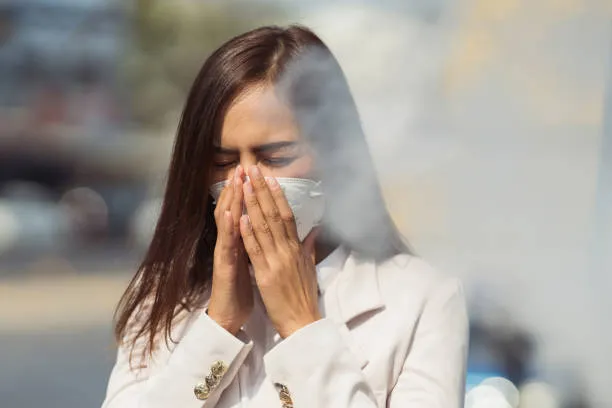
  • Detecting the Impact of Poor Air Quality on Your Health: Insights from Lopmudra Hospital

    Detecting the Impact of Poor Air Quality on Your Health: Insights from Lopmudra Hospital

    Understanding Poor Air Quality and Its Health Implications


    In today’s rapidly industrializing world, poor air quality has become a pressing health concern. Air pollution refers to the presence of harmful substances in the air that we breathe, which can originate from various sources such as vehicle emissions, industrial discharges, and even natural phenomena like wildfires. The impact of poor air quality is particularly detrimental to vulnerable groups, including children, the elderly, and individuals with pre-existing health conditions. In this blog post, we will explore how to recognize the signs of air pollution affecting your health and what steps can be taken in response.


    How Air Quality Affects Health

    Exposure to air pollutants can trigger a multitude of health issues. According to the World Health Organization, approximately 4.2 million premature deaths each year are attributed to outdoor air pollution. Common pollutants include particulate matter (PM2.5), nitrogen dioxide (NO2), sulfur dioxide (SO2), and ozone (O3). Each of these can lead to serious health conditions:

    • Respiratory Issues: Polluted air can exacerbate conditions like asthma and bronchitis, causing symptoms like wheezing, shortness of breath, and coughing.

    • Cardiovascular Problems: Air pollutants can increase the risk of heart attacks and strokes, as they can lead to inflammation and increased blood pressure.

    • Neurological Effects: Some studies suggest a correlation between long-term exposure to air pollution and cognitive decline, increasing the risk of neurodegenerative diseases such as Alzheimer’s.

    In regions like Pune, where urbanization is progressing rapidly, the quality of air can fluctuate drastically. Not noticing the harmful concoction you breathe in daily can be alarming. Therefore, it’s essential for residents to remain vigilant regarding both their surroundings and personal health.


    Identifying Symptoms Related to Poor Air Quality

    Recognizing the signs that poor air quality is affecting your health is crucial for timely intervention. Here are some symptoms to be aware of:

    • Respiratory Symptoms: Coughing, increase in asthma attacks, and general breathing difficulties, especially during or after outdoor activities.

    • Allergic Reactions: Increased incidences of sneezing, nasal congestion, and watery eyes can also be indicators that the air quality is poor.

    • Fatigue and Headaches: Persistent headaches or feelings of fatigue can stem from the breathing in of polluted air, affecting your overall well-being.

    If you notice these symptoms consistently during polluted days in Pune, it’s advisable to limit outdoor activities, particularly for those with pre-existing respiratory conditions like asthma. Consult with a healthcare professional to discuss your symptoms. At Lopmudra Hospital Chain, we’re dedicated to providing comprehensive pulmonary care and are well-equipped to address any respiratory concerns you may have.


    Short-term vs. Long-term Effects of Air Pollution

    The health effects of air pollution can be both immediate and long-lasting. Understanding the difference can aid in the management of your health:

    Effect Type Short-term Effects Long-term Effects
    Respiratory Issues Worsening asthma and allergic reactions Chronic respiratory diseases like COPD
    Cardiovascular Risks Increased heart rates and blood pressure Higher rates of heart attacks and strokes
    Neurological Effects Dizziness and headaches Cognitive decline and neurodegenerative diseases

    While short-term effects may alleviate with improved air quality, long-term exposure could lead to irreversible health damage. Therefore, living in a high-pollution area like Pune emphasizes the need for awareness and proactive measures to protect your health.


    Ways to Monitor Air Quality

    Utilizing technology can significantly assist in achieving greater awareness about current air quality. Here are some practical methods to monitor the air quality in your region:

    • Air Quality Index (AQI): Various online platforms and mobile applications provide real-time AQI data. Monitoring this can help you make informed decisions about outdoor activities.

    • Local Weather Stations: Many local news stations provide air quality updates. Keeping an eye on these reports can help you understand daily fluctuations.

    • Set Alerts: Some apps can send you alerts when air pollution levels reach unhealthy thresholds. This feature can be particularly useful for those with respiratory conditions.

    Carrying out this monitoring, especially in a metropolitan area like Pune, can empower residents to take better care of their health while informing them when to stay indoors, thereby reducing exposure to harmful pollutants.


    Protective Measures Against Poor Air Quality

    Identifying the risks associated with poor air quality is only the first step; you must also take precautionary measures to protect yourself and your family from these threats. Here are some practical steps:

    • Stay Indoors: Limit outdoor activities, especially during high pollution days. This is particularly crucial for sensitive individuals such as children and the elderly.

    • Use Air Purifiers: Investing in a high-quality air purifier for your home can help eliminate pollutants and provide cleaner air.

    • Regular Cleaning: Dust and vacuum your living spaces regularly to minimize particulate matter indoors.

    • Consult Healthcare Providers: If you experience symptoms related to air quality, consult with medical professionals. Our experts at Lopmudra Hospital Chain are ready to assist you.

    By taking these preventive steps, you can mitigate the negative health impacts of poor air quality while preserving your overall well-being.


    The Role of Public Awareness and Community Action

    Individual efforts to improve air quality can be amplified through community action. Public awareness campaigns can help educate the broader community on the importance of maintaining good air quality. Here are some actions that can benefit the community:

    • Environmental Education: Schools and local organizations can incorporate lessons about air quality into their programs, raising awareness amongst young students.

    • Advocate for Policies: Community members should advocate for policies focused on reducing emissions from vehicles and industries to improve air quality at a regional level.

    • Community Clean-Up Events: Organizing events such as tree plantings and local clean-ups can improve air quality while fostering community spirit.

    By working together, residents of Pune can build a healthier environment, thereby safeguarding the health of future generations.


    Seeking Professional Help: When to See a Specialist

    If you find yourself suffering from symptoms associated with poor air quality, seeking professional help is a critical step. Early intervention can lead to better health outcomes. Here are indicators that suggest it might be time to consult a specialist:

    • Prolonged Symptoms: If respiratory symptoms persist beyond a few days or worsen, make an appointment with a healthcare professional.

    • Pre-Existing Conditions: Individuals with asthma, COPD, or other chronic respiratory conditions should consult specialists regularly, especially during high pollution periods.

    • Need for Specialized Treatments: A pulmonary specialist can offer tailored treatment plans to help manage symptoms effectively.

    At Lopmudra Hospital Chain, our team includes some of the best pulmonologists in Pune who can assist in evaluating your condition and providing personalized treatment plans.


    Conclusion: Taking Charge of Your Health

    Poor air quality is a critical concern that can severely impact public health—a reality for many cities, including Pune. By recognizing the symptoms, monitoring air quality, and taking proactive measures, you can protect your health and well-being. Furthermore, community involvement in sustaining cleaner air will not only benefit you but also contribute to a healthier atmosphere for everyone.

    Remember, it’s never too late to take charge of your health. For comprehensive care and individualized treatment options, do not hesitate to contact us at Lopmudra Hospital Chain. We are here to support you in achieving optimal health.

    This article was written by Dr. Sneha Tirpude, sharing insights based on professional experience in the field.

  • Air Pollution Effects on Health: Impact on Daily Life | Lopmudra Hospital Insights

    Air Pollution Effects on Health: Impact on Daily Life | Lopmudra Hospital Insights

    How air pollution affects our daily lives


    In today’s fast-paced world, the impact of air pollution on our daily lives can no longer be ignored. With alarming statistics indicating that air quality has deteriorated significantly over recent years, issues related to respiratory health, skin problems, and even mental health are on the rise. At Lopmudra Hospital Chain, we seek to educate our community on how air pollution affects health and what can be done to mitigate its effects, especially in urban settings like Pune.


    Understanding Air Pollution: What Is It?

    Air pollution refers to the presence of harmful substances in the atmosphere that can have adverse effects on human health and the environment. These pollutants can be both man-made (such as emissions from vehicles and factories) and natural (like volcanic ash or pollen). The major types of air pollutants include particulate matter (PM10 and PM2.5), nitrogen oxides, sulfur dioxide, and ozone.

    Studies show that over 90% of the world’s population lives in areas with unsafe levels of air pollution. In India, cities such as Delhi, Mumbai, and Pune have continuously ranked among the most polluted globally. This rising trend in air pollution levels can lead to chronic health issues, making it vital to understand its effects on daily life.


    How Air Pollution Affects Respiratory Health

    Respiratory health is one of the most immediate areas affected by air pollution. Poor air quality has been linked to a variety of respiratory diseases, including asthma, chronic obstructive pulmonary disease (COPD), and lung cancer.

    Statistics reveal that Pune has seen a noticeable increase in asthma-related cases in recent years, prompting concerns over air quality. When inhaled, pollutants can cause inflammation and damage to lung tissues, leading to symptoms such as:

    • Coughing and wheezing
    • Shortness of breath
    • Chest tightness
    • Increased frequency of asthma attacks

    Using a preventive approach, awareness about staying indoors on high pollution days and recognizing symptoms can help manage respiratory conditions. As the best asthma specialist in Pune, we recommend regular check-ups and breathing exercises to assist in maintaining lung health amidst pollution challenges.


    The Psychological Impact of Air Pollution

    While air pollution primarily affects physical health, it can also significantly impact mental well-being. The stress of living in polluted environments can lead to mental health issues such as anxiety and depression. Inadequate air quality worsens personal wellbeing, causing chronic stress and fatigue levels to rise.

    Research indicates that exposure to pollutants can impact brain function, leading to cognitive decline and even increased risk of neurological disorders. Community anxiety surrounding pollution levels can create a pervasive sense of helplessness, affecting quality of life.

    Strategies for mitigating psychological impacts include adopting practices such as mindfulness meditation, engaging in outdoor physical activities during times of better air quality, and speaking with mental health professionals trained to deal with environmental stressors—additional services available at Lopmudra Hospital Chain.


    The Impact of Air Pollution on Skin Health

    Air pollution does not just affect our lungs; our skin bears the brunt of it too. Pollutants in the air, such as heavy metals and particulate matter, can penetrate skin layers and accelerate aging. Common skin issues linked to poor air quality include:

    • Increased blemishes and acne
    • Accelerated signs of aging, such as wrinkles and fine lines
    • Skin irritation and allergies
    • Hyperpigmentation and uneven skin tone

    Implementing a solid skincare routine can mitigate such concerns. Cleansing pollutants and applying protective measures can form barriers against skin damage. Regular dermatologist check-ups are recommended, especially in metropolitan areas suffering from high pollution levels.


    Effect of Air Quality on Cardiovascular Health

    The heart and blood vessels often pay a heavy price for poor air quality. Long-term exposure to pollutants has been linked to increased risks of cardiovascular diseases, including heart attacks and stroke. Particulate matter can enter the bloodstream, leading to inflammation, higher blood pressure, and the terrible risk of clotting.

    In Pune, rising air pollution levels have led to alarming increases in heart-related illnesses, highlighting the need for preventive measures. It’s essential to monitor not only respiratory health but also cardiovascular health by maintaining a healthy lifestyle and engaging in regular check-ups.


    Ways to Mitigate the Effects of Air Pollution

    While we cannot control the pollution levels in our environment, there are several proactive steps we can take to protect our health:

    • Use air purifiers: Investing in a high-quality air purifier can greatly improve air quality in indoor spaces.
    • Stay informed: Monitoring air quality index (AQI) reports through various apps can guide your daily activities.
    • Limit outdoor activities on high pollution days: Stay indoors, especially during peak traffic hours or on days when pollution levels are particularly elevated.
    • Maintain a healthy diet: Foods rich in antioxidants may help combat oxidative stress caused by pollution.

    Our team at Lopmudra Hospital Chain is dedicated to providing resources and consultation services to help patients deal with pollution-related health issues.


    Local Initiatives for Clean Air in Pune

    Community involvement plays a crucial role in addressing air quality issues. Several local initiatives, such as tree planting drives and awareness campaigns by NGOs, are gaining momentum in Pune to reduce air pollution levels.

    Engaging in community activities can foster hope and collaboration towards a cleaner environment. Additionally, being part of awareness programs helps residents take collective steps to combat pollution effectively.


    When to Seek Professional Help

    If you experience persistent symptoms affecting your respiratory or cardiovascular health, it’s essential to consult with a healthcare professional. At Lopmudra Hospital Chain, we provide specialized services, including consultations with the best pulmonologist in Pune, to address air pollution-related health issues.

    Our hospital staff is well-equipped to provide comprehensive assessments and treatment plans tailored to each patient’s unique health needs, helping you navigate the challenges posed by air pollution more effectively.


    This article was written by Dr. Sneha Tirpude, sharing insights based on professional experience in the field. If you have any queries or require assistance regarding air pollution and its health implications, feel free to contact us at +918087122022 or send a WhatsApp message to +918379033033.
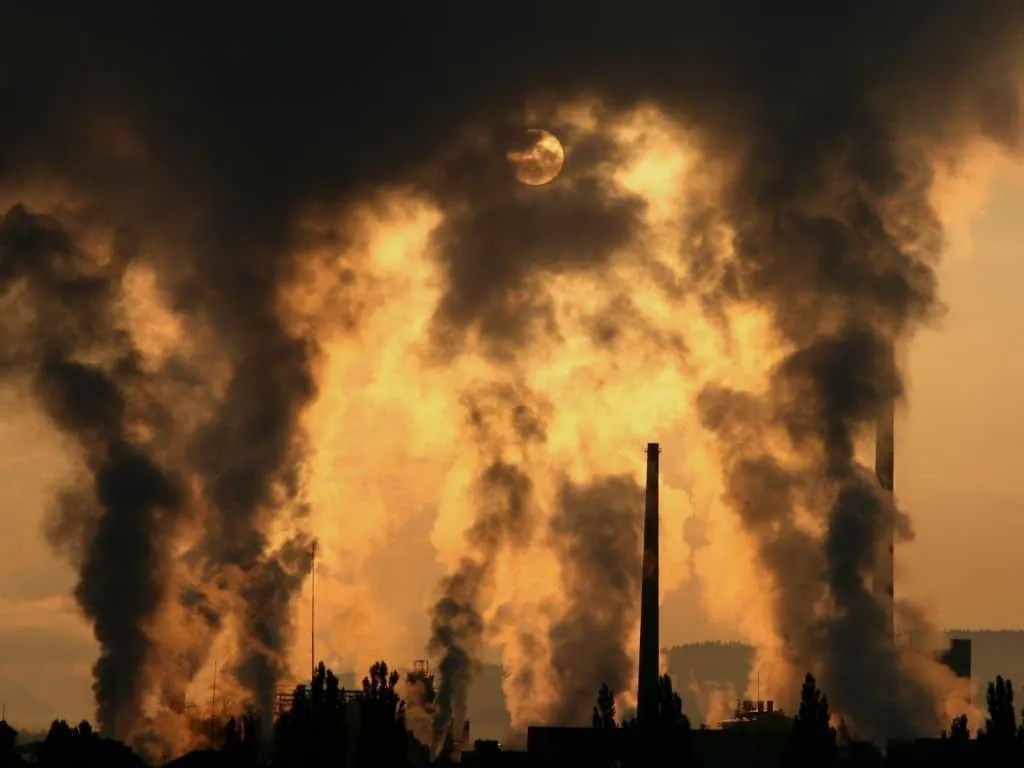
  • “Impact of Indoor Air Quality on Respiratory Health: Insights from Lopmudra Hospital”

    “Impact of Indoor Air Quality on Respiratory Health: Insights from Lopmudra Hospital”

    How Does The Quality Of Indoor Air Affect Respiratory Health?


    Indoor air quality is an often-overlooked factor that plays a critical role in the health of our lungs and overall respiratory system. In our daily lives, we tend to focus more on outdoor pollution levels, but the air inside our homes, schools, and workplaces can be just as hazardous. In this article, we will explore how indoor air quality affects respiratory health, common sources of indoor air pollution, and the available solutions to improve it. At Lopmudra Hospital Chain, we prioritize respiratory health and encourage our community in Pune to be aware of this critical aspect.


    Understanding Indoor Air Quality: An Overview

    Indoor air quality refers to the condition of the air inside buildings and structures, affecting the health and comfort of building occupants. Poor indoor air quality can lead to a variety of health issues, particularly affecting the respiratory system. Factors influencing indoor air quality include:

    • Humidity Levels: High humidity can result in the growth of mold, mildew, and dust mites, both of which are significant contributors to respiratory problems.
    • Common Indoor Pollutants: These include volatile organic compounds (VOCs) from household cleaners, paints, and furniture; particulate matter from cooking; smoke from cigarettes; and allergens from pets.
    • Ventilation: Inadequate ventilation can trap contaminants inside, leading to higher concentrations of indoor air pollutants.

    Good indoor air quality, on the other hand, promotes healthy respiratory function, reduces allergy symptoms, and improves overall well-being. Regular monitoring and maintenance are vital to ensure that our living environments support lung health.


    The Impact of Indoor Air Quality on Respiratory Health

    Poor indoor air quality has been linked to an array of respiratory issues, including asthma, allergies, and chronic obstructive pulmonary disease (COPD). According to the World Health Organization (WHO), around 3.8 million people die prematurely each year due to indoor air pollution.

    Specific effects of poor indoor air quality on respiratory health include:

    • Allergic Reactions: Allergens such as dust mites, pet dander, and mold can trigger allergic rhinitis, leading to sneezing, coughing, and congestion.
    • Asthma Attacks: For individuals with asthma, exposure to indoor pollutants can exacerbate symptoms, leading to increased use of inhalers and medical interventions.
    • Development of COPD: Long-term exposure to indoor air pollutants may contribute to the development of chronic respiratory diseases, significantly reducing quality of life.

    In Pune, the growing prevalence of respiratory issues can be linked to both outdoor and indoor pollution. Educating individuals about the risks associated with poor indoor air quality is essential for better health outcomes.


    Common Sources of Indoor Air Pollution

    There are multiple sources of indoor air pollution that homeowners and building operators should be aware of. These include:

    • Household Cleaning Products: Many common cleaning agents release VOCs that can irritate the respiratory system. Opting for natural cleaning alternatives can reduce exposure.
    • Cooking: Cooking, particularly with gas stoves, can produce nitrogen dioxide and particulate matter, which are harmful when inhaled.
    • Mold and Mildew: Areas with high humidity levels are conducive to mold growth, which can trigger respiratory problems in sensitive individuals.
    • Secondhand Smoke: Smoking indoors exposes non-smokers to harmful toxins and increases the risk of lung disease.
    • Building Materials: Older buildings may contain asbestos or lead, which can release harmful particles into the air when disturbed.

    Understanding these sources can empower individuals to make conscious choices that improve their indoor air quality and overall respiratory health.


    Symptoms of Poor Indoor Air Quality

    Recognizing the signs of poor indoor air quality is crucial for taking timely action. Symptoms can vary widely, but common indications include:

    • Coughing and Wheezing: Persistent coughs or wheezes, especially in those with known respiratory conditions.
    • Shortness of Breath: Individuals may feel increasingly out of breath during physical activities, even when they were able to perform the same activities without difficulty previously.
    • Frequent Allergic Reactions: Increased frequency of sneezing, nasal congestion, or itchy eyes can indicate the presence of indoor allergens.
    • Fatigue and Headaches: Ongoing fatigue or headaches can sometimes be traced back to indoor air quality issues.

    If symptoms persist or worsen, it’s essential to consult a healthcare professional, such as the best pulmonologist in Pune, to evaluate respiratory health and recommend interventions.


    Improving Indoor Air Quality

    Improving indoor air quality is a proactive approach to safeguard your respiratory health. Here are several effective strategies you can implement:

    • Increase Ventilation: Open windows when weather permits and use exhaust fans in kitchens and bathrooms to reduce humidity and pollutants.
    • Use Air Purifiers: High-Efficiency Particulate Air (HEPA) filters can trap allergens and pollutants, improving air quality significantly.
    • Regular Cleaning: Keep the home clean to minimize dust, allergens, and mold. Vacuum frequently and consider changing filters in HVAC systems regularly.
    • Humidity Control: Use dehumidifiers in damp areas and try to keep indoor humidity levels between 30% and 50%.
    • Choose Low-VOC Products: When purchasing paint, furniture, or cleaning supplies, opt for low-VOC or natural alternatives.

    Enhancing indoor air quality is a shared responsibility. It requires active engagement from everyone within the home or community to create a healthier, safer environment for all.


    When to Seek Medical Attention

    If you or your family members are experiencing persistent respiratory symptoms and suspect indoor air quality may be the cause, it is essential to consult a healthcare professional. At Lopmudra Hospital Chain, our dedicated team of specialists, including the best asthma specialist in Pune, can provide comprehensive evaluations and tailor treatment plans to individual needs.

    Symptoms that warrant immediate medical attention can include:

    • Severe Shortness of Breath: If an individual’s breathing difficulty is sudden or severe, prompt evaluation is critical.
    • Coughing Up Blood: This serious symptom indicates a need for urgent medical assessment.
    • Uncontrolled Asthma Symptoms: If asthma attacks become more frequent or severe, it’s crucial to consult your healthcare provider.
    • Symptoms Persisting Beyond a Change in Environment: If symptoms do not improve after making adjustments to indoor air quality, further investigation is necessary.

    Early intervention is key to managing respiratory health effectively and preventing long-term complications.


    Conclusion: Prioritizing Indoor Air Quality for Respiratory Health

    The importance of maintaining optimal indoor air quality cannot be overstated when it comes to respiratory health. Understanding the sources of indoor pollutants and their impacts enables individuals and families to take proactive measures to improve their environments significantly. From increasing ventilation to eliminating allergens and using air purification systems, there are many strategies available at our disposal. At Lopmudra Hospital Chain, we are committed to supporting our community in Pune with education and resources for better respiratory health. By raising awareness of the critical link between indoor air quality and respiratory health, we empower individuals to make informed choices about their living spaces.

    This article was written by Dr. Sneha Tirpude, sharing insights based on professional experience in the field.