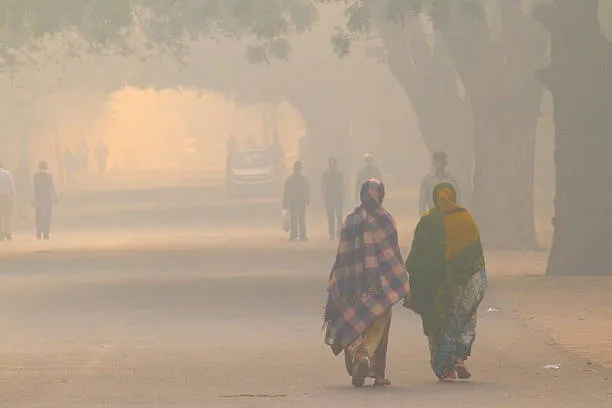
Can Air Pollution Accumulate in the Lungs?
With the increasing levels of urbanization and industrialization, air pollution has become a significant concern worldwide. It poses various health risks, particularly for the respiratory system. In this blog, we will explore whether air pollution can accumulate in the lungs, its effects on overall health, and the measures that can be taken to mitigate these risks. For those residing in regions like Pune where pollution levels can peak, understanding this issue is vital. At Lopmudra Hospital Chain, we strive to educate our patients about managing respiratory health effectively.
Understanding Air Pollution and Its Sources
Air pollution consists of harmful substances present in the atmosphere, leading to various health complications. Key pollutants include:
-
Particulate Matter (PM): These tiny particles suspended in the air can penetrate deep into the lungs and even enter the bloodstream, leading to serious health issues.
-
Nitrogen Dioxide (NO2): Commonly released from vehicles and industrial processes, NO2 is linked with respiratory diseases and can worsen the condition of asthma patients.
-
Carbon Monoxide (CO): Produced mainly through incomplete combustion of fossil fuels, high levels of CO can lead to suffocation and long-term health complications.
-
Sulfur Dioxide (SO2): Emitted from power plants and industrial facilities, exposure to SO2 can cause irritation of the airways and aggravate pre-existing lung conditions.
-
Ozone (O3): Ground-level ozone can trigger respiratory problems and is formed when sunlight reacts with pollutants from vehicles and industrial sources.
Understanding these pollutants and their sources is crucial, especially for individuals diagnosed with respiratory conditions. At Lopmudra Hospital Chain in Pune, we emphasize the role of education in combating the adverse effects of air pollution.
How Do Pollutants Accumulate in the Lungs?
When inhaled, air pollution particles can enter the lungs and cause damage to lung tissue. While the body has mechanisms to clear some particles from the lungs, continuous exposure to high pollution levels can overwhelm these defenses, leading to accumulation. Key pathways through which pollutants can accumulate in the lungs include:
-
Inflammation: Exposure to pollutants can induce inflammation in lung tissues, leading to chronic conditions like chronic obstructive pulmonary disease (COPD) or asthma. This inflammation can create a cycle where further pollutants lead to increased inflammation.
-
Aldose Reductase Pathway: Certain pollutants can initiate biochemical pathways that exacerbate lung damage, making it difficult for lung tissues to recover effectively.
-
Obstructive Profiles: Accumulated pollutants can obstruct airway passages, leading to symptoms like breathlessness, coughing, and wheezing.
Given the persistent nature of air pollution in urban environments like Pune, it’s crucial for residents to monitor pollution levels and understand how they can protect their lung health.
Health Implications of Pollutant Accumulation
The health implications of accumulated air pollutants in the lungs cannot be underestimated. Studies have shown a direct correlation between air quality and respiratory health. Some of the major health effects include:
-
Respiratory Diseases: Extended exposure to air pollutants can lead to conditions such as asthma, bronchitis, and even lung cancer. Individuals with pre-existing conditions like asthma may find their symptoms exacerbated.
-
Cardiovascular Issues: There is compelling evidence that air pollution contributes to cardiovascular diseases, as pollutants can enter the bloodstream and affect heart function.
-
Allergies and Sensitivities: Increased exposure to air irritants can heighten allergic reactions, leading to symptoms such as nasal congestion and throat irritation.
-
Pediatric Concerns: Children are particularly vulnerable to the effects of air pollution due to their developing lungs and higher respiratory rates.
At Lopmudra Hospital Chain, we regularly handle cases where patients suffer from complications due to air pollution exposure. Emphasizing early detection and intervention can significantly alter health outcomes.
Signs and Symptoms of Lung Pollution Exposure
Being aware of signs and symptoms that could indicate the negative impact of air pollution on your lungs is essential for early diagnosis and treatment. Common symptoms include:
-
Chronic Cough: A persistent cough that does not respond to typical treatments can signal underlying lung damage.
-
Difficulty Breathing: Shortness of breath, especially during exertion, may indicate decreased lung capacity due to pollution accumulation.
-
Chest Pain: Any unusual pain or pressure in the chest should be evaluated, as it may relate to respiratory complications.
-
Frequent Respiratory Infections: Recurrent infections such as pneumonia could signal weakened lung defenses due to accumulated pollutants.
-
Worsened Allergy Symptoms: Heightened allergy symptoms can often correlate with rising air pollution levels.
For residents in Pune, staying vigilant about these symptoms can be crucial. Early consultations with specialists, such as the best pulmonologists in Pune, can provide guidance on appropriate treatment and management options.
Diagnosis: How Are Lung Issues from Air Pollution Identified?
If you suspect that pollution has affected your respiratory health, diagnostic processes may include:
-
Physical Examination: A thorough examination by a specialist can help identify visible symptoms linked to air pollution exposure.
-
Pulmonary Function Tests (PFTs): These tests evaluate how well your lungs are functioning by measuring lung capacity and airflow.
-
Chest X-rays: Imaging can help visualize lung structure and identify abnormalities that may arise from pollution exposure.
-
CT Scans: More detailed imaging may be utilized to assess significant lung damage or diseases caused by pollutant accumulation.
-
Sputum Tests: Analyzing mucus production can provide insights into inflammation and infection resulting from inhaled pollutants.
At Lopmudra Hospital Chain, we provide comprehensive diagnostic services to ensure early identification and management of lung-related conditions due to air pollution.
Effective Treatment Options for Lung Damage Due to Pollution
The treatment approach for lung conditions arising from air pollution largely depends on the severity of symptoms and underlying issues. Some effective treatment options include:
| Treatment Type | Description | Indications |
|---|---|---|
| Medications | Bronchodilators, corticosteroids, and other medications can help reduce inflammation and open airways. | Mild to moderate symptoms; chronic conditions. |
| Pulmonary Rehabilitation | A program that includes exercises, education, and support to improve lung function and quality of life. | Chronic lung diseases like COPD. |
| Oxygen Therapy | Supplemental oxygen can help improve breathing in individuals with chronic lung conditions. | Severe symptoms or low blood oxygen levels. |
| Lung Surgeries | Surgical options may be necessary in cases of severe lung damage, such as lung cancer. | Severe lung disease; potential malignancies. |
For residents of Pune, options tailored to individual needs can be discussed with the best asthma specialists in Pune, ensuring accessible and effective treatment plans.
Preventive Measures to Protect Lung Health from Pollution
Prevention is always better than cure, especially when it comes to lung health impacted by air pollution. Some actionable steps include:
-
Stay Indoor During High Pollution Days: Monitoring pollution levels via apps can help you determine when to limit outdoor activities.
-
Use Air Purifiers: Investing in quality air purifiers can significantly reduce indoor air pollutants.
-
Smoking Cessation: Avoid smoking and exposure to secondhand smoke, as they compound the effects of air pollution.
-
Healthy Lifestyle: Regular exercise, a balanced diet, and staying hydrated can help strengthen the lungs against pollution.
Our team at Lopmudra Hospital Chain advocates for proactive steps to maintain optimal lung health, particularly for residents in high-pollution areas.
Conclusion: The Importance of Awareness and Action
Ultimately, understanding the effects of air pollution on lung health is crucial for everyone, especially in densely populated urban areas like Pune. By being aware of symptoms, seeking timely diagnosis, and implementing preventive strategies, individuals can significantly improve their respiratory health and overall well-being. If you have concerns regarding lung health, don’t hesitate to reach out to our dedicated team at Lopmudra Hospital Chain by calling +918087122022 or via WhatsApp at 918379033033. We are here to help you breathe easier and healthier.
This article was written by Dr. Sneha Tirpude, sharing insights based on professional experience in the field.
Leave a Reply