Blog

  • Monkey Pox Treatment in Pune: Everything You Need to Know at Lopmudra Hospital

    Monkey Pox Treatment in Pune: Everything You Need to Know at Lopmudra Hospital

    Monkey Pox Treatment in Pune: Everything You Need to Know at Lopmudra Hospital

    Monkey Pox is a rare viral infection with symptoms similar to smallpox. While it is less contagious and causes milder illness, early diagnosis and proper treatment are essential. This page provides comprehensive information about Monkey Pox treatment at Lopmudra Hospital in Pune, including details about our services, costs, and expert care.


    What is Monkey Pox?

    Monkey Pox is an infectious disease caused by the monkeypox virus, which belongs to the Orthopoxvirus genus. This viral infection is primarily zoonotic, meaning it is transmitted from animals to humans, with rodents being the main reservoir. However, human-to-human transmission can occur through direct contact with infectious lesions, body fluids, respiratory droplets, and contaminated materials.

    The incubation period generally ranges from 7 to 14 days but can extend to 21 days. Monkey Pox typically manifests with:

    • Fever
    • Headache
    • Muscle aches
    • Exhaustion
    • Swollen lymph nodes
    • A rash that evolves from macules to vesicles, pustules, and scabs

    Understanding the progression and symptoms of Monkey Pox is crucial to seeking timely medical attention.


    Signs and Symptoms Indicating You Need Monkey Pox Treatment

    Recognizing the early signs of Monkey Pox is essential for receiving prompt and appropriate treatment. Patients often experience flu-like symptoms such as fever, chills, and fatigue, which precede the development of a distinctive rash. This rash typically starts on the face and spreads to other parts of the body, transforming into fluid-filled pustules that eventually scab over.

    You should seek medical consultation if you experience:

    • Unexplained rashes or pustules, especially if you have recently traveled to areas where Monkey Pox is endemic or come into contact with potentially infected individuals.
    • Persistent high-grade fever and lymphadenopathy (swelling of the lymph nodes).
    • Intense headaches or muscle pains that do not subside with usual medication.
    • If you are living with someone or have been in close contact with someone who has been diagnosed with Monkey Pox.

    Early intervention can help manage symptoms effectively and prevent complications.


    Factors Causing Monkey Pox Symptoms

    The symptoms of Monkey Pox are primarily caused by the infiltration and replication of the virus within the body. Various factors contribute to the severity and manifestation of symptoms:

    • Animal Contact: Transmission primarily occurs through direct contact with the blood, bodily fluids, or cutaneous or mucosal lesions of infected animals.
    • Human-to-Human Transmission: Close contact with respiratory tract secretions, skin lesions of an infected person, or recently contaminated objects.
    • Weakened Immune System: Individuals with compromised immune systems are more susceptible to severe manifestations of the disease.
    • Lack of Vaccination: The smallpox vaccine, which provides some immunity to Monkey Pox, is no longer widely administered, leading to increased incidences, particularly in younger populations.

    Understanding these transmission vectors can aid in prevention and early diagnosis.


    Types of Monkey Pox Treatment

    The treatment for Monkey Pox primarily focuses on symptom management and preventing complications. There are no specific treatments or vaccines for Monkey Pox; however, the smallpox vaccine, antivirals, and vaccinia immune globulin (VIG) can be used to control outbreaks.

    Treatment Type Benefits Considerations
    Supportive Care Alleviates symptoms and supports the immune system Requires hospitalization in severe cases
    Antiviral Medication May shorten the duration of the illness Limited data on efficacy; used off-label
    Vaccination Provides prevention or reduces severity Not available to the public; reserved for outbreak controls

    Our healthcare providers at Lopmudra Hospital tailor the treatment plan based on the severity and specific needs of each patient.


    Cost of Monkey Pox Treatment in Pune

    The cost of Monkey Pox treatment at Lopmudra Hospital can vary based on the severity of symptoms, required hospital stay, and specific medical interventions needed. While precise figures can only be given after a thorough evaluation, we strive to maintain affordability without compromising the quality of care.

    Generally, costs include:

    • Initial consultation and diagnostic tests
    • Hospitalization and monitoring (if necessary)
    • Symptomatic treatment and medications
    • Follow-up consultations

    For detailed pricing and insurance inquiries, please contact our support line at +918087122022 or visit our website for more information.


    Post-Treatment and Recovery for Monkey Pox

    Recovery from Monkey Pox typically ranges from 2 to 4 weeks. Most patients recover with supportive care, but ongoing monitoring is crucial to ensure there are no complications. At Lopmudra Hospital, we emphasize a comprehensive follow-up strategy to aid our patients in making a full recovery.

    Post-treatment care includes:

    • Regular monitoring of symptoms until complete resolution
    • Advising on isolation to prevent transmission to others, particularly vulnerable groups
    • Nutritional support to rebuild strength and boost immunity
    • Routine follow-ups to watch for signs of complications

    Our medical team remains committed to providing comprehensive care and guidance throughout your recovery journey.


    Treatment Outcomes and Patient Testimonials

    At Lopmudra Hospital, patient satisfaction is a testament to the quality of care we provide. Our treatment outcomes for Monkey Pox have been highly positive, with patients making full recoveries without significant complications.

    Here are a few testimonials from our patients:

    “I received timely and compassionate care at Lopmudra Hospital. The staff made sure I was comfortable and informed throughout my treatment. I am very grateful.” – Rohan S.

    “The doctors at Lopmudra are experts in their field. They not only treated my medical symptoms but also supported me emotionally. I highly recommend them!” – Leena D.

    These experiences highlight our commitment to excellence and patient-centered care.


    Why Choose Lopmudra Hospital for Monkey Pox Treatment?

    Lopmudra Hospital is a leading healthcare facility in Pune, offering specialized Monkey Pox treatment under the guidance of experienced professionals in General Medicine. We stand out for our commitment to patient care, advanced medical practices, and a friendly, empathetic environment.

    • Access to experienced Monkey Pox specialists in Pune
    • Comprehensive diagnostic services using cutting-edge technology
    • Holistic treatment plans tailored to individual patient needs
    • Seamless insurance processing and financial guidance
    • Convenient location with ample facilities and support for families

    Choose Lopmudra Hospital for effective, compassionate, and dedicated healthcare in managing Monkey Pox in Pune.


    Meet Our Team of Monkey Pox Specialists

    Our team at Lopmudra Hospital comprises seasoned professionals specializing in the diagnosis and treatment of infectious diseases like Monkey Pox. Our specialists are not only well-versed in general medical practices but are also deeply empathetic towards the unique needs of each patient.

    Our team includes:

    • Dr. Anjali Kumar, MD – Infectious Disease Specialist
    • Dr. Ravi Thakare, MD – General Medicine Expert
    • Dr. Sneha Singh, MBBS – Practitioner of Preventive Medicine

    Each member of our team is dedicated to providing excellent medical care and emotional support to ensure swift recovery and lasting health improvements.


    How Can We Avoid Monkey Pox?

    Prevention is crucial in managing Monkey Pox risk. Here are several strategies recommended by healthcare experts:

    • Maintaining proper hygiene and handwashing practices
    • Avoiding contact with animals that might harbor the virus, such as rodents and primates
    • Minimizing exposure to potentially contaminated materials in endemic areas
    • Ensuring vaccination for smallpox if at high risk; it provides cross-immunity to Monkey Pox
    • Isolating infected patients to prevent the spread within communities

    Public health awareness and education are key in curbing the spread of Monkey Pox. At Lopmudra Hospital, we offer detailed counseling and preventive guidance as part of our healthcare services.


    FAQs on Monkey Pox Treatment at Lopmudra Hospital

    Q1: How is Monkey Pox diagnosed at Lopmudra Hospital?
    Diagnosis involves a clinical exam followed by lab tests, including PCR and viral cultures, to confirm the presence of the virus.

    Q2: What should I do if I suspect a Monkey Pox infection?
    If you have a rash with flu-like symptoms and suspect Monkey Pox, seek medical assistance promptly for diagnostic testing and expert care.

    Q3: Is Monkey Pox contagious?
    Yes, it spreads through direct contact with infected individuals or animals and occasionally via respiratory droplets in prolonged face-to-face contact.

    Q4: Can Monkey Pox be fatal?
    While most cases are mild, severe cases can occur, particularly in immunocompromised individuals. Early medical evaluation helps in better management.

    Q5: What is the contact information for emergencies?
    For urgent queries, you can contact us at our emergency helpline: +918087122022 or through WhatsApp at 918379033033.

    Q6: How soon should I get medical attention?
    Prompt diagnosis and care are important. Seek medical advice if symptoms develop, especially after potential exposure.

    For more detailed answers or to schedule an appointment, visit our website.


    Lopmudra Hospital, located in Vishwakarma Nagar, near NIV Pashan, Pune, Maharashtra, is your trusted healthcare partner for comprehensive Monkey Pox management and treatment. Call us at +918087122022 for exceptional care and support.

  • Understanding Excessive Body Heat: Guidance from Lopmudra Hospital

    Understanding Excessive Body Heat: Guidance from Lopmudra Hospital

    ı Understanding Excessive Body Heat: Guidance from Lopmudra Hospital

    At Lopmudra Hospital, we understand that high temperatures, especially during summer months, can greatly affect your health and well-being. Managing excessive body heat is crucial, and we are here to provide your comprehensive guide to maintaining optimal body temperature in Pune’s bustling, warm climate.


    ı Excessive Body Heat explained

    Excessive body heat is a condition where your body temperature rises beyond its normal range of around 98.6°F (37°C). This can result from several factors such as high environmental temperatures, strenuous activity, dehydration, or even certain medical conditions. Generally, the body’s heat management system, which includes sweating and blood flow to the skin, helps maintain normal temperature. However, if the body produces or absorbs more heat than it can release, hyperthermia or elevated body temperature can occur.

    Excessive body heat can lead to discomfort and serious health issues like heat exhaustion and heat stroke, conditions that can be life-threatening without proper intervention. Symptoms include feeling faint, heavy sweating, rapid heartbeat, and confusion. Therefore, it’s crucial to recognize and address these symptoms effectively.


    ı Common causes of Body Heat Increase

    Various factors can contribute to the increase of body heat, especially in a place like Pune where temperatures can soar:

    • Environmental conditions: High ambient temperatures, like during Pune’s summer, can cause the body to overheat.
    • Physical exertion: Vigorous activities heighten body metabolism, leading to increased internal heat production.
    • Dehydration: Lack of adequate fluids reduces the body’s ability to cool down through sweating.
    • Dietary factors: Consuming spicy foods, caffeine, and alcohol can elevate body temperature.
    • Medical conditions: Infections, thyroid dysfunctions, or certain medications can induce hyperthermia.

    Understanding these causes equips you with the knowledge to anticipate and prevent the adverse effects of high body temperature.


    causes of Body Heat Increase

    ı Managing excessive body heat: Tips for relief

    Preventing and managing excessive body heat is vital to maintaining health and comfort, especially under Pune’s scorching sun. Here are effective strategies:

    Stay Hydrated

    Drinking plenty of fluids is crucial. Water is a necessary component in maintaining a normal body temperature by aiding sweat production, the body’s natural cooling system. Aim for at least 8-10 glasses of water daily, and increase this intake during hot weather or physical activities.

    Wear Appropriate Clothing

    Opt for lightweight, loose-fitting, and light-colored clothing made from natural fibers like cotton. These materials enhance the evaporation of sweat, assisting the body’s cooling mechanism.

    Dietary Adjustments

    Incorporate cooling foods such as cucumbers, watermelon, and mint into your diet. Reduce the intake of heat-inducing foods such as spices, caffeinated drinks, and alcohol.

    Take Regular Breaks and Stay Indoors

    Limit outdoor activities during peak sun hours. If unavoidable, take regular breaks in shaded or air-conditioned environments to allow your body to cool down effectively.

    These strategies can be particularly beneficial in locales with high temperatures, ensuring you remain healthy and comfortable.


    ı Medical Interventions at Lopmudra Hospital

    Sometimes, managing body heat through lifestyle changes and habits might not suffice, especially if underlying health conditions are involved. Lopmudra Hospital in Pune offers specialized care and interventions:

    • Consultation with specialists: Our experienced medical staff can assess your symptoms and history to offer personalized advice.
    • Diagnostic services: We provide comprehensive diagnostic tests to identify any underlying medical conditions contributing to excessive body heat.
    • Therapeutic treatments: Offering advanced cooling therapies and medications to manage hyperthermia effectively.

    With a holistic approach to patient care, we ensure that you receive proper attention and treatment tailored to your specific needs.


    ı Summer Health Tips for Pune residents

    With Pune’s intense summer heat, it’s not just about combating body heat but ensuring overall well-being during this season. Here are some holistic approaches to staying healthy:

    • Maintain a balanced diet: Incorporate seasonal fruits and vegetables, which are high in water content, to your meals. This aids in hydration and provides essential nutrients.
    • Regular exercise: Engage in light exercises in cooler parts of the day, such as early morning or late evening. This maintains fitness while preventing overheating.
    • Mindfulness and relaxation: Practices like yoga and meditation can help manage stress, which might exacerbate symptoms of overheating.

    Applying these tips collectively helps in managing not just body heat, but overall health, preparing you adequately for the hot months.


    ı Why Choose Lopmudra Hospital?

    Lopmudra Hospital, strategically located in the bustling area of Pashan, is dedicated to providing exceptional healthcare services with a patient-centric approach. Here’s why you might consider us when handling health conditions such as excessive body heat:

    • Comprehensive Care: Our multi-disciplinary team of doctors and medical staff ensure coordinated and efficient healthcare services.
    • State-of-the-Art Facilities: We are equipped with cutting-edge diagnostic and treatment technologies.
    • Personalized Treatment Plans: We focus on individualized health plans to meet your specific needs and conditions.

    Furthermore, we accept various insurance policies to make excellent healthcare accessible and affordable. To book an appointment or a consultation, visit our website at Lopmudrahospitals.com or contact us at +918087122022.

    Our address: Vishwakarma Nagar, Lopmudra Hospital, CTS No. 1338, Survey No 148/4, Pashan – Sus Rd, near NIV Pashan, Pune, Maharashtra 411021, Pune, India


    ı Conclusion

    While excessive body heat can be daunting, especially in climates like Pune, proactive management and awareness can ease its impact. At Lopmudra Hospital, we are committed to guiding you through these challenges with professional healthcare solutions and personalized guidance. Remember, preventative care is the best kind of care — stay informed, hydrated, and healthy!


    chat with us


  • Early Symptoms of Pregnancy and When to Get Tested

    Early Symptoms of Pregnancy and When to Get Tested

    By Dr. Archana Salve, Lopmudra Hospital, Pune

    Pregnancy is a transformative journey, and recognizing its early signs can help you take the first steps toward a healthy and joyful experience. 

    At Lopmudra Hospital, Pune, we are committed to providing expert care and guidance throughout your maternity journey. Here’s a detailed guide to understanding the early symptoms of pregnancy and when it’s the right time to get tested.


    Overview of Early Pregnancy Symptoms

    Pregnancy brings about significant hormonal and physiological changes that manifest as various symptoms. While these symptoms vary from person to person, understanding them can help you identify early signs of pregnancy and seek timely medical advice. Below is a detailed explanation of the most common early pregnancy symptoms.

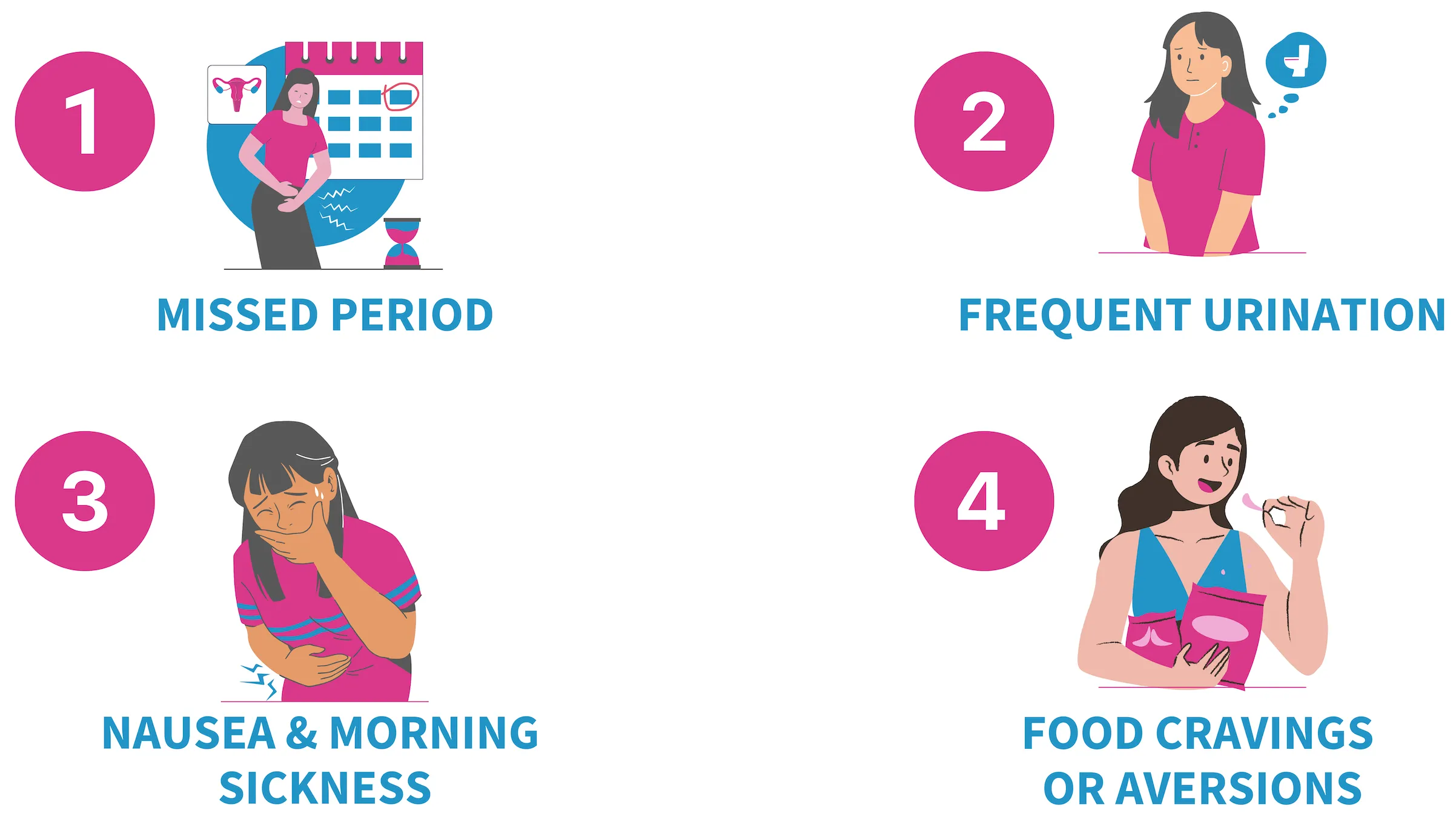
    1. Missed Period

    A missed period is one of the earliest and most reliable indicators of pregnancy. This occurs because the body starts producing the hormone hCG (human chorionic gonadotropin) after conception, which halts ovulation and menstruation. However, missed periods can also result from stress, hormonal imbalances, or other health conditions.

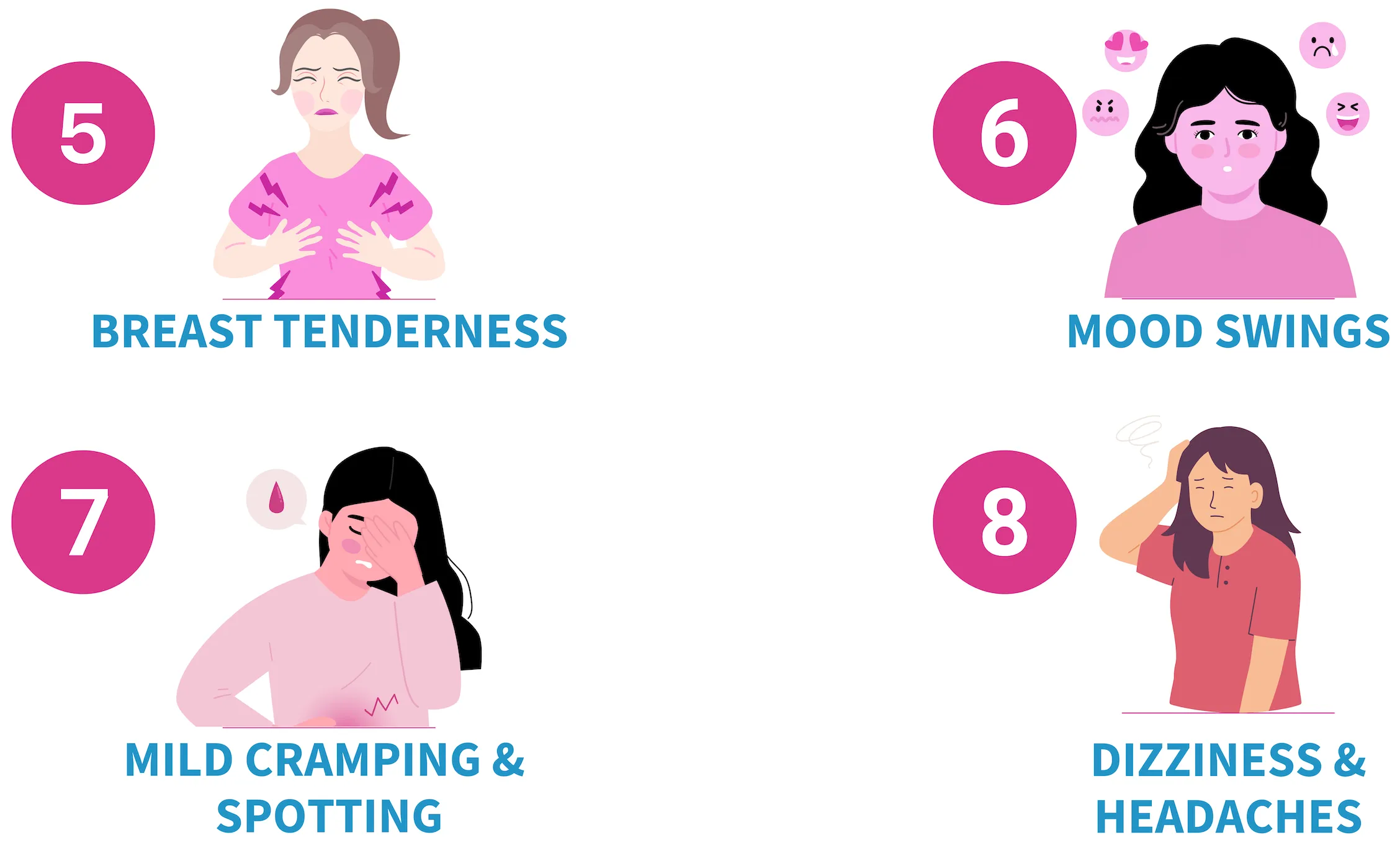
    2. Breast Changes

    Breast tenderness, swelling, or a tingling sensation often occur within a week or two after conception due to hormonal shifts. The areola (the area around the nipples) may darken, and veins in the breasts may become more noticeable as blood flow increases. These changes typically ease as the body adjusts to new hormone levels.

    3. Nausea and Morning Sickness

    Nausea, often referred to as morning sickness, can begin as early as 4-6 weeks into pregnancy. While it’s most common in the morning, it can occur at any time of day and may be accompanied by vomiting or food aversions. Hormonal changes are believed to trigger this symptom, which usually subsides by the second trimester but may persist for some women.

    4. Fatigue

    Feeling unusually tired is another hallmark symptom of early pregnancy. Increased levels of progesterone, along with lower blood sugar and blood pressure, contribute to this fatigue. Resting adequately and consuming iron- and protein-rich foods can help manage this symptom.

    5. Frequent Urination

    Pregnancy hormones increase blood flow to the kidneys, leading to more frequent urination starting around 6-8 weeks after conception. This symptom may continue throughout pregnancy as the growing uterus exerts pressure on the bladder.

    6. Light Spotting or Implantation Bleeding

    Some women experience light spotting or bleeding about 6-12 days after ovulation when the fertilized egg attaches to the uterine lining. This is known as implantation bleeding and is usually lighter in color and shorter in duration than a regular period.

    7. Mood Swings

    Hormonal fluctuations in early pregnancy can lead to emotional highs and lows, making mood swings a common symptom during the first trimester.

    8. Digestive Changes: Constipation and Bloating

    Higher levels of progesterone slow down digestion, leading to bloating and constipation. Staying hydrated, eating fiber-rich foods, and exercising regularly can help alleviate these symptoms.

    9. Heightened Sense of Smell and Food Aversions/Cravings

    Many women notice an increased sensitivity to smells or develop strong aversions to certain foods during early pregnancy. Hormonal changes can also trigger cravings for specific foods.

    10. Dizziness and Fainting

    Dilating blood vessels, lower blood sugar levels, and reduced blood pressure may cause dizziness or fainting spells in some pregnant women.

    11. Nasal Congestion

    An increase in blood volume during pregnancy can lead to swollen nasal membranes, resulting in a stuffy or runny nose.

    12. Headaches and Back Pain

    Hormonal changes may cause mild headaches or lower back pain during early pregnancy. These symptoms are generally manageable but should be discussed with a healthcare provider if severe.

    13. Basal Body Temperature Changes

    A consistently elevated basal body temperature (measured first thing in the morning) after ovulation can be an early indicator of pregnancy for those tracking their cycles closely.


    When Should You Seek Medical Advice?

    If you experience any of these symptoms and suspect you might be pregnant, take a home pregnancy test for confirmation. For accurate results, test after a missed period using your first-morning urine when hCG levels are highest. If positive—or if symptoms persist despite a negative test—consult your healthcare provider for further evaluation.

    At Lopmudra Hospital in Pune, our expert maternity team is here to guide you through every step of your journey with personalized care and advanced facilities. For more information on maternity care services at Lopmudra Hospital, visit us today!


    When to Take a Pregnancy Test?

    Timing is crucial for accurate results when taking a pregnancy test. Here are some guidelines:

    • After a Missed Period: The best time to take a home pregnancy test is after your period is late. This ensures more accurate detection of hCG (human chorionic gonadotropin) levels in your urine.

    • As Early as 8-10 Days After Conception: Some highly sensitive tests can detect hCG even before a missed period, but these may not always be reliable.

    • Morning Testing: For the most accurate results, use your first-morning urine, as it contains the highest concentration of hCG.


    What to Do Next?

    If your test result is positive, schedule an appointment with your doctor for confirmation and to begin prenatal care. If the test is negative but you still suspect pregnancy, retest after a few days or consult your doctor for further evaluation.

    At Lopmudra Hospital, we offer comprehensive maternity care with state-of-the-art facilities and experienced doctors who ensure that you and your baby receive the best care possible. Whether you’re planning for a baby or already expecting, our team is here to support you every step of the way. 

    For expert maternity care in Pune, visit Lopmudra Hospital today!


    Why Choose Lopmudra Hospital Pune if You Are Facing Pregnancy Symptoms?

    Lopmudra Hospital in Pune stands out as a trusted healthcare destination for women experiencing pregnancy symptoms. Here’s why it should be your first choice:

    1. Expert Obstetrics and Gynecology Team

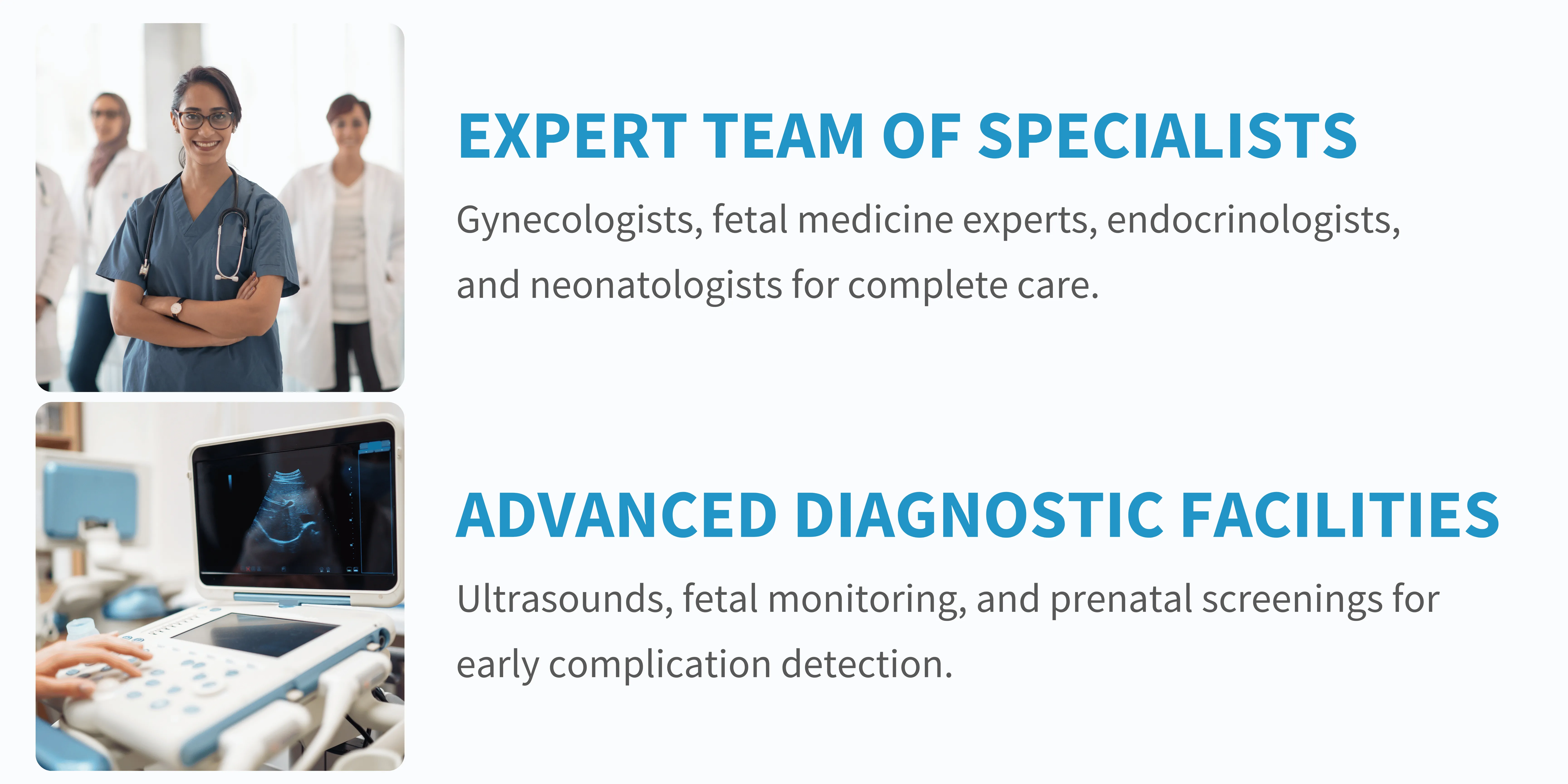
    Lopmudra Hospital boasts a team of highly experienced obstetricians and gynecologists, including Dr. Archana Salve, with over 19 years of expertise in managing pregnancies, infertility, and reproductive health. The hospital is equipped to handle everything from routine prenatal care to complex high-risk pregnancies, ensuring comprehensive maternal care.

    2. Advanced Diagnostic and Prenatal Services

    The hospital offers state-of-the-art diagnostic tools, including ultrasounds and prenatal testing, to confirm pregnancies and monitor the health of both mother and baby. These services are designed to provide early detection of any complications, ensuring timely interventions.

    3. High-Quality Patient Care

    Since its inception in 2015, Lopmudra Hospital has been committed to delivering exceptional patient care. The hospital’s compassionate staff ensures that every patient feels supported and informed throughout their journey, from the first consultation to delivery.

    4. Comprehensive Maternity Facilities

    Lopmudra Hospital provides a 360-degree maternity care experience, including:

    • Routine check-ups and counseling sessions.

    • Management of high-risk pregnancies.

    • Postnatal care for a smooth recovery.

    5. State-of-the-Art Infrastructure

    Equipped with industry-leading machinery and modern facilities, the hospital ensures clinical excellence at every stage of pregnancy care. From comfortable rooms to advanced labor wards, Lopmudra Hospital prioritizes your comfort and safety.

    6. Convenient Location and Accessibility

    Located in Pashan, Pune, Lopmudra Hospital is easily accessible and offers 24/7 services for emergencies. Its convenient location makes it an ideal choice for residents in Pune and nearby areas. 

    At Lopmudra Hospital, we understand that pregnancy is a life-changing journey. Whether you’re facing early symptoms or need specialized care for a high-risk pregnancy, our team is here to support you every step of the way. Book an appointment today to ensure the best possible start for you and your baby!


    Benefits of Multi-Specialty Pregnancy Care When Choosing the Best Hospital in Pune for Pregnancy

    When it comes to pregnancy, selecting a hospital that offers multi-specialty care can make a significant difference in ensuring a safe and comfortable journey for both the mother and baby. Multi-specialty pregnancy care integrates expertise from various medical fields to provide comprehensive support throughout the prenatal, delivery, and postnatal stages. 

    Here are the key benefits of choosing a multi-specialty hospital in Pune for your pregnancy care:

    1. Comprehensive Care Under One Roof

    Multi-specialty hospitals bring together obstetricians, gynecologists, neonatologists, anesthetists, and other specialists to address every aspect of maternal and child health. This holistic approach ensures seamless coordination between departments, reducing the need to visit multiple facilities for different services.

    2. Expert Management of High-Risk Pregnancies

    For expectant mothers with high-risk pregnancies—such as those with gestational diabetes, hypertension, or multiple pregnancies—multi-specialty hospitals offer specialized care. Advanced diagnostic tools like fetal monitoring, genetic screenings, and regular ultrasounds ensure timely detection and management of complications.

    3. Advanced Medical Technology

    Multi-specialty hospitals are equipped with state-of-the-art infrastructure, including advanced labor rooms, neonatal intensive care units (NICUs), and fetal medicine units. These facilities enhance the safety of both mother and baby during critical stages of pregnancy and delivery.

    4. Personalized Delivery Options

    Whether you prefer natural birth, cesarean section, or painless delivery options like epidurals, multi-specialty hospitals provide tailored birthing plans to suit your preferences and medical needs. The availability of experienced anesthetists ensures effective pain management during labor.

    5. Neonatal and Postnatal Support

    Post-delivery care is as important as prenatal care. Multi-specialty hospitals offer lactation consultants, pediatricians for newborn care, and postnatal physiotherapy to aid recovery. NICUs are available for premature or high-risk babies to receive specialized attention immediately after birth.

    6. Emergency Services

    Pregnancy can sometimes involve unexpected complications that require immediate attention. Multi-specialty hospitals provide 24/7 emergency services with access to critical care units and expert teams ready to handle emergencies at any time.

    7. Holistic Support Services

    In addition to medical care, multi-specialty hospitals often provide prenatal classes, nutritional counseling, mental health support, and parenting workshops to prepare families for childbirth and beyond.

    8. Experienced Specialists Across Disciplines

    The presence of specialists from various fields ensures that any underlying health conditions—such as thyroid disorders or cardiac issues—are managed effectively alongside pregnancy care.


    Why Choose Lopmudra Hospital Pune?

    Lopmudra Hospital in Pune exemplifies the benefits of multi-specialty pregnancy care by offering:

    • A team of highly experienced obstetricians, gynecologists, neonatologists, and anesthetists.

    • Modern labor rooms equipped with advanced technology for safe deliveries.

    • 24/7 emergency services for high-risk pregnancies or urgent situations.

    • Comprehensive postnatal support for mothers and newborns.

    By choosing Lopmudra Hospital’s multi-specialty maternity services, you ensure a safe, comfortable, and well-rounded pregnancy journey tailored to your unique needs.


  • UNDERSTANDING HEART DISEASE: CAUSES, SYMPTOMS, AND PREVENTION

    UNDERSTANDING HEART DISEASE: CAUSES, SYMPTOMS, AND PREVENTION

    “Heart disease,” or cardiovascular disease (CVD), is a generic name for conditions that adversely affect the heart and blood vessels. Congenital cardiac disease is sometimes present at birth, whereas coronary artery disease (CAD) develops gradually over time. It is essential to understand the early warning signs and symptoms of cardiac disease, as well as its prevention and treatment. Our experts at Lopmudra Hospital can help you with all your heart ailments and difficulties. Visit us to meet our expert  cardiac surgeons  and  heart specialists in Pune Let’s discuss different kinds of heart disease, their symptoms and signs, and the best methods for preventing them.


    Types of Heart Disease

    Heart disease refers to several distinct cardiovascular (heart and circulatory system) conditions.

    Congenital heart disease occurs when individuals are born with structural cardiac defects.

    Coronary heart disease (coronary artery disease) is the most prevalent form of heart disease; it is characterised by an accumulation of plaque and hardening of artery walls (atherosclerosis), which interferes with blood flow.

    A heart attack (myocardial infarction) is frequently caused by coronary artery disease (CAD) and occurs when the blockage of blood flow kills cardiac muscle.

    Heart failure is a form of heart disease characterised by the heart not pumping enough blood; the heart is still functioning but not well enough.

    Arrhythmia is an irregular pulse that can impair the heart’s ability to pump sufficient blood; your heart may beat too quickly (tachycardia), too slowly (bradycardia), or irregularly.

    Valvular stenosis occurs when one or more of the heart’s four valves do not open fully; this can lead to regurgitation, which occurs when blood escapes backwards because the valve is closed.

    Types of Heart Disease

    Frequently, the terms “heart disease” and “heart failure” are muddled and confusing to understand. Heart failure, which occurs when the heart is unable to pump enough blood, is a type of cardiac disease, whereas congestive heart failure is not. Heart disease encompasses a variety of cardiovascular diseases.

    Heart Disease Symptoms: How Do You Know You Have It?

    Heart disease encompasses a broad spectrum of conditions, and its symptoms can vary; different varieties are associated with distinct symptoms. CVD can be asymptomatic, meaning that many people can exist without symptoms for months or years. Frequently, the root cause is not identified until it begins to cause complications.

    Heart attack, arrhythmia, and heart failure frequently appear with the following symptoms:

    • Angina is chest pain and discomfort.
    • cervical or upper back pain
    • Indigestion and acid reflux
    • Nausea, vomiting
    • a feeling of dizziness
    • a lack of energy
    • Shortness of breath
    • Chest palpitations
    • Swelling in the feet, ankles, legs, abdomen (belly and chest), or neck veins
    • Syncope (collapse)

    The symptoms of CVD vary based on gender. Researchers found that women at birth and those younger than 65 were less likely to report chest pain.

    Heart disease symptoms are an emergency.

    If you experience any CVD symptoms, get emergency medical help. A heart attack can cause the heart to stop (cardiac arrest) and can become fatal without prompt treatment.

    Early Signs of Heart Disease

    Since many people with CVD have the condition without knowing it, it can be crucial to identify the early warning signs. People may experience these warning signs for months before serious complications, such as a heart attack, occur.

    Warning signs include:

    • Tightness, squeezing, pressure, or pain in the chest
    • Discomfort or tightness in the body, including one or both arms, back, neck, and jaw
    • Difficulty breathing and shortness of breath
    • Cold sweats
    • Nausea or vomiting
    • Light-headedness

    For heart failure, troubling signs include:

    • Difficulty breathing
    • Persistent cough and wheezing
    • Swollen ankles, feet, or other body parts
    • Fatigue, lack of energy
    • Nausea and loss of appetite
    • Impaired thinking, confusion, and difficulty remembering
    • Increased heart rate, heart palpitations