Blog

  • Understanding Low Blood Pressure Post-C Section: Causes & Insights from Lopmudra Hospital

    Understanding Low Blood Pressure Post-C Section: Causes & Insights from Lopmudra Hospital

    What Causes Low Blood Pressure After A C-Section?


    Undergoing a C-section, or cesarean section, is a significant event in a woman’s life, especially during childbirth. While this surgical procedure is common and generally safe, many new mothers may experience side effects, including low blood pressure. In this article, we will explore the various causes of low blood pressure after a C-section, the symptoms associated with it, and the treatment options available, offering you comprehensive insights into this condition.

    At Lopmudra Hospital Chain, we are committed to providing top-notch maternity care in Pune. With our specialized gynecological expertise, we aim to ensure a serene recovery for all mothers, guiding them through every step of their postpartum experience.


    Understanding Low Blood Pressure

    Low blood pressure, or hypotension, is defined as a condition where the blood pressure readings fall below the normal range. Normal blood pressure is generally considered to be around 120/80 mmHg. When these values drop below 90/60 mmHg, it can lead to a lack of sufficient blood flow to vital organs such as the heart, brain, and kidneys.

    Symptoms of Low Blood Pressure:
    Some symptoms of low blood pressure after a C-section may include:

    • Dizziness or light-headedness
    • Fainting or feeling faint
    • Fatigue and weakness
    • Nausea
    • Blurred vision

    Causes of Low Blood Pressure After A C-Section

    There are various factors that contribute to low blood pressure after a cesarean delivery. Understanding these causes can help expectant mothers recognize symptoms early and seek timely medical attention:

    • Anesthesia Effects:
      C-sections typically require regional anesthesia, such as an epidural or spinal block. These types of anesthesia can interfere with the transmission of nerve signals, often resulting in vasodilation—a widening of the blood vessels—which can cause a drop in blood pressure.
    • Blood Loss:
      A C-section is a surgical procedure and may involve significant blood loss. Hospitals usually monitor blood loss carefully, but excessive bleeding can lead to a drop in blood volume, resulting in hypotension.
    • Medications:
      Post-operative medications prescribed for pain management could also contribute to hypotension. Opioids and other analgesics can affect individual reactions to blood pressure regulation.
    • Dehydration:
      It is essential to maintain proper hydration, especially post-surgery. Insufficient fluid intake can lead to decreased blood volume, further contributing to lower blood pressure.
    • Infection:
      Any infection after surgery can cause a systemic inflammatory response leading to hypotension. Hospitals should regularly monitor patients for postoperative infections.
    • Hormonal Changes:
      The hormonal changes that occur during pregnancy and immediately after childbirth can also contribute to fluctuations in blood pressure.

    Diagnosis of Low Blood Pressure

    Diagnosing low blood pressure after a C-section involves a thorough medical evaluation. At Lopmudra Hospital Chain, our healthcare professionals employ several methods to assess and diagnose:

    • Blood Pressure Monitoring: Continuous monitoring allows our medical team to track blood pressure levels and take immediate action if they fall below safe thresholds.
    • Physical Examination: A full physical examination is performed, including checking the mother’s pulse, inspection for signs of bleeding, and evaluating overall physical condition.
    • Laboratory Tests: Blood tests may be conducted to check blood volume, hemoglobin levels, and assess for any signs of infection.

    Treatment Options for Low Blood Pressure

    Treatment for low blood pressure after a cesarean delivery is tailored to the individual’s specific causes and symptoms. Here are some common treatment options:

    • Intravenous (IV) Fluids:
      Administering IV fluids is among the immediate interventions to restore blood volume and maintain blood pressure.
    • Positioning:
      Lying down or elevating the legs can assist in directing blood flow toward vital organs. Healthcare providers often use this method as a quick remedy for faintness or dizziness.
    • Monitoring Medication:
      Careful monitoring of medications post-surgery is necessary. Adjustments in dosages may be made if medications contribute to hypotension.
    • Surgery:
      In extreme cases where low blood pressure is persistent and linked to significant internal bleeding, surgical intervention may be required to correct the issue.

    Preventing Low Blood Pressure After A C-Section

    While not all instances of low blood pressure can be prevented, several precautionary measures can help reduce the risk after C-sections:

    • Stay Hydrated: Drinking plenty of fluids before and after surgery ensures adequate hydration and blood volume.
    • Follow Medical Advice: Adhering to advice from healthcare providers regarding recovery, medication, and post-operative care is essential.
    • Regular Monitoring: Frequent checks on blood pressure levels in the early days following discharge can aid in early identification of any concerning changes.

    Being aware and informed about these factors prepares new mothers for a smoother post-C-section recovery, improving their overall experience during this profound transition into motherhood.


    Conclusion: Expecting Safety and Care

    After a C-section, vigilance and communication with your healthcare team at Lopmudra Hospital Chain is essential. Being informed about the potential for low blood pressure and understanding its causes not only helps in recognizing symptoms early but also in facilitating timely treatment.

    Should you suspect any unusual symptoms post-surgery, do not hesitate to reach out to our maternity services in Pune. Our experienced staff is always on hand to provide guidance and care, ensuring that you and your newborn are nurtured and protected during this significant moment in your lives.


    This article was written by Dr. Archana Salve, sharing insights based on professional experience in the field.
  • Postpartum Hypertension: Understanding Causes, Symptoms & Treatment at Lopmudra Hospital

    Postpartum Hypertension: Understanding Causes, Symptoms & Treatment at Lopmudra Hospital

    Postpartum Hypertension: Causes, Symptoms, Treatment


    Postpartum hypertension is a serious condition that can affect women in the days and weeks following childbirth. It is characterized by high blood pressure and can lead to significant health risks if left untreated. At Lopmudra Hospital Chain, we are committed to providing comprehensive maternal care and support to ensure new mothers receive the best possible care. This blog will explore the causes, symptoms, and treatment options for postpartum hypertension, providing valuable information for new mothers and their families.


    Understanding Postpartum Hypertension

    Postpartum hypertension usually occurs between 48 hours and six weeks after delivery. Blood pressure measurements equal to or greater than 140/90 mmHg are commonly used to define this condition. While many women might be familiar with hypertension during pregnancy, postpartum hypertension can arise even in women who had normal blood pressure levels before and during their pregnancy. Understanding the nuances of this condition is vital to managing health post-delivery and ensuring a smoother transition into motherhood.

    Researchers estimate that around 6-8% of women experience some form of hypertensive disorder during pregnancy, and out of those, a significant percentage may develop postpartum hypertension. Recognizing the signs and symptoms early can lead to prompt treatment and minimize potential complications such as stroke or heart disease.


    Causes of Postpartum Hypertension

    Several factors contribute to the development of postpartum hypertension:

    • Gestational Hypertension: Women with gestational hypertension or preeclampsia during pregnancy are at a higher risk of developing postpartum hypertension.
    • Pre-existing Conditions: Those with a history of hypertension or cardiovascular diseases can experience exacerbation of their conditions post-delivery.
    • Obesity: Obesity is linked to increased risk factors such as high blood pressure, making new mothers more vulnerable.
    • Age Factors: Older mothers, particularly those above 35, tend to exhibit a higher prevalence of hypertension-related complications.
    • Multiple Pregnancies: Women who have had twins or multiples may be at a greater risk for postpartum hypertension due to the increased strain on the body during pregnancy.

    Awareness of these causes is crucial. Support from healthcare providers, particularly at first-rate facilities like the best maternity hospital in Pune, can help mitigate these risks through regular monitoring and tailored care plans.


    Symptoms of Postpartum Hypertension

    Recognizing the symptoms of postpartum hypertension is essential for timely intervention. Some common symptoms include:

    • Severe Headaches: Persistent headaches that differ from normal postpartum headaches may indicate elevated blood pressure levels.
    • Visual Changes: Blurred vision, flashes, or light sensitivity can be symptomatic of hypertensive disorders.
    • Swelling: While mild swelling is common after childbirth, significant swelling of the feet, legs, or face may be a red flag.
    • Shortness of Breath: Difficulty in breathing could suggest fluid buildup resulting from high blood pressure.
    • Chest Pain: Any discomfort or pain in the chest area necessitates immediate medical attention as it may indicate serious complications.

    If new mothers experience any of these symptoms, especially in conjunction with high blood pressure readings, it is critical to seek medical advice from a healthcare professional. At Lopmudra Hospital Chain, our healthcare specialists prioritize maternal health and wellness.


    Diagnosis of Postpartum Hypertension

    Diagnosing postpartum hypertension involves several steps that healthcare providers utilize to ensure accurate assessment and effective treatment. Key diagnostic measures include:

    • Blood Pressure Monitoring: Regular monitoring of blood pressure during and after delivery helps identify any sudden changes.
    • Medical History Review: Healthcare providers will assess a patient’s medical history, previous pregnancies, and any relevant family histories.
    • Laboratory Tests: Blood tests can be conducted to evaluate kidney function and check for other complications related to high blood pressure.

    Early diagnosis plays a vital role in managing postpartum hypertension effectively, helping to prevent potential complications that could harm both mother and baby.


    Treatment Options for Postpartum Hypertension

    Treatment for postpartum hypertension often includes lifestyle changes, medication, and consistent follow-up care. Here are the primary treatment options available:

    Treatment Type Description Typical Duration
    Lifestyle Modifications Changes such as a balanced diet, regular physical activity, and stress management. Ongoing
    Medications Antihypertensives to lower blood pressure and manage symptoms. As advised by the physician
    Close Monitoring Regular check-ups and assessments by healthcare providers to track recovery. Immediate postpartum period

    At Lopmudra Hospital Chain, we focus on patient-centered care with individualized treatment plans to address postpartum hypertension effectively. Our experienced healthcare professionals are dedicated to providing support throughout recovery.


    Preventing Postpartum Hypertension

    While it may not be possible to prevent all cases of postpartum hypertension, several strategies can significantly lower risks:

    • Regular Prenatal Care: Attending all prenatal appointments allows healthcare providers to monitor blood pressure and overall health, addressing any potential concerns promptly.
    • Healthy Lifestyle Choices: Maintaining a balanced diet, engaging in regular physical activity, and avoiding excessive weight gain during pregnancy can help mitigate risks.
    • Stress Management: Techniques such as yoga, meditation, and professional counseling can reduce stress levels and improve overall mental health before and after childbirth.

    Proactive measures can play a significant role in creating a safer postpartum experience. For new mothers residing in Pune, accessing maternal care through the best maternity hospital in Pune can provide essential support and resources.


    Support Systems for New Mothers

    New mothers should seek support both emotionally and physically. Here are recommended strategies for establishing a support system:

    • Connect with Family and Friends: Having a reliable support system can provide reassurance, help, and companionship during the postpartum period.
    • Join a Support Group: Many communities offer postpartum support groups where new mothers can share experiences, learn about postpartum health, and build friendships.
    • Consult Healthcare Professionals: Regular check-ins with healthcare providers for ongoing support and guidance can help alleviate concerns regarding postpartum health.

    It is essential to prioritize mental and emotional health during the postpartum period. All mothers deserve to feel supported and cared for as they adjust to life with their new child.


    When to Seek Help

    It is vital to act promptly if you suspect postpartum hypertension or any concerning symptoms. Immediate medical attention should be sought if:

    • The blood pressure reading exceeds 140/90 mmHg.
    • Severe headaches persist, particularly headache pain that is unresponsive to usual pain relief methods.
    • Vision problems such as blurriness or sudden vision loss occur.
    • Symptoms such as chest pain, severe shortness of breath, or extreme swelling arise.

    At Lopmudra Hospital Chain, our team is always ready to provide immediate assistance for postpartum complications, ensuring that mothers receive the best care possible.


    Conclusion

    Postpartum hypertension is a serious condition that requires vigilance and awareness from new mothers and their support systems. Understanding its causes, symptoms, and treatment options can empower women to take proactive steps toward better health. At Lopmudra Hospital Chain, we are dedicated to guiding our patients through every step of their postpartum journey. If you or someone you know is experiencing concerning symptoms, please reach out to our expert healthcare team at +918087122022 for assistance. Remember, you’re not alone, and the right support is within reach.

    This article was written by Dr. Archana Salve, sharing insights based on professional experience in the field.
  • Postpartum Hypertension Guide: Essential Information for New Mothers from Lopmudra Hospital

    Postpartum Hypertension Guide: Essential Information for New Mothers from Lopmudra Hospital

    Postpartum Hypertension: What New Mothers Should Know


    The period following childbirth is often filled with joy, excitement, and a multitude of adjustments as new mothers navigate their new roles. However, it can also be accompanied by various health challenges, one of which is postpartum hypertension. Understanding this condition is crucial for the well-being of new mothers and their families. At Lopmudra Hospital Chain, we prioritize the health of new mothers and aim to provide comprehensive care tailored to their needs. This blog will explore what postpartum hypertension is, its symptoms, causes, treatment options, and essential preventive measures.


    Understanding Postpartum Hypertension

    Postpartum hypertension refers to elevated blood pressure that occurs after childbirth. This condition can arise within the first few days to weeks after delivery and can range from mild to severe. It is essential to differentiate postpartum hypertension from other related conditions, such as gestational hypertension and preeclampsia, which can also occur during pregnancy.

    Studies show that approximately 5% to 10% of women experience postpartum hypertension, highlighting the importance of awareness and monitoring for new mothers. Recognizing the signs and symptoms early can significantly impact treatment and recovery, making knowledge about this condition vital for any new mother.


    Causes of Postpartum Hypertension

    The exact cause of postpartum hypertension is not entirely understood, but several risk factors have been identified. These include:

    • Previous History: Women who had hypertension or preeclampsia in previous pregnancies are at a higher risk.

    • Multiple Pregnancies: Carrying twins or more can increase the incidence of high blood pressure.

    • Obesity: Being overweight or obese can contribute to higher blood pressure both during and after pregnancy.

    • Age: Women over the age of 35 may be more susceptible to developing hypertension postpartum.

    • Certain Health Conditions: Underlying health issues, such as kidney disease or autoimmune disorders, can also be influential.

    Understanding these risk factors is critical for early intervention and management, especially for new mothers receiving care at our hospital in Pune, renowned for postpartum hypertension treatment.


    Symptoms of Postpartum Hypertension

    Identifying the symptoms of postpartum hypertension is crucial since many new mothers may mistake them for typical postpartum experiences. Common symptoms include:

    • Elevated Blood Pressure: It is often identified through routine check-ups, usually defined as a systolic (top number) reading of 140 mm Hg or higher.

    • Severe Headaches: Persistent headaches that do not respond to over-the-counter pain relief can be a significant indicator.

    • Visual Disturbances: Blurry vision or spots can occur, suggesting increased pressure on the brain.

    • Chest Pain: Women experiencing chest discomfort or angina should seek immediate medical attention.

    • Shortness of Breath: Difficulty in breathing can be a serious complication associated with high blood pressure.

    New mothers should understand that if they experience any of these symptoms, especially within the first weeks postpartum, it’s crucial to consult with a healthcare provider promptly.


    Diagnosis and Monitoring

    The diagnosis of postpartum hypertension typically involves regular monitoring of blood pressure during and after the postpartum period. At Lopmudra Hospital, our gynecology specialists employ comprehensive health evaluations to ensure the safety and well-being of new mothers. Diagnostic procedures may include:

    • Blood Pressure Monitoring: Regular checks are crucial, especially if a woman has risk factors for hypertension.

    • Urinalysis: Testing urine for protein can help determine if there is an issue related to kidney function.

    • Blood Tests: Evaluating metabolic health gives healthcare providers insight into a woman’s overall health post-delivery.

    Continuous monitoring is vital, especially during follow-up visits, to ensure any abnormalities are detected early and managed appropriately.


    Treatment Options for Postpartum Hypertension

    Treatment for postpartum hypertension may range depending on the severity of the condition. At Lopmudra Hospital, we focus on personalized care, ensuring that new mothers receive treatment tailored to their specific needs. Treatment options include:

    • Lifestyle Changes: Modifications such as adopting a heart-healthy diet, engaging in regular exercise, and managing stress levels are foundational to managing high blood pressure.

    • Medications: Doctors may prescribe antihypertensive medications to help lower blood pressure safely. Common options include diuretics, ACE inhibitors, and beta-blockers.

    • Regular Monitoring: Regular visits allow healthcare providers to continuously evaluate and adjust treatment plans as necessary.

    It is essential for new mothers to consult with their healthcare provider regarding the potential side effects of any prescribed medications, especially while breastfeeding.


    Preventive Measures for New Mothers

    While postpartum hypertension can occur due to various factors, certain preventive measures can help mitigate risk. Consider the following:

    • Maintain a Healthy Lifestyle: Balanced nutrition and regular exercise can be preventive measures. A well-rounded diet rich in fruits, vegetables, lean proteins, and whole grains can support heart health.

    • Avoiding Excessive Salt: High sodium intake can raise blood pressure, so limiting salt is beneficial.

    • Stay Educated: Knowledge about postpartum hypertension and its implications can empower women to take proactive measures in monitoring their health.

    • Follow-Up Appointments: Attending recommended follow-up visits with healthcare providers to monitor blood pressure and overall health can help catch any potential issues early.

    By prioritizing health and staying informed, new mothers can significantly reduce their risk of postpartum hypertension and contribute positively to their recovery journey.


    The Importance of Professional Care for High Blood Pressure After Delivery

    Seeking professional healthcare services is critical for managing high blood pressure after delivery. At Lopmudra Hospital, we provide top-rated maternity services in Pune and are recognized for our postpartum hypertension specialists who are dedicated to improving the health and wellness of new mothers. Our caring and experienced team offers compassionate support, combining clinical excellence with patient-centered care.

    We encourage new mothers in Pune to contact us for any concerns regarding their postpartum health, including high blood pressure. Prompt intervention and support can dramatically enhance quality of life and recovery.


    Conclusion: Empowering New Mothers

    Understanding and managing postpartum hypertension is an essential element of the postpartum care journey. It is vital for new mothers to advocate for their health by recognizing symptoms, adhering to treatment, and maintaining regular communication with their healthcare providers. At Lopmudra Hospital, we are committed to providing comprehensive maternity services to ensure the best health outcomes for new mothers and their families.

    As a healthcare institution dedicated to empowering women’s health, we remind you that help is always available. Don’t hesitate to reach out to us at +918087122022 or visit our website at Lopmudra Hospitals to schedule an appointment. Together, we can navigate the path to better health and well-being for you and your newborn.


    This article was written by Dr. Archana Salve, sharing insights based on professional experience in the field.
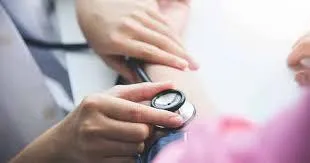
  • Postpartum High Blood Pressure: What to Expect After Delivery at Lopmudra Hospital

    Postpartum High Blood Pressure: What to Expect After Delivery at Lopmudra Hospital

    What Happens to High Blood Pressure After Delivery?


    Navigating through pregnancy is a transformative experience for many women, filled with excitement and anticipation. However, it can also bring along various health challenges, one of which is hypertension or high blood pressure, commonly referred to as postpartum hypertension. Understanding what happens to high blood pressure after delivery is crucial for both expectant mothers and healthcare professionals. This blog aims to delve into the intricacies of postpartum hypertension, providing insight into its causes, symptoms, treatment options, statistics, and more specifically, the support and services provided by the Lopmudra Hospital Chain.


    Understanding Hypertension During Pregnancy

    Hypertension during pregnancy is classified into several categories:

    • Chronic Hypertension: High blood pressure present before pregnancy or diagnosed before the 20th week of gestation.
    • Gestational Hypertension: High blood pressure that develops after the 20th week of pregnancy without protein in the urine or other signs of damage.
    • Preeclampsia: A serious condition characterized by high blood pressure and signs of damage to other organ systems, often accompanied by protein in the urine.

    The prevalence of postpartum hypertension varies, with studies indicating that about 5-10% of women will experience high blood pressure in the postpartum period. Understanding your condition and working closely with a hypertension specialist can help prevent serious complications following delivery.


    Causes of High Blood Pressure After Delivery

    Several factors can contribute to high blood pressure in the postpartum phase, including:

    • Fluid Retention: After delivery, women often retain excess fluid, which can contribute to elevated blood pressure levels.
    • Hormonal Changes: The rapid shift in hormones after delivery can lead to fluctuations in blood pressure.
    • Stress and Fatigue: The physical and emotional stress of childbirth and caring for a newborn can affect blood pressure.
    • Weight Gain: Weight gained during pregnancy can pose risks for hypertension if not managed appropriately after delivery.

    It is essential to have regular check-ups with your healthcare provider, especially if you had high blood pressure during pregnancy or if you notice any symptoms after delivery. At Lopmudra Hospital Chain, our specialists emphasize proactive monitoring and preventive measures to ensure maternal well-being.


    Symptoms of Postpartum Hypertension

    Recognizing the symptoms of postpartum hypertension is vital for timely intervention. Common signs may include:

    • Severe Headaches: Unexplained and persistent headaches that do not respond to usual pain relief methods.
    • Changes in Vision: Blurred or impaired vision may be an alarming sign.
    • Shortness of Breath: Difficulty breathing or feelings of chest pressure can indicate serious issues.
    • Swelling: Noticeable swelling in the face and hands can reflect fluid retention and hypertension.

    If you experience any of the above symptoms, it is crucial to seek medical assistance promptly. Our team at Lopmudra Hospital Chain ensures rapid response and supportive care during these critical moments.


    Monitoring Blood Pressure After Delivery

    It is essential to closely monitor blood pressure levels in the days and weeks following delivery. A healthcare provider will typically check your blood pressure during routine postpartum visits, especially if you had high blood pressure while pregnant. The following practices are vital for effective monitoring:

    • Home Monitoring: Using a home blood pressure monitor can help you track your levels in a comfortable setting. If you develop new symptoms or your readings are consistently high, it’s essential to contact your healthcare provider.
    • Follow-Up Appointments: Regular check-ups after delivery will allow your healthcare team to assess how well you are recovering and managing blood pressure.
    • Educate Yourself: Understanding target blood pressure numbers and lifestyle modifications can empower you in maintaining healthy levels.

    At Lopmudra Hospital Chain in Pune, our expertise in women’s health services positions us to offer tailored advice and support for postpartum recovery, ensuring optimal wellness for mothers.


    Treatment Options for Postpartum Hypertension

    Treatment for postpartum hypertension may vary based on the severity and underlying causes of the condition. Options include:

    • Lifestyle Modifications: Simple changes such as a low-sodium diet, regular exercise, and weight management can significantly impact blood pressure levels.
    • Medications: Your healthcare provider may prescribe antihypertensive medications to control blood pressure effectively, especially if lifestyle changes are insufficient.
    • Monitoring and Regular Consultations: Regular follow-ups with a healthcare provider can help to identify any necessary changes or interventions promptly.

    If you’re seeking the best maternity care in Pune, our professional team is equipped to handle various health concerns, customizing treatment plans specific to each patient’s needs.


    Managing Blood Pressure Post-Delivery: Tips for New Mothers

    Women can adopt several practical strategies to manage blood pressure after delivery effectively. Here are some proven techniques:

    • Stay Hydrated: Adequate water intake can help reduce fluid retention and keep hypertension at bay.
    • Balanced Diet: Emphasize a healthy diet rich in fruits, vegetables, lean proteins, and whole grains while minimizing processed foods and sugar.
    • Engage in Physical Activity: Gentle exercises like walking or yoga can help regulate blood pressure and improve recovery.
    • Prioritize Mental Health: Postpartum stress and anxiety can influence blood pressure. Consider relaxation techniques such as mindfulness or seeking professional support if needed.

    With health services dedicated to women at Lopmudra Hospital Chain, our focus remains on holistic maternal health, guiding new mothers towards a healthier lifestyle.


    Statistics on Postpartum Hypertension

    The statistics surrounding postpartum hypertension underscore the importance of awareness and management. According to recent studies:

    • Approximately 12-20% of women develop high blood pressure during their postpartum period.
    • A significant proportion, about 30%, of women with gestational hypertension experience persistent hypertension after delivery.
    • Maternal complications related to high blood pressure can increase the risk of cardiovascular diseases later in life.

    Given these alarming figures, being proactive with healthcare appointments is critical. At Lopmudra Hospital, we are committed to following up our mothers to safeguard their health beyond pregnancy.


    Conclusion: Navigating Postpartum Health Concerns

    Recognizing and addressing high blood pressure after delivery is vital for the health of new mothers. The journey doesn’t end once the baby is born; rather, it transitions into a new chapter requiring attentiveness to health changes and proactive measures. With appropriate support, education, and medical guidance, managing postpartum hypertension can certainly be achievable.

    If you or someone you know is experiencing concerns related to postpartum hypertension, consult with a maternal health expert in Pune. The experienced providers at Lopmudra Hospital Chain are here to assist you, ensuring that you receive the best maternity care. For appointments or inquiries, do not hesitate to reach out at +918087122022 or via WhatsApp at 918379033033. Remember, your health is our priority!


    This article was written by Dr. Archana Salve, sharing insights based on professional experience in the field.

  • Managing Postpartum Hypertension: Effective Treatments for New Mothers at Lopmudra Hospital

    Managing Postpartum Hypertension: Effective Treatments for New Mothers at Lopmudra Hospital

    Understanding High Blood Pressure After Birth


    High blood pressure, or hypertension, is a condition that can affect women after childbirth, also known as postpartum hypertension. This condition can manifest as either pre-existing hypertension that persists after delivery or develop after the birth, and it can lead to significant health complications if left untreated. At Lopmudra Hospital Chain Pune, we are committed to providing comprehensive maternal care, ensuring that any health issues following delivery are addressed promptly and effectively.

    Postpartum hypertension can be classified into several categories, including gestational hypertension and preeclampsia. Understanding these classifications is crucial, as they can influence treatment and recovery strategies. Statistics indicate that approximately 6% to 8% of women develop hypertension postpartum, emphasizing the importance of monitoring blood pressure during this period.


    Causes of High Blood Pressure After Giving Birth

    The causes of postpartum high blood pressure can be varied and complex. Common factors contributing to this condition include:

    • Hormonal Changes: After delivery, a woman’s body undergoes significant hormonal shifts. These changes can affect blood pressure regulation.

    • Fluid Retention: Many women experience swelling and fluid retention after childbirth, which can temporarily raise blood pressure levels.

    • Preexisting Conditions: Women with a history of hypertension or preeclampsia during pregnancy may have an increased risk of postpartum hypertension.

    • Stress and Fatigue: The stress of new motherhood and physical fatigue can also contribute to elevated blood pressure readings.

    Recognizing these causes can help healthcare providers at Lopmudra Hospital Chain Pune more accurately assess and monitor new mothers for potential health issues following childbirth.


    Signs and Symptoms to Watch For

    Women experiencing high blood pressure postpartum may exhibit several symptoms. Being vigilant about these signs is essential for early detection and intervention:

    • Headaches: Persistent headaches that do not resolve with over-the-counter pain relief may indicate elevated blood pressure.

    • Blurred Vision: Changes in vision, including blurriness or seeing spots, can signal complications related to high blood pressure.

    • Swelling: While some swelling is normal after childbirth, excessive swelling of the hands, feet, or face should be evaluated.

    • Chest Pain: Chest pain or difficulty breathing requires immediate medical attention as it could indicate serious complications.

    If you experience any of these symptoms after giving birth, contact Lopmudra Hospital Chain Pune to schedule a follow-up consultation and ensure a healthy recovery.


    Diagnosis of Postpartum Hypertension

    Diagnosing high blood pressure post-delivery typically involves a combination of health assessments and monitoring techniques:

    • Blood Pressure Measurements: Regular monitoring of blood pressure is crucial during postpartum check-ups. Blood pressure exceeding 140/90 mmHg is typically considered hypertensive.

    • Medical History Review: A thorough review of the mother’s medical history, including any previous pregnancy complications, will help clinicians identify risk factors.

    • Laboratory Tests: In some cases, additional tests, such as blood tests and urine tests, may be required to assess kidney function and rule out complications.

    At Lopmudra Hospital Chain Pune, our healthcare specialists ensure a thorough assessment to accurately diagnose and implement an effective treatment plan for managing postpartum hypertension.


    Treatment Options for High Blood Pressure After Giving Birth

    Treatment for high blood pressure postpartum is essential in preventing complications for both the mother and the baby. The treatment approach typically involves both lifestyle modifications and medical intervention.

    Lifestyle Modifications

    Implementing healthy lifestyle changes can significantly aid in managing blood pressure levels. Recommendations include:

    • Dietary Changes: A balanced diet rich in fresh fruits, vegetables, whole grains, and lean proteins can promote heart health. Reducing salt intake and avoiding processed foods will also be beneficial.

    • Regular Exercise: Engaging in moderate exercise, such as walking or postpartum yoga, can help reduce blood pressure. Always consult with your clinician before initiating any exercise regimen.

    • Hydration: Drinking adequate water can help reduce fluid retention and support overall wellness.

    • Stress Management: Techniques such as breathing exercises, meditation, and seeking support from loved ones can assist in managing stress.

    Medications

    In some cases, medication may be necessary to manage high blood pressure effectively. Common medications prescribed include:

    Medication Type How It Works Possible Side Effects
    Diuretics Helps the body eliminate excess sodium and water. Dizziness, dehydration
    ACE Inhibitors Relaxes blood vessels by inhibiting enzyme activity. Low blood pressure, cough
    Beta-blockers Reduces heart rate and workload on the heart. Fatigue, cold hands/feet

    Medication should always be managed and monitored by a qualified healthcare provider to ensure optimal dosing and oversight of potential side effects.

    Our team at Lopmudra Hospital Chain Pune is dedicated to providing individualized treatment plans centered around the health of both mother and child, offering support and guidance every step of the way.


    Postpartum Care and Monitoring

    Postpartum care is vital for all new mothers, particularly those experiencing high blood pressure. It’s essential to schedule regular follow-up appointments to monitor blood pressure and adjust treatment plans as necessary.

    • Routine Appointments: Following childbirth, regular check-ups should take place during the first six weeks postpartum. Blood pressure should be monitored at each visit to assess any needed adjustments.

    • Self-Monitoring: New mothers should consider investing in a home blood pressure monitor to keep track of their readings in between appointments, ensuring that any concerning trends can be addressed promptly with healthcare providers.

    It’s important to stay informed and proactive about postpartum health. Utilize resources available through Lopmudra Hospital Chain Pune to gain access to educational materials and support groups specific to postpartum care and hypertension.


    Long-Term Outlook for Women with Postpartum Hypertension

    For many women, postpartum hypertension resolves within a few weeks to months following delivery. However, it is vital to be aware that women who have experienced high blood pressure postpartum are at an increased risk of developing hypertension in the future. Statistics reveal that about 20% to 50% of women with a history of gestational hypertension will experience chronic hypertension later in life.

    Regular health check-ups and blood pressure monitoring are essential as part of long-term management. Educating oneself about heart health, maintaining a balanced lifestyle, and adhering to follow-up appointments can all contribute to enduring heart health postpartum.

    At Lopmudra Hospital Chain Pune, we are dedicated to providing patients with the resources and support necessary for long-term health so that every mother can thrive well after childbirth.


    Conclusion: Your Health After Birth Matters

    Navigating the complexities of postpartum health, including managing high blood pressure, is crucial for your overall well-being. As a new mother, prioritizing your health directly impacts your ability to care for your newborn and enjoy this precious time.

    If you have concerns regarding high blood pressure postpartum or would like to learn about our maternity services in Pune, contact Lopmudra Hospital Chain Pune at +918087122022 or reach out via WhatsApp at 918379033033. Our team of experienced professionals, including some of the best gynecologists in Pune, is here to support you through safe postpartum recovery.


    This article was written by Dr. Archana Salve, sharing insights based on professional experience in the field.