What is COPD and Bronchitis?
Chronic Obstructive Pulmonary Disease (COPD) and bronchitis are two respiratory conditions that can cause significant difficulties for those who suffer from them. While they may share some similarities, such as chronic coughing and difficulty breathing, they are distinct diagnoses with different implications for treatment and management.
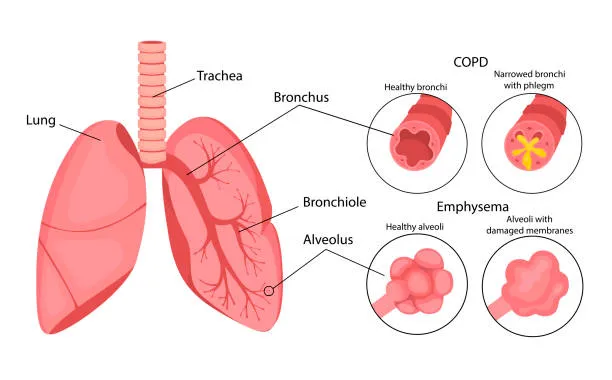
COPD is an umbrella term that encompasses several progressive lung diseases, including emphysema and chronic bronchitis. It is characterized by long-term respiratory symptoms and airflow limitation. On the other hand, bronchitis refers specifically to inflammation of the bronchial tubes, which can be acute or chronic in nature. Understanding these differences is crucial for effective diagnosis and treatment, as early intervention can significantly improve quality of life and lung function. At Lopmudra Hospital Chain, our dedicated team of respiratory specialists is here to offer precise diagnoses and tailored treatment options for patients in need.
Understanding Chronic Obstructive Pulmonary Disease (COPD)
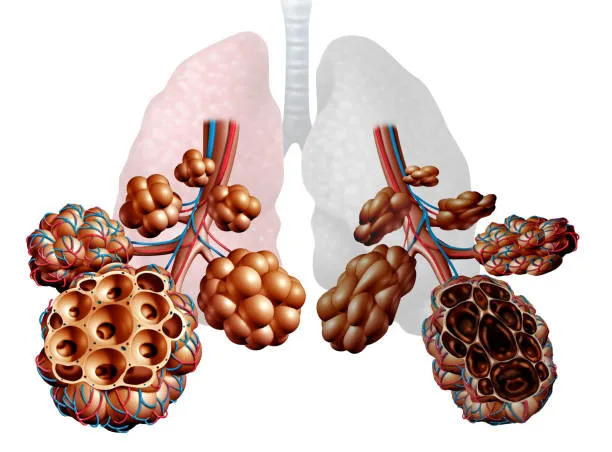
Chronic Obstructive Pulmonary Disease is primarily caused by long-term exposure to harmful particles or gases, most commonly from smoking. COPD includes two main types: chronic bronchitis, which is characterized by chronic cough and sputum production, and emphysema, which involves the destruction of the lung’s air sacs (alveoli). Together, these conditions lead to noticeable symptoms such as shortness of breath, wheezing, and chest tightness.
According to the World Health Organization (WHO), COPD is the third leading cause of death worldwide. In India alone, millions suffer from this disease, highlighting the importance of awareness and management strategies. Effective management involves both lifestyle changes and medical interventions like bronchodilators, inhaled steroids, and pulmonary rehabilitation. For those seeking treatment, Lopmudra Hospital Chain is among the best hospitals for cardiac care in your area, also addressing pulmonary concerns with expertise.
What is Chronic Bronchitis?
Chronic bronchitis is a specific form of COPD characterized by a persistent cough that produces mucus for at least three months in two consecutive years. It is usually caused by long-term exposure to irritants such as tobacco smoke, air pollution, chemical fumes, and dust. In individuals with this condition, the bronchial tubes become inflamed and mucus-producing cells increase in number, leading to airway obstruction and difficulty in breathing.
Symptoms often include a chronic cough, increased mucus production, wheezing, and difficulty in breathing, especially during physical activity. Managing chronic bronchitis typically involves lifestyle changes—primarily smoking cessation—and medications that may include bronchodilators and corticosteroids. If you experience persistent symptoms, it’s important to consult with a healthcare provider, ideally at a facility known for its respiratory health expertise, like Lopmudra Hospital Chain.
Key Differences Between COPD and Bronchitis
While bronchitis can be a component of COPD, not all cases of bronchitis indicate the presence of COPD. The following table illustrates key distinctions between the two conditions to help clarify their differences:
| Aspect | COPD | Bronchitis |
|---|---|---|
| Definition | Progressive lung disease including emphysema and chronic bronchitis. | Inflammation of the bronchial tubes, can be acute or chronic. |
| Causes | Primarily due to smoking, environmental factors, and genetic predisposition. | Often caused by smoking, air pollution, and respiratory infections. |
| Symptoms | Chronic cough, shortness of breath, and wheezing. | Persistent cough, increased mucus, wheezing, and chest discomfort. |
| Treatment | Medication, pulmonary rehabilitation, lifestyle changes. | Bronchodilators, corticosteroids, lifestyle modifications. |
| Prognosis | Progressively worsens over time; requires ongoing management. | May improve with treatment and lifestyle changes. |
This comparison highlights that while bronchitis is often a symptom or aspect of COPD, it can exist independently as well. Accurate assessment by a healthcare professional can guide treatment recommendations effectively.
Common Symptoms of COPD and Bronchitis
Recognizing the signs and symptoms of both COPD and bronchitis is essential for early diagnosis and treatment. Common symptoms for both conditions can often overlap, creating confusion for patients and healthcare providers alike.
- Chronic Cough: A hallmark symptom in both conditions, it may worsen over time.
- Mucus Production: Excess mucus production is indicative of bronchitis but can also be common in advanced stages of COPD.
- Shortness of Breath: Patients may experience difficulty breathing, especially during physical exertion.
- Wheezing: A high-pitched whistle sound when exhaling is typically associated with airway obstruction.
Patients may not recognize these symptoms as serious until they significantly interfere with daily activities. Early intervention at facilities such as Lopmudra Hospital Chain can lead to improved outcomes and enhance the quality of life for patients.
Diagnosis of COPD and Bronchitis
Diagnosis of COPD and bronchitis starts with a thorough evaluation of the patient’s medical history, symptoms, and potential risk factors such as smoking history and environmental exposures. Healthcare providers typically perform one or more diagnostic tests, which may include:
- Pulmonary Function Tests (PFTs): These tests measure lung function, helping to determine airflow limitations.
- Chest X-ray: This imaging test helps detect other lung conditions and rule out other potential causes of symptoms.
- CT Scan: A more detailed imaging test that can provide insights into lung structure and help in identifying COPD stages.
- Arterial Blood Gas Tests: These assess oxygen and carbon dioxide levels in the blood, giving insight into lung performance.
At Lopmudra Hospital Chain, dedicated pulmonologists use advanced diagnostic tools to ensure accurate diagnoses and develop personalized treatment strategies to enhance patient outcomes.
Treatment Options for COPD and Bronchitis
Effective management of both COPD and bronchitis is vital to minimizing symptoms and preventing complications. Treatment plans may consist of a combination of medications, lifestyle changes, and other interventions. Here’s a summary of common options for each condition:
| Treatment Type | COPD | Bronchitis |
|---|---|---|
| Medications | Bronchodilators, inhaled corticosteroids, and phosphodiesterase-4 inhibitors. | Bronchodilators and oral corticosteroids as needed. |
| Smoking Cessation | Critical for slowing disease progression. | Essential for recovery and prevention of further damage. |
| Lifestyle Changes | Regular exercise and avoiding pollutants. | Rest and avoiding respiratory irritants. |
| Rehabilitation | Pulmonary rehabilitation programs to enhance lung function. | Guided exercise programs can also be beneficial. |
Successful management requires a comprehensive approach tailored to individual needs. This might involve medications, rehabilitation, and lifestyle modifications. The expert team at Lopmudra Hospital Chain is well-versed in multi-faceted treatment approaches, ensuring patients receive holistic care throughout their treatment journey.
Living with COPD and Bronchitis
Living with COPD and bronchitis can be challenging, especially as symptoms can fluctuate in severity. Patients often find it difficult to complete daily activities, and thus, support from healthcare professionals is crucial. The following strategies can help manage everyday life while living with these conditions:
- Regular Monitoring: Keeping a daily log of symptoms can help track the condition’s progression and inform discussions with healthcare providers.
- Physical Activity: Regular exercise, as recommended by doctors, can strengthen respiratory muscles and improve lung function.
- Nutritional Care: A balanced diet can provide the necessary energy needed for coping with symptoms and recovery.
- Support Systems: Establishing a network of family, friends, and support groups can provide emotional and practical support.
By adopting these strategies, patients can significantly improve their quality of life and mobility. At Lopmudra Hospital Chain, we prioritize comprehensive care that extends beyond treatment to support patients and their families as they navigate living with chronic lung conditions.
Conclusion
Understanding the differences between COPD and bronchitis is vital for anyone experiencing respiratory symptoms. These conditions, although related, warrant distinct treatment strategies and management plans. At Lopmudra Hospital Chain, our dedicated team is committed to providing precise diagnoses and effective treatments tailored to individual needs. If you or a loved one is suffering from chronic cough or breathlessness, we encourage you to seek medical advice promptly. With early intervention, it is possible to significantly improve quality of life and health outcomes.
Regular consultations with our healthcare providers can provide ongoing support, develop customized management plans, and help patients maintain a high quality of life. Don’t hesitate to reach out to us at Lopmudra Hospital Chain to schedule an appointment today!
This article was written by Dr. Sneha Tirpude, sharing insights based on professional experience in the field.