Category: Uncategorized

  • Can Gallstones Be Removed by Laparoscopy? Lopmudra: Laparoscopic Cholecystectomy Explained

    Can Gallstones Be Removed by Laparoscopy? Lopmudra: Laparoscopic Cholecystectomy Explained

    Can we remove stones in a gall bladder by laparoscopy?

    Gallstones affect millions worldwide and are a frequent cause of abdominal pain, inflammation, and emergency hospital admissions. Patients in Pune and surrounding areas often ask a straightforward question: can gallbladder stones be removed using laparoscopy? This blog answers that question in detail and walks you through causes, symptoms, treatment options, alternatives, risks, recovery, costs and how to choose the right team for care in Pune — especially at Lopmudra Hospital, Swargate.

    We will discuss the most commonly performed procedure — laparoscopic cholecystectomy — and compare it with open surgery, endoscopic approaches, and non-surgical methods. Along the way you’ll find practical advice for preoperative preparation, postoperative recovery, typical costs in Pune, insurance considerations, and how to book an appointment at Lopmudra Swargate. If you’re searching for terms like “gallstone surgery in Pune”, “laparoscopic gallbladder surgery in Pune”, or “best gallstone surgeon in Swargate Pune”, this guide is tailored for you.


    What are gallstones and why do they form?

    Gallstones (cholelithiasis) are hardened deposits that form in the gallbladder, a small pear-shaped organ located under the liver that stores bile. Bile is a digestive fluid produced by the liver that helps digest fats. Gallstones vary in size from tiny grains to stones several centimetres across and are commonly composed of cholesterol or pigment material.

    The formation of gallstones is influenced by multiple factors:

    • Cholesterol supersaturation: When bile contains too much cholesterol relative to bile salts, crystals can form and grow into stones.
    • Bile salt imbalance: An imbalance in bile acids and phospholipids can reduce the solubility of cholesterol.
    • Gallbladder stasis: Poor emptying of the gallbladder (stasis) allows bile to concentrate and promotes stone formation. Conditions that slow gallbladder emptying include pregnancy, rapid weight loss, and certain medications.
    • Genetics and demographics: Certain genetic backgrounds and family histories increase risk. Globally, gallstones are more common in women, people over 40, those with obesity, and in some ethnic groups.
    • Other medical conditions: Diabetes, cirrhosis, haemolytic anaemias and disorders that increase bilirubin can predispose to pigment stones.

    Global and local outlook: Worldwide, up to 10–20% of adults may have gallstones detected on imaging, though many remain asymptomatic. In India, the prevalence varies by region, but urban areas such as Pune show increasing incidence due to changes in lifestyle, diet and obesity rates. Recent population studies indicate that symptomatic gallstones requiring treatment are rising in metropolitan Indian cities, including Pune, reflecting a combination of dietary westernization and longer life expectancy.


    What symptoms do gallstones cause and when should you seek care?

    Many people with gallstones are asymptomatic and discover them incidentally on ultrasound. However, when stones move or obstruct the cystic duct or common bile duct, symptoms can be dramatic. Knowing when to seek immediate care is crucial.

    Common symptoms associated with gallstones include:

    • Biliary colic: A sudden, severe pain in the upper-right abdomen or epigastrium that may radiate to the right shoulder or back. This pain typically lasts from 30 minutes to several hours and often follows a heavy or fatty meal.
    • Nausea and vomiting: Frequently accompany biliary colic and can be severe.
    • Jaundice: Yellowing of the skin and eyes if a stone blocks the common bile duct (choledocholithiasis).
    • Fever and chills: Suggestive of an infection such as acute cholecystitis (gallbladder inflammation) or ascending cholangitis — conditions that require urgent treatment.
    • Chronic symptoms: Recurrent, less severe abdominal discomfort, bloating, intolerance to fatty foods and indigestion can indicate gallbladder dysfunction.

    When to seek immediate attention:

    • Severe, persistent abdominal pain not relieved by over-the-counter analgesics
    • Fever with rigors and abdominal pain (possible infection)
    • New onset of jaundice or dark urine and pale stools
    • Prolonged vomiting leading to dehydration

    In Pune, emergency departments and general surgery units frequently handle these presentations. If you experience the above symptoms, prompt evaluation by a general surgeon or emergency physician is important. At Lopmudra Hospital, Swargate, emergency gallstone surgery services are available for acute cholecystitis and related complications — search for “emergency gallstone surgery in Pune” or call +918087122022 / WhatsApp 918379033033 for urgent guidance.


    Can we remove gallbladder stones by laparoscopy? understanding laparoscopic cholecystectomy

    The short answer is: yes — in the vast majority of patients, stones in the gallbladder are removed by removing the gallbladder itself through a minimally invasive operation called laparoscopic cholecystectomy. This procedure is the gold standard for symptomatic gallstones and symptomatic gallbladder disease. Laparoscopy does not typically remove stones while leaving the gallbladder in place; rather, the gallbladder containing stones is removed entirely to prevent recurrence and complications.

    Why remove the whole gallbladder?

    • Most gallbladder stones are caused by gallbladder dysfunction and bile composition, so removing the gallbladder eliminates the environment that creates stones and prevents recurrence.
    • Leaving a gallbladder with stones in place risks recurrent pain, cholecystitis, and potentially dangerous complications such as gallbladder perforation or pancreatitis.

    Laparoscopic cholecystectomy in Pune: This minimally invasive approach is widely available in Pune and is often labelled in patient searches as “laparoscopic gallbladder surgery in Pune” or “laparoscopic cholecystectomy in Pune.” Experienced general surgeons, including top general surgeon teams at Lopmudra Swargate, perform this procedure routinely with low complication rates, shorter hospital stays, and quicker recovery compared with open surgery.

    How the procedure treats stones:

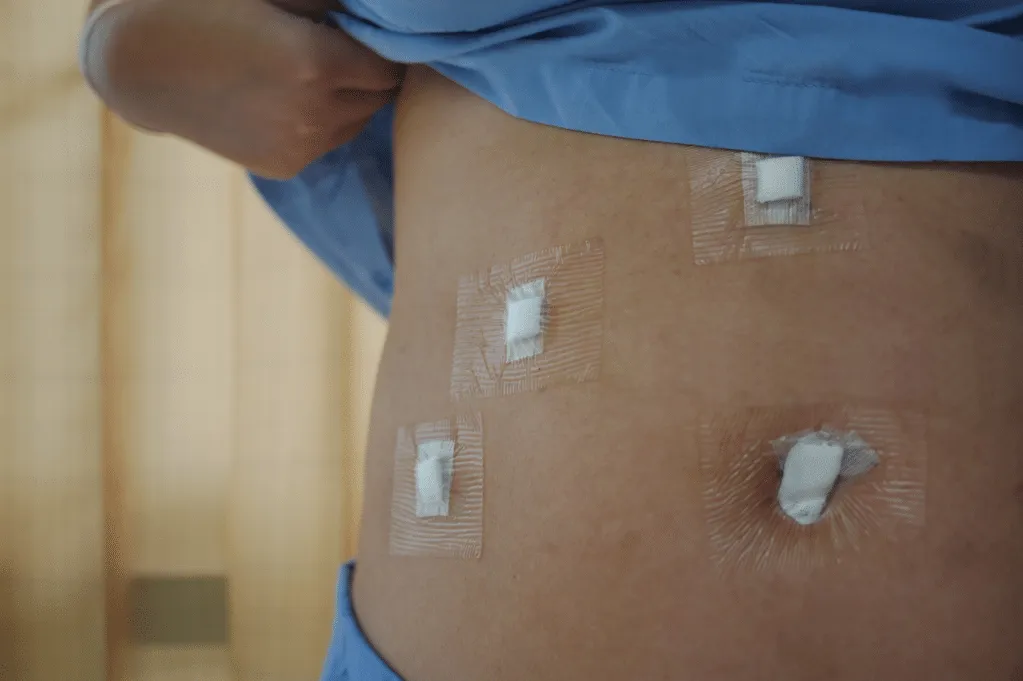
    • Under general anaesthesia, the surgeon makes several small incisions (5–12 mm) in the abdomen.
    • A camera (laparoscope) is inserted to visualise the gallbladder and surrounding structures.
    • The cystic duct and artery are clipped and divided, and the gallbladder is dissected off the liver bed and removed with its contents (stones) intact.

    For stones lodged in the common bile duct (choledocholithiasis), laparoscopic cholecystectomy alone may not be sufficient. In such cases, endoscopic retrograde cholangiopancreatography (ERCP) with stone extraction — often performed before or after lap chole — is the preferred approach. Combined care is commonly offered by multidisciplinary teams in Pune hospitals.


    Comparing treatment options: laparoscopic cholecystectomy, open surgery, ERCP, and non-surgical methods

    Choosing the best treatment depends on stone location, symptoms, overall health, and the presence of complications. The most common comparison is between minimally invasive (laparoscopic) and traditional open cholecystectomy. When stones obstruct the common bile duct, ERCP is compared with surgical exploration. For completeness, non-surgical alternatives exist but are limited in use.

    Procedure type Benefits Recovery time
    Laparoscopic cholecystectomy Less pain, smaller scars, lower infection risk, shorter hospital stay Typically 1–2 weeks to resume normal activities; full recovery 4–6 weeks
    Open cholecystectomy Better access in complex anatomy, useful in severe inflammation or previous surgeries 4–6 weeks hospital recovery, 6–12 weeks for full convalescence
    ERCP with stone extraction Removes stones from common bile duct without gallbladder removal; effective for obstructive jaundice Outpatient to 1–2 days recovery; may be combined with lap chole
    Oral dissolution therapy / shockwave lithotripsy Non-surgical, preserves gallbladder; limited to cholesterol stones and specific patients Months of therapy; variable success with high recurrence rates

    Key takeaways:

    • Laparoscopic cholecystectomy is the preferred option for symptomatic gallstones and most gallbladder diseases. It addresses the root cause by removing the gallbladder.
    • Open cholecystectomy remains necessary when laparoscopic access is unsafe or in emergency surgery with severe inflammation, previous complex abdominal surgeries or uncontrolled bleeding.
    • ERCP is an endoscopic approach that removes stones from the common bile duct and is often used in conjunction with laparoscopic cholecystectomy when both the gallbladder and bile duct are involved.
    • Non-surgical options have limited roles and are rarely used as definitive management in modern practice due to recurrence and limited indications.

    Who is a good candidate for laparoscopy? preoperative assessment and preparation

    Most patients with symptomatic gallstones and uncomplicated acute cholecystitis are candidates for laparoscopic cholecystectomy. However, candidacy requires careful preoperative assessment by a general surgeon and anaesthesiologist.

    Preoperative workup commonly includes:

    • Medical history and physical exam: A full review of symptoms, prior abdominal surgeries, comorbidities (diabetes, heart disease), and medication use (especially blood thinners).
    • Blood tests: Complete blood count, liver function tests, coagulation profile and serum electrolytes to evaluate for infection, jaundice or bleeding risk.
    • Imaging: Abdominal ultrasound is the first-line test to detect gallstones and gallbladder inflammation. If a common bile duct stone is suspected, MRCP (magnetic resonance cholangiopancreatography) or ultrasound with liver function correlation, and sometimes CT, may be ordered. ERCP may be diagnostic and therapeutic when common duct stones are present.
    • Cardiac and anaesthesia evaluation: Older patients or those with heart/lung disease may require additional testing such as ECG, echocardiography or pulmonology clearance.

    Preparing for surgery:

    • Fasting for 6–8 hours before general anaesthesia.
    • Stopping or adjusting anticoagulant and antiplatelet medications per surgeon and cardiology advice.
    • Optimising control of chronic illnesses (e.g., good blood sugar control for diabetics).
    • Arranging post-discharge transport and support, especially for the first 24–48 hours after surgery.

    In Pune, many hospitals including Lopmudra Swargate provide a dedicated preoperative clinic where surgeons and nurses review tests, explain the procedure, and answer questions about recovery, expected outcomes and costs. If you are searching for the “best general surgeon in Swargate Pune” or “lap chole in Swargate”, ask about preoperative pathways and multidisciplinary coordination for ERCP if needed.


    What happens during the operation? step-by-step procedural details

    Understanding the steps of laparoscopic cholecystectomy can relieve anxiety and help you set recovery expectations. Below is a patient-friendly description of the usual intraoperative course.

    1. Anaesthesia and positioning:

    • The patient receives general anaesthesia and is positioned supine on the operating table. Pneumatic stockings or devices may be applied to reduce clot risk during surgery.

    2. Port placement and insufflation:

    • The abdomen is gently inflated with carbon dioxide to create working space. Four small ports (incisions) are typically made: one for the camera near the belly button and three additional ports for instruments.

    3. Identification and clipping:

    • The surgeon carefully dissects Calot’s triangle to identify and isolate the cystic duct and cystic artery. These structures are clipped and divided to prevent bleeding and bile leakage.

    4. Gallbladder removal:

    • The gallbladder is dissected away from the liver bed and placed in a small retrieval bag. The bag is extracted through one of the port sites, containing the stones and preventing contamination.

    5. Inspection and closure:

    • The surgeon inspects for bile leak and any bleeding. Ports are removed, the carbon dioxide released, and small skin incisions closed with sutures, glue or steri-strips.

    Duration and hospital stay:

    • The typical operative time is 45–90 minutes, though complex cases can take longer. Most patients spend 6–24 hours in hospital and are discharged the same day or the following day if stable.

    Laparoscopic cholecystectomy can be converted to open surgery if there is severe inflammation, scarring from prior operations, unclear anatomy, uncontrolled bleeding or other complications. Conversion is a safety decision and not a complication in itself.


    Risks, complications and how they are managed

    Laparoscopic cholecystectomy is a common and safe operation, but like any surgery it carries potential risks. Understanding these risks and the hospital’s protocols for managing them helps patients make informed decisions.

    Common and less common complications include:

    • Pain and wound infection: Most postoperative pain is mild and controlled with oral analgesics. Wound infections are uncommon and treated with antibiotics and wound care.
    • Bile leak: If clips fail or a small duct is injured, bile may leak into the abdomen. Small leaks may resolve with drainage; persistent leaks may require ERCP and stenting or reoperation.
    • Bile duct injury: Although rare, injury to the common bile duct is a serious complication that may require additional surgery or interventional procedures and can lead to long-term issues if not promptly addressed.
    • Bleeding: Typically minimal with laparoscopy, but significant intraoperative bleeding may necessitate blood transfusion or conversion to open surgery to control the source.
    • Thromboembolic events: Deep vein thrombosis or pulmonary embolism risk is low but mitigated with perioperative mobility and prophylaxis in high-risk patients.
    • Pneumonia or anaesthesia-related complications: More common in patients with poor lung function or multiple comorbidities.

    In Pune and at reputable centres like Lopmudra Hospital, Swargate, protocols are in place to minimise risks:

    • Experienced surgical teams and monitoring during anaesthesia
    • Use of critical view of safety technique to reduce bile duct injuries
    • Rapid access to interventional radiology and ERCP services
    • Postoperative monitoring with prompt investigation of fever, jaundice or severe pain

    If complications occur, most are manageable with additional procedures or medical therapy. Prompt recognition and treatment significantly improve outcomes. When searching for “top general surgeon in Pune” or “best gallbladder surgeon in Swargate Pune”, ask about the hospital’s complication rates, availability of ERCP/interventional services and experience managing bile duct injuries.


    Recovery, diet and activity: what to expect after lap chole in Pune

    Recovery after laparoscopic gallbladder surgery is usually rapid, but patients must follow clear guidelines to promote healing and reduce the risk of complications. Recovery timelines can vary depending on age, overall health, and the complexity of surgery.

    Typical recovery milestones:

    • First 24 hours: Pain control with oral analgesics; most patients can stand and take short walks. Light meals may be introduced as tolerated.
    • Discharge: Many patients are discharged the same day or after an overnight stay. Instructions include wound care, prescriptions, and signs to watch for such as fever, increasing pain, nausea, vomiting, jaundice, or wound drainage.
    • 1–2 weeks: Return to light activities and desk work. Most surgical wounds will be healed at the surface and stitches removed if non-absorbable sutures were used.
    • 4–6 weeks: Most patients resume normal activities, exercise and heavier work. Some may experience minor digestive changes initially, such as loose stools or increased flatulence, which usually settle over time.

    Diet after surgery:

    • Start with clear liquids and progress to bland, low-fat foods. Avoid heavy, fried or fatty meals for a few weeks.
    • Gradually reintroduce regular diet based on tolerance. Many patients return to a normal diet without long-term restrictions; the liver still produces bile for digestion.

    Local context and expectations in Pune:

    In Pune, patients often ask about “gallbladder surgery recovery time Pune” or “laparoscopic gallbladder removal recovery time Pune”. Recovery times are similar nationwide but can be faster when patients have access to experienced surgeons, standardised perioperative care and good postoperative support. Hospitals like Lopmudra Swargate provide patient education, physiotherapy advice and follow-up services to optimise recovery and reduce readmissions.


    Costs, insurance and choosing the right surgeon or hospital in swargate, pune

    Cost is an important consideration for many patients. In Pune, gallbladder surgery costs vary with hospital type, surgeon fees, anaesthesia charges, diagnostic tests, length of stay and whether the case is elective or emergency. Many patients search for terms like “cost of gallbladder surgery in Pune”, “lap chole cost in Pune”, “open gallbladder surgery cost Pune” or “affordable gallstone surgery Pune”.

    Procedure Typical cost range in Pune (INR) Notes
    Laparoscopic cholecystectomy (elective) ₹40,000 – ₹1,20,000 Depends on hospital class, implants, anesthesia & investigations
    Open cholecystectomy ₹50,000 – ₹1,50,000 Higher hospital stay & recovery costs
    ERCP with stone extraction ₹15,000 – ₹50,000 (additional) May be outpatient or combined with surgery
    Emergency surgery (complicated cases) ₹60,000 – ₹2,00,000+ Costs increase with ICU care, extended stay or complications

    Insurance coverage:

    • Most health insurance policies in India cover cholecystectomy when medically indicated. Policy specifics vary; pre-authorisation may be required for elective procedures.
    • In Pune, many hospitals including Lopmudra Swargate assist with insurance claims and provide package pricing on request. Patients should confirm co-payments, exclusions, waiting periods and pre-existing disease clauses with their insurer.

    Selecting the right surgeon and hospital:

    • Look for an experienced general surgeon who performs regular laparoscopic cholecystectomies; search for “best gallstone surgeon in Pune” or “best general surgeon in Swargate Pune”.
    • Check hospital credentials, availability of ERCP and interventional radiology, ICU facilities and emergency care.
    • Ask about outcome data, complication rates, and readmission statistics.
    • Verify if the hospital offers bundled packages that include pre-op tests, surgeon, anaesthesia, implants and routine postoperative care — this can simplify billing and insurance claims.

    For appointments, billing queries, or to discuss packages, you can contact Lopmudra Hospital Swargate directly at +918087122022 or WhatsApp 918379033033. Search locally for “lopmudra gallbladder surgery Swargate Pune” or “book gallstone surgery appointment lopmudra Swargate” to expedite bookings.


    Frequently asked questions (faqs) and practical patient tips

    Q: Can stones be removed without removing the gallbladder?

    A: In selected cases, stones within the common bile duct can be removed endoscopically via ERCP while preserving the gallbladder temporarily. However, for symptomatic gallbladder stones, the definitive treatment is removal of the gallbladder (cholecystectomy) to prevent recurrence and complications.

    Q: How soon can I travel after lap chole?

    A: Short domestic travel is usually safe after 1–2 weeks if you are comfortable and have no complications. Avoid heavy lifting and strenuous activity for 4–6 weeks. Long-haul travel should be discussed with your surgeon if you have risk factors for clotting or other comorbidities.

    Q: Will I need lifelong medication after my gallbladder is removed?

    A: Most people do not require lifelong medications. Some patients experience transient changes in bowel habits or require bile acid sequestrants briefly for severe diarrhoea; these are uncommon.

    Q: Is laparoscopic surgery safe for older adults?

    A: Yes, with appropriate preoperative assessment and optimisation, laparoscopy is safe for many older adults and offers the benefit of quicker recovery. Individual risks depend on comorbidities and physiological reserve.

    Practical tips:

    • Bring a list of current medications and recent test results to your pre-op visit.
    • Arrange a responsible adult to accompany you home on discharge.
    • Prepare soft, low-fat meals for the first few days after surgery.
    • Follow wound care instructions and keep port sites clean and dry.
    • Report fever, wound redness, increasing pain, jaundice or persistent vomiting immediately.

    Choosing Lopmudra Swargate for gallstone care in pune: what to expect and how to book

    If you live in Pune and are considering gallstone treatment, Lopmudra Hospital at Swargate offers comprehensive services including outpatient evaluation, ultrasound and diagnostic services, laparoscopic surgery, ERCP coordination and postoperative care. The team includes experienced general surgeons known for delivering high-quality, patient-centred care.

    Why patients choose Lopmudra Swargate:

    • Coordination between surgeons, gastroenterologists and anaesthesiologists for complex cases
    • Availability of emergency cholecystectomy and urgent ERCP when required
    • Support with insurance claims and transparent cost estimates
    • Dedicated preoperative counselling and postoperative follow-up

    How to book:

    • Visit https://lopmudrahospitals.com/ and use the appointment booking portal.
    • Call the Swargate centre at +918087122022 for scheduling, enquiries or triage advice.
    • WhatsApp for quick queries or to share reports at 918379033033.

    If you are searching for “best gallstone surgeon near me Pune” or “lopmudra general surgeon Swargate appointment”, the team at Lopmudra can guide you through investigations, discuss suitable surgical options and provide a personalised care plan.


    Final thoughts: For most patients with symptomatic gallstones, laparoscopic cholecystectomy is the preferred and effective treatment. It removes both stones and the diseased gallbladder, reduces the risk of recurrence, and offers a quicker recovery compared with traditional open surgery. When stones involve the common bile duct, endoscopic and combined approaches are used to ensure complete clearance and safe management. If you live in Pune, particularly around Swargate, and are experiencing symptoms or have been diagnosed with gallstones, consult a qualified general surgeon. Lopmudra Hospital, Swargate, provides coordinated, evidence-based care for gallstones — from emergency management to elective laparoscopic cholecystectomy.

    Need an appointment or urgent advice? Call +918087122022 or WhatsApp 918379033033. Book online at https://lopmudrahospitals.com/.

    This article was written by Dr. Raiba Deshmukh , sharing insights based on professional experience in the field.

  • Laparoscopic Gallstone Surgery Benefits: Faster Recovery & Less Pain — Lopmudra

    Laparoscopic Gallstone Surgery Benefits: Faster Recovery & Less Pain — Lopmudra

    What are the benefits of laparoscopic gallstone surgery?

    Gallstones are a common gastrointestinal problem that can cause pain, infection and complications when left untreated. This detailed guide explains the advantages of laparoscopic gallstone surgery — also known as laparoscopic cholecystectomy — and how this minimally invasive approach compares to other treatment options. If you are searching for gallstone surgery in Pune or wondering about the cholecystectomy cost in Pune, this article will help you make an informed decision. We also describe how Lopmudra Hospital, Swargate, supports patients through diagnosis, treatment and recovery with experienced surgeons and coordinated care.


    What is laparoscopic gallstone surgery?

    Laparoscopic gallstone surgery (laparoscopic cholecystectomy) is a minimally invasive surgical procedure to remove the gallbladder when it contains symptomatic gallstones or causes complications. Unlike an open cholecystectomy that requires a large incision in the abdomen, laparoscopic surgery uses several small incisions (usually 3–4), a camera (laparoscope) and specialized instruments to visualize and safely excise the gallbladder.

    The procedure is performed under general anesthesia. Through the small incisions, the surgeon inflates the abdomen with carbon dioxide to create working space and then advances the laparoscope to display magnified images on a monitor. The cystic duct and cystic artery are identified, clipped and divided before the gallbladder is detached from the liver bed and removed. The wounds are closed with sutures or skin adhesive.

    Laparoscopic gallbladder removal is the preferred approach for most patients due to its reduced postoperative pain, smaller scars, shorter hospital stays and quicker return to daily activities. In Pune, many hospitals including Lopmudra Swargate offer advanced laparoscopic cholecystectomy performed by experienced general surgeons and gallstone specialists. While the technique is widely applicable, certain situations (for example, severe inflammation, extensive scarring, or unclear anatomy) may require conversion to an open procedure to ensure safety.


    Who needs cholecystectomy? causes, symptoms and diagnosis

    Gallstones form when bile components crystallize inside the gallbladder. Several factors increase the risk, including age, female sex, obesity, diabetes, certain medications, pregnancy and family history. Globally, an estimated 10–15% of adults may have gallstones, though many are asymptomatic. In India, published estimates vary by region and study design, with prevalence figures commonly reported between 2–12%. In urban centers like Pune, dietary patterns and metabolic risk factors contribute to symptomatic presentations seeking treatment at hospitals such as Lopmudra Swargate.

    Indications for cholecystectomy include:

    • Recurrent biliary colic: episodes of severe upper abdominal pain, often after fatty meals.
    • Acute cholecystitis: inflammation of the gallbladder causing persistent pain, fever and elevated white blood cell count.
    • Choledocholithiasis with complications: gallstones in the common bile duct leading to jaundice or pancreatitis.
    • Gallbladder polyps larger than 1 cm or suspicious for malignancy.
    • Porcelain gallbladder or other structural changes increasing cancer risk.

    Symptoms that commonly trigger evaluation for gallstone treatment in Pune include right upper quadrant pain, referred shoulder pain, nausea, vomiting, fever and jaundice. Diagnosis usually begins with clinical assessment and is confirmed with non-invasive imaging:

    • Ultrasound of the abdomen (first-line imaging for gallstones).
    • MRCP or CT when ductal stones or complications are suspected.
    • Blood tests including liver function tests, pancreatic enzymes and full blood count to assess complications.

    Patients in Pune who present to Lopmudra Swargate for evaluation receive individualized care plans: some may be observed if asymptomatic, others will be advised laparoscopic cholecystectomy when symptomatic or complicated disease is present. Emergency gallstone surgery Pune services are available for acute cholecystitis and related emergencies.


    Types of gallbladder surgery: laparoscopic versus open

    There are two principal surgical approaches to remove the gallbladder: laparoscopic (minimally invasive) and open cholecystectomy. Each approach has specific benefits and indications. The laparoscopic approach is used for the majority of elective and many emergency cases, while open surgery is reserved for certain complex situations. The table below compares key features to help patients understand why laparoscopic cholecystectomy is often recommended.

    Procedure type Benefits Recovery time
    Minimally invasive (laparoscopic cholecystectomy) Less postoperative pain, smaller scars, lower infection risk, shorter hospital stay, faster return to work Most patients return to normal activities within 1–2 weeks; many discharged same day or after 24 hours
    Traditional open cholecystectomy Better exposure for complicated anatomy, may be safer in extensive inflammation or malignancy Longer recovery: 2–6 weeks depending on incision and patient factors

    At Lopmudra Hospital in Swargate, surgeons perform both laparoscopic gallbladder surgery and open cholecystectomy when necessary. Surgeons always prioritize safety; conversion from laparoscopic to open surgery may be advised intraoperatively for uncontrolled bleeding, unclear anatomy or dense adhesions.


    What are the benefits of laparoscopic gallstone surgery?

    Laparoscopic gallbladder surgery offers a range of advantages that make it the standard of care for most patients requiring cholecystectomy. Below we detail these benefits, focusing on how they translate into better patient outcomes and experience in settings like Pune and Swargate.

    1. Less postoperative pain and faster mobilization: Smaller incisions mean less tissue trauma and pain. Patients can often sit up, walk and tolerate liquids on the same day, reducing risks of pulmonary complications and deep vein thrombosis.

    2. Shorter hospital stay and same-day surgery options: Many centers in Pune, including Lopmudra, offer early discharge protocols. Selected patients may undergo same day gallbladder surgery Pune and be discharged once vitals are stable and pain is controlled.

    3. Better cosmesis: Small scars are cosmetically preferable compared to the large subcostal incision required in open surgery. This is often important for younger patients and those concerned about visible scarring.

    4. Lower wound infection and fewer complications: Evidence shows lower rates of wound infection and incisional hernia with laparoscopic techniques, especially when performed by skilled surgeons like the best gallstone surgeon in Pune or a best general surgeon in Swargate Pune.

    5. Faster return to normal life and work: Shorter downtime means patients resume work, studies and routine activities sooner — an important consideration for working families in Pune who need minimal disruption.

    6. Precise visualization and reduced blood loss: The magnified view provided by the laparoscope enhances anatomic identification, allowing safer dissection with minimal bleeding.

    7. Lower overall cost when factoring indirect costs: Although hospital charges for laparoscopic procedures can be comparable or slightly higher than open surgery, faster recovery reduces indirect costs like lost wages and prolonged caregiving. That is why many patients searching for affordable gallstone surgery in Pune choose laparoscopic cholecystectomy for better overall value.


    Risks and complications: what to expect and how Lopmudra manages them

    While laparoscopic cholecystectomy is generally safe, patients should understand potential risks and how experienced surgical teams mitigate them. Common and uncommon complications include:

    • Injury to the common bile duct — rare but serious; may require repair or additional procedures.
    • Bleeding from liver bed or vessels — usually controlled intraoperatively.
    • Infection — wound infections are uncommon but managed with antibiotics and wound care.
    • Bile leak — small leaks can be managed conservatively or with endoscopic procedures like ERCP.
    • Conversion to open surgery — safety-driven decision when anatomy is unclear or complications arise.

    At Lopmudra Hospital, Swargate, patient safety is emphasized through:

    • Experienced surgeons who follow standardized protocols and intraoperative checklists.
    • Advanced laparoscopic equipment and imaging to enhance visualization.
    • Availability of endoscopic retrograde cholangiopancreatography (ERCP) and interventional radiology if needed.
    • Postoperative monitoring and early mobilization protocols to reduce complications.

    Epidemiologic data indicate serious complications are uncommon when cholecystectomy is performed by trained teams: the reported incidence of major bile duct injury ranges from 0.1–0.5% in large series. Clear preoperative planning, adherence to the critical view of safety, and timely conversion to open surgery when indicated are important risk reduction strategies. Patients concerned about complication rates should ask their surgeon about experience and institutional outcomes. Lopmudra Swargate provides transparent preoperative counselling, and you can discuss surgeon experience during your gallbladder surgery consultation Lopmudra Swargate.


    What happens during the procedure? pre-op, anesthesia and operative steps

    Understanding the operative journey can reduce patient anxiety and help families prepare. Preoperative assessment typically includes a clinical exam, ultrasound, blood tests and sometimes an MRCP if common bile duct stones are suspected. Medication review and fasting instructions are given. Nearly all laparoscopic cholecystectomies are performed under general anesthesia.

    Typical operative steps:

    • Positioning: The patient is placed supine with slight reverse Trendelenburg to move the intestines away from the operative field.
    • Port placement: 3–4 small incisions are made — usually at the umbilicus, epigastric area and right upper quadrant — and trocar ports are introduced.
    • Pneumoperitoneum: Carbon dioxide gas inflates the abdomen to create space for safe dissection.
    • Identification of anatomy: The gallbladder, cystic duct and cystic artery are identified. The critical view of safety is obtained to reduce bile duct injury risk.
    • Clipping and division: Clips are applied to the cystic duct and cystic artery, which are then divided.
    • Dissection and removal: The gallbladder is dissected from the liver bed and extracted via one of the ports, often the umbilical port.
    • Closure: Instruments are removed, CO2 is evacuated, and incisions are closed with sutures or skin adhesive.

    Operative time varies from 30 minutes to 90 minutes depending on case complexity. If common bile duct stones are present preoperatively, your surgeon may coordinate an ERCP before or after surgery. In emergency situations, laparoscopic cholecystectomy can be performed safely in most acute cholecystitis cases within 72 hours of symptom onset in centers like Lopmudra Swargate that offer emergency gallstone surgery Pune services.


    Recovery and postoperative care: timeline, pain control and return to daily life

    Recovery after laparoscopic gallbladder removal is typically faster than after open surgery, but recovery varies by individual factors such as age, comorbidities and the severity of gallbladder disease. Below is a general timeline and practical guidance for patients in Pune and Swargate.

    Immediate post-op (first 24–48 hours):

    • Pain control: Analgesics (oral or intravenous) provide comfort. Pain is usually mild to moderate and controlled with oral medications after a few hours.
    • Diet: Most patients tolerate a light oral diet within hours; progress as tolerated.
    • Mobility: Early ambulation is encouraged to reduce complications and promote bowel function.

    First 1–2 weeks:

    • Wound care: Keep incisions clean and dry. Showering is usually allowed after 24–48 hours; avoid soaking in baths until wounds heal.
    • Activity: Light activities and short walks are encouraged. Avoid heavy lifting (>5–10 kg) and strenuous exercise for 2–4 weeks per surgeon advice.
    • Follow-up: Clinic review typically at 1–2 weeks to assess healing and remove sutures, if required.

    Long-term (after 2–6 weeks):

    • Return to work: Many patients return to desk jobs within 1–2 weeks; more physically demanding jobs may require 3–4 weeks off.
    • Diet and digestion: Most people tolerate a normal diet after initial recovery. A temporary low-fat diet may reduce post-op digestive changes. Rarely, some patients experience postcholecystectomy diarrhea which often improves with dietary adjustments and time.

    Lopmudra Swargate provides robust postoperative care including postoperative care after gallbladder surgery Pune guidance, physiotherapy if needed and easy access to the surgical team for questions. For emergencies after discharge — such as increasing abdominal pain, fever, jaundice or wound redness — patients should contact the hospital immediately or visit the emergency department. Contact numbers: Phone +918087122022, WhatsApp 918379033033, or book online at Lopmudra Hospitals.


    Costs, insurance and choosing the right surgeon in Pune and Swargate

    Cost is an important factor when choosing where to have gallbladder surgery. In Pune, the gallstone surgery cost varies based on factors such as hospital category, surgeon fees, consumables, anesthesia, length of stay and investigations. Below is an approximate cost comparison commonly seen across Pune to give you a realistic expectation:

    Procedure Typical cost range in Pune (INR) Notes
    Laparoscopic cholecystectomy (elective) ~50,000 – 1,50,000 Depends on hospital class, implants and surgeon experience; many centers offer package pricing
    Open cholecystectomy ~40,000 – 1,20,000 May be lower in some cases but longer hospitalization increases indirect costs
    ERCP (if needed for CBD stones) ~15,000 – 50,000 May be done as a separate procedure before or after surgery

    These are indicative ranges; exact quotes should be obtained from the hospital billing department. Lopmudra Swargate offers transparent pricing and helps patients with package estimates for gallbladder removal surgery Pune. Regarding insurance, many medical insurance policies cover cholecystectomy when medically necessary — patients should check with their insurer and provide required documentation. Lopmudra’s administrative team can assist with insurance preauthorization and paperwork to streamline admissions.

    How to choose a surgeon:

    • Look for a gallstone specialist in Pune or experienced general surgeon with proven laparoscopic caseloads.
    • Ask about surgeon experience with emergency and complex cases, conversion rates, and complication statistics.
    • Verify hospital infrastructure: 24/7 operating room access, critical care, ERCP availability and postoperative support.

    Searching keywords like best gallstone surgeon in Pune, gallstone surgery hospital in Pune, or gallstone surgery in Swargate Pune can help you find local options. To book an appointment with Lopmudra Swargate for a consultation with a top gallstone surgeon near Swargate, call +918087122022, WhatsApp 918379033033, or visit https://lopmudrahospitals.com/.


    Alternatives to surgery and scenarios for emergency gallstone surgery

    Not all gallstones require immediate surgery. Management depends on symptoms, stone location and complications. Common alternatives or adjuncts include:

    • Conservative management: Observation for asymptomatic gallstones with lifestyle modifications and pain control.
    • Oral dissolution therapy: Rarely used; ursodeoxycholic acid can dissolve cholesterol stones over months to years in selected patients.
    • ERCP with stone extraction: Performed for common bile duct stones before or after cholecystectomy.
    • Percutaneous cholecystostomy: Temporary drainage for critically ill patients who are poor surgical candidates.

    Emergency gallstone surgery is indicated when complications threaten health. Situations that may require urgent intervention include:

    • Acute cholecystitis with uncontrolled pain or sepsis.
    • Gallstone pancreatitis with ongoing obstruction.
    • Suppurative cholecystitis, gangrene or perforation of the gallbladder.
    • Obstructive jaundice from impacted ductal stones causing cholangitis.

    In such emergencies, Lopmudra Swargate provides emergency gallstone surgery Pune services. The benefits of early laparoscopic cholecystectomy in acute cholecystitis — when performed by experienced teams — include reduced complications and shorter overall hospitalization compared to delayed surgery. When immediate surgery is unsafe, temporary measures like percutaneous drainage or endoscopic interventions may stabilize the patient until definitive surgery is feasible.


    How to book a consultation at Lopmudra Swargate and frequently asked questions

    If you are considering laparoscopic gallbladder surgery in Pune or want to explore your options, Lopmudra Hospital, Swargate, offers easy access to consultations, second opinions and emergency care. Steps to book:

    • Call our appointments team at +918087122022.
    • Message on WhatsApp at 918379033033 for quick queries and appointment scheduling.
    • Book online via https://lopmudrahospitals.com/ for clinic times and surgeon availability.

    Common questions patients ask:

    • Is laparoscopic surgery safe for older patients? Yes — age alone is not a contraindication. Careful preoperative assessment and optimization of comorbidities make the procedure safe for many elderly patients.
    • How long will I stay in hospital? Most elective patients leave within 24 hours; select patients may go home the same day.
    • Will I need tests before surgery? Routine blood tests, ultrasound and sometimes ECG or additional imaging are performed based on your health status.
    • Can I drive after surgery? Avoid driving while on narcotic pain medications and until you feel comfortable turning and reacting quickly — typically after 48–72 hours for many patients.

    Lopmudra Swargate is positioned to offer comprehensive gallstone care — from conservative management and ERCP to minimally invasive gallbladder surgery Pune. If you are searching for terms like gallstone doctor in Pune, gallstone surgery near me Pune or top gallstone surgeon near Swargate, please reach out for a personalised consultation.


    Choosing the right treatment for gallstones involves weighing benefits, risks and personal circumstances. For most symptomatic patients, laparoscopic gallbladder surgery offers clear advantages: faster recovery, less pain, smaller scars and excellent long-term outcomes. Lopmudra Hospital, Swargate, provides expert surgical care with a patient-centred approach, transparent pricing, and postoperative support to ensure safe recovery and a quick return to daily life.

    To schedule your consultation for laparoscopic gallbladder surgery in Swargate Pune or to ask about gallstone surgery cost in Swargate Pune, call +918087122022, WhatsApp 918379033033 or visit https://lopmudrahospitals.com/. Our team can guide you through preoperative preparation, insurance queries and postoperative care.

    This article was written by Dr. Raiba Deshmukh , sharing insights based on professional experience in the field. Keep it it


  • Grand inauguration of Lopmudra Meera Hospitals on 4th September 2025.

    Grand inauguration of Lopmudra Meera Hospitals on 4th September 2025.

    Lopmudra Hospitals marked a milestone with the grand inauguration of Lopmudra Meera Hospitals in Pune on 4th September 2025.

    Lopmudra Hospitals, one of the fastest-growing names in healthcare in Pune, officially launched its fifth multispeciality hospital — Lopmudra Meera Hospitals, Pune — on September 4, 2025. This state-of-the-art healthcare institution carries forward the five-decade legacy of the iconic Meera Hospital, now reimagined with world-class infrastructure, modern technology, and comprehensive medical services.

    Located strategically on Shankar Sheth Road, Camp-Swargate, Lopmudra Meera Hospitals is designed to meet the growing demand for quality healthcare in central Pune and nearby neighborhoods. The hospital pays tribute to Meera Hospital’s legacy as a pioneer in mother-and-child care in Pune for over 50 years, while expanding into a wide range of advanced specialties.


    The inauguration ceremony was a landmark event, drawing more than 1,000 attendees, including eminent healthcare professionals, industry leaders, and public figures. Actress Urmila Kanetkar, Brand Ambassador for Lopmudra Hospitals, graced the event alongside the founding team — Dr. Avdhut Bodamwad (Founder & Director), Mrs. Sonali Bodamwad (Director), and Rtn Dr. Aruna Urmanikar (Veteran Gynecologist). Key specialists also present included Dr. Vishal Bhasme (Head of OT & Neurosurgery), Dr. Sandeep S. Morkhandikar (Critical Care & Nephrology), Dr. Archana Salve (OBGY & IVF), and Dr. Sneha Tirpude (Pulmonology & Sleep Medicine).


    With a blend of legacy and innovation, Lopmudra Meera Hospitals in Pune will offer:

    • Comprehensive diagnostic services, OPD, IPD, and surgical care
       
    • Specialized maternity and child healthcare
       
    • 24×7 emergency services with world-class infrastructure
       
    • Preventive and curative specialties for every age group
       

    Speaking at the launch, Dr. Avdhut Bodamwad said: “We are honored to integrate the respected Meera Hospital into the Lopmudra family. With upgraded infrastructure, technology-led operations, and our expert team, Lopmudra Meera Hospitals is committed to providing health, dignity, and care for every generation of Pune residents.”

    Adding to this, Actress Urmila Kanetkar shared: “Being born and raised in Maharashtra, I feel proud to be associated with an institution that combines trust, legacy, and innovation. Lopmudra Meera Hospitals will be a true healing touch for families in Pune.”

    The launch of Lopmudra Meera Hospitals reflects Lopmudra’s mission to deliver accessible, compassionate, and advanced healthcare in Pune, while carrying forward Meera Hospital’s trusted legacy.

    About Lopmudra Hospitals

    Lopmudra Hospitals has emerged as one of Pune’s most trusted healthcare networks, offering a holistic ecosystem of care. With multispeciality hospitals, diagnostics, preventive health programs, senior citizen care, maternal and child wellness, digital health records, and a subscription-based family health model, Lopmudra Hospitals ensures continuity of care across every life stage.


    And these are the press releases where we are featured on:

  • Signs and Symptoms of Asthma: A Guide by Lopmudra Hospital Specialists

    Signs and Symptoms of Asthma: A Guide by Lopmudra Hospital Specialists

    Understanding Asthma: What You Need to Know


    Asthma is a chronic disease that affects the airways in the lungs, resulting in difficulty breathing. It is a condition characterized by inflammation, narrowing, and increased mucus production in the airways, leading to uncomfortable symptoms and potentially life-threatening situations. At Lopmudra Hospital Chain, our team of specialists is dedicated to providing comprehensive care and understanding of asthma, helping you manage your condition effectively. This blog will outline the signs and symptoms of asthma, its causes, available treatments, and effective management strategies.


    What Are the Signs and Symptoms of Asthma?

    Recognizing the signs and symptoms of asthma is crucial for effective management of the condition. While symptoms can vary from person to person, several common symptoms are associated with asthma. Here are the key signs to watch for:

    • Coughing: This symptom often occurs at night or early in the morning and may be triggered by physical activity, laughter, or exposure to cold air.
    • Wheezing: A whistling sound when you breathe, especially during exhalation, indicates that your airways are constricted.
    • Shortness of Breath: You may experience difficulty in breathing or feel out of breath during routine activities.
    • Chest Tightness: Many individuals report a feeling of pressure or constriction in their chest, which can be uncomfortable and alarming.

    If you notice any of these symptoms, particularly when they occur frequently or seem to worsen, it’s essential to consult a healthcare professional. Early diagnosis and intervention are critical for effective asthma management.


    Causes of Asthma: Understanding the Triggers

    Asthma is often caused by a combination of genetic and environmental factors. Identifying specific triggers can significantly aid in managing asthma effectively. Here are some common causes:

    • Allergens: Pollens, dust mites, mold, pet dander, and certain foods can trigger asthma symptoms in sensitive individuals.
    • Respiratory Infections: Viral infections, like the common cold, can exacerbate asthma symptoms, especially in children.
    • Air Pollution: Exposure to pollutants, smoke, or heavy exercise in cold, dry air can trigger the onset of asthma symptoms.
    • Weather Changes: Sudden changes in weather conditions, including humidity and temperature shifts, can provoke asthma attacks.
    • Stress and Emotions: Strong emotions, anxiety, and stress can also trigger symptoms in some individuals.

    Identifying these triggers can help you better manage your environment and reduce the frequency of asthma attacks. It’s advisable to keep a diary noting your symptoms and possible triggers to discuss with your healthcare provider.


    Diagnosis of Asthma: How Is It Confirmed?

    Diagnosing asthma typically involves a combination of a physical examination, medical history, and special tests. If you exhibit symptoms of asthma, your doctor may carry out the following assessments:

    • Physical Examination: The doctor will check your breathing and listen for wheezing or other abnormalities.
    • Medical History: A comprehensive review of your medical history, including family history, will help the doctor identify potential asthma links.
    • Pulmonary Function Tests (PFTs): These tests measure how well your lungs work. A common test is spirometry, which assesses how much air you can exhale after taking a deep breath.
    • Peak Flow Monitoring: You may be instructed to use a peak flow meter at home to measure the maximum speed of your exhalation, which helps monitor your condition.
    • Allergy Testing: Allergy tests can determine if specific allergens trigger your asthma symptoms.

    At Lopmudra Hospital Chain, our dedicated pulmonology team specializes in diagnosing and treating asthma, utilizing cutting-edge technology and evidence-based practices to ensure accurate results and effective treatment plans.


    Treatment Options for Asthma: Managing Your Condition

    While there is no cure for asthma, effective management strategies can help control the condition and keep symptoms at bay. Treatment options generally fall into two categories: long-term control medications and quick-relief medications.

    • Long-term Control Medications: These are taken daily to reduce inflammation, prevent symptoms, and minimize attacks. Examples include inhaled corticosteroids, leukotriene modifiers, and long-acting beta-agonists.
    • Quick-relief Medications: Also known as rescue medications, these are used as needed to relieve acute asthma symptoms. Short-acting beta-agonists are commonly used as quick-relief inhalers.

    Other treatment options may include:

    • Biologics: These targeted therapies are designed for individuals with severe asthma and may involve injectable medications that work by blocking specific pathways involved in the inflammatory response.
    • Allergy Medications: If allergies are a trigger for your asthma, antihistamines or allergy shots may be recommended.
    • Lifestyle Modifications: Implementing changes in lifestyle, such as avoiding triggers, quitting smoking, maintaining a healthy weight, and staying physically active, can help manage asthma effectively.

    Tailoring a personalized treatment plan with your healthcare provider is essential for effective management. The dedicated asthma specialists at Lopmudra Hospital Chain are equipped with the expertise to establish a suitable treatment regimen that fits your unique needs.


    Emergency Situations: Recognizing an Asthma Attack

    Understanding when asthma symptoms escalate into an emergency is essential. Here are key signs that indicate a severe asthma attack or an asthma emergency:

    • Worsening Shortness of Breath: If you are unable to speak in full sentences due to breathlessness, it’s important to seek help immediately.
    • Significant Wheezing: Increasing difficulty in breathing, accompanied by pronounced wheezing, is a red flag.
    • Persistent Coughing: A cough that doesn’t soothe down with the use of reliever inhalers warrants immediate medical attention.
    • Chest Pain: A feeling of tightness or pain in the chest that interferes with your daily activities should be evaluated right away.

    In an asthma emergency, use your quick-relief inhaler as directed and seek professional help immediately. You may be instructed to go to the nearest hospital or call emergency services for assistance. Remember, quick action is key to preventing serious complications.


    Asthma Management Strategies: Living Well with Asthma

    Living with asthma doesn’t have to limit your lifestyle or significantly impact your quality of life. By adopting effective asthma management strategies, you can keep your symptoms under control and enjoy a fulfilling life. Here are some strategies to consider:

    • Track Your Symptoms: Maintaining a symptom diary helps in identifying patterns, triggers, and the effectiveness of treatment.
    • Medication Adherence: Always follow your prescribed treatment plan, and ensure medications are taken as directed by your healthcare provider.
    • Regular Check-ups: Schedule routine follow-ups with your healthcare provider to monitor your asthma control and adjust your treatment plan as needed.
    • Avoid Triggers: Take proactive steps to avoid known allergens and irritants that exacerbate your asthma symptoms.
    • Educate Yourself: Stay informed about your condition and treatments. Knowledge empowers better decision-making for your health.

    Engaging in lifestyle changes, practicing relaxation techniques, and following your healthcare provider’s advice can significantly enhance your asthma management and improve your quality of life.


    The Role of a Pulmonologist in Asthma Care

    Asthma is a complex condition that frequently requires the guidance of a specialist for optimal management. A pulmonologist plays a vital role in diagnosing, treating, and monitoring asthma. Here’s how consultations with a pulmonologist can benefit you:

    • Expert Diagnosis: Pulmonologists have advanced knowledge of respiratory conditions, allowing for accurate diagnosis and differentiation from similar conditions.
    • Customized Treatment Plans: They can develop personalized treatment regimens based on your specific symptoms, triggers, and lifestyle.
    • Ongoing Support: Regular follow-ups with a pulmonologist help track your condition and adapt treatment as your needs change.

    If you’re looking for the best pulmonologist in Pune, look no further than Lopmudra Hospital Chain. Our specialists’ expertise ensures you receive the highest quality of care tailored to your unique situation.


    Conclusion: Take Control of Your Asthma

    Being diagnosed with asthma can be daunting, but with the right knowledge and support, it is a manageable condition. Recognizing the symptoms, understanding the causes, seeking appropriate treatment, and adopting effective management strategies empower individuals living with asthma. At Lopmudra Hospital Chain, we are committed to providing not only superior clinical care but also the emotional support you need in this journey. If you are experiencing symptoms or need assistance managing your asthma, please don’t hesitate to reach out to our experienced team.

    For appointments, you can contact us at +918087122022 or via WhatsApp at 918379033033. Visit our website at Lopmudra Hospitals for more information.


    This article was written by Dr. Sneha Tirpude, sharing insights based on professional experience in the field.

  • Understanding Asthma: Symptoms Explained by Lopmudra Hospital Specialists

    Understanding Asthma: Symptoms Explained by Lopmudra Hospital Specialists

    What is asthma?


    Asthma is a chronic respiratory condition that affects the airways in your lungs, making them inflamed and swollen. This inflammation narrows the airways, causing difficulty in breathing. Many people also experience heightened sensitivity to inhaled substances that can trigger asthma symptoms. These triggers could be allergens like pollen, dust mites, or pet dander, as well as irritants such as smoke and strong odors. Asthma affects people of all ages, but it often begins during childhood.

    Understanding asthma is imperative for managing the condition effectively. At Lopmudra Hospital Chain, we are committed to providing comprehensive care for patients suffering from asthma. Our team includes some of the best pulmonologists in Pune, who specialize in diagnosing and treating chronic respiratory diseases.


    Causes of asthma

    The exact cause of asthma is still not fully understood, but it’s believed to be a combination of genetic and environmental factors. Here are some common causes associated with asthma:

    • Genetics: If you have a family history of asthma or other allergic conditions, you may be at a higher risk.

    • Allergens: Pollen, dust mites, mold, and animal dander can trigger asthma symptoms in sensitive individuals.

    • Irritants: Tobacco smoke, strong smells from perfumes, or kitchen fumes can lead to asthma flare-ups.

    • Respiratory infections: A history of respiratory infections in early childhood can predispose individuals to asthma.

    • Exercise: Physical activity, especially in cold or dry air, can provoke asthma symptoms.

    At Lopmudra Hospital Chain, we emphasize understanding the unique triggers for each patient, enabling us to create personalized treatment plans.


    Symptoms of asthma

    The symptoms of asthma can vary from person to person and may even vary with time. Recognizing them is crucial for early intervention and management. Here are some common symptoms to be aware of:

    • Shortness of breath: This might occur during activities or even at rest and can range in severity.

    • Coughing: Particularly at night or early morning, coughing can indicate worsening asthma. This can be a dry or productive cough.

    • Wheezing: A whistling sound when breathing can indicate constricted airways. This symptom is often more pronounced during exhalation.

    • Chest tightness: Patients often describe this symptom as feeling like someone is squeezing their chest.

    If you experience any of these symptoms, seeking medical advice is essential. The best pulmonologist in Pune can guide you through proper diagnostic tests to confirm asthma and assess its severity.


    Diagnosis of asthma

    Diagnosing asthma typically requires a combination of patient history, physical examination, and diagnostic tests. Here are key approaches to diagnose asthma:

    • Patient history: Your healthcare provider will take a detailed history of your symptoms, family history, and any potential allergens or irritants you’ve been exposed to. This usually helps point the healthcare provider in the right direction.

    • Physical examination: During the exam, your doctor may listen to your breathing and look for signs of asthma, such as wheezing or the overall respiratory effort.

    • Pulmonary function tests: These tests measure how much air you can exhale and how quickly, which helps evaluate the functioning of your lungs.

    • Allergy tests: Identifying specific triggers is crucial in asthma management, and allergy tests can help determine whether allergens play a role in your symptoms.

    At Lopmudra Hospital Chain, our expert team uses the latest diagnostic equipment to ensure a precise diagnosis and prompt treatment plan.


    Treatment options for asthma

    Treating asthma effectively involves a comprehensive approach, focusing on both short-term relief and long-term management. Here are the primary treatment options available:

    • Inhalers: The most common and effective means for managing asthma are inhalers, which deliver medication directly to the lungs. These can be divided into two categories:

      • Rescue inhalers: These contain bronchodilators and provide quick relief during an asthma attack.

      • Controller inhalers: These are used regularly and contain corticosteroids to reduce inflammation over time.

    • Oral medications: In some cases, doctors may prescribe oral medications for patients with more severe asthma. These can include corticosteroids or leukotriene modifiers.

    • Allergy medications: For patients whose asthma is triggered by allergies, antihistamines or allergy shots may be effective.

    • Biologics: In severe cases, biologic therapies that target specific pathways in the immune system can be prescribed.

    It’s essential to work closely with your healthcare provider to tailor these treatments to your specific needs. The team at Lopmudra Hospital Chain is dedicated to helping you find an effective asthma management plan.


    Lifestyle changes for asthma management

    In addition to prescribed medication, making lifestyle changes can significantly enhance the quality of life for asthma patients. Here are some strategies:

    • Avoid known triggers: By identifying and eliminating exposure to allergens and irritants, you can reduce the frequency of your symptoms.

    • Maintain a healthy weight: Obesity can exacerbate asthma symptoms, so keeping a healthy weight through diet and regular exercise can be beneficial.

    • Exercise regularly: Regular activity can improve overall lung function, but remember to use your inhaler before exercising if exercise-induced asthma is a concern.

    • Monitor your asthma: Keeping a peak flow diary can help you monitor your condition and catch worsening symptoms early for timely intervention.

    Lifestyle adjustments can make a substantial difference in asthma management. Our team at Lopmudra Hospital Chain is available to provide guidelines on how to implement these changes effectively.


    Living with asthma: support and education

    Managing asthma often requires ongoing support and education for both patients and caregivers. Here are ways to empower yourself:

    • Educational resources: Join patient education programs or workshops provided by healthcare facilities like Lopmudra Hospital Chain to learn more about asthma management strategies.

    • Support groups: Connecting with others who share similar experiences can provide emotional support and practical strategies for coping with asthma.

    • Personal asthma action plan: Work with your healthcare provider to develop a personalized asthma action plan, which will outline how to manage your asthma, recognize worsening symptoms, and when to seek emergency care.

    Building a solid support system and arming yourself with knowledge can help you take charge of your asthma management effectively.


    When to seek medical help

    Recognizing when to seek medical help is vital in managing asthma effectively. Seek immediate medical attention if you experience:

    • Severe shortness of breath that doesn’t improve with medication.

    • Trouble speaking or performing simple tasks due to breathing difficulties.

    • Chest pain or pressure that is sudden and cannot be alleviated.

    • Blue lips or fingernails, indicating inadequate oxygen levels.

    Don’t hesitate to reach out to the experts at Lopmudra Hospital Chain for prompt assessments or interventions. Our dedicated team of healthcare professionals is always ready to assist you.


    Conclusion: take charge of your asthma

    Asthma is a manageable condition with the right approach. Understanding the causes, symptoms, treatments, and lifestyle considerations can empower patients to control their asthma effectively. At Lopmudra Hospital Chain, we are dedicated to providing comprehensive asthma care tailored to your individual needs. Don’t let asthma limit your life—contact us today at +918087122022 or book an appointment online to take the first step toward better asthma management.

    This article was written by Dr. Sneha Tirpude, sharing insights based on professional experience in the field.

  • Identifying Mild vs Severe Asthma Symptoms: Expert Insights from Lopmudra Hospitals

    Identifying Mild vs Severe Asthma Symptoms: Expert Insights from Lopmudra Hospitals

    How To Tell If Someone Has Mild Or Severe Asthma Symptoms


    Asthma is a chronic respiratory condition that affects millions of individuals worldwide. Understanding the symptoms and determining their severity is crucial, as it directly influences treatment plans and emergency interventions. At Lopmudra Hospital Chain, we prioritize patient education on respiratory health, ensuring both patients and their families know when to seek medical assistance or adopt self-management strategies. This comprehensive guide will delve into how to discern mild from severe asthma symptoms, empowering you to make informed health decisions.


    Understanding Asthma: An Overview

    Asthma is characterized by inflammation and narrowing of the airways, resulting in breathing difficulties. The exact cause of asthma can vary, but common triggers include allergens (pollen, dust mites), irritants (tobacco smoke, pollution), exercise, and respiratory infections. Symptoms of asthma can differ significantly among individuals, which complicates the understanding and self-diagnosis of this condition.

    Symptoms typically occur in episodes or “asthma attacks” and can range from mild to severe. It’s vital to recognize these symptoms early to effectively manage the condition and prevent exacerbations. As one of the leading providers in pulmonology in Pune, we at Lopmudra Hospitals emphasize the importance of continuous education and vigilance in managing asthma.


    Mild Asthma Symptoms: Early Signs to Watch For

    Mild asthma symptoms may not always be apparent, especially in individuals who experience infrequent asthma attacks. Recognizing these symptoms early can significantly improve asthma management. Some of the common manifestations of mild asthma include:

    • Shortness of Breath: This may occur during physical activity or at rest. Patients might feel a slight tightness in the chest.

    • Coughing: A persistent cough, particularly at night or early morning, can be indicative of mild asthma.

    • Wheezing: A whistling sound when breathing, common during exhalation.

    • Frequency of Symptoms: Occurrences may happen less than twice a week or only during viral illnesses or season changes.

    While mild asthma symptoms may not seem alarming, they should not be ignored. Regular check-ups with a pulmonologist in Pune can help you stay informed about your condition and the best management strategies available.


    Severe Asthma Symptoms: When To Seek Immediate Help

    Understanding severe asthma symptoms is critical for safe and effective management. Severe asthma attacks can escalate quickly and possibly lead to life-threatening situations. The manifestations of severe asthma include:

    • Chronic Shortness of Breath: Difficulty in breathing even when at rest, leading to noticeable distress in everyday activities.

    • Severe Coughing: Frequent bouts of coughing that may disrupt sleep or daily tasks.

    • Extreme Fatigue: Excessive tiredness resulting from the effort of breathing.

    • Inability to Speak: Difficulty in completing sentences when speaking due to breathlessness.

    If you or someone else experiences acute symptoms, it is imperative to seek emergency medical assistance immediately. The expert respiratory doctors at Lopmudra Hospital are available to address these emergencies, ensuring an appropriate response to your needs.


    The Importance of Asthma Action Plans

    An asthma action plan is a written document that helps patients manage their asthma by providing guidelines on recognizing symptoms and when to seek medical assistance. This plan is crucial for all asthma patients, regardless of symptom severity. It usually includes:

    • A Daily Management Plan: Including medication schedules, peak flow monitoring tips, and lifestyle modifications.

    • A Recognition Guide: Information about recognizing mild and severe symptoms of asthma.

    • Emergency Procedures: Steps to follow during an asthma attack, including medications and when to seek emergency care.

    At Lopmudra Hospital, we encourage all our patients to develop and maintain an asthma action plan. Our experienced pneumology experts can assist in creating a tailored plan that caters to your specific needs.


    Role of Medication in Asthma Management

    Medication plays a crucial role in controlling asthma symptoms and preventing severe attacks. There are two primary types of asthma medications:

    Medication Type Purpose Examples
    Quick-relief (Rescue) Medications Provide immediate relief from acute symptoms Albuterol, Levalbuterol
    Long-term Control Medications Manage daily symptoms and prevent attacks Inhaled corticosteroids, Long-acting beta agonists (LABAs)

    The top lung specialists in Pune at our facility can guide you in choosing the right medication, dosage, and usage schedule for your condition. Regular follow-up is essential in adjusting medications based on symptom patterns and environmental changes.


    Common Triggers of Asthma Symptoms

    Asthma symptoms can be provoked by various factors, often referred to as triggers. Identifying and avoiding these triggers can greatly improve symptom management. Common asthma triggers include:

    • Allergens: Dust mites, pet dander, molds, and pollen can induce allergic responses leading to asthma attacks.

    • Irritants: Tobacco smoke, air pollution, and strong odors can irritate the airways and lead to discomfort.

    • Exercise: Physical activity can lead to exercise-induced bronchoconstriction in some individuals.

    • Weather Changes: Sudden changes in temperature or humidity levels can trigger asthma symptoms.

    Asthma management encompasses identifying personal triggers and actively reducing exposure to them. Our team at Lopmudra Hospitals guides patients in understanding their triggers and takes necessary actions to mitigate them.


    Lifestyle Modifications for Asthma Management

    Along with medication, lifestyle modifications can significantly contribute to overall asthma management. Here are some effective strategies:

    • Avoid Smoking: Quitting smoking and avoiding secondhand smoke can vastly improve lung health.

    • Maintain a Healthy Weight: Obesity can worsen asthma symptoms, so maintaining a healthy weight through diet and exercise is vital.

    • Regular Exercise: Engaging in safe exercises tailored for asthma patients can enhance lung function and overall well-being.

    • Allergy Management: Working to control allergies through medications or allergen immunotherapy can lead to relief from asthma symptoms.

    Making these lifestyle changes can empower individuals to manage their asthma more effectively and lead a healthier life. Consultation with a best respiratory doctor in Pune can provide personalized recommendations to support these lifestyle changes.


    Final Thoughts on Asthma Awareness

    Understanding the distinction between mild and severe asthma symptoms is vital for effective management and intervention. Regular check-ups with a qualified healthcare professional, development of asthma action plans, and lifestyle changes can greatly enhance control over this condition. The Pulmonology team at Lopmudra Hospital Chain is devoted to providing advanced pulmonology treatments in Pune, ensuring that our patients receive the best care possible. Knowledge is power, and staying informed about asthma can enhance your quality of life. Should you have any concerns or require assistance, don’t hesitate to contact us at +918087122022 or visit our website to book an appointment at Lopmudra Hospital Chain.

    This article was written by Dr. Sneha Tirpude, sharing insights based on professional experience in the field.