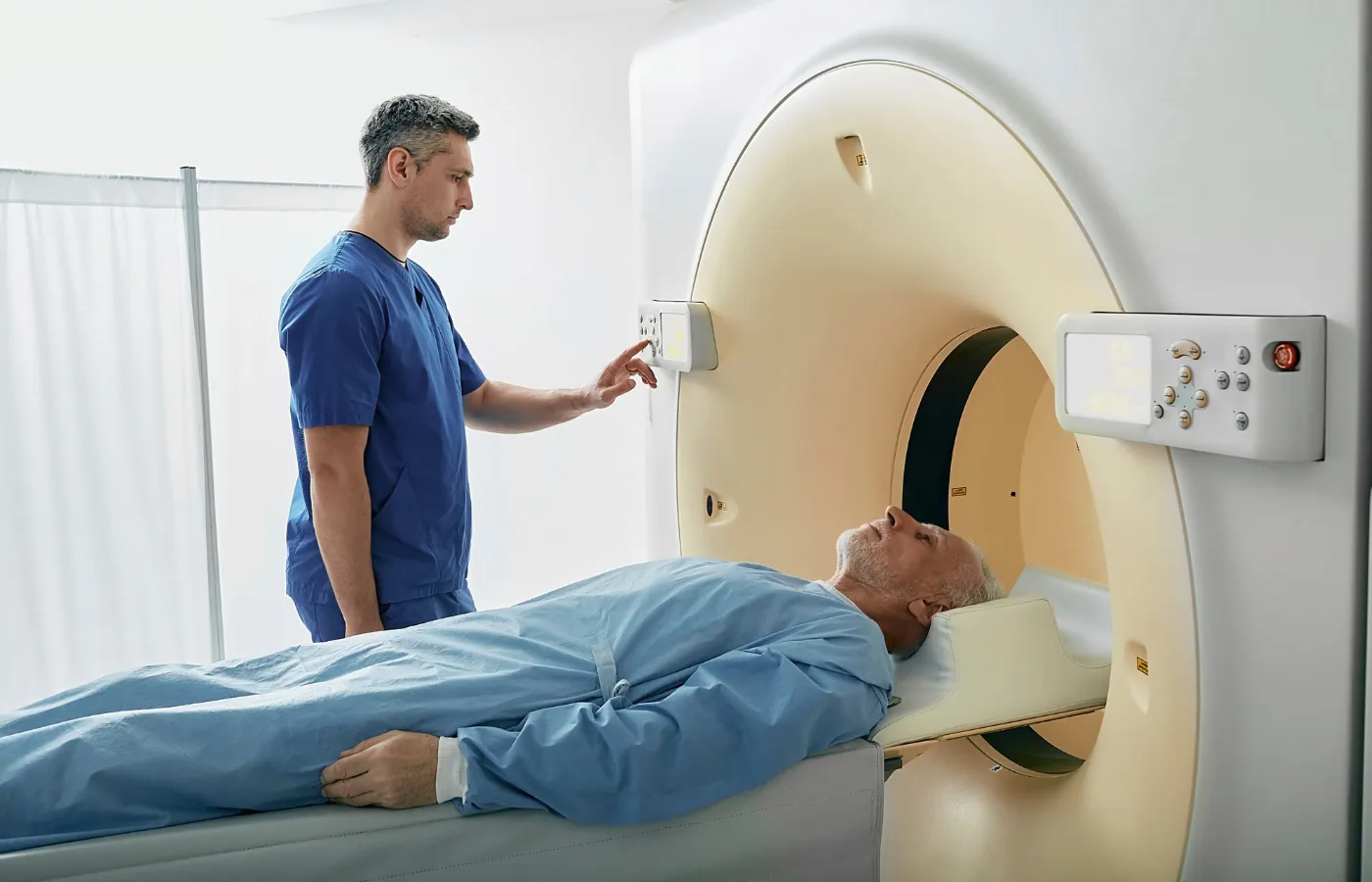
To prepare for MRI, CT, X-ray, or ultrasound in Lopmudra Hospitals , confirm whether you need fasting, contrast dye, or a full bladder. Wear comfortable metal-free clothing, carry previous reports, and inform staff about pregnancy, allergies, kidney issues, implants, or claustrophobia. Arrive early for paperwork and follow post-scan instructions if contrast is used.

ı What should I do first before any scan?
Start with these universal steps:
-
Confirm the test type: MRI / CT / X-ray / Ultrasound
-
Ask: “Do I need fasting or a full bladder?”
-
Share your medical history: pregnancy, allergies, kidney disease, asthma, thyroid issues
-
List medicines, especially metformin (common in diabetes)
-
Carry: doctor’s prescription + prior reports + previous scan CDs
-
Arrive 20–45 minutes early for registration and screening
Best practice: If you have any implant or device, bring the implant card (or hospital record).
ı Who needs extra precautions before MRI, CT, X-ray, or ultrasound?
You should alert the radiology team early if you are:
-
Pregnant or possibly pregnant
-
Breastfeeding (sometimes relevant after contrast)
-
Living with kidney disease or on dialysis
-
Allergic to iodine/contrast or have severe allergies/asthma
-
Having pacemaker, cochlear implant, aneurysm clip, stent, metal fragments, or any implanted device
-
Prone to claustrophobia, panic, or anxiety
-
A child, elderly, or needing assistance with mobility
Key safety note: MRI safety depends on the device type—some implants are MRI-safe, some are not.
ı What’s the difference between MRI, CT, X-ray, and ultrasound?
Here’s a simple comparison to set expectations:
| Scan | Uses | Radiation? | Common prep | Typical duration |
|---|---|---|---|---|
| MRI | Magnets + radio waves | No | Remove metal, screen implants, sometimes fasting for contrast | 20–60 min |
| CT scan | X-ray cross-sectional images | Yes | Often fasting if contrast; allergy/kidney checks | 10–20 min |
| X-ray | Quick imaging of bones/chest | Yes (low) | Remove jewelry; pregnancy screening | 5–10 min |
| Ultrasound | Sound waves | No | Full bladder for pelvic; fasting for abdomen | 10–30 min |
ı How to prepare for an MRI scan?
.webp)
MRI is excellent for brain, spine, joints, and soft tissues, but it requires strict metal safety.
What should I wear for MRI?
-
Wear metal-free clothes (no zippers, hooks, underwire, metallic threads)
-
Avoid: jewelry, hairpins, watches, wallets, cards, coins
-
Many centers provide a gown—follow instructions
What should I tell the MRI team?
Tell them if you have:
-
Pacemaker/implants/stents
-
Past metal injury to the eye (even years ago)
-
Claustrophobia (you may need calming strategies or sedation planning)
Do I need fasting for MRI?
-
Usually no, unless MRI is planned with contrast or for certain abdominal studies
-
Follow your doctor’s/center’s exact instructions
What happens during MRI?
-
You’ll hear loud tapping sounds
-
You must stay still for clear images
-
You may get earplugs/headphones
Real-world tip: Most repeat scans happen because of motion blur. If you’re anxious, ask about breathing cues or comfort positioning before starting.
ı How to prepare for a CT scan?
CT is commonly used for chest, abdomen, trauma, kidney stones, and quick emergency evaluation.
When do I need fasting for CT?
-
If contrast dye is planned, fasting is often 4–6 hours (varies by protocol)
-
Plain CT (without contrast) may not require fasting—confirm
What should I tell the CT team?
-
Prior contrast reaction (rash, swelling, breathing issues)
-
Kidney problems or dehydration
-
Diabetes meds, especially metformin (the team may advise temporary pause depending on kidney function and contrast use)
Is CT contrast safe?
For most people, yes, but it needs screening for:
-
Kidney function in selected patients
-
Past severe allergy to contrast
After CT contrast: Drink fluids (if allowed) to help flush it out.
ı How to prepare for an X-ray?
X-rays are fast and widely used for chest, bones, dental, and screening.
What should I do before an X-ray?
-
Remove jewelry, metal accessories, and sometimes clothing with metal
-
Inform staff if you are pregnant or possibly pregnant
-
Follow positioning instructions carefully
Good to know: Many X-rays take seconds, but setup and positioning are what ensure accuracy.
ı How to prepare for an ultrasound?
Ultrasound is commonly used for abdomen, pelvis, pregnancy, thyroid, soft tissues, and more.
Do I need fasting for ultrasound?
-
Abdominal ultrasound: Often 6–8 hours fasting (helps reduce gas and improves clarity)
-
Pelvic ultrasound: Often requires a full bladder (you may be asked to drink water before the scan)
What should I bring for pregnancy ultrasound?
-
Previous ultrasound reports (if any)
-
Your doctor’s notes and expected due date info
Comfort tip: Wear a two-piece outfit for easier access to the scanning area.
ı What should I eat, drink, or stop before the scan?
Follow your prescribed instructions, but these are common patterns:
Common “Do’s”
-
Hydrate unless fasting or restricted
-
Continue most regular medicines unless told otherwise
-
Bring snacks if you’ll be fasting and diabetic (ask staff first)
Common “Don’ts”
-
Don’t wear metal accessories for MRI
-
Don’t skip telling the team about pregnancy, implants, allergies
-
Don’t apply heavy lotions/creams before some imaging (rarely relevant, but safe to avoid)
Medication caution: Never stop critical medicines without medical guidance.
ı What should I carry to the radiology appointment?
Bring these to avoid delays:
-
Doctor’s prescription / referral
-
Previous scan CDs, films, and reports
-
List of current medicines
-
Allergy history
-
Implant/device card (if applicable)
-
ID and insurance details (if using cashless)
ı Can I drive home after MRI, CT, X-ray, or ultrasound?
-
Yes, usually, if no sedation was used
-
If you receive sedation for anxiety/claustrophobia, you’ll likely need:
-
An adult companion
-
No driving for several hours (as advised)
-
Ask upfront: “Will I receive sedation today?” so you can plan transport.
ı Frequently Asked Questions
Is fasting required for MRI?
Usually no, but fasting may be advised for certain abdominal MRIs or when contrast is planned. Follow the exact instruction from the radiology team to avoid rescheduling or poor image quality.
How long does a CT scan take?
A CT scan itself often takes a few minutes, but total visit time can be 30–90 minutes if contrast, blood tests, or observation is needed. Arriving early helps complete screening smoothly.
Is MRI safe with implants?
It depends. Some implants are MRI-conditional (safe under conditions) while others are unsafe. Always share your implant details and carry the implant card. The radiology team will confirm MRI compatibility.
What should I do if I’m claustrophobic during MRI?
Tell the team before the scan. Many patients do well with breathing coaching, music/earplugs, a comfort plan, or mild medication when appropriate. Planning early prevents mid-scan panic and repeat imaging.
Can I get an X-ray if I’m pregnant?
Inform staff immediately. X-rays may be postponed, modified, or replaced depending on urgency and body area. If necessary, protective measures and the lowest effective dose may be used under medical supervision.
Why is a full bladder needed for pelvic ultrasound?
A full bladder acts like a “window” that helps the ultrasound waves travel better and improves visibility of pelvic organs. You’ll usually be asked to drink water and avoid urinating until the scan is done.
Is contrast dye risky for kidneys?
Most people tolerate contrast well, but patients with reduced kidney function, dehydration, or certain conditions may need screening. If you have kidney disease or diabetes, mention it—your doctor may order a creatinine test.
Can I eat after my scan?
Yes, unless you were instructed to fast for another test. After contrast studies, many patients are advised to drink more fluids (if medically allowed). Your team will tell you if any restrictions apply.
ı When should I contact the hospital before coming in?
Call ahead if you have:
-
Implant/device concerns for MRI
-
Previous contrast allergy
-
Diabetes on multiple medicines/insulin
-
Kidney disease or dialysis schedule
-
Pregnancy or suspected pregnancy
-
Severe anxiety/claustrophobia needing a plan
If you’re scheduling an MRI, CT scan, X-ray, or ultrasound in Bangalore, the imaging team at Vikram Aura Hospitals can guide you on fasting, contrast safety, and scan-day preparation based on your exact test.
Book your appointment or request a prep checklist from the radiology desk before you visit.

Leave a Reply