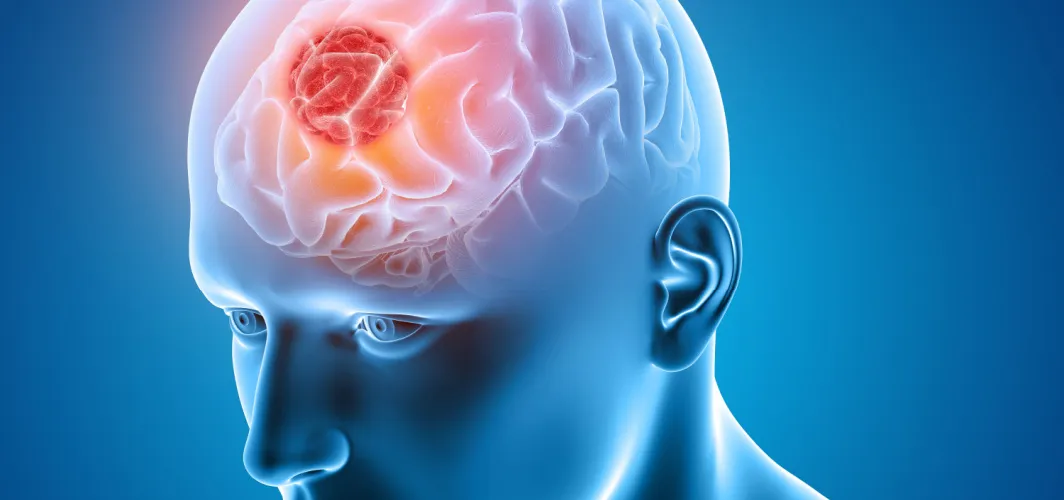
Your brain is never truly silent. When something is wrong, it often sends early warning signals – subtle, sometimes easy-to-dismiss changes in movement, speech, vision, hearing or sensation.
In a recent podcast short, Dr Vishal Bhasme, Consultant & Head – Neurosurgery & Spine at Lopmudra Meera Hospital, Pune, explains why these early neurological symptoms should never be ignored, especially when a tumour is located near the brain’s eloquent cortex – the regions that control critical functions like movement, speech, vision, hearing and sensation.
When recognised early and evaluated promptly, brain tumours are often more treatable, with a better chance of preserving function and improving long-term outcomes.

Early Brain Tumour Signs You Should Never Ignore | Dr Vishal Bhasme
Why Early Brain Tumour Symptoms Matter
Not all brain tumours are cancerous. Some are benign but located in critical (eloquent) brain areas, where even a small mass can disrupt important functions.
When a tumour grows near these regions, it may cause early, localised symptoms such as:
-
Sudden weakness in a hand, arm, leg or one side of the body
-
Difficulty speaking or understanding speech
-
New or worsening vision problems
-
Hearing changes or ringing in one ear
-
Numbness, tingling or unusual “electric shock” sensations in a limb
These subtle changes are often the most life-saving clues – if you act on them quickly instead of waiting for them to go away on their own.
Ignoring early neurological symptoms can cost precious time. Early diagnosis typically means simpler surgery, better functional outcomes and a higher chance of cure or long-term control.
Early Brain Tumour Signs You Should Never Ignore
Only a doctor can diagnose a brain tumour, but you should seek urgent neurological evaluation if you or a loved one experiences any of the following, especially if new, progressive or unexplained:
1. Sudden Weakness or Loss of Coordination
-
Weakness in an arm, leg, or one side of the body
-
Dropping objects frequently from one hand
-
Difficulty walking straight, frequent tripping or imbalance
This may suggest a lesion affecting the motor cortex – the area controlling movement.
2. New or Worsening Vision Problems
-
Blurred or double vision
-
Loss of vision in one eye or in one side of the visual field
-
Bumping into objects on one side
Tumours near the visual pathways or occipital lobe can present with these early changes.
3. Difficulty Speaking or Understanding Speech
-
Struggling to find words
-
Slurred or unclear speech
-
Difficulty understanding simple sentences
These may indicate involvement of key speech areas in the brain.
4. New Seizures or Fits
-
First-time seizure in an adult
-
Episodes of staring, unresponsiveness or jerking of one limb
-
Unusual smells, tastes or sensations followed by confusion
New-onset seizures in adults always need prompt evaluation, as brain tumours are one of the important possible causes.
5. Persistent or Progressive Headache
Not every headache means a tumour, but warning features include:
-
Headache that is worse in the morning
-
Headache that progressively increases over days or weeks
-
Associated vomiting, vision changes or personality change
Persistent, treatment-resistant headaches with other neurological symptoms should be taken seriously and assessed by a specialist.
6. Changes in Behaviour, Personality or Memory
-
Increased irritability, apathy or sudden mood swings
-
Difficulty planning, organising or making decisions
-
Short-term memory problems
These may be signs of tumours affecting the frontal lobes, which control behaviour and executive functions.
Why Ignoring Early Symptoms Can Be Dangerous
Ignoring early neurological symptoms can lead to:
-
Larger tumour at the time of diagnosis
-
Increased pressure inside the skull
-
Permanent damage to critical brain areas
-
More complex surgery with higher risk
-
Reduced chances of complete removal or optimal control
On the other hand, early diagnosis allows:
-
Better planning of surgery or radiosurgery
-
Greater chance of preserving speech, movement, vision and cognitive function
-
Improved long-term survival and quality of life
The key message: don’t normalise or “wait out” new neurological symptoms. Get them checked.
How Brain Tumours Are Diagnosed
If a brain tumour is suspected, your neurosurgeon or neurologist may advise:
-
MRI brain (with contrast) – the gold standard to visualise brain tumours
-
CT scan – useful in emergencies or as an initial screening
-
Functional MRI / tractography – to map speech, movement and visual pathways before surgery in tumours located near eloquent areas
-
Biopsy or surgical removal – to determine the exact type and grade of tumour
At Lopmudra Meera Hospital, Pune, patients can receive initial evaluation, stabilisation, and coordinated referrals for advanced imaging and treatment planning with Dr Vishal Bhasme and associated centres when needed.
Brain Tumour Treatment at Lopmudra Meera Hospital, Pune
Treatment depends on:
-
Type (benign vs malignant)
-
Size and location
-
Grade (how aggressive the tumour is)
-
Patient’s age and overall health
Common treatment options:
-
Microsurgical removal of tumour (craniotomy)
-
Minimally invasive / endoscopic surgery for selected lesions
-
Radiotherapy or radiosurgery (e.g., Gamma Knife / CyberKnife at partnering centres)
-
Chemotherapy for particular tumour types
-
Rehabilitation – physiotherapy, speech therapy, occupational therapy
The goals of treatment are to:
-
Maximise tumour removal where safe
-
Preserve vital brain functions
-
Reduce symptoms like seizures, headaches and weakness
-
Improve quality and length of life
When Should You See a Neurosurgeon in Pune?
Book an urgent appointment with a neurosurgeon or neurologist if you notice:
-
New neurological symptoms lasting more than a few days
-
Sudden weakness, speech difficulty or a new seizure
-
Persistent or progressive headaches with vomiting or visual changes
-
Any worrying combination of symptoms listed above
If symptoms are sudden and severe (sudden paralysis, seizure, loss of consciousness), go straight to the Emergency Department.
To consult Dr Vishal Bhasme at Lopmudra Meera Hospital:
Call / WhatsApp: +91 83780 22022 | +91 83790 33033
Email: contact@lopmudrahospitals.com
Frequently Asked Questions
1. Are sudden weakness and vision changes an emergency sign of a brain tumour?
Yes. Sudden weakness, difficulty speaking, vision loss or new seizures are red-flag neurological symptoms. While they can also occur in conditions like stroke or infections, a brain tumour near the eloquent cortex is one possibility. You should seek immediate emergency evaluation at a hospital with neurology and neurosurgery services, such as Lopmudra Meera Hospital, Camp–Swargate, Pune.
2. What is the best test to check if I have a brain tumour?
The most informative test is usually an MRI of the brain with contrast, which provides detailed images of brain structures and tumours. In acute emergencies, a CT scan may be done first. Your doctor will decide which test is appropriate based on your symptoms, age and overall condition.
3. Is brain tumour surgery safe if the tumour is near areas controlling speech or movement?
Surgery near eloquent brain areas is complex but often feasible in experienced hands. Modern neurosurgery uses tools like:
-
Neuronavigation (GPS-like guidance)
-
Operating microscopes
-
Intra-operative monitoring of nerves and pathways
-
Functional imaging to map critical areas
These techniques help surgeons remove as much tumour as possible while preserving speech, movement and other vital functions. Your neurosurgeon will discuss the specific risks and benefits in your case.
4. Which is the best hospital in Pune for brain tumour surgery?
The “best” hospital depends on your specific condition, but you should look for:
-
An experienced neurosurgeon with brain tumour expertise
-
Good neuro-ICU support and neurosurgical operation theatre
-
Access to MRI and advanced imaging
-
A multidisciplinary team including neurology, oncology and rehabilitation
Lopmudra Meera Hospital, in association with senior neurosurgeon Dr Vishal Bhasme, offers comprehensive evaluation and coordinated care pathways for brain tumour patients in and around Pune.
5. If my MRI is normal but symptoms persist, should I still follow up?
Yes. Not all neurological symptoms are caused by brain tumours, and some conditions may evolve over time. If your MRI is normal but symptoms persist, change or worsen, you should continue follow-up with your neurologist or neurosurgeon. They may repeat imaging after a suitable interval or investigate other possible causes like migraines, demyelinating diseases, metabolic or psychological conditions.
Take-Home Message: Listen to Your Brain’s Early Warnings
-
Early, localised neurological symptoms – weakness, speech problems, visual changes, seizures – can be the first and most important clues to a brain tumour.
-
Ignoring or self-medicating these signs can delay diagnosis and limit treatment options.
-
Early neurosurgical evaluation at a specialised centre greatly improves the chances of preserving brain function and achieving better outcomes.
If you or someone you care about is experiencing worrying neurological symptoms, don’t delay.

Early diagnosis, timely treatment and expert neurosurgical care can change the entire story.
Leave a Reply