
Author: Lopmudra_hospital

  • Understanding Postpartum Hemorrhage After C-Section: When Bleeding Stops Early

    Understanding Postpartum Hemorrhage After C-Section: When Bleeding Stops Early

    What Happens If Bleeding Stops in 5 Days After C-Section?


    A cesarean section, commonly known as a C-section, is a surgical procedure that is often necessary for delivering a baby when natural childbirth poses risks to the mother or child. While C-sections are generally safe, the recovery process can come with its challenges, including bleeding. Understanding what it means if bleeding stops five days after a C-section is crucial for new mothers and their families.

    In this blog post, we’ll explore the significance of postpartum bleeding, the normal duration and amount of bleeding following a C-section, potential causes if bleeding stops, and when to seek medical attention. Let’s delve into this topic to better understand postpartum recovery.


    Understanding Postpartum Bleeding

    Postpartum bleeding, also known as lochia, refers to the vaginal discharge that new mothers experience after childbirth. This discharge consists of blood, mucus, and placental tissue, and its presence is a natural part of the recovery process after giving birth, whether vaginally or via C-section.

    After a C-section, it’s expected that women may experience lochia for several weeks, typically lasting around 4 to 6 weeks. The initial bleeding can be quite heavy, particularly in the first few days post-surgery, and may gradually taper off. The color can change from bright red to pink and then to yellowish or white as the body heals.

    At Lopmudra Hospital Chain, we prioritize patient education on signs of normal recovery and offer support for any concerns that arise during the postpartum period to ensure a smooth transition into motherhood.


    What Is Normal Bleeding After a C-Section?

    When it comes to the normative patterns of postpartum bleeding, the following can guide new mothers:

    • Duration: Typically, lochia should persist for about 4 to 6 weeks following a C-section, but each woman’s experience can vary.
    • Clarity: Initial discharge will be bright red and heavy, which should gradually lighten and become more watery or yellowish.
    • Volume: Mothers may use various products such as sanitary pads designed for postpartum bleeding. If saturated in less than an hour, it is advisable to seek medical advice.
    • Smell: While a mild odor can be expected, any foul smell could indicate an infection and necessitates immediate communication with a healthcare provider.

    Observing patterns in postpartum bleeding can help illuminate if everything is progressing normally or if there are concerns that require medical intervention.


    Causes of Bleeding Stopping Suddenly

    If bleeding stops abruptly five days post-C-section, there can be several interpretations of this change. While it may be a sign that your body is healing well, it can also be associated with other conditions. Here are some possible causes if you experience this:

    • Normal Healing: The healing process varies significantly among individuals. Some women might stop bleeding earlier than others as their bodies repair after surgery.
    • Retention of Placental Tissue: If bits of placental tissue remain in the uterus, it can impact the normal bleeding process. The body may initially bleed, but if it retains tissue, bleeding can stop prematurely.
    • Hormonal Changes: Hormonal fluctuations postpartum can influence the bleeding process. Reduced hormone levels may lead to decreased bleeding.
    • Tissue Infection: An infection in the uterus can impact bleeding. Infection may cause a woman to stop bleeding, accompanied by significant pain or fever—both concerning signs that require immediate medical attention.

    At Lopmudra Hospital Chain, our expert obstetricians can assess individual circumstances, helping new mothers navigate postpartum recovery effectively.


    When To Seek Medical Attention

    While some variations in bleeding may be normal, there are specific signs that should prompt a visit to the doctor:

    • Heavy Bleeding: If you soak through more than a pad an hour for more than two hours, this is a medical emergency.
    • Persistent Bleeding: If you experience heavy bleeding that continues beyond the expected timeframe or starts to increase rather than decrease, consult your doctor.
    • Severe Pain: Any unexplained, severe pain in the abdomen or pelvis is cause for concern.
    • Fever or Chills: Fever can indicate an infection and should be addressed without delay.
    • Foul Discharge: A strong, unpleasant odor of vaginal discharge can signify an infection that requires immediate intervention.

    Awareness and vigilance of your body’s signs can play a pivotal role in ensuring a smooth and safe recovery phase. At Lopmudra Hospital Chain, we’re dedicated to empowering women through support and expert care.


    Your Recovery Journey

    The postpartum recovery journey is unique for every woman. While the physical healing is paramount, mental and emotional well-being are equally essential during this transitional phase. Here are some tips for a smooth recovery following a C-section:

    • Rest: Aim for adequate rest to facilitate healing. Your body has undergone major surgery, and catching up on sleep is vital to recovery.
    • Hydration: Keeping hydrated is crucial for recovery. Proper hydration can help manage bleeding and support overall health.
    • Nutritional Support: Consuming a balanced diet rich in vitamins and minerals can significantly enhance healing. Focus on foods rich in iron and fiber to support postpartum recovery.
    • Monitor Changes: Keep a close watch on any changes in your body and speak to your healthcare provider if you have any concerns.
    • Seek Support: Do not hesitate to lean on family or friends. Having support can ease your burden and allow you to recover more effectively.

    Prioritize self-care and be kind to yourself during this transformative period.


    Conclusion

    If you find that bleeding has stopped five days after your C-section, it can lead to varied interpretations. It may reflect your body’s natural healing process or suggestions of other issues needing medical attention. Understanding the nuances of postpartum recovery aligns with achieving overall well-being during this transformative time.

    We, at Lopmudra Hospital Chain, are committed to helping you on your maternity journey. For any concerns or consultations, please reach out to our dedicated team of the best gynecologists in Pune at Lopmudra Hospital, where we provide comprehensive support for your health needs.

    This article was written by Dr. Archana Salve, sharing insights based on professional experience in the field.

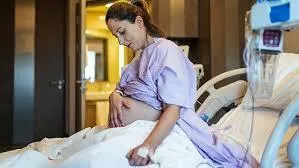
  • Vaginal Birth vs. Caesarean Section: Which is Safer? | Maternity Care at Lopmudra Hospitals

    Vaginal Birth vs. Caesarean Section: Which is Safer? | Maternity Care at Lopmudra Hospitals

    Is Vaginal Birth Better Than Caesarean Section?


    The discussion surrounding the choice between vaginal birth and caesarean section (C-section) is a significant part of pregnancy care and childbirth planning. Each mode of delivery comes with its own set of benefits and considerations, which is why it is essential for expectant parents to understand these differences thoroughly. At Lopmudra Hospital, we offer comprehensive assessments and personalized birthing options, ensuring that your experience is safe and suited to your specific needs.


    Understanding the Definitions

    Vaginal birth, often referred to as natural childbirth, is the process where a baby is delivered through the birth canal. During vaginal delivery, contractions help the baby descend into the birth canal, allowing for a more organic birthing experience. Conversely, a caesarean section is a surgical procedure where the baby is delivered through incisions made in the mother’s abdomen and uterus. This method may be planned or may occur in response to complications during labor or pregnancy.

    According to a 2021 report by the World Health Organization, approximately 21% of all births globally are now C-sections, a significant increase compared to previous decades. However, the growing trend raises pertinent questions about the implications of both delivery types, particularly in places like Pune where healthcare advancement is considerable.


    Factors Influencing the Choice of Delivery Method

    The decision between vaginal birth and C-section is influenced by numerous factors, including maternal health, pregnancy complications, and hospital protocols. Some critical aspects to consider include:

    • Maternal Health Conditions: Conditions such as diabetes, hypertension, and certain infections may necessitate a C-section for the safety of both the mother and the baby.

    • Previous Birth Experiences: If a mother has had a previous C-section, she might face limitations on attempting a vaginal birth due to the risk of uterine rupture.

    • Baby’s Position: If the baby is in a breech position, a C-section may be the safest delivery option.

    • Multiple Pregnancies: In the case of twins or more, a C-section is often recommended.

    At Lopmudra Hospital, our team of the best obstetricians in Pune performs thorough assessments to help determine the most appropriate birthing method tailored to each patient’s circumstances.


    The Benefits of Vaginal Birth

    Vaginal birth is often viewed as the preferred method of delivery due to several key benefits:

    • Shorter Recovery Time: Generally, recovery from a vaginal birth is quicker than that of a C-section. This allows new mothers to begin caring for their baby with less prolonged fatigue.

    • No Surgical Risks: As a non-surgical method of delivery, vaginal birth helps eliminate risks associated with anesthesia and surgical procedures.

    • Healthier for the Baby: During vaginal birth, the baby is exposed to beneficial bacteria in the birth canal, which is thought to support healthier gut flora.

    • Enhanced Hormonal Response: The natural process of vaginal birth promotes the production of important hormones like oxytocin, which can enhance bonding between a mother and her newborn.


    The Benefits of Caesarean Section

    Although C-sections may seem less favorable than vaginal births, they are sometimes necessary and come with their own advantages:

    • Planned and Controlled Delivery: Scheduled C-sections allow parents to plan for the birth, which can alleviate anxiety surrounding delivery timing.

    • Lower Risk of Pelvic Floor Disorders: Women who deliver via C-section are less likely to experience pelvic floor issues, such as incontinence, later in life.

    • Improved Safety for High-Risk Pregnancies: For women with certain complications, C-sections can be a safer alternative, ensuring the health and safety of both mother and baby.

    It’s essential to discuss your specific situation with a healthcare provider to make an informed choice about the mode of delivery, particularly at a facility like Lopmudra Hospital, where maternal and infant care is a priority.


    Recovery from Vaginal Birth vs. Caesarean Section

    One significant consideration when choosing between vaginal birth and C-section is the recovery process. The timelines and experiences can greatly differ:

    Aspect Vaginal Birth Caesarean Section
    Hospital Stay 1-2 days 3-4 days
    Pain and Discomfort Less severe; manageable with OTC pain relief More intense; may require prescription pain medication
    Returning to Daily Activities 1-2 weeks 4-6 weeks

    It’s evident that recovery can be more challenging post-C-section, making it crucial for expectant mothers to weigh their options carefully, especially when considering services from the best maternity hospital in Pune.


    Statistical Insights into Birth Methods

    Statistics often help us understand broader trends and guide individual choices. According to a 2020 study published in a prominent medical journal, the rates of C-sections in urban areas of India, including Pune, have escalated due to various factors, including maternal demand and healthcare policies.

    • In 2020, nearly 27% of deliveries at private hospitals in Pune were C-sections.

    • Studies show that up to 75% of women who had a C-section reported it was an elective choice, influenced by fear of labor pain.

    • Research indicates that women who have had multiple C-sections may face higher risks in subsequent pregnancies, as opposed to those choosing vaginal births.

    These facts highlight the need for personalized consultations with healthcare professionals to help expecting parents navigate their options effectively at Lopmudra Hospital.


    Making an Informed Decision

    Ultimately, making the decision between vaginal birth and C-section is highly personal. Each mother’s experience, health background, and preferences will significantly impact this choice. Here are steps that can help facilitate an informed decision:

    • Discuss your medical history with your healthcare provider to understand any risks or benefits related to your specific situation.

    • Attend educational sessions available at facilities like Lopmudra Hospital where expecting parents can learn about different methods of childbirth.

    • Engage in open dialogues with family and friends who may have undergone childbirth; their experiences can provide valuable insights.

    Remember, the ultimate goal is to ensure a healthy delivery for both mother and child, which should guide your decisions throughout this exciting journey.


    Conclusion

    Whether to opt for vaginal birth or a C-section is a significant decision that should be made with a comprehensive understanding of each method’s pros and cons. Both approaches have their merits, and ultimately the health of both mother and child should guide the final decision. At Lopmudra Hospital, we pride ourselves on offering thorough support and a variety of childbirth options tailored to individual needs. Our team of the best gynecologists in Pune is dedicated to providing exceptional care during this miraculous stage of life.

    For personalized consultations regarding pregnancy care or to learn more about childbirth options at our facility, reach out to us at +918087122022 or via WhatsApp: 918379033033. We are here to support you throughout this beautiful journey.


    This article was written by Dr. Archana Salve, sharing insights based on professional experience in the field.
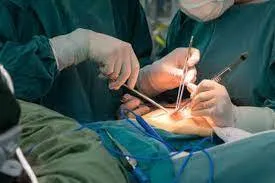
  • Is it Safe to Travel 100 km by Car After a Cesarean Delivery? – Expert Advice from Lopmudra Hospital Specialists

    Is it Safe to Travel 100 km by Car After a Cesarean Delivery? – Expert Advice from Lopmudra Hospital Specialists

    Can I Travel 100 km by Car After a Cesarean Delivery?


    After a cesarean delivery (C-section), many new mothers find themselves adjusting to both the joy of a newborn and the demands of recovery. Among the myriad of questions you may have, one significant concern is whether it is safe to travel, especially for long distances such as 100 km by car. This blog aims to provide comprehensive insights into the factors affecting travel after a C-section, ensuring you are well-informed about your options and safety.


    Understanding Cesarean Delivery and Recovery

    A C-section is a surgical procedure used to deliver a baby through an incision in the mother’s abdomen and uterus. Though it may be necessary for various reasons, recovery after a C-section differs significantly from a vaginal delivery, with a longer healing process typically ranging from 6 to 12 weeks.

    Key recovery aspects to consider include:

    • Physical Healing: The body needs time to heal from major surgery. The incision site requires care to avoid infections, and it’s vital not to place undue stress on the healing tissues.
    • Pain Management: Pain around the incision site is common; managing pain is essential for comfort during the recovery phase.
    • Mobility: Limited mobility can make it challenging to travel safely. Sitting for extended periods can increase discomfort and might even hinder proper healing.

    At Lopmudra Hospital Chain, we emphasize the importance of understanding your individual recovery timeline, and our experienced staff is here to assist you through this period.


    Factors to Consider Before Traveling

    When considering traveling 100 km by car after a C-section, various factors come into play. Here are some essential points to assess your readiness:

    • Time Passed Since Delivery: Typically, you should wait at least 2 weeks post-surgery before contemplating long-distance travel. After this period, consult with your healthcare provider regarding your individual status.
    • Health Condition: If you are experiencing complications or are at risk of infections, it may be safer to postpone travel plans until you fully recover.
    • Mode of Travel: A car is generally considered safer than public transport post-C-section, as it allows for personal comfort and hygiene management.
    • Duration and Comfort: A 100 km journey can take about two hours or more, depending on traffic and road conditions. Ensure that you can tolerate the duration comfortably and have breaks planned.

    Listening to your body and prioritizing your health during this time is crucial. Consulting with the best gynecologist in Pune can help guide this decision effectively.


    Preparing for Your Journey

    Once you’ve received medical clearance to travel, proper preparation can make your journey much smoother. Consider the following suggestions:

    • Packing Essentials: Bring along necessary supplies such as pain relief medications, water, snacks, and items for your baby. Having all essentials within reach can alleviate worry during your trip.
    • Comfortable Seating: Arrange seating in a way that provides adequate support. Consider bringing cushions or pillows to help maintain comfort throughout the journey.
    • Frequent Breaks: Schedule breaks every 30 to 45 minutes to walk around, stretch, and relieve any discomfort from sitting too long.
    • Documentation: Ensure all relevant medical documents are on hand, along with contact details for healthcare providers in case of emergencies.

    At Lopmudra Hospital Chain, we advocate for thorough preparations to ensure a stress-free journey while prioritizing your recovery after C-section.


    Symptoms to Watch During Travel

    During your journey, being vigilant about any concerning symptoms is important. If you notice any of the following, seek medical attention immediately:

    • Increased Pain: If the pain around the incision site worsens significantly, it may indicate an issue that requires attention.
    • Signs of Infection: Watch for signs such as fever, redness, or drainage from the incision site.
    • Severe Fatigue: If you feel extreme exhaustion that prevents you from continuing your journey safely, stop and rest.
    • Shortness of Breath: This can indicate a more serious complication, and immediate medical evaluation is crucial.

    Your health should always be a priority. Consult with the best maternity hospital in Pune for additional support as you recover and transition into the joys of motherhood.


    Alternatives to Long-Distance Travel

    If you find that long-distance travel feels daunting after a C-section, there are several alternatives you can explore:

    • Local Outings: Opt for shorter trips closer to home. This allows you to enjoy time away without overexerting yourself.
    • Virtual Gatherings: For social bonding, consider virtual meet-ups with friends and family to share special moments without the need to travel.
    • Staycations: Enjoy a mini family vacation within your community, allowing for a break and change of scenery while reducing travel fatigue.

    Always weigh your options and choose what feels best for your personal situation. Following your instincts will aid in your recovery journey and postpartum adjustment.


    Experiences from Other Mothers: Testimonials

    Understanding the experiences of other mothers may help alleviate fears or uncertainties about traveling after a C-section. Here are some insights:

    • Mother A:My doctor cleared me for a short trip after a month, and I must admit it was refreshing to change my space, even locally. I made sure to have someone with me to share the driving and help with my baby.
    • Mother B:Initially, I felt anxious about traveling. However, after two weeks, I took a 45-minute drive to visit my family. It was tiring, but the smiles and support from family made it worthwhile!
    • Mother C:I waited about six weeks postpartum before making any long trips. Listening to my body was important, and I think it contributed positively to my recovery.

    Every journey is unique; learning from others can provide reassurance and motivation. Remember to prioritize your well-being and seek guidance from the best gynecologist in Pune for assistance.


    When to Seek Professional Help

    It’s essential to know when to talk to a healthcare professional regarding your travel plans post-C-section. Some indicators include:

    • Persistent Pain or Discomfort: If pain around the incision site or anywhere else does not subside with rest, consult your doctor.
    • Irregular Postpartum Bleeding: Any changes in your bleeding pattern could be concerning; seek help immediately.
    • Unresolved Anxiety or Stress: If traveling exacerbates feelings of anxiety about your health or well-being, discussing it with a healthcare professional can provide valuable coping strategies.

    At Lopmudra Hospital Chain, our healthcare team is dedicated to your care during this transition into motherhood. We’ll support you and help you make informed decisions about your health and well-being.


    Final Thoughts on Traveling After a C-Section

    Traveling long distances after a C-section is indeed a daunting concern for many new mothers. However, with careful planning, consultation with healthcare professionals, and attention to your body’s signals, it can be accomplished safely. Remember that your recovery journey is personal—ensure you prioritize your health and comfort.

    Whether you’re considering travel for familial support or personal needs, keep open communication with your healthcare team and follow their guidance. Feel empowered to enjoy your new motherhood experience fully while ensuring the safety of both you and your baby.

    This article was written by Dr. Archana Salve, sharing insights based on professional experience in the field. For more information, do not hesitate to contact us at +918087122022 or reach out via WhatsApp at 918379033033 for any inquiries or to book an appointment at Lopmudra Hospital Chain.
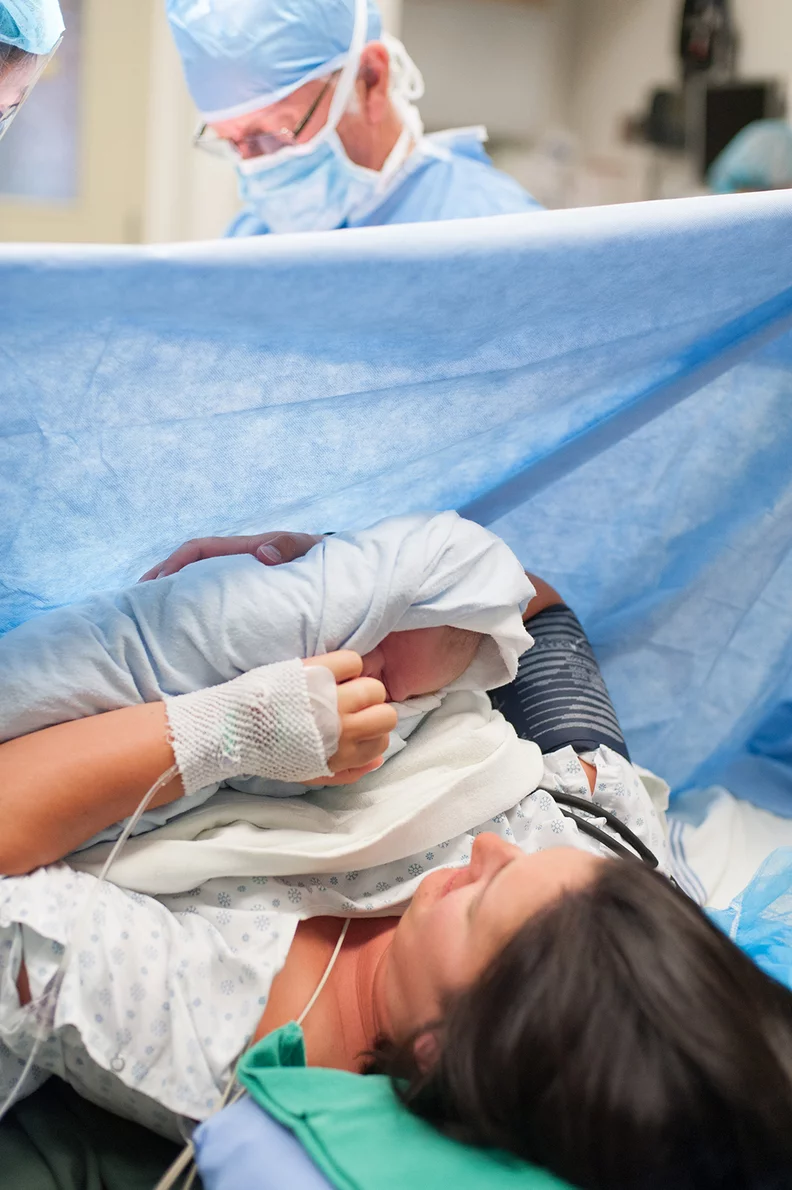
  • Understanding Medically Necessary C-Sections: Percentage, Reasons & Benefits – Lopmudra Hospital

    Understanding Medically Necessary C-Sections: Percentage, Reasons & Benefits – Lopmudra Hospital

    The Percentage of Medically Necessary C-Sections


    The topic of cesarean sections (C-sections) is one that evokes substantial discussion among healthcare professionals, expectant parents, and the general public. In recent years, there has been an increasing focus on understanding the reasons behind the rising rates of C-sections and what constitutes a medically necessary C-section. In this blog post, we will explore the percentage of C-sections that are deemed medically necessary, examine the reasons for C-sections, and provide insights on the best practices for maternity care at Lopmudra Hospital Chain, one of the best maternity hospitals in Pune.


    What Is a Medically Necessary C-Section?

    A medically necessary C-section refers to a cesarean delivery that is performed when complications arise with a vaginal delivery or when it poses a risk to the health of the mother or the baby. Such C-sections are not elective; they are crucial for preventing morbidity or mortality in either party. Common reasons for performing a medically necessary C-section include:

    • Previous C-section: Women with a history of C-sections may require another due to the risk of uterine rupture during vaginal deliveries.

    • Fetal distress: This occurs when the baby is not receiving enough oxygen, often indicated by abnormal heart rate patterns.

    • Placenta previa: This condition occurs when the placenta partially or completely covers the cervix, blocking the baby’s exit during delivery.

    • Multiple pregnancies: Carrying twins or more may necessitate a C-section, especially when one or more fetuses are positioned abnormally.

    • Labor complications: Issues such as failure to progress in labor or issues with the baby’s position can lead to a medically necessary C-section.

    It’s essential for expecting parents to be educated about these conditions; awareness can facilitate informed conversations with healthcare providers regarding the necessity of C-sections.


    Statistics on C-Sections: A Global Perspective

    According to the World Health Organization (WHO), the ideal rate for C-sections in any population should be between 10% to 15% of all deliveries. However, many countries have reported rates exceeding this benchmark. For instance:

    • In the United States, recent statistics indicate that approximately 32% of all deliveries are C-sections, with some hospitals reporting rates as high as 50%.

    • In India, the C-section rates can vary significantly from 15% to 35%, with private hospitals often reporting higher rates due to various factors, including a higher number of elective surgeries.

    These numbers highlight the importance of maintaining a balanced approach in maternity care, focusing on the mother’s and baby’s health rather than meeting arbitrary targets for surgical deliveries.


    C-Section Trends in Pune

    In Pune, the rates of medically necessary C-sections often reflect both global and national trends, influenced by various factors including healthcare infrastructure, cultural practices, and patient preferences. As one of the top maternity hospitals in Pune, Lopmudra Hospital Chain strives to provide guidance and support to expectant mothers while ensuring that their medical decisions are based on solid evidence.

    Recent studies reveal that in Pune, the percentage of deliveries performed through C-sections hovers around 30%, with many being categorized as medically necessary. The rising trend can be attributed to:

    • Increased awareness: More parents are seeking information about birthing options, making informed decisions in consultation with healthcare providers.
    • Greater access to healthcare facilities: More hospitals equipped with modern technology and qualified specialists lead to an increase in C-sections.
    • Societal preferences: C-sections are increasingly viewed as a safer option, mainly due to fear of labor complications.

    At Lopmudra Hospital Chain, we remain committed to providing individualized birthing plans that prioritize safety while respecting the preferences of parents.


    Why Are C-Sections Necessary?

    The growing rate of C-sections raises pertinent questions about their necessity. It’s vital to recognize that C-sections can be lifesaving procedures. Here are some of the most critical reasons why a healthcare provider might opt for a C-section:

    • Health of the mother: Conditions such as severe hypertension, diabetes, or obesity can lead healthcare providers to recommend a C-section to minimize risks during delivery.

    • Health of the baby: Distress signals from the baby, such as holding the umbilical cord tightly, can necessitate urgent delivery via C-section.

    • Multiple babies: In cases of twins or triplets, a C-section is often the safest option due to potential complications during vaginal birth.

    Regular prenatal check-ups are crucial for identifying risks early, allowing healthcare professionals to plan deliveries appropriately.


    Comparing C-Sections with Vaginal Deliveries

    Many expectant mothers may find themselves weighing the benefits and downsides of C-sections against those of vaginal deliveries. Below is a comparison of the two delivery methods:

    Delivery Type Advantages Disadvantages
    Vaginal Delivery
    • Shorter recovery time
    • Lower risk of surgical complications
    • Healthy benefits for the baby, such as exposure to maternal flora
    • Increased risk of complications, especially in higher-order births
    • Pain during childbirth
    • Possible tearing or episiotomy
    C-Section
    • Better response to fetal distress
    • Controlled environment for delivery
    • Preferred option for specific medical conditions
    • Longer recovery period
    • Risks associated with major surgery
    • Possible complications in future pregnancies

    This comparison underscores the nuances involved in making informed decisions about delivery methods. The ultimate goal should always focus on the wellbeing of both mother and child.


    How to Choose the Right Maternity Care

    While exploring maternity options in Pune, consider the following factors that can contribute to quality care:

    • Consultations: Schedule consultations with multiple healthcare providers to understand different philosophies and practices.
    • Hospital accreditation: Ensure that the chosen hospital is accredited and follows vital safety protocols.
    • Through discussions: Be proactive in discussing birthing preferences, potential risks, and what to expect from the delivery process.

    At Lopmudra Hospital Chain, our team is dedicated to addressing the questions and concerns raised by expectant families. Our purpose is to ensure that every family has a supportive and safe maternity experience.


    Conclusion

    Understanding the necessity and implications of C-sections is vital for expectant parents as they navigate their birthing options. With a medically necessary C-section rate fluctuating around 30% in regions like Pune, the importance of personalized and educated decision-making cannot be overstated. At Lopmudra Hospital Chain, our commitment to quality maternity care emphasizes both the emotional and physical aspects of childbirth.

    Remember, the decision regarding delivery should always be based on medical advice and personal comfort. If you’re seeking more information or wish to discuss your options further, don’t hesitate to reach out to us at +918087122022 or visit our website for appointment bookings. Safe and healthy delivery should be the primary focus, and we are here to support you every step of the way.


    This article was written by Dr. Archana Salve, sharing insights based on professional experience in the field.

  • Painless Delivery Side Effects: What to Expect at Lopmudra Hospital’s Maternity Care

    Painless Delivery Side Effects: What to Expect at Lopmudra Hospital’s Maternity Care

    What is Painless Delivery?


    Painless delivery, often referred to as painless labor, is a method that aims to minimize the pain associated with childbirth, allowing mothers to experience a more manageable birthing process. One of the most common techniques employed for painless delivery is the use of an epidural anesthesia, which is administered in the lower back to provide significant pain relief during labor and delivery. At Lopmudra Hospital Chain in Pune, we specialize in painless delivery options tailored to the individual needs of each expectant mother.

    The concept of painless delivery has become increasingly popular among pregnant women, especially those seeking a smoother transition into motherhood. Through modern medical advancements, many expectant mothers can now undergo childbirth with greater comfort and reduced anxiety level, contributing to a better overall maternal experience.


    How Does Painless Delivery Work?

    The primary method for achieving a painless delivery is through an epidural analgesia. This involves the insertion of a small catheter into the epidural space within the spinal canal to deliver analgesic medications. The process usually consists of:

    • Preparation: Before administration, the patient’s medical history is evaluated, and she is informed about the procedure.
    • Administration: The anesthesiologist will insert a needle into the lower back to place a catheter, allowing continuous delivery of medication.
    • Monitoring: Throughout labor, the mother and baby are closely monitored to ensure both are well and the medications are working effectively.

    The effects of an epidural usually start within 10-20 minutes and can be adjusted based on the woman’s preferences. This method does not eliminate sensations completely but significantly reduces pain, allowing for easier childbirth experiences.


    Benefits of Painless Delivery

    Choosing a painless delivery can provide several advantages, contributing to an overall better childbirth experience. Here are a few highlighted benefits:

    • Significant Pain Relief: One of the most noticeable benefits is the considerable reduction in pain during contractions and delivery.
    • Increased Relaxation: Understanding that pain is under control allows mothers to remain calm and focused during labor, promoting a positive environment.
    • Improved Patient Experience: With less discomfort, mothers are more likely to have a pleasant memory of their child’s birth.
    • Clearer Communication: Painless delivery can enhance the ability of the mother to engage with healthcare providers, enabling better decision-making during delivery.
    • Customized Options: At Lopmudra Hospital Chain, various options are available to adjust medication according to individual comfort levels.

    Potential Side Effects of Painless Delivery

    While painless delivery is a popular choice, it is essential to be aware of potential side effects associated with epidural anesthesia. Understanding these effects ensures that mothers can make informed choices. Some common side effects include:

    • Headache: Post-dural puncture headaches can occur in some cases, characterized by sudden pain that may last for days.
    • Low Blood Pressure: Epidurals can lower blood pressure, which may require monitoring and management during labor.
    • Infection Risk: As with any procedure involving needles, there is a minor risk of infection at the injection site.
    • Tingling or Numbness: Some women experience temporary tingling or numbness in the legs, which resolves after the medication wears off.
    • Difficulty During Pushing: Some women may find it harder to push effectively during delivery due to reduced feedback from their body.

    At Lopmudra Hospital Chain, our experienced teams carefully evaluate each patient to minimize risks and ensure a safe and effective approach to painless delivery.


    Alternatives to Epidural Analgesia

    For those who may be apprehensive about opting for an epidural, several alternatives are available for managing childbirth pain. Key alternatives include:

    • Natural Pain Relief: Techniques such as breathing exercises, guided imagery, and visualization can help manage pain without medical interventions.
    • Supportive Labor Practices: Continuous support from a doula, midwife, or partner can enhance the woman’s comfort level during childbirth.
    • Hydrotherapy: Immersion in warm water through a birthing pool can relieve pressure and reduce the sensation of pain.
    • Acupuncture and Acupressure: Some women find relief by using these holistic techniques to alleviate pain during labor.
    • Nitrous Oxide: Laughing gas can be administered to provide temporary relief and reduction in anxiety.

    Each of these alternatives has its own set of benefits and considerations. Consulting with our obstetricians at Lopmudra Hospital Chain will help ensure that whether you prefer a drug-free approach or wish to explore additional pain management methods, the decisions align with your birthing preferences and safety.


    Statistics on Painless Delivery

    In the context of childbirth, research and statistics provide insight into the effectiveness and popularity of painless delivery methods. A significant number of expectant mothers are opting for epidurals worldwide, reflecting a growing trend toward seeking comfort during labor:

    • As many as 60-70% of women in developed countries choose epidurals for pain management during labor.
    • Studies suggest that around 80% of women who receive an epidural report satisfaction with pain management.
    • The reduction in pain experienced by mothers who utilized epidurals is often quantifiably measured, indicating a marked improvement in overall labor experiences.

    In Pune, many hospitals, including Lopmudra Hospital Chain, have embraced painless delivery methods to support mothers in their journey, further contributing to the positive statistics surrounding this approach.


    Choosing the Best Painless Delivery Experience in Pune

    When it comes to selecting the right hospital for painless delivery in Pune, various factors should be taken into consideration:

    • Accreditation and Reputation: Look for hospitals that are recognized for their obstetric care. Lopmudra Hospital Chain is part of a network of highly regarded maternity hospitals in Pune, boasting skilled professionals who prioritize patient safety and comfort.
    • Availability of Specialists: Ensure that the hospital has qualified anesthesiologists and the necessary facilities to provide effective painless delivery options.
    • Patient-Centric Care: Seek hospitals that offer personalized plans and cater to the specific needs of each mother while ensuring comprehensive prenatal care throughout the pregnancy.
    • Supportive Environment: Choose a facility that promotes a positive atmosphere, where staff members are empathetic and willing to assist expectant mothers.

    At Lopmudra Hospital Chain, we pride ourselves on providing comprehensive maternity services, including prenatal care, labor, and delivery, upholding standards that have made us one of the best maternity hospitals in Pune.


    Post Delivery Care and Recovery

    After delivery, patients receiving an epidural may encounter specific recovery protocols designed to ensure their wellbeing. Some recommended practices include:

    • Monitoring Vital Signs: Constant monitoring of blood pressure and heart rate is essential in the immediate postpartum period.
    • Pain Management: Adjusting pain management strategies to ensure comfort if any residual effects from the epidural are present.
    • Hydration and Nutrition: Ensuring mothers are well-hydrated and have access to nutritious meals to facilitate recovery.
    • Follow-Up Appointments: Making sure new mothers attend follow-up appointments to monitor recovery and adjust care as needed.

    The staff at Lopmudra Hospital Chain is dedicated to providing personalized post-delivery care, ensuring that mothers feel supported throughout their recovery journey.


    Conclusion

    Painless delivery represents a significant advancement in childbirth, prioritizing maternal comfort and wellbeing. With the benefits of pain relief through methods such as epidural anesthesia, many women can enjoy a more positive birthing experience. As you consider your birthing options, it is essential to be informed about the potential side effects and alternatives available. Consulting with the best gynecologists in Pune simplifies the decision-making process, enabling you to make informed choices regarding your delivery.

    At Lopmudra Hospital Chain, we are committed to providing quality obstetric care in Pune, helping mothers embark on their journey to motherhood with the support they deserve. To learn more, reach out to us at +918087122022 or visit our website to book an appointment: Lopmudra Hospital Chain.

    This article was written by Dr. Archana Salve, sharing insights based on professional experience in the field.

  • Cesarean Recovery: Expert Tips from Lopmudra Hospital for Post-C-Section Care

    Cesarean Recovery: Expert Tips from Lopmudra Hospital for Post-C-Section Care

    What to Do After Giving Birth Through a Cesarean?


    Welcoming a new life into the world is one of the most joyous occasions for families. However, if your journey included a cesarean delivery, understanding how to navigate the postpartum phase is critical for your health and recovery. This article is designed to provide comprehensive information on what to expect and how to care for yourself after having a cesarean section. As one of the best maternity hospitals in Pune, Lopmudra Hospital strives to support new mothers with education and personalized care during this transformative time.


    Understanding Cesarean Delivery

    A cesarean section, commonly referred to as a C-section, is a surgical procedure used to deliver a baby through incisions made in the mother’s abdomen and uterus. This mode of delivery may be planned ahead of time or may become necessary due to certain complications during labor. It is essential to understand the reasons behind the cesarean, as proper care afterward can vary based on such factors.

    Some potential reasons for choosing a cesarean delivery include:

    • Multiple pregnancies: In cases of twins or more, cesarean delivery may be recommended to ensure the safest transition for both mother and babies.
    • Fetal distress: If the baby shows signs of distress during labor, an emergency C-section may be necessary to expedite delivery.
    • Previous C-sections: If you have had a prior cesarean, your healthcare provider may suggest a repeat C-section depending on your unique circumstances.
    • Abnormal positioning: If the baby is in a breech or sideways position, a cesarean may be the safest option for delivery.

    Knowing the reasons for your C-section can guide you in taking appropriate care of yourself in the postpartum phase. As a valued patient at Lopmudra Hospital, our gynecology specialists are here to support you.


    Postoperative Care After a Cesarean Section

    After your C-section, you may experience a variety of physical and emotional changes that necessitate specific care routines to promote healing. Here are essential care tips:

    • Rest is paramount: Your body has undergone major surgery. Take time to rest and allow your body to recover.
    • Monitor your incision: Watch for any signs of infection at the incision site, such as increased redness, swelling, or discharge. Regular cleaning is vital.
    • Pain management: Speak with your physician about appropriate pain relief strategies. Typically, doctors prescribe medication to alleviate discomfort.
    • Practice deep breathing: This can prevent lung complications by expanding the lungs fully and reducing the risk of pneumonia.

    These post-surgery care strategies are critical. At Lopmudra Hospital, we offer postpartum recovery services in Pune to assist mothers after cesarean deliveries.


    Managing Pain and Discomfort

    After your C-section, it’s normal to feel discomfort and pain around the incision site. However, managing this pain is crucial for a smoother recovery.

    • Medications: Follow your doctor’s prescriptions and guidelines regarding medications to relieve pain, reducing the risk of complications from both overmedicating and undermedicating.
    • Supportive garments: Wearing a postpartum support belt can help alleviate discomfort and provide abdominal support as you heal.
    • Ice packs: Applying ice packs for short intervals can also reduce swelling and pain.
    • Use proper body mechanics: When lifting or moving, support yourself to avoid straining your incision, which could result in complications.

    Our experts at Lopmudra Hospital provide tailored advice to ensure you manage these discomforts in a way that promotes overall health as you adjust to motherhood.


    Nutrition for Healing

    Your diet plays a crucial role in how quickly and effectively you recover after giving birth through a cesarean section. Ensuring that you receive the right nutrients will support both your healing and breastfeeding, if applicable.

    Consider focusing on the following food groups:

    • High-Protein Foods: Foods rich in protein, such as lean meats, legumes, nuts, and dairy products promote tissue repair.
    • Fruits and Vegetables: Provide essential vitamins and minerals that help improve immunity and boost overall health.
    • Fiber-Rich Foods: Constipation is common post-surgery; thus, increased fiber intake through whole grains, vegetables, and fruits helps to mitigate this issue.
    • Hydration: Staying well-hydrated supports all bodily functions and aids in recovery.

    At Lopmudra Hospital, our maternity care specialists recommend postpartum support services in Pune that also include nutritional guidance tailored to your specific needs.


    Understanding Emotional Changes

    Emotional changes post-cesarean delivery can be just as impactful as physical changes. Many women experience a mix of emotions, including excitement, anxiety, and even sadness after childbirth.

    • Baby Blues: Many new mothers experience mild mood swings or feelings of sadness, often called baby blues, which typically resolve within a few days.
    • Postpartum Depression: If feelings of hopelessness persist or worsen, it may indicate postpartum depression. Seek help from a mental health professional or talk to your caregiver.
    • Support from loved ones: Having a strong support system is essential to navigating these emotional challenges. Speak openly with family and friends about your feelings.

    Lopmudra Hospital is committed to providing comprehensive care that includes emotional support for new mothers. Consider reaching out to our postpartum support services in Pune for additional resources.


    Physical Activity After a Cesarean

    Returning to physical activity requires a delicate balance. While light movement is encouraged shortly after surgery, vigorous exercise should be approached cautiously.

    • Walking: As soon as you feel up to it, start walking short distances to boost circulation and reduce the risk of blood clots.
    • Gradual Progression: Gradually increase activity levels as recommended by your healthcare provider, ensuring you listen to your body.
    • Avoid High-Impact Exercise: Activities that place stress on the abdomen, such as running or heavy lifting, should be avoided for at least six to eight weeks.

    Consult with our gynecology specialists in Pune at Lopmudra Hospital for personalized exercise recommendations tailored to your recovery status.


    When to Seek Medical Advice

    While recovery progresses for most women, understanding when to seek medical advice is crucial. Be vigilant for the following signs:

    • Infection Signs: Increased redness, swelling, or pus from your incision site must be addressed promptly.
    • Heavy Bleeding: If you experience an unusually heavy vaginal discharge or clotting, contact your doctor.
    • Extreme Pain or Discomfort: If pain worsens despite medication or becomes unbearable, do not hesitate to seek help.
    • Emotional Distress: If feelings of depression or anxiety escalate, it is critical to obtain mental health support.

    At Lopmudra Hospital, our commitment is to your health and well-being during this life-altering period. Our postoperative care in Pune ensures you never feel alone on this journey.


    Conclusion: Embracing Motherhood After a C-section

    Adapting to motherhood, especially after a cesarean delivery, involves understanding the multifaceted changes that accompany this experience. While your body undergoes significant recovery, it is essential to remain mindful of both physical and mental health.

    As you navigate your path towards recovery, remember the invaluable support available to you at Lopmudra Hospital. We are here to provide maternity care in Pune, including physical check-ups, emotional support, and personalized guidance throughout your postpartum journey.

    This article was written by Dr. Archana Salve, sharing insights based on professional experience in the field.