How to tell if my lung capacity is decreasing?
Lung capacity is critical for overall health and well-being, as it allows our bodies to absorb sufficient oxygen and maintain metabolic functions. However, factors such as age, smoking, pollutants, and respiratory diseases can lead to decreased lung capacity. If you are concerned about your respiratory health, specifically regarding lung capacity, this article by Lopmudra Hospital aims to elucidate the signs, symptoms, and course of action you can take. We are dedicated to providing exceptional healthcare services in [City], including comprehensive evaluations and treatments for respiratory conditions.

ı Understanding Lung Capacity and Its Importance
Lung capacity refers to the total amount of air your lungs can hold. This measurement is vital as it indicates how well your lungs can function and supply the body with oxygen. The normal range varies significantly based on age, gender, height, and fitness level, but an average adult male has a total lung capacity of about 6 liters, while an average adult female has approximately 4.5 liters.
Adequate lung capacity is crucial for respiratory efficiency, as it impacts physical performance, stamina, and overall health. Conditions such as asthma, chronic obstructive pulmonary disease (COPD), and pulmonary fibrosis often lead to reduced lung capacity, which can significantly affect your quality of life.
At Lopmudra Hospital, we provide individualized assessments for your lung health. Our respiratory specialists are equipped with state-of-the-art tools to evaluate your condition meticulously and propose tailored treatment plans to enhance your lung functionality.
ı Causes of Decreased Lung Capacity
Decreased lung capacity can arise from various factors, including but not limited to the following:
- Smoking: Cigarette smoke contains harmful toxins that can damage lung tissues, leading to reduced elasticity and respiratory issues.
- Age: Aging naturally leads to progressive decline in lung function, with the alveoli (tiny air sacs) losing their elasticity.
- Environmental Pollutants: Exposure to air pollution, dust, or chemicals can lead to chronic inflammation and lung damage.
- Respiratory Diseases: Conditions such as asthma, COPD, and pulmonary fibrosis can limit airflow and impact lung capacity.
- Obesity: Excess weight can restrict lung expansion, resulting in diminished breathing efficiency.
Each of these factors can converge to impede optimal lung function, underscoring the necessity of early intervention. If you’re experiencing any changes in your breathing, it is advisable to consult healthcare providers specializing in respiratory health, such as those at Lopmudra Hospital in [City].
ı Recognizing Symptoms of Decreased Lung Capacity
Understanding the symptoms associated with decreased lung capacity is essential for early identification and treatment. Some key indicators may include:
- Shortness of Breath: Difficulty in catching your breath during daily activities or experiencing breathlessness with minimal exertion can be alarming signs.
- Chronic Cough: A persistent cough that persists for weeks can indicate underlying lung issues.
- Chest Tightness: Feeling a sensation of tightness in your chest may be a symptom of underlying respiratory problems.
- Fatigue: Experiences of unusual tiredness could be directly linked to your body’s reduced oxygen intake.
- Frequent Respiratory Infections: A rising number of respiratory infections like bronchitis or pneumonia may also point to compromised lung function.
If you notice any of these symptoms, it is crucial to seek professional evaluation at a trusted facility like Lopmudra Hospital. Early detection often leads to better management and improved outcomes.
ı How is Lung Capacity Measured?
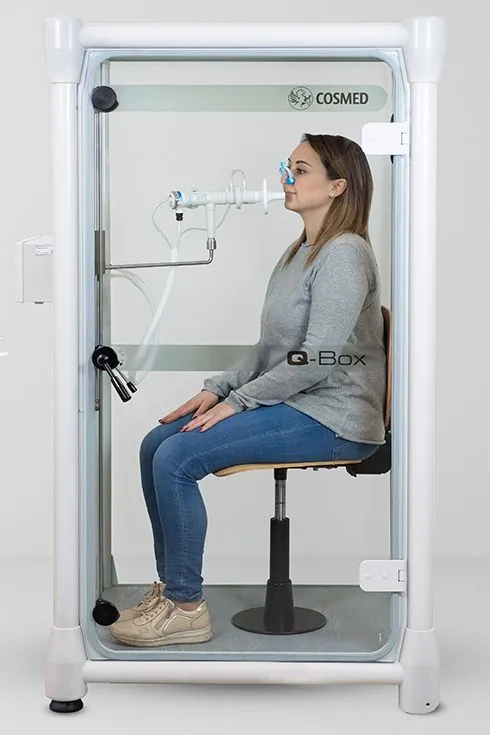
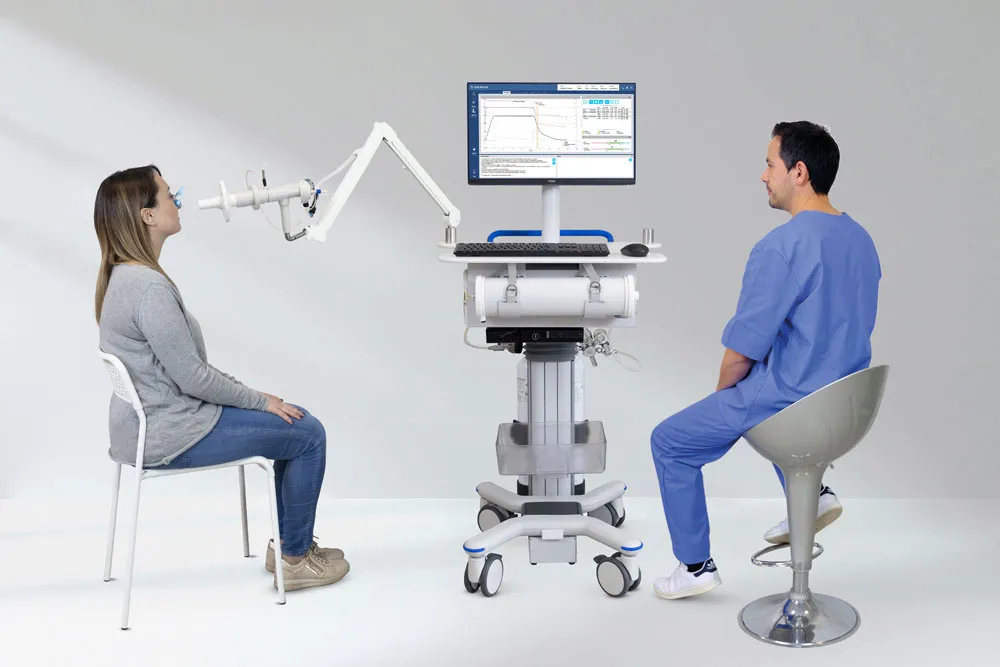
Healthcare providers utilize a variety of methods to assess lung capacity effectively. The most common method is called spirometry, which measures how much air you inhale, how much air you exhale, and how quickly you exhale.
During a spirometry test, you’ll perform a series of breathing maneuvers while a technician records the results. The key metrics evaluated include:
- Forced Vital Capacity (FVC): The total amount of air you can forcefully exhale after taking a deep breath.
- Forced Expiratory Volume in 1 Second (FEV1): The volume of air you can forcefully exhale in one second.
- FEV1/FVC Ratio: This ratio helps assess the presence of obstructive or restrictive lung disease.
In some cases, additional tests such as diffusion capacity testing (DLCO) may also be performed to assess how well oxygen crosses from the lungs into the bloodstream.
At Lopmudra Hospital, our respiratory specialists use advanced spirometry equipment and other diagnostic tools to give an accurate assessment of your lung health.
ı Treatment Options for Decreasing Lung Capacity
Treatment for decreased lung capacity largely depends on the underlying cause. Here are some standard approaches:
| Treatment Type | Description | Potential Benefits |
|---|---|---|
| Medications | Bronchodilators, corticosteroids, and other medicines can help relax airway muscles and reduce inflammation. | Reduced symptoms, improved airflow, enhanced exercise tolerance. |
| Pulmonary Rehabilitation | A structured program combining exercise, nutritional advice, and education to improve overall lung function. | Enhanced lung capacity, better quality of life, and increased physical stamina. |
| Oxygen Therapy | Providing supplemental oxygen during activities to ensure your body receives adequate oxygen. | Improved oxygen saturation levels, reduced fatigue, and increased exercise capacity. |
| Surgery | In some cases, surgical interventions such as lung volume reduction surgery may be considered. | Potentially better lung function in severe cases of COPD or emphysema. |
It is imperative to consult a qualified professional at Lopmudra Hospital to ascertain the most appropriate treatment plan based on your individual needs.
ı Lifestyle Modifications to Improve Lung Health
Beyond medical interventions, making certain lifestyle modifications can significantly enhance your lung health and overall quality of life:
- Quit Smoking: If you smoke, seek assistance in quitting as it will dramatically improve lung function and overall health.
- Stay Active: Regular physical activity helps strengthen the respiratory muscles and improve overall lung capacity. Include exercises like walking, swimming, or cycling.
- Maintain a Healthy Diet: Eating a balanced diet rich in antioxidants, omega-3 fatty acids, and vitamins can support lung function. Include plenty of fruits, vegetables, and whole grains in your diet.
- Minimize Environmental Exposure: Limit contact with pollutants, dust, or chemicals. If you need to be in a polluted environment, use protective masks.
- Practice Good Hygiene: Regular hand-washing and vaccination against influenza and pneumonia can help prevent respiratory infections.
At Lopmudra Hospital, we offer various programs aimed at providing support and guidance for making these lifestyle changes geared specifically toward enhancing lung health.
ı When to Seek Medical Help
Being attuned to your body can save lives. Recognizing when to seek medical assistance is of utmost importance, especially as lung capacity decreases. Here are some indicators:
- Experiencing significant shortness of breath, especially if it worsens over time.
- Noticing persistent or worsening coughing.
- If you have frequent respiratory infections or a history of lung disease symptoms.
- Finding that common activities, such as walking or climbing stairs, leave you feeling unusually fatigued or breathless.
If you are concerned about your respiratory health, do not hesitate to contact Lopmudra Hospital at +918087122022 or visit our website to book an appointment. Our dedicated team is here to provide you with the best care in a welcoming environment.
ı Conclusion
Lung capacity plays an indispensable role in maintaining our overall health. Being cognizant of the signs and symptoms of decreasing lung capacity and understanding how to take action is essential for anyone concerned about their respiratory health. Whether through medical evaluation, lifestyle changes, or seeking specialized treatment, our team at Lopmudra Hospital is committed to helping you breathe easier and live a healthier life. Don’t delay in seeking care—your lungs will thank you!

.webp)