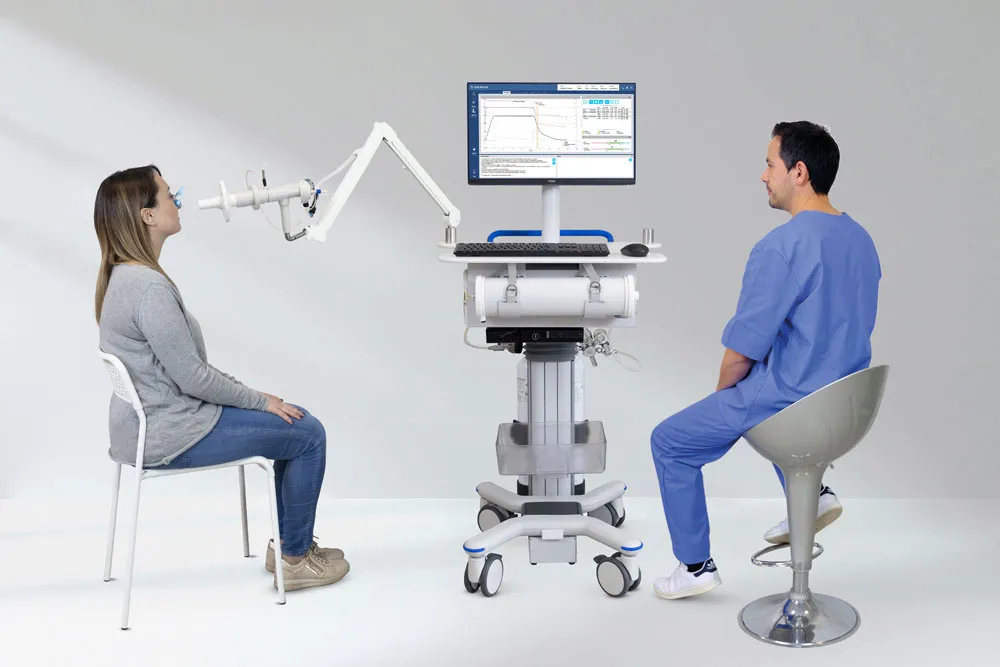
What is a Pulmonary Function Test?
A Pulmonary Function Test (PFT) is a group of tests that measure how well your lungs work. It assesses various aspects of your lung function, including the amount of air you breathe in and out, how quickly you can exhale, and how efficiently oxygen gets to your bloodstream. These tests are vital for diagnosing certain lung diseases, evaluating the severity of lung problems, and tracking the effectiveness of treatments. At Lopmudra Hospital, we offer advanced pulmonary function testing as part of our comprehensive healthcare services aimed at improving respiratory health for the community in [City].

ı Why Are Pulmonary Function Tests Necessary?
Pulmonary function tests are essential for several reasons:
- Diagnosis of Lung Diseases: Conditions such as asthma, chronic obstructive pulmonary disease (COPD), and pulmonary fibrosis can be diagnosed through these tests. Early diagnosis is crucial for effective management and treatment.
- Monitoring Disease Progression: If you already have a chronic lung condition, PFT provides essential insights into how well your treatment is working and whether your condition is worsening.
- Preoperative Assessment: For individuals undergoing surgery, especially those who have a history of lung problems, PFT can help evaluate whether your lungs are strong enough to tolerate anesthesia and surgery.
At Lopmudra Hospital, we utilize these tests to inform our personalized treatment plans and ensure the highest quality of care for our patients.
ı Types of Pulmonary Function Tests
Pulmonary function tests consist of several specific tests, each designed to measure different aspects of lung performance. The most common types include:
- Spirometry: This is the most common PFT. It measures how much air you can inhale and exhale and how quickly you can exhale. It is vital for diagnosing asthma and COPD.
- Lung Volume Measurement: This test determines the total volume of your lungs, including what remains after exhalation. It provides insight into the lung’s capacity and efficiency.
- Diffusion Capacity Test: This aspect of the PFT evaluates how effectively oxygen passes from your lungs into your bloodstream. It’s particularly helpful in identifying conditions like pulmonary fibrosis.
- Exercise Testing: Sometimes patients require assessment during exercise to determine how well the lungs perform under exertion. This type of test may involve walking on a treadmill or riding a stationary bike.
Each of these tests helps healthcare professionals at Lopmudra Hospital understand your lung health comprehensively and tailor treatments according to specific needs.
ı Preparation for a Pulmonary Function Test
To ensure accurate results, certain preparations are necessary prior to taking a pulmonary function test. The specific requirements may vary based on the type of test conducted, but here are general guidelines:
- Avoid Certain Medications: Bronchodilators and other respiratory medications might need to be withheld prior to testing. Always consult with your physician at Lopmudra Hospital for personalized advice.
- Avoid Heavy Meals: Eating a large meal before the test can alter the results. It’s best to have a light meal a few hours before.
- Wear Comfortable Clothing: It’s advised to wear comfortable clothes that allow for easy breathing. Avoid tight-fitting apparel.
- Arrive Well-Hydrated: Hydration is important for accurate measurements, so drink water leading up to your appointment.
If you have concerns about preparing for the test, reach out to us at Lopmudra Hospital to ensure seamless scheduling and pre-test guidance.
ı What to Expect During the Test
Understanding what happens during a pulmonary function test can alleviate any anxiety associated with the procedure. Here’s a typical outline of the process:
- Instruction: A healthcare professional will explain the test and what to anticipate. This ensures you understand the procedure and its importance.
- Spirometry: You will be asked to breathe into a device called a spirometer. This instrument measures the speed and volume of your breath. It might require some forceful breaths to ensure accurate readings.
- Lung Volume Measurements: You may be required to sit in a sealed room while breathing into a mouthpiece connected to a machine. This assesses lung volume using a technique called plethysmography.
- Diffusion Capacity Testing: This test generally involves inhaling a harmless gas for a few seconds to measure how well it transitions from your lungs into your blood.
After completing the tests, our healthcare team will calm any possible questions to ensure that you feel informed and secure about the results, which will be discussed in a follow-up appointment.
ı Interpreting Pulmonary Function Test Results
The results obtained from the pulmonary function tests can provide insightful data regarding your respiratory health. Outcomes will typically be expressed in several categories:
- Normal Results: Indicating healthy lung function, suggesting no significant obstruction or restriction.
- Obstructive Lung Disease: Results indicating an obstruction in airflow, which may suggest conditions such as asthma or COPD. This is characterized by a reduced FEV1 (Forced Expiratory Volume in one second) in relation to FVC (Forced Vital Capacity).
- Restrictive Lung Disease: Results indicating a restriction in lung volume, suggesting conditions such as pulmonary fibrosis. In this scenario, both FEV1 and FVC may be decreased, but their ratio typically remains normal.
At Lopmudra Hospital, our skilled pulmonary specialists will work with you to interpret your results and recommend the necessary next steps—be it treatment or further investigation.
ı Treatment Options After PFT Analysis
Depending on the outcomes of your pulmonary function tests, various treatment options may be recommended. Here are common approaches that patients may consider based on their unique situation:
| Treatment Type | Indications | Expected Benefits |
|---|---|---|
| Inhaled Medications | Asthma, COPD | Relief from symptoms, improved lung function |
| Pulmonary Rehabilitation | Chronic lung disorders | Enhanced physical endurance, educational support |
| Lifestyle Changes | All lung conditions | Improved respiratory health through diet and exercise |
| Surgery | Severe cases, lung tumors | Direct treatment of lung issues, improved quality of life |
All these treatments are monitored and adjusted as necessary at Lopmudra Hospital, where each patient’s journey to better health is our utmost priority.
ı Conclusion
Pulmonary function tests are a vital component of diagnosing and managing respiratory diseases. They offer indispensable insights into lung function and guide necessary treatment decisions. At Lopmudra Hospital, our expert team in [City] is dedicated to providing comprehensive pulmonary care, ensuring that our patients receive the highest quality treatment tailored to their individual needs. If you are experiencing symptoms related to lung function or require further information on pulmonary function tests, we encourage you to reach out to us at Lopmudra Hospital or call us at +918087122022 for more information and to schedule your appointment. Your lung health is our priority.

Leave a Reply