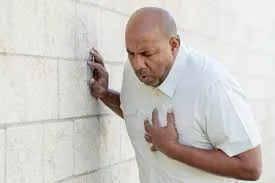
Understanding COPD: An Overview
Chronic Obstructive Pulmonary Disease (COPD) is a progressive lung disease that makes breathing difficult, characterized by long-term respiratory symptoms and airflow limitation. It is a significant health concern globally, affecting millions of people and leading to increased morbidity and mortality rates. According to the World Health Organization (WHO), COPD is predicted to be the third leading cause of death worldwide by 2030. Here at Lopmudra Hospital Chain, we understand the complexity of COPD and aim to provide comprehensive care to patients experiencing this condition.
What Causes COPD?
The primary cause of COPD is long-term exposure to substances that irritate and damage the lungs, with cigarette smoke being the most common culprit. However, there are multiple other risk factors, including:
- Environmental pollutants: Long-term exposure to fumes, chemicals, and dust can lead to worsening lung functions.
- Genetics: A rare genetic disorder called Alpha-1 Antitrypsin Deficiency can increase the risk of developing COPD.
- Age: The risk of COPD increases with age, particularly in individuals aged 40 and above.
- Respiratory infections: Frequent respiratory infections during early childhood can affect lung development and increase the risk for COPD later.
Understanding your risk factors is critical in preventing and managing COPD effectively. Always consult with healthcare professionals at Lopmudra Hospital Chain for risk assessments and preventive strategies tailored to your individual health needs.
Common Symptoms of COPD
Symptoms typically develop gradually and may vary in severity, but common indicators of COPD include:
- Shortness of Breath: Initially occurs during exertion but may progress to being noticeable at rest.
- Chronic Cough: A persistent cough that may produce mucus—sometimes referred to as “smoker’s cough.”
- Frequent Respiratory Infections: Individuals with COPD may experience more frequent colds and flu-like symptoms.
- Fatigue: Chronic fatigue and reduced stamina can significantly impact a person’s quality of life.
- Wheezing: A whistling or squeaky sound while breathing may be present.
If you notice any of these symptoms persisting over time, it is essential to consult healthcare professionals at Lopmudra Hospital Chain for a thorough evaluation and diagnosis. Early detection can significantly improve the management of COPD.
Diagnosis of COPD
To diagnose COPD, healthcare providers follow several procedures to confirm the condition and rule out other illnesses. Diagnosis typically involves:
- Medical History: A complete medical history, including smoking history and exposure to lung irritants, is taken.
- Physical Examination: Doctors might perform a physical examination to observe signs of COPD, such as wheezing or signs of lung hyperinflation.
- Pulmonary Function Tests (PFTs): Spirometry is the most common test to measure lung function, determining how much air one can breathe in and out and how quickly.
- Chest Imaging: Chest X-rays or CT scans may provide an image of the lungs to check for signs of COPD or other lung diseases.
- Arterial blood gas analysis: This test checks the oxygen and carbon dioxide levels in the blood to evaluate respiratory function.
At Lopmudra Hospital Chain, our specialists utilize advanced equipment and technologies to ensure accurate diagnostic assessments for optimal treatment planning.
Treatment Options for COPD
While there is currently no cure for COPD, effective treatments are available to manage symptoms and improve quality of life. Treatment may include:
- Medications:
- Bronchodilators: These medications relax the muscles around the airways, making breathing easier.
- Inhaled Corticosteroids: Used to reduce inflammation in the lungs.
- Combination Inhalers: These combine bronchodilators and corticosteroids for greater effect.
- Phosphodiesterase-4 Inhibitors: These help reduce inflammation and relax airways.
- Oxygen Therapy: Home oxygen therapy may be prescribed to ensure adequate oxygen levels in the blood.
- Pulmonary Rehabilitation: A customized program that combines education, exercise training, nutrition advice, and counseling.
- Surgery: In severe cases, surgical interventions such as lung volume reduction surgery or lung transplantation may be options.
The appropriate treatment plan will depend on the severity of the disease and specific patient needs. At Lopmudra Hospital Chain, our respiratory specialists will personalize treatment strategies that suit your lifestyle and medical condition.
Lifestyle Changes to Manage COPD
Beyond medical treatments, lifestyle modifications can significantly improve the quality of life for those with COPD. Consider the following changes:
- Quitting Smoking: This is the single most critical step someone with COPD can take to slow disease progression.
- Regular Exercise: Low-impact exercises tailored to your ability can strengthen respiratory muscles and improve overall fitness.
- Healthy Eating: A nutritious diet rich in fruits, vegetables, lean proteins, and whole grains supports overall health.
- Staying Hydrated: Proper hydration helps keep mucus thin and eases breathing.
- Avoiding Lung Irritants: Steer clear of smoke, strong odors, and air pollutants that can worsen symptoms.
These lifestyle changes can be supported through education and counseling services available at Lopmudra Hospital Chain, emphasizing a holistic approach to managing COPD effectively.
Understanding the Prognosis of COPD
The prognosis of COPD varies significantly among individuals based on factors such as the severity of the disease, response to treatment, and adherence to lifestyle changes. However, early diagnosis, appropriate management, and continuous monitoring can improve outcomes. Regular follow-ups with healthcare providers are essential to assess the progression of the disease and adapt treatment plans accordingly. Several studies indicate that patients who actively participate in their management plan often experience better health outcomes and improved quality of life.
At Lopmudra Hospital Chain, our dedicated team works closely with patients to ensure they understand their condition and actively engage in their care, promoting a collaborative approach for better management of COPD.
When to Seek Medical Help
COPD symptoms can worsen over time, making regular communication with your healthcare provider crucial. Seek immediate medical attention if you notice:
- Sudden worsening of breathlessness compared to your usual state.
- Increased mucus production, especially if it turns yellow, green, or brown.
- Chest pain or discomfort.
- Signs of respiratory infections, such as fever or chills.
Our healthcare professionals at Lopmudra Hospital Chain are dedicated to providing timely medical intervention to assist in managing exacerbations and maintaining optimal lung health.
Conclusion: Living Well with COPD
Living with COPD may present challenges, but various resources, treatment options, and lifestyle changes can significantly enhance your quality of life. Awareness of your condition and the ways to manage it can empower you to lead a fulfilling life despite COPD. At Lopmudra Hospital Chain, we are committed to offering exceptional care, information, and support to patients and families dealing with this chronic condition. Do not hesitate to reach out to the specialists available via our contact numbers for assistance, and book an appointment to explore how we can help you effectively manage your health.
This article was written by Dr. Sneha Tirpude, sharing insights based on professional experience in the field.
Leave a Reply