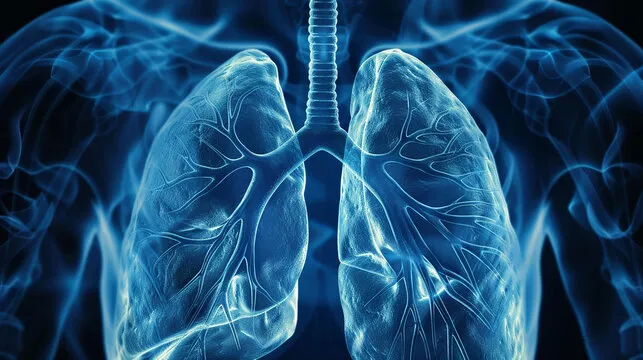
Understanding COPD: Chronic Obstructive Pulmonary Disease
Chronic Obstructive Pulmonary Disease, commonly referred to as COPD, is a progressive lung disease characterized by increasing breathlessness. It includes two major conditions: chronic bronchitis and emphysema. Understanding COPD is crucial for timely diagnosis and effective treatment, which significantly improves patient quality of life. At Lopmudra Hospital, our healthcare professionals are dedicated to providing comprehensive care to individuals diagnosed with this condition.
What Causes COPD?
The most significant cause of COPD is long-term exposure to harmful substances, particularly from smoking tobacco. In fact, approximately 85-90% of COPD cases are attributed to smoking. However, other factors can also contribute to its development:
- Environmental Pollution: Prolonged exposure to pollutants, such as dust, chemicals, and fumes, can significantly increase the risk of developing COPD.
- Genetic Factors: A rare genetic disorder called alpha-1 antitrypsin deficiency can lead to COPD at a younger age.
- Occupational Hazards: Jobs that expose individuals to irritating dust and chemical fumes can contribute to lung damage over time.
Recognizing these causes is vital for prevention, especially here in Delhi, where air pollution levels can be concerning. Our team at Lopmudra Hospital emphasizes preventive measures to protect lung health.
Common Symptoms of COPD
Symptoms of COPD often develop gradually, and many patients may not notice them until the disease has progressed. Common symptoms include:
- Shortness of breath: Initially occurring during physical activities, it can eventually manifest even at rest.
- Chronic cough: Producing mucus is a hallmark of chronic bronchitis.
- Frequent respiratory infections: Patients are more susceptible due to reduced lung function.
- Fatigue: Reduced oxygen flow can lead to persistent tiredness and lack of energy.
If you or a loved one experience these symptoms, it is important to consult with a healthcare professional at our respiratory unit in Lopmudra Hospital for a thorough assessment and personalized care.
Diagnosis of COPD
Early diagnosis is key to managing COPD effectively. Several diagnostic tools are utilized in our facilities at Lopmudra Hospital, including:
- Medical History Review: Understanding symptoms and risk factors.
- Physical Examination: Listening for wheezing or abnormal lung sounds.
- Pulmonary Function Tests: These tests measure lung capacity and airflow. The most common test is spirometry, which helps to classify the severity of COPD.
- Imaging Tests: Chest X-rays or CT scans provide detailed images of lung structure and help identify other conditions that may resemble COPD.
Our skilled team works collaboratively to ensure an accurate diagnosis and develop a tailored treatment plan for your COPD management.
Treatment Options for COPD
While COPD is a chronic condition with no cure, there are various treatment options available to manage symptoms and improve quality of life. Treatment plans may include:
- Medications:
- Bronchodilators: These are inhaled medications that help open airways, making breathing easier.
- Corticosteroids: Reducing inflammation in the lungs, these medications can be taken in inhaled or oral forms.
- Lifestyle modifications:
- Smoking cessation: Quitting smoking is the single most effective way to slow the progression of COPD. Support programs are available at Lopmudra Hospital.
- Nutrition and Exercise: Adopting a healthy diet and staying active are essential components of managing COPD.
- Oxygen Therapy: For patients with advanced COPD, supplemental oxygen may be necessary to ensure adequate oxygen levels in the blood.
- Rehabilitation Programs: Pulmonary rehabilitation includes exercise, education, and support to help patients manage their condition effectively.
Each treatment plan is customized based on the specific needs of the patient, ensuring the best possible outcomes here at Lopmudra Hospital.
The Role of Lifestyle Changes in COPD Management
Making lifestyle changes plays an instrumental role in managing COPD. Here are some critical adjustments that can significantly impact disease progression:
- Quitting Smoking: One of the most effective ways to slow the decline in lung function.
- Regular Exercise: Engaging in regular physical activity helps improve lung capacity and overall health.
- Breathing Techniques: Techniques such as pursed-lip breathing help manage breathlessness.
- Nutritional Support: Maintaining a healthy diet can boost energy levels and overall health.
At Lopmudra Hospital, our pulmonologists guide patients in creating personalized lifestyle plans that support their lung health and enhance overall well-being.
Regular Monitoring and Follow-Up Care
COPD is a progressive disease that requires ongoing monitoring. Regular follow-ups with your healthcare team at Lopmudra Hospital can help manage symptoms and adjust treatment plans as necessary:
- Routine Check-ups: Schedule regular appointments to monitor lung function and evaluate treatment efficacy.
- Vaccinations: Annual flu and pneumonia vaccines can help prevent respiratory infections in COPD patients.
- Self-Management Education: Understanding symptoms, medication management, and when to seek medical attention are vital elements of effective COPD management.
Empowering patients with knowledge and support fosters proactive engagement in their health journey, leading to optimal outcomes.
Living with COPD: Patient Stories and Support
Many individuals with COPD lead full and active lives with the right support and management strategies. Our patients at Lopmudra Hospital often share inspiring stories of resilience and determination. Support groups within our hospital provide patients with opportunities to connect with others facing similar challenges, fostering a sense of community that can be invaluable in facing this chronic condition.
These interactions allow patients to exchange tips on managing symptoms, coping mechanisms, and boosting mental health—all of which are essential aspects of living well with COPD. We encourage our patients and their families to engage in these supportive networks as they navigate their health journeys.
Conclusion: Seeking Help and Support
Living with Chronic Obstructive Pulmonary Disease presents unique challenges, but understanding the condition, utilizing available treatment options, and making necessary lifestyle adjustments can pave the way for improved quality of life. If you or someone you know is experiencing symptoms of COPD, timely intervention can make a significant difference. The staff at Lopmudra Hospital is here to provide expert care and support tailored to your needs.
For more information or to schedule a consultation, feel free to reach us at +918087122022 or visit our website at Lopmudra Hospital. With a commitment to excellence in respiratory health care, we are here to support you every step of the way.
This article was written by Dr. Sneha Tirpude, sharing insights based on professional experience in the field.
Leave a Reply