Gallstones in females: causes, symptoms and treatment options explained
Gallstones are a common health issue affecting millions worldwide, and women are disproportionately affected. This comprehensive guide explains what gallstones are, why women are at higher risk, how gallstones are diagnosed, and the full range of treatment options — from watchful waiting to emergency gallstone surgery. If you live in Pune or near Swargate and are searching for “gallstone surgery in Pune” or “laparoscopic cholecystectomy in Pune,” this article will help you understand the choices and how Lopmudra Swargate can support you.
What are gallstones?
Gallstones are hardened deposits that form in the gallbladder, a small pear-shaped organ beneath the liver that stores bile — a digestive fluid produced by the liver to help break down fats. Gallstones range in size from tiny grains to stones as large as a golf ball. Most gallstones form when bile contains too much cholesterol, too much bilirubin, or when the gallbladder does not empty properly.
Two main types of gallstones are recognized:
- Cholesterol stones: These are the most common type in many populations and are primarily composed of hardened cholesterol. They often appear yellow-green in colour.
- Pigment stones: These are smaller and darker and are made of bilirubin. They are more common in certain medical conditions such as hemolytic anemia or cirrhosis.
Gallstones may be asymptomatic (silent) in many people and detected incidentally on ultrasound or CT scans. However, when a stone obstructs the cystic duct or common bile duct, it can cause pain, inflammation (cholecystitis), infection, or complications like pancreatitis and cholangitis.
Globally, an estimated 10–15% of adults in developed countries may have gallstones, with prevalence influenced by diet, genetics, body weight, and other factors. In India, population studies suggest prevalence varies regionally and by age, with estimates often ranging between 4–10% in community-based surveys. These numbers help explain why many women in Pune and Swargate seek gallstone evaluation and treatment at hospitals such as Lopmudra when symptomatic.
Why are women more at risk? causes and risk factors
Female sex is a well-established risk factor for gallstone formation. Hormonal and physiological differences explain much of the gender gap. Female hormones, particularly estrogen, increase cholesterol secretion into bile and can reduce gallbladder motility, both of which promote gallstone formation. This is why gallstones are often remembered by the clinical mnemonic “fat, fertile, forty,” though gallstones can occur outside these parameters.
Key risk factors for gallstones in women include:
- Female sex and estrogen exposure: Use of oral contraceptives, hormone replacement therapy, and pregnancy increase estrogen levels and the risk of cholesterol stones.
- Pregnancy: Pregnancy increases gallstone risk due to hormonal changes and reduced gallbladder emptying. Multiple pregnancies further increase lifetime risk.
- Obesity and weight fluctuation: Obesity increases cholesterol synthesis and secretion into bile. Rapid weight loss, paradoxically, can also promote gallstones by causing bile supersaturation and gallbladder stasis.
- Age: Gallstone prevalence increases with age, with a higher frequency in middle-aged and older women.
- Family history and genetics: A family history of gallstones increases individual risk, and certain ethnic groups have higher prevalence.
- Medical conditions: Diabetes, metabolic syndrome, certain hemolytic disorders, liver disease, and prolonged parenteral nutrition may predispose to stone formation.
For women in Pune, lifestyle factors such as diet (high in fats and refined carbohydrates), sedentary habits, and increasing rates of obesity contribute to rising gallstone prevalence. Local data from urban Indian populations show an increasing burden of gallstone disease correlating with changing dietary patterns. Recognizing these modifiable risk factors is important for prevention: maintaining a healthy weight, balanced diet, and regular physical activity can reduce risk.
Symptoms and how gallstones are diagnosed
Many people with gallstones remain symptom-free, but when stones obstruct ducts or cause inflammation, symptoms can range from episodic pain to life-threatening infection. Understanding typical symptoms helps patients seek timely care. The classic symptom is biliary colic — a sudden, intense pain in the upper right abdomen or mid-abdomen that can radiate to the back or right shoulder blade. Pain often follows meals, particularly fatty meals, and may last from minutes to several hours.
Common symptoms and signs include:
- Biliary colic: Severe, crampy pain in the upper right abdomen or epigastrium, often after eating.
- Nausea and vomiting: Frequent during pain episodes.
- Fever and chills: Suggest cholecystitis (inflamed gallbladder) or cholangitis (bile duct infection) — these symptoms require urgent medical attention.
- Jaundice (yellowing of eyes/skin): Suggests common bile duct obstruction.
- Dark urine, pale stools: Signs of bile flow obstruction.
Diagnostic approach:
- Ultrasound abdomen: The first-line imaging test for gallstones. It accurately detects gallstones in the gallbladder, gallbladder wall thickening, and signs of inflammation.
- Blood tests: Liver function tests (bilirubin, ALT, AST, ALP, GGT), complete blood count (to look for infection), and pancreatic enzymes (amylase, lipase) help identify complications.
- HIDA scan (cholescintigraphy): Used when ultrasound is inconclusive and to assess cystic duct obstruction and gallbladder function.
- MRCP (magnetic resonance cholangiopancreatography): Non-invasive method to image bile ducts and detect stones in the common bile duct.
- ERCP (endoscopic retrograde cholangiopancreatography): Both diagnostic and therapeutic for common bile duct stones. ERCP is typically reserved when ductal stones are suspected or confirmed.
For Pune residents, prompt evaluation at centres like Lopmudra Swargate, which offers ultrasound and advanced imaging plus experienced general surgeons, can expedite diagnosis and avoid complications. If you have severe abdominal pain, fever, or jaundice, seek immediate attention for possible emergency gallstone surgery in Pune or ERCP.
Treatment overview: when to treat and when to observe
Treatment decisions depend on symptoms, stone location, complications, patient health status, and patient preferences. Many patients with asymptomatic gallstones do not require immediate treatment and can be managed with observation because only a fraction progress to symptoms. On the other hand, symptomatic stones, recurrent biliary colic, cholecystitis, cholangitis, or pancreatitis almost always require intervention.
General treatment pathways:
- Conservative/watchful waiting: For asymptomatic stones, especially in older patients or those with significant comorbidities where surgical risk is high. Regular follow-up and education about warning symptoms are important.
- Medical therapy: Oral bile acid dissolution therapy (ursodeoxycholic acid) may dissolve small cholesterol stones in select patients but is slow, often incomplete, and not commonly used as first-line therapy.
- Endoscopic treatment (ERCP): Used to remove stones from the common bile duct, relieve obstruction, and treat cholangitis. ERCP may be combined with cholecystectomy or performed before/after surgery.
- Surgical treatment: Cholecystectomy (gallbladder removal) is the definitive treatment for symptomatic gallstones. Surgical approaches include laparoscopic cholecystectomy (the most common, minimally invasive option) and open cholecystectomy in selected situations.
- Emergency surgery: For complications like emphysematous cholecystitis, gangrenous cholecystitis, uncontrolled sepsis or unresolving biliary obstruction, emergency gallstone surgery in Pune and elsewhere is indicated to prevent life-threatening outcomes.
Choosing between options requires individualized assessment. For most women of childbearing age with symptomatic gallstones, laparoscopic cholecystectomy is safe and effective. For patients in Pune seeking the best gallstone surgeon in Pune or affordable options like affordable gallstone surgery Swargate Pune, discuss risks, benefits, and expected recovery time with your surgical team at Lopmudra to plan care tailored to your needs.
Surgical options: laparoscopic versus open cholecystectomy and other techniques
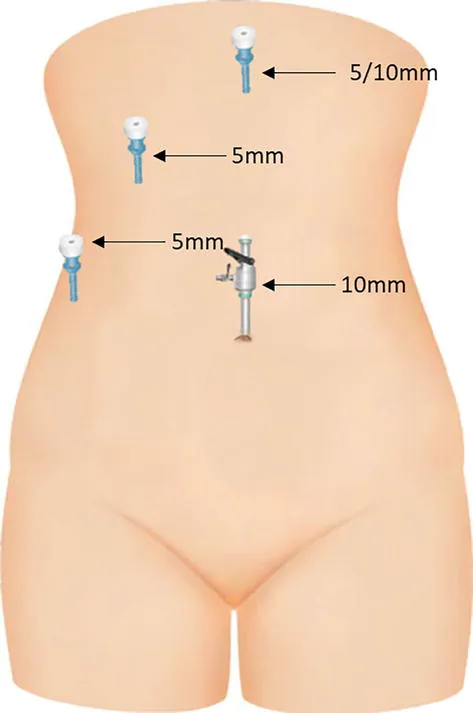
Surgery is the definitive treatment for symptomatic gallstones. The most frequently performed operation is laparoscopic cholecystectomy (lap chole), a minimally invasive surgery, which has become the gold standard in most centres including those in Pune and Swargate. However, open cholecystectomy remains necessary in some situations. Below we explain each approach, benefits, risks, and typical recovery times to help you compare.
| Procedure type | Benefits | Recovery time |
|---|---|---|
| Laparoscopic cholecystectomy (lap chole) | Minimally invasive, less postoperative pain, shorter hospital stay, faster return to work. | 1–2 weeks for routine activities; most resume light activity in 2–3 days. |
| Open cholecystectomy | Better visualization in complex anatomy, may be necessary in severe inflammation or scarring. | 4–6 weeks or more; longer hospital stay and recovery. |
| Single-incision laparoscopic surgery / NOTES | Potentially less scarring and improved cosmetic outcome; availability limited to select centres. | Similar to lap chole; recovery may be comparable but depends on centre expertise. |
Laparoscopic cholecystectomy in Pune and Swargate is widely offered as minimally invasive gallstone surgery in Pune, with high success rates and low complication rates when performed by experienced surgeons. Conversion to open cholecystectomy is sometimes necessary when severe inflammation, bleeding, or difficult anatomy prevents safe laparoscopic dissection.
Surgical decision-making considers: patient age and comorbidities, severity of inflammation, presence of gallbladder perforation or gangrene, common bile duct stones, prior abdominal surgery, and surgeon expertise. If you search for the best general surgeon in Pune or the top general surgeon in Pune, ask about their experience with laparoscopic cholecystectomy, complication rates, and whether they perform advanced options like intraoperative cholangiography or laparoscopic common bile duct exploration.
Non-surgical and alternative treatments: what works and what doesn’t
While surgery is the definitive solution for symptomatic gallstones, there are non-surgical options in select cases. Understanding their limitations and appropriate use is essential, especially for women who may prefer non-operative management or for whom surgery carries higher risk.
Non-surgical options include:
- Oral bile acid therapy (ursodeoxycholic acid): This medication can dissolve small, cholesterol-rich gallstones over months to years. Suitability is limited: stones should be small, non-calcified, and the gallbladder must be functioning. Recurrence is common once therapy stops.
- Shock wave lithotripsy (extracorporeal shock wave lithotripsy – ESWL): Rarely used for gallbladder stones; it fragments stones using sound waves, but stones often re-form, and the procedure requires specialized equipment.
- Endoscopic removal (ERCP): ERCP does not remove stones from the gallbladder but is highly effective for stones lodged in the common bile duct. ERCP is often followed by cholecystectomy to prevent recurrence.
- Watchful waiting: Asymptomatic stones are often observed because only a minority become symptomatic each year. The approximate risk of developing symptoms is about 1–2% per year, accumulating to around 10–20% over 5–10 years in many cohorts.
Limitations and considerations:
- Non-surgical therapies are generally slower and less reliable than surgery.
- Recurrence rates are higher after medical dissolution than after cholecystectomy.
- ESWL and ursodeoxycholic acid are suitable only for a minority of patients and are rarely used as first-line in many centres including those in Pune.
For women in Pune seeking gallstone treatment in Pune, the most common and durable option remains laparoscopic cholecystectomy. If you are considering non-surgical options, have a detailed discussion at Lopmudra Swargate about suitability, expected outcomes, and follow-up requirements.
Costs and comparisons: what to expect in Pune and Swargate
Cost is a common concern for patients considering gallbladder surgery. In Pune, procedure costs vary depending on the hospital, surgeon experience, whether the procedure is elective or emergency, and any associated services (pre-op tests, anesthesia, length of stay). Many patients search for “gallstone surgery cost in Pune”, “lap chole cost in Pune”, or “laparoscopic gallbladder removal cost in Pune” when evaluating options.
Typical cost considerations:
- Elective laparoscopic cholecystectomy: Generally less expensive than emergency procedures due to predictable planning and shorter hospital stays.
- Emergency gallstone surgery: Costs may be higher because of urgent imaging, possible ICU stay, blood tests, and potential complications.
- Hospital location and reputation: Tertiary hospitals and surgeons with specialized experience may charge more, while smaller centres may offer lower-cost packages.
- Insurance: Many health insurance plans cover cholecystectomy when medically necessary. Confirm coverage terms and pre-authorization requirements before scheduling surgery.
| Service | What it includes | Typical cost drivers |
|---|---|---|
| Elective lap chole | Pre-op tests, anesthesia, surgeon fees, 1–2 day stay | Surgeon experience, implants, lab tests |
| Emergency cholecystectomy | All above + urgent imaging, antibiotics, possible ICU | Severity of disease, length of stay, ICU |
| ERCP ± sphincterotomy | Endoscopic removal of ductal stones, may precede/ follow surgery | Endoscopist fees, stents, hospital stay |
At Lopmudra Swargate, patients can enquire about package pricing for gallstone surgery hospital in Pune services and get assistance with appointments via the website https://lopmudrahospitals.com/, phone +91-8087122022, or WhatsApp +91-8379033033. For those searching “gallstone surgery near me Pune” or “gallstone surgery in Swargate Pune”, Lopmudra offers patient counseling to discuss estimated lap chole cost in Pune and to clarify insurance coverage before treatment.
Choosing a surgeon and hospital: what to look for in Pune and Swargate
Selecting the right surgeon and hospital is crucial for safety, outcomes, and peace of mind. When searching for the best gallstone surgeon in Pune or the best gallstone surgeon in Swargate Pune, consider the following factors:
- Surgeon experience and accreditation: Look for a general surgeon with extensive experience in laparoscopic cholecystectomy, and if possible, subspecialty experience in biliary surgery. Ask about annual case volume and complication rates. Searching for “laparoscopic cholecystectomy near Swargate Pune” should yield experienced local surgeons at Lopmudra Swargate.
- Hospital facilities: Ensure the hospital has modern operating rooms, laparoscopic equipment, reliable anesthesia services, and access to ERCP and imaging. Availability of an intensive care unit and blood bank is important for emergencies.
- Multidisciplinary support: Coordination between surgeons, gastroenterologists (for ERCP), radiologists, and anesthesiologists improves care, especially for complex cases.
- Patient reviews and outcomes: Patient testimonials, referral patterns, and peer recommendations can help identify trustworthy teams. Look for centres that provide clear pre-op counseling and post-op follow-up.
- Cost transparency and patient support: Transparent pricing, help with insurance claims, and clear discharge instructions are important for patient satisfaction. For affordable care, ask about packaged pricing like “affordable gallstone surgery Swargate Pune”.
Lopmudra Hospital in Swargate is positioned to provide comprehensive gallstone care: from non-invasive diagnosis to advanced laparoscopic cholecystectomy and emergency procedures. To book an appointment with a general surgeon in Swargate, Pune, visit our website, call +91-8087122022, or message on WhatsApp +91-8379033033 for prompt scheduling and guidance on gallstone surgery in Swargate Pune or related services.
Recovery, follow-up and returning to normal life
Recovery after gallbladder surgery depends on the approach chosen. Laparoscopic cholecystectomy typically allows faster recovery, minimal scarring, and earlier return to work compared with open surgery. Knowing what to expect helps women plan family, work, and caregiving responsibilities.
Typical recovery milestones after laparoscopic cholecystectomy:
- Immediate post-op: Most patients spend a few hours in recovery and a short hospital stay (same day to 24 hours) depending on pain control and mobility.
- First week: Light activity is encouraged; pain is usually manageable with oral analgesics. Keeping wounds clean and avoiding heavy lifting is important.
- 1–2 weeks: Many patients resume desk work and normal daily activities within this period. For women with caregiving roles, planning support during the first few days helps a comfortable recovery.
- 4–6 weeks: Strenuous activity and heavy lifting are typically resumed after clearance by the surgeon, especially if open cholecystectomy was performed.
lap chole recovery time Pune can vary by individual factors — age, coexisting medical conditions, and complexity of surgery. Most patients in Pune report quick recovery due to minimally invasive techniques and structured discharge advice. Postoperative follow-up usually includes a clinic visit within 1–2 weeks and additional visits as needed.
Warning signs that require urgent medical attention:
- High fever, shaking chills, or persistent vomiting
- Increasing abdominal pain not controlled by prescribed medication
- Wound redness, swelling, or discharge suggestive of infection
- Jaundice, dark urine, or pale stools after surgery
For emergency concerns or questions about recovery, residents of Swargate and Pune can contact Lopmudra’s helpline at +91-8087122022 or WhatsApp +91-8379033033 for guidance or urgent appointments for suspected complications like retained common bile duct stones or infection.
Frequently asked questions and statistics: what women in Pune commonly ask
Below are concise answers to common patient questions and helpful statistics to put risk and outcomes into perspective:
- Are gallstones common in women? Yes. Women are approximately 2–3 times more likely than men to develop gallstones, especially during the reproductive years due to estrogen effects.
- What percentage of people with gallstones develop symptoms? Approximately 1–2% per year of people with asymptomatic stones develop biliary pain or complications; over several years, around 10–20% may become symptomatic.
- Is laparoscopic cholecystectomy safe? Yes. When performed by experienced surgeons, it is safe with low complication rates. Most patients recover within 1–2 weeks.
- Will I need ERCP too? ERCP is required if stones are present in the common bile duct. Many centres perform ERCP before or after cholecystectomy depending on clinical findings.
- Can gallstones be prevented? Maintain a healthy weight, avoid rapid weight loss, eat a balanced diet with high fibre, and stay physically active. While not all stones are preventable, lifestyle modifications reduce risk.
Local context and outcomes: In urban Indian hospitals, laparoscopic cholecystectomy success rates are high, with most patients discharged within 24–48 hours after uncomplicated surgery. For women seeking “gallbladder stone treatment in Pune” or “gallbladder removal near Swargate Pune,” Lopmudra provides tailored care plans, transparent cost estimates, and post-op support to help you return safely to normal life.
How to take the next step: making an appointment at Lopmudra Swargate
If you suspect gallstones or have symptomatic biliary pain, early assessment reduces the risk of complications. For patients in Pune and Swargate seeking expert care, Lopmudra Hospital offers diagnostic imaging, experienced general surgeons, and laparoscopic facilities for timely treatment.
How to book:
- Visit our appointment page: https://lopmudrahospitals.com/
- Call: +91-8087122022
- WhatsApp: +91-8379033033 for quick queries and scheduling
When calling or messaging, mention symptoms, ultrasound reports (if available), and any prior history of jaundice, pancreatitis, or abdominal surgery. If you need urgent care for severe pain, fever, or jaundice, request an immediate evaluation for possible emergency gallstone surgery in Pune.
Lopmudra Swargate is committed to providing evidence-based, patient-centred care for gallstone disease. Our multidisciplinary team offers comprehensive services from diagnosis to advanced laparoscopic gallbladder surgery and post-operative rehabilitation with compassionate guidance throughout your recovery. Whether you search for “laparoscopic gallbladder surgery in Pune,” “gallstone surgery cost in Pune,” or “gallbladder removal surgery in Pune,” Lopmudra aims to deliver transparent information and high-quality outcomes.
This article was written by Dr. Raiba Deshmukh , sharing insights based on professional experience in the field. Keep it it
Leave a Reply