Open Heart Surgery: An Honest, Calm Conversation
Hearing the words “you may need open heart surgery” can be scary. Many patients and families in Swargate, Camp, and across Pune immediately worry about risk, survival, and what life will look like after the operation.
At Lopmudra Meera Hospital, Camp–Swargate, Pune, our goal is to give you clear, honest, evidence-based information so you can make an informed decision with your heart specialist. This article explains:
-
Who benefits most from open heart surgery
-
Key risks and how doctors work to reduce them
-
Success rates and outcomes – what really influences results
-
Essential questions to ask your heart surgeon before saying yes

What Is Open Heart Surgery?
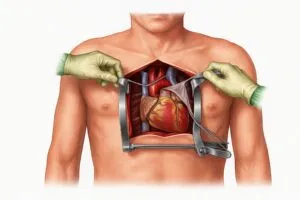
“Open heart surgery” usually means an operation where:
-
The chest bone (sternum) is opened
-
The heart is accessed directly
-
In many procedures, a heart–lung machine temporarily takes over pumping so surgeons can work safely on the heart
Common open-heart procedures include:
-
Coronary Artery Bypass Grafting (CABG) – “bypass surgery” for blocked heart arteries
-
Heart valve repair or replacement – for leaking or narrowed valves (aortic, mitral, etc.)
-
Surgery for congenital (birth) heart defects
-
Surgery for aneurysms or aortic disease
-
Some procedures for advanced heart failure
Today, less-invasive options like angioplasty, stents, TAVI and keyhole/minimally invasive surgery are available for selected patients, but for many conditions, open surgery is still the safest, most durable option.
Who Benefits Most from Open Heart Surgery?
Your cardiologist may discuss open heart surgery if one or more of the following apply.
1. Severe Artery Blockages (Coronary Artery Disease)
You may benefit from bypass surgery (CABG) if:
-
You have multiple or critical blockages in the heart arteries
-
Symptoms like chest pain or breathlessness persist despite medicines and stents
-
The left main artery or multiple major vessels are involved
-
You’ve had repeated angioplasty and blockages keep coming back
Possible benefits include fewer angina episodes, better exercise capacity, and lower risk of heart attack in selected groups.
2. Significant Heart Valve Disease
You may need valve repair or replacement if you have:
-
Severe aortic stenosis (narrowed valve)
-
Severe mitral regurgitation (leaking valve) or stenosis
-
Valve damage from rheumatic heart disease
-
Symptoms such as breathlessness, swelling, fainting, or chest pain
Correcting valve disease can improve pumping efficiency, reduce heart failure symptoms, and improve long-term survival.
3. Selected Heart Failure Cases
Open heart surgery (bypass or valve surgery) may be recommended if:
-
Heart failure is due to severe blockages or valve disease that can be corrected
-
Medicines and devices alone are not enough
In carefully chosen patients, surgery can lead to better symptoms, fewer hospital admissions, and improved survival.
4. Congenital Heart Defects & Structural Problems
For some birth defects or structural issues (holes in the heart, abnormal blood vessel connections, etc.), open heart surgery may be the only definitive treatment to prevent long-term damage.
Benefits of Open Heart Surgery – What You Can Reasonably Expect
While every case is different, open heart surgery can offer major benefits:
-
Relief from symptoms
– Less chest pain, breathlessness, fatigue -
Better heart function
– Improved pumping ability and circulation -
Lower risk of heart attack and cardiac events (in selected coronary artery disease patients)
-
Improved quality of life
– More energy for work, family, and daily activities -
Longer survival
– Especially in people with high-risk coronary artery disease or advanced valve disease
These benefits depend heavily on your overall health, the type of surgery, and how well you follow medications and rehabilitation afterwards.
Key Risks of Open Heart Surgery – And How Doctors Reduce Them
No major surgery is risk-free. The aim is not to hide risk, but to understand it and reduce it as much as possible.
1. Infection
Possible issues:
-
Wound infection at the chest or leg (bypass graft site)
-
Rarely, deeper infections involving bone or heart structures
What doctors do to reduce it:
-
Strict sterile operation theatre protocols
-
Antibiotics before and after surgery
-
Blood sugar control in diabetics
-
Regular wound checks and proper dressing care
2. Bleeding & Need for Transfusion
Possible issues:
-
Bleeding during or after surgery
-
Sometimes need for blood transfusion or a second operation
What doctors do to reduce it:
-
Meticulous surgical technique
-
Stopping or adjusting blood thinners in advance when safe
-
Blood-conserving strategies during surgery
-
Close monitoring in ICU and early treatment if bleeding occurs
3. Stroke & Blood Clots
Possible issues:
-
Clots can travel to the brain or lungs, causing stroke or breathlessness
What doctors do to reduce it:
-
Careful handling of major blood vessels
-
Blood thinners when appropriate
-
Control of blood pressure and heart rhythm
-
Early mobilisation after surgery
4. Irregular Heart Rhythms (Arrhythmias)
Possible issues:
-
Common after surgery, especially atrial fibrillation
-
Can cause palpitations, fatigue or increased stroke risk
What doctors do to reduce it:
-
Continuous heart monitoring in ICU
-
Medicines to control rate or rhythm
-
Blood thinners where indicated
-
Most arrhythmias are temporary and settle with treatment
5. Lung, Kidney or Other Organ Problems
Possible issues:
-
Temporary breathing issues or pneumonia
-
Worsening of kidney function, especially in those with prior kidney disease
-
Rarely, problems with other organs
What doctors do to reduce it:
-
Pre-operative assessment of lungs and kidneys
-
Optimising blood pressure, diabetes and other conditions before surgery
-
Gentle fluid and medicine management in ICU
-
Breathing exercises, chest physiotherapy and early walking
6. Risk of Death
This is the most worrying but most openly discussed risk.
-
For many planned (elective) CABG or valve surgeries in otherwise stable patients, short-term mortality is often in the low single digits (around a few percent or less, depending on risk profile).
-
Risk is higher in emergencies, re-do surgeries, very elderly patients, or those with multiple serious illnesses.
Your team will usually calculate an individual risk score and discuss it with you in simple language so you understand your personal risk, not just averages.
Success Rates & Outcomes: What Really Affects Results?
“What are my chances of a good outcome, given my health and type of surgery?”
Key factors include:
1. Age
-
Younger patients usually recover faster and have lower risk
-
Well-selected older patients (even over 70) can do very well, but risk is slightly higher and recovery may be slower
2. Other Health Conditions
-
Diabetes, high blood pressure, high cholesterol
-
Kidney disease or lung disease (COPD, asthma)
-
Previous stroke or peripheral artery disease
These don’t automatically rule out surgery but do increase risk and require careful optimisation before the operation.
3. Lifestyle Factors
-
Smoking increases the risk of lung infection, slow healing and complications
-
Obesity, poor diet and lack of exercise affect both recovery and long-term heart health
Quitting smoking, improving diet and regular walking before and after surgery can significantly improve outcomes.
4. Emergency vs Planned Surgery
-
Planned (elective) surgery has better outcomes because doctors have time to optimise your condition
-
Emergency surgery (during or soon after a heart attack, or for a life-threatening complication) carries a higher risk but may be life-saving
5. Quality of Post-Operative Care & Rehabilitation
-
Early mobilisation, chest physiotherapy, infection prevention and cardiac rehab strongly influence recovery
-
Patients who take medicines regularly, attend follow-ups and adopt heart-healthy habits generally live longer and feel better after surgery.
How to Book an Appointment at Lopmudra Meera Hospital
Booking a heart consultation is simple:
-
Call: +91 83780 22022 / +91 83790 33033
-
WhatsApp: Use the same numbers for appointments and quick queries
-
Website: Visit https://lopmudrahospitals.com and fill out the contact/appointment form.
Open Heart Surgery Risks vs Benefits – FAQs
1. Is open heart surgery always the “last resort”?
Not always. For some conditions (like severe left-main coronary disease or advanced valve narrowing), surgery is actually the standard, most effective treatment, not just a last resort. For other patients, doctors may try medicines and less-invasive options first, where safe.
2. What is the usual success rate of open heart surgery?
Success rates are generally high in well-equipped centres, especially for planned CABG and valve surgeries in otherwise stable patients. Many patients experience:
-
Low operative risk (often a few percent or less in elective cases, depending on individual risk)
-
Significant relief of symptoms
-
Good long-term survival when combined with lifestyle changes and proper follow-up
Your individual risk, however, may be higher or lower and should always be discussed with your own doctor.
3. Are there patients who should not have open heart surgery?
Yes. Surgery may be considered too risky if:
-
Heart function is extremely poor and unlikely to improve
-
There are multiple severe illnesses (advanced lung, kidney, brain disease, or cancer)
-
Frailty is very high
In such cases, doctors may recommend medical therapy, palliative care, or minimally invasive options, depending on the situation.
4. How long does it take to recover from open heart surgery?
Typical timelines (which vary per person):
-
ICU stay: about 1–2 days (longer if complex)
-
Total hospital stay: usually 5–10 days
-
Back to light activity: around 4–6 weeks
-
More complete recovery: around 3 months
Your surgeon and rehab team will give you a personalised recovery plan.
5. Can I live a normal life after open heart surgery?
Many patients return to a full, active life, including work, travel and exercise, after recovering from open heart surgery. The key is to:
-
Quit smoking
-
Control diabetes, blood pressure and cholesterol
-
Follow a heart-healthy diet
-
Exercise regularly as advised by your doctor

Leave a Reply