What are the benefits of laparoscopic gallstone surgery?
Gallstones are a common gastrointestinal problem that can cause pain, infection and complications when left untreated. This detailed guide explains the advantages of laparoscopic gallstone surgery — also known as laparoscopic cholecystectomy — and how this minimally invasive approach compares to other treatment options. If you are searching for gallstone surgery in Pune or wondering about the cholecystectomy cost in Pune, this article will help you make an informed decision. We also describe how Lopmudra Hospital, Swargate, supports patients through diagnosis, treatment and recovery with experienced surgeons and coordinated care.
What is laparoscopic gallstone surgery?
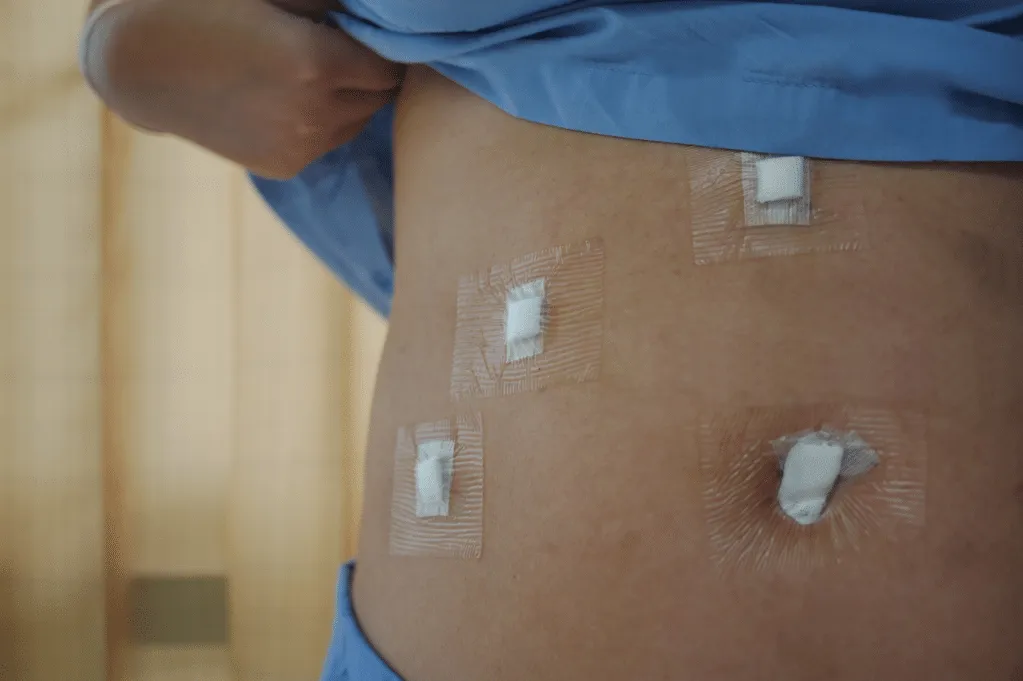
Laparoscopic gallstone surgery (laparoscopic cholecystectomy) is a minimally invasive surgical procedure to remove the gallbladder when it contains symptomatic gallstones or causes complications. Unlike an open cholecystectomy that requires a large incision in the abdomen, laparoscopic surgery uses several small incisions (usually 3–4), a camera (laparoscope) and specialized instruments to visualize and safely excise the gallbladder.
The procedure is performed under general anesthesia. Through the small incisions, the surgeon inflates the abdomen with carbon dioxide to create working space and then advances the laparoscope to display magnified images on a monitor. The cystic duct and cystic artery are identified, clipped and divided before the gallbladder is detached from the liver bed and removed. The wounds are closed with sutures or skin adhesive.
Laparoscopic gallbladder removal is the preferred approach for most patients due to its reduced postoperative pain, smaller scars, shorter hospital stays and quicker return to daily activities. In Pune, many hospitals including Lopmudra Swargate offer advanced laparoscopic cholecystectomy performed by experienced general surgeons and gallstone specialists. While the technique is widely applicable, certain situations (for example, severe inflammation, extensive scarring, or unclear anatomy) may require conversion to an open procedure to ensure safety.
Who needs cholecystectomy? causes, symptoms and diagnosis
Gallstones form when bile components crystallize inside the gallbladder. Several factors increase the risk, including age, female sex, obesity, diabetes, certain medications, pregnancy and family history. Globally, an estimated 10–15% of adults may have gallstones, though many are asymptomatic. In India, published estimates vary by region and study design, with prevalence figures commonly reported between 2–12%. In urban centers like Pune, dietary patterns and metabolic risk factors contribute to symptomatic presentations seeking treatment at hospitals such as Lopmudra Swargate.
Indications for cholecystectomy include:
- Recurrent biliary colic: episodes of severe upper abdominal pain, often after fatty meals.
- Acute cholecystitis: inflammation of the gallbladder causing persistent pain, fever and elevated white blood cell count.
- Choledocholithiasis with complications: gallstones in the common bile duct leading to jaundice or pancreatitis.
- Gallbladder polyps larger than 1 cm or suspicious for malignancy.
- Porcelain gallbladder or other structural changes increasing cancer risk.
Symptoms that commonly trigger evaluation for gallstone treatment in Pune include right upper quadrant pain, referred shoulder pain, nausea, vomiting, fever and jaundice. Diagnosis usually begins with clinical assessment and is confirmed with non-invasive imaging:
- Ultrasound of the abdomen (first-line imaging for gallstones).
- MRCP or CT when ductal stones or complications are suspected.
- Blood tests including liver function tests, pancreatic enzymes and full blood count to assess complications.
Patients in Pune who present to Lopmudra Swargate for evaluation receive individualized care plans: some may be observed if asymptomatic, others will be advised laparoscopic cholecystectomy when symptomatic or complicated disease is present. Emergency gallstone surgery Pune services are available for acute cholecystitis and related emergencies.
Types of gallbladder surgery: laparoscopic versus open
There are two principal surgical approaches to remove the gallbladder: laparoscopic (minimally invasive) and open cholecystectomy. Each approach has specific benefits and indications. The laparoscopic approach is used for the majority of elective and many emergency cases, while open surgery is reserved for certain complex situations. The table below compares key features to help patients understand why laparoscopic cholecystectomy is often recommended.
| Procedure type | Benefits | Recovery time |
|---|---|---|
| Minimally invasive (laparoscopic cholecystectomy) | Less postoperative pain, smaller scars, lower infection risk, shorter hospital stay, faster return to work | Most patients return to normal activities within 1–2 weeks; many discharged same day or after 24 hours |
| Traditional open cholecystectomy | Better exposure for complicated anatomy, may be safer in extensive inflammation or malignancy | Longer recovery: 2–6 weeks depending on incision and patient factors |
At Lopmudra Hospital in Swargate, surgeons perform both laparoscopic gallbladder surgery and open cholecystectomy when necessary. Surgeons always prioritize safety; conversion from laparoscopic to open surgery may be advised intraoperatively for uncontrolled bleeding, unclear anatomy or dense adhesions.
What are the benefits of laparoscopic gallstone surgery?
Laparoscopic gallbladder surgery offers a range of advantages that make it the standard of care for most patients requiring cholecystectomy. Below we detail these benefits, focusing on how they translate into better patient outcomes and experience in settings like Pune and Swargate.
1. Less postoperative pain and faster mobilization: Smaller incisions mean less tissue trauma and pain. Patients can often sit up, walk and tolerate liquids on the same day, reducing risks of pulmonary complications and deep vein thrombosis.
2. Shorter hospital stay and same-day surgery options: Many centers in Pune, including Lopmudra, offer early discharge protocols. Selected patients may undergo same day gallbladder surgery Pune and be discharged once vitals are stable and pain is controlled.
3. Better cosmesis: Small scars are cosmetically preferable compared to the large subcostal incision required in open surgery. This is often important for younger patients and those concerned about visible scarring.
4. Lower wound infection and fewer complications: Evidence shows lower rates of wound infection and incisional hernia with laparoscopic techniques, especially when performed by skilled surgeons like the best gallstone surgeon in Pune or a best general surgeon in Swargate Pune.
5. Faster return to normal life and work: Shorter downtime means patients resume work, studies and routine activities sooner — an important consideration for working families in Pune who need minimal disruption.
6. Precise visualization and reduced blood loss: The magnified view provided by the laparoscope enhances anatomic identification, allowing safer dissection with minimal bleeding.
7. Lower overall cost when factoring indirect costs: Although hospital charges for laparoscopic procedures can be comparable or slightly higher than open surgery, faster recovery reduces indirect costs like lost wages and prolonged caregiving. That is why many patients searching for affordable gallstone surgery in Pune choose laparoscopic cholecystectomy for better overall value.
Risks and complications: what to expect and how Lopmudra manages them
While laparoscopic cholecystectomy is generally safe, patients should understand potential risks and how experienced surgical teams mitigate them. Common and uncommon complications include:
- Injury to the common bile duct — rare but serious; may require repair or additional procedures.
- Bleeding from liver bed or vessels — usually controlled intraoperatively.
- Infection — wound infections are uncommon but managed with antibiotics and wound care.
- Bile leak — small leaks can be managed conservatively or with endoscopic procedures like ERCP.
- Conversion to open surgery — safety-driven decision when anatomy is unclear or complications arise.
At Lopmudra Hospital, Swargate, patient safety is emphasized through:
- Experienced surgeons who follow standardized protocols and intraoperative checklists.
- Advanced laparoscopic equipment and imaging to enhance visualization.
- Availability of endoscopic retrograde cholangiopancreatography (ERCP) and interventional radiology if needed.
- Postoperative monitoring and early mobilization protocols to reduce complications.
Epidemiologic data indicate serious complications are uncommon when cholecystectomy is performed by trained teams: the reported incidence of major bile duct injury ranges from 0.1–0.5% in large series. Clear preoperative planning, adherence to the critical view of safety, and timely conversion to open surgery when indicated are important risk reduction strategies. Patients concerned about complication rates should ask their surgeon about experience and institutional outcomes. Lopmudra Swargate provides transparent preoperative counselling, and you can discuss surgeon experience during your gallbladder surgery consultation Lopmudra Swargate.
What happens during the procedure? pre-op, anesthesia and operative steps
Understanding the operative journey can reduce patient anxiety and help families prepare. Preoperative assessment typically includes a clinical exam, ultrasound, blood tests and sometimes an MRCP if common bile duct stones are suspected. Medication review and fasting instructions are given. Nearly all laparoscopic cholecystectomies are performed under general anesthesia.
Typical operative steps:
- Positioning: The patient is placed supine with slight reverse Trendelenburg to move the intestines away from the operative field.
- Port placement: 3–4 small incisions are made — usually at the umbilicus, epigastric area and right upper quadrant — and trocar ports are introduced.
- Pneumoperitoneum: Carbon dioxide gas inflates the abdomen to create space for safe dissection.
- Identification of anatomy: The gallbladder, cystic duct and cystic artery are identified. The critical view of safety is obtained to reduce bile duct injury risk.
- Clipping and division: Clips are applied to the cystic duct and cystic artery, which are then divided.
- Dissection and removal: The gallbladder is dissected from the liver bed and extracted via one of the ports, often the umbilical port.
- Closure: Instruments are removed, CO2 is evacuated, and incisions are closed with sutures or skin adhesive.
Operative time varies from 30 minutes to 90 minutes depending on case complexity. If common bile duct stones are present preoperatively, your surgeon may coordinate an ERCP before or after surgery. In emergency situations, laparoscopic cholecystectomy can be performed safely in most acute cholecystitis cases within 72 hours of symptom onset in centers like Lopmudra Swargate that offer emergency gallstone surgery Pune services.
Recovery and postoperative care: timeline, pain control and return to daily life
Recovery after laparoscopic gallbladder removal is typically faster than after open surgery, but recovery varies by individual factors such as age, comorbidities and the severity of gallbladder disease. Below is a general timeline and practical guidance for patients in Pune and Swargate.
Immediate post-op (first 24–48 hours):
- Pain control: Analgesics (oral or intravenous) provide comfort. Pain is usually mild to moderate and controlled with oral medications after a few hours.
- Diet: Most patients tolerate a light oral diet within hours; progress as tolerated.
- Mobility: Early ambulation is encouraged to reduce complications and promote bowel function.
First 1–2 weeks:
- Wound care: Keep incisions clean and dry. Showering is usually allowed after 24–48 hours; avoid soaking in baths until wounds heal.
- Activity: Light activities and short walks are encouraged. Avoid heavy lifting (>5–10 kg) and strenuous exercise for 2–4 weeks per surgeon advice.
- Follow-up: Clinic review typically at 1–2 weeks to assess healing and remove sutures, if required.
Long-term (after 2–6 weeks):
- Return to work: Many patients return to desk jobs within 1–2 weeks; more physically demanding jobs may require 3–4 weeks off.
- Diet and digestion: Most people tolerate a normal diet after initial recovery. A temporary low-fat diet may reduce post-op digestive changes. Rarely, some patients experience postcholecystectomy diarrhea which often improves with dietary adjustments and time.
Lopmudra Swargate provides robust postoperative care including postoperative care after gallbladder surgery Pune guidance, physiotherapy if needed and easy access to the surgical team for questions. For emergencies after discharge — such as increasing abdominal pain, fever, jaundice or wound redness — patients should contact the hospital immediately or visit the emergency department. Contact numbers: Phone +918087122022, WhatsApp 918379033033, or book online at Lopmudra Hospitals.
Costs, insurance and choosing the right surgeon in Pune and Swargate
Cost is an important factor when choosing where to have gallbladder surgery. In Pune, the gallstone surgery cost varies based on factors such as hospital category, surgeon fees, consumables, anesthesia, length of stay and investigations. Below is an approximate cost comparison commonly seen across Pune to give you a realistic expectation:
| Procedure | Typical cost range in Pune (INR) | Notes |
|---|---|---|
| Laparoscopic cholecystectomy (elective) | ~50,000 – 1,50,000 | Depends on hospital class, implants and surgeon experience; many centers offer package pricing |
| Open cholecystectomy | ~40,000 – 1,20,000 | May be lower in some cases but longer hospitalization increases indirect costs |
| ERCP (if needed for CBD stones) | ~15,000 – 50,000 | May be done as a separate procedure before or after surgery |
These are indicative ranges; exact quotes should be obtained from the hospital billing department. Lopmudra Swargate offers transparent pricing and helps patients with package estimates for gallbladder removal surgery Pune. Regarding insurance, many medical insurance policies cover cholecystectomy when medically necessary — patients should check with their insurer and provide required documentation. Lopmudra’s administrative team can assist with insurance preauthorization and paperwork to streamline admissions.
How to choose a surgeon:
- Look for a gallstone specialist in Pune or experienced general surgeon with proven laparoscopic caseloads.
- Ask about surgeon experience with emergency and complex cases, conversion rates, and complication statistics.
- Verify hospital infrastructure: 24/7 operating room access, critical care, ERCP availability and postoperative support.
Searching keywords like best gallstone surgeon in Pune, gallstone surgery hospital in Pune, or gallstone surgery in Swargate Pune can help you find local options. To book an appointment with Lopmudra Swargate for a consultation with a top gallstone surgeon near Swargate, call +918087122022, WhatsApp 918379033033, or visit https://lopmudrahospitals.com/.
Alternatives to surgery and scenarios for emergency gallstone surgery
Not all gallstones require immediate surgery. Management depends on symptoms, stone location and complications. Common alternatives or adjuncts include:
- Conservative management: Observation for asymptomatic gallstones with lifestyle modifications and pain control.
- Oral dissolution therapy: Rarely used; ursodeoxycholic acid can dissolve cholesterol stones over months to years in selected patients.
- ERCP with stone extraction: Performed for common bile duct stones before or after cholecystectomy.
- Percutaneous cholecystostomy: Temporary drainage for critically ill patients who are poor surgical candidates.
Emergency gallstone surgery is indicated when complications threaten health. Situations that may require urgent intervention include:
- Acute cholecystitis with uncontrolled pain or sepsis.
- Gallstone pancreatitis with ongoing obstruction.
- Suppurative cholecystitis, gangrene or perforation of the gallbladder.
- Obstructive jaundice from impacted ductal stones causing cholangitis.
In such emergencies, Lopmudra Swargate provides emergency gallstone surgery Pune services. The benefits of early laparoscopic cholecystectomy in acute cholecystitis — when performed by experienced teams — include reduced complications and shorter overall hospitalization compared to delayed surgery. When immediate surgery is unsafe, temporary measures like percutaneous drainage or endoscopic interventions may stabilize the patient until definitive surgery is feasible.
How to book a consultation at Lopmudra Swargate and frequently asked questions
If you are considering laparoscopic gallbladder surgery in Pune or want to explore your options, Lopmudra Hospital, Swargate, offers easy access to consultations, second opinions and emergency care. Steps to book:
- Call our appointments team at +918087122022.
- Message on WhatsApp at 918379033033 for quick queries and appointment scheduling.
- Book online via https://lopmudrahospitals.com/ for clinic times and surgeon availability.
Common questions patients ask:
- Is laparoscopic surgery safe for older patients? Yes — age alone is not a contraindication. Careful preoperative assessment and optimization of comorbidities make the procedure safe for many elderly patients.
- How long will I stay in hospital? Most elective patients leave within 24 hours; select patients may go home the same day.
- Will I need tests before surgery? Routine blood tests, ultrasound and sometimes ECG or additional imaging are performed based on your health status.
- Can I drive after surgery? Avoid driving while on narcotic pain medications and until you feel comfortable turning and reacting quickly — typically after 48–72 hours for many patients.
Lopmudra Swargate is positioned to offer comprehensive gallstone care — from conservative management and ERCP to minimally invasive gallbladder surgery Pune. If you are searching for terms like gallstone doctor in Pune, gallstone surgery near me Pune or top gallstone surgeon near Swargate, please reach out for a personalised consultation.
Choosing the right treatment for gallstones involves weighing benefits, risks and personal circumstances. For most symptomatic patients, laparoscopic gallbladder surgery offers clear advantages: faster recovery, less pain, smaller scars and excellent long-term outcomes. Lopmudra Hospital, Swargate, provides expert surgical care with a patient-centred approach, transparent pricing, and postoperative support to ensure safe recovery and a quick return to daily life.
To schedule your consultation for laparoscopic gallbladder surgery in Swargate Pune or to ask about gallstone surgery cost in Swargate Pune, call +918087122022, WhatsApp 918379033033 or visit https://lopmudrahospitals.com/. Our team can guide you through preoperative preparation, insurance queries and postoperative care.
This article was written by Dr. Raiba Deshmukh , sharing insights based on professional experience in the field. Keep it it
Leave a Reply