What is COPD?
Chronic Obstructive Pulmonary Disease (COPD) is a progressive lung disease that causes breathing difficulties and affects millions of people worldwide. According to the World Health Organization (WHO), COPD is the third leading cause of death globally. It encompasses various conditions, primarily chronic bronchitis and emphysema. Both conditions result in obstructed airflow from the lungs, making it challenging for individuals to breathe effectively. At Lopmudra Hospital Chain, we offer comprehensive care for COPD to improve the quality of life for our patients in Delhi.
Understanding COPD is vital not only for those diagnosed but also for family members and caregivers. Early detection, management, and lifestyle modifications can significantly improve the prognosis and help patients lead a more fulfilling life. Our experienced team at Lopmudra is dedicated to providing personalized care plans, ensuring that each patient receives the attention they need.
Common Symptoms of COPD
Identifying the symptoms of COPD is crucial for early intervention. Symptoms can vary from mild to severe, and they may worsen over time. Some of the most commonly recognized symptoms include:
-
Chronic Cough: A persistent cough, often accompanied by mucus production, is a hallmark symptom of COPD.
-
Shortness of Breath: Patients often experience a feeling of breathlessness during physical activities, which may progress to difficulty in breathing even at rest.
-
Wheezing: This high-pitched whistling sound often occurs when breathing, especially during exhalation, and indicates narrowed airways.
-
Chest Tightness: Many patients report a feeling of pressure or tightness in the chest, contributing to discomfort and anxiety.
-
Frequent Respiratory Infections: Individuals with COPD may be more susceptible to infections such as pneumonia and bronchitis.
-
Fatigue: Chronic fatigue and a lack of energy can occur due to the body’s strain while trying to breathe effectively.
If you or a loved one are experiencing these symptoms, it is vital to consult a healthcare professional promptly. Early diagnosis and treatment can help manage the disease effectively.
Causes and Risk Factors
The primary cause of COPD is long-term exposure to harmful particles or gases, mainly from smoking, although non-smokers can also develop the disease. Other significant risk factors include:
-
Smoking: Nearly 90% of COPD cases are linked to smoking, making it the primary risk factor. Quitting smoking at any age can significantly reduce symptoms and improve lung function.
-
Air Pollution: Prolonged exposure to air pollution, chemical fumes, and dust, particularly in occupational settings, can lead to the development of COPD.
-
Genetic Factors: A rare genetic disorder called Alpha-1 Antitrypsin Deficiency can also cause COPD, leading to early lung damage.
-
Age: The risk of developing COPD increases with age, especially for individuals who have smoked or have had prolonged exposure to lung irritants.
Understanding these risk factors is essential for prevention and early management of COPD. At Lopmudra Hospital Chain, our specialists are dedicated to educating patients on lifestyle changes and preventive measures that can significantly reduce the risk of developing COPD.
Diagnosis of COPD
Diagnosing COPD typically involves several steps, including a review of medical history, physical examination, and specific diagnostic tests. The following tests may be performed:
-
Spirometry: This pulmonary function test measures how much air you can inhale and exhale and how quickly you can exhale, which is critical for diagnosing COPD.
-
Chest X-ray: An X-ray can help rule out other lung conditions and show the overall health of the lungs.
-
CT Scan: A high-resolution CT scan may be used for more detailed images, helping to evaluate the lungs and detect any abnormalities.
-
Arterial Blood Gas Analysis: This test measures the levels of oxygen and carbon dioxide in your blood, providing insight into lung function.
After diagnosis, a customized treatment plan will be created to address the specific needs of each patient. Our skilled team at Lopmudra Hospital Chain in Delhi is committed to providing thorough evaluations and effective management plans for COPD patients.
Treatment Options for COPD
While there is no cure for COPD, various treatment options can help manage symptoms and improve quality of life. A combination of therapies may be utilized, including:
-
Medications: Inhalers, bronchodilators, and steroids are commonly prescribed to relieve symptoms, reduce inflammation, and improve airflow.
-
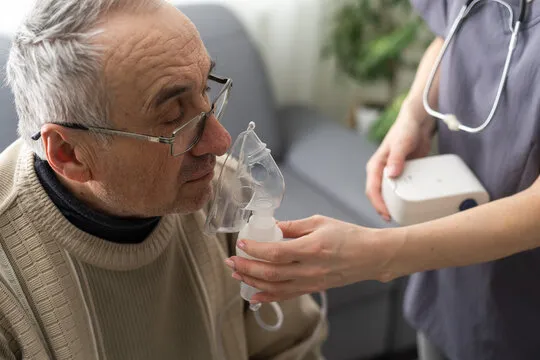
Oxygen Therapy: Patients with severe COPD may benefit from supplemental oxygen to help them breathe more comfortably, particularly during physical exertion.
-
Pulmonary Rehabilitation: A tailored program of exercise, education, and support can help patients manage their condition and improve overall lung function.
-
Surgery: In severe cases, surgical options such as lung volume reduction surgery (LVRS) or lung transplantation may be considered to enhance lung function.
At Lopmudra Hospital Chain, our COPD specialists are dedicated to exploring the most effective treatment strategies tailored to individual patient needs, ensuring optimal management of the disease.
Lifestyle Modifications for COPD Patients
Lifestyle changes play an integral role in managing COPD. Incorporating the following healthy habits can significantly impact the disease’s progression and overall well-being:
-
Quitting Smoking: The most effective step to slow disease progression is to cease smoking altogether. Support systems and smoking cessation programs can assist individuals in this process.
-
Regular Exercise: Engaging in regular physical activity can enhance lung function, improve stamina, and promote overall health. A pulmonary rehabilitation program can guide safe exercise practices.
-
Balanced Nutrition: A nutritious diet rich in fruits, vegetables, whole grains, and lean proteins can support lung health and overall body function.
-
Stay Hydrated: Adequate hydration can thin mucus and improve mobility in the airways, aiding in easier breathing.
-
Avoiding Triggers: Identifying and avoiding allergens and pollutants can help reduce COPD flare-ups. Patients should be mindful of environmental conditions and adjust their activities accordingly.
Adopting these lifestyle changes can lead to significant improvements in daily living for COPD patients. Our team at Lopmudra Hospital Chain in Delhi provides support and resources to assist individuals in implementing these modifications.
Living with COPD: Coping Strategies
Living with COPD presents unique emotional and mental challenges due to the chronic nature of the disease. Coping strategies can help individuals manage not only the physical aspects but also the emotional weight of this condition:
-
Education: Understanding COPD empowers patients and their families, aiding them in making informed decisions regarding treatment and care.
-
Support Groups: Engaging with support groups can provide emotional encouragement and allow patients to connect with others who share similar experiences.
-
Stress Management: Techniques such as meditation, deep breathing exercises, or yoga can enhance mental well-being and offer respite from anxiety related to breathing difficulties.
-
Regular Follow-ups: Maintaining communication with healthcare providers ensures ongoing support and allows any concerns or changes in condition to be addressed promptly.
Our dedicated team at Lopmudra Hospital Chain is here to assist patients not only with medical management but also with emotional and psychological support for navigating life with COPD.
Importance of Regular Check-ups
Regular check-ups are essential for managing COPD effectively. These visits provide an opportunity for healthcare professionals to assess lung function, adjust treatment plans, and monitor disease progression. During check-ups, patients can:
-
Review Symptoms: Discuss any new or worsening symptoms with their healthcare team, allowing for timely interventions.
-
Medication Management: Ensure that medications are effective and appropriately dosed to optimize lung function.
-
Monitor for Complications: Early detection of complications related to COPD can prevent hospitalization and improve outcomes.
-
Encourage Adherence: Follow-up appointments encourage adherence to prescribed therapies and lifestyle modifications.
At Lopmudra Hospital Chain, we prioritize patient health through diligent monitoring and regular follow-up appointments, ensuring continuous support along the COPD management journey.
Conclusion
Living with Chronic Obstructive Pulmonary Disease (COPD) can be challenging, but understanding its symptoms, causes, and management options can significantly improve the quality of life for patients. By recognizing the symptoms early, seeking appropriate medical care, making necessary lifestyle changes, and maintaining regular check-ups, individuals can manage their condition effectively.
At Lopmudra Hospital Chain, we are proud to offer comprehensive support and advanced treatments for COPD. Our dedicated team of specialists is committed to helping patients in Delhi navigate their journey with COPD, empowering them to live healthier and more fulfilling lives. If you are experiencing any symptoms related to COPD or need further information, please contact us at +91 8087122022 or book an appointment online.
This article was written by Dr. Sneha Tirpude, sharing insights based on professional experience in the field.
Leave a Reply