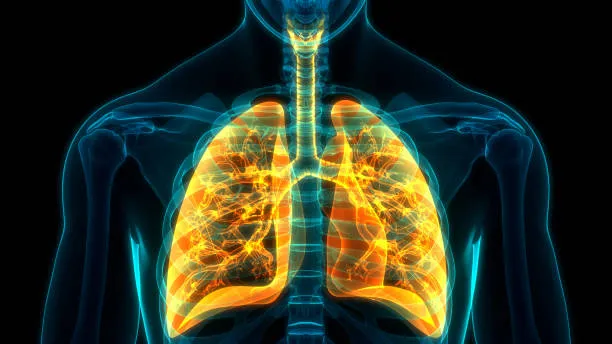
Do COPD Exacerbations Cause More Damage to the Lungs?
Chronic Obstructive Pulmonary Disease (COPD) is a progressive respiratory condition characterized by increased breathlessness, chronic cough, and sputum production. It can severely impact the quality of life and might even lead to life-threatening complications. An essential aspect of COPD management is understanding exacerbations, which are characterized by a sudden worsening of symptoms. At Lopmudra Hospital Chain, we aim to offer insights into whether these exacerbations contribute to long-term lung damage.
What Are COPD Exacerbations?
COPD exacerbations are defined as a significant increase in respiratory symptoms, which can include:
- Shortness of breath: Sufferers may experience severe difficulty in breathing, which can be distressing.
- Increased cough: This may involve a change in the color and quantity of sputum produced.
- Fatigue: Patients often feel unusually tired during exacerbations due to the increased effort required for breathing.
These exacerbations are often triggered by factors such as respiratory infections, environmental pollutants, or changes in weather. A common question arising in the patient community is whether the frequency and severity of these exacerbations lead to further damage to lung tissues and overall lung function.
Mechanisms of Lung Damage During Exacerbations
During a COPD exacerbation, the airways become more inflamed, which can lead to:
- Increased Mucus Production: Inflammation increases mucus secretion, blocking airways and making breathing difficult.
- Dilated Blood Vessels: Blood flow to the airways increases to delivery immune players to fight infections, causing even more swelling.
- Destruction of Lung Tissue: Ongoing inflammation, if untreated, can damage lung tissue over time, exacerbating the decline in lung function.
Research has shown that repeated exacerbations can lead to irreversible damage, further hindering lung function. According to a study published by the American Journal of Respiratory and Critical Care Medicine, patients who experience frequent exacerbations are at a higher risk for accelerated lung function decline.
Impact of COPD Exacerbations on Lung Function
Lung function is typically measured using Forced Expiratory Volume (FEV1), which indicates the volume of air a person can forcefully exhale in one second. Studies indicate that patients experiencing more than three exacerbations a year can expect an annual decline in FEV1 up to three times that of patients without exacerbations. This overall decline leads to worsening airflow limitations and greater difficulty in daily living activities.
According to the Global Initiative for Chronic Obstructive Lung Disease (GOLD), managing COPD exacerbations effectively can lead to improved quality of life and potentially slow the progression of the disease. Measures like taking anti-inflammatory medications and bronchodilators during an exacerbation can be crucial in mitigating the long-term consequences.
Long-term Consequences of Frequent Exacerbations
Repeated exacerbations not only impact lung function but can also lead to a host of long-term health problems. These may include:
- Increased Risk of Hospitalization: Frequent exacerbations often necessitate hospital visits and an increase in healthcare costs.
- Higher Mortality Rates: Statistics show that individuals with multiple exacerbations have a higher risk of premature death from respiratory failure and other related complications.
- Comorbidities: There is growing evidence that repeated exacerbations may also be linked to other chronic conditions, including cardiovascular diseases, anxiety, and depression.
As COPD progresses and exacerbations become more frequent, not only does the lung function decline, but the complete health picture of the patient often becomes more complicated. Therefore, understanding the toll these exacerbations can take is paramount for both patients and healthcare providers.
Preventing COPD Exacerbations
Preventing COPD exacerbations is crucial for preserving lung function and maintaining quality of life. Here are some preventive strategies:
- Regular Use of Maintenance Medications: Adhering to prescribed inhalers and medications can significantly reduce the likelihood of exacerbations occurring.
- Vaccinations: Getting vaccinated against influenza and pneumonia is vital for COPD patients to minimize respiratory infections.
- Smoking Cessation: As tobacco smoke is a significant irritant, quitting smoking can slow the progression of COPD and reduce the number of exacerbations.
- Avoiding Irritants: Keeping away from allergens and pollutants can prevent breathing difficulties. This includes avoiding secondhand smoke, pollutants, and volatile organic compounds (VOCs).
At Lopmudra Hospital Chain, we provide tailored programs to help individuals manage their COPD effectively. Our skilled healthcare professionals focus on educating patients about their condition, symptoms, and self-management strategies for better quality of life.
Treatment Options During Exacerbations
When a COPD exacerbation occurs, immediate treatment is important. Here are the common interventions used:
| Treatment Option | Description | Potential Benefits |
|---|---|---|
| Bronchodilators | Medications that relax the muscle around the airways. | Rapid relief from shortness of breath. |
| Corticosteroids | Anti-inflammatory medications administered orally or intravenously. | Reduce airway swelling and improve breathing. |
| Antibiotics | Used if the exacerbation is related to a bacterial infection. | Clears the infection and alleviates symptoms. |
These treatments can help alleviate symptoms and may also serve to limit the extent of lung damage associated with acute exacerbations. However, it’s important to understand that consistent and regular treatment plans can significantly reduce the frequency and severity of future exacerbations.
Conclusion
In summary, COPD exacerbations do indeed lead to increased lung damage and decline in lung function over time. While it is crucial to manage exacerbations effectively through lifestyle changes, preventive measures, and appropriate medical treatments, understanding their impact is equally important for both patients and healthcare providers. For individuals living with COPD in the locality, connecting with a healthcare institution like Lopmudra Hospital Chain can provide access to the necessary resources and support systems to manage this chronic condition.
As access to quality healthcare is paramount, we encourage patients to reach out to us at +918087122022 or make appointments through our website for personalized patient care.
This article was written by Dr. Sneha Tirpude, sharing insights based on professional experience in the field.
Leave a Reply