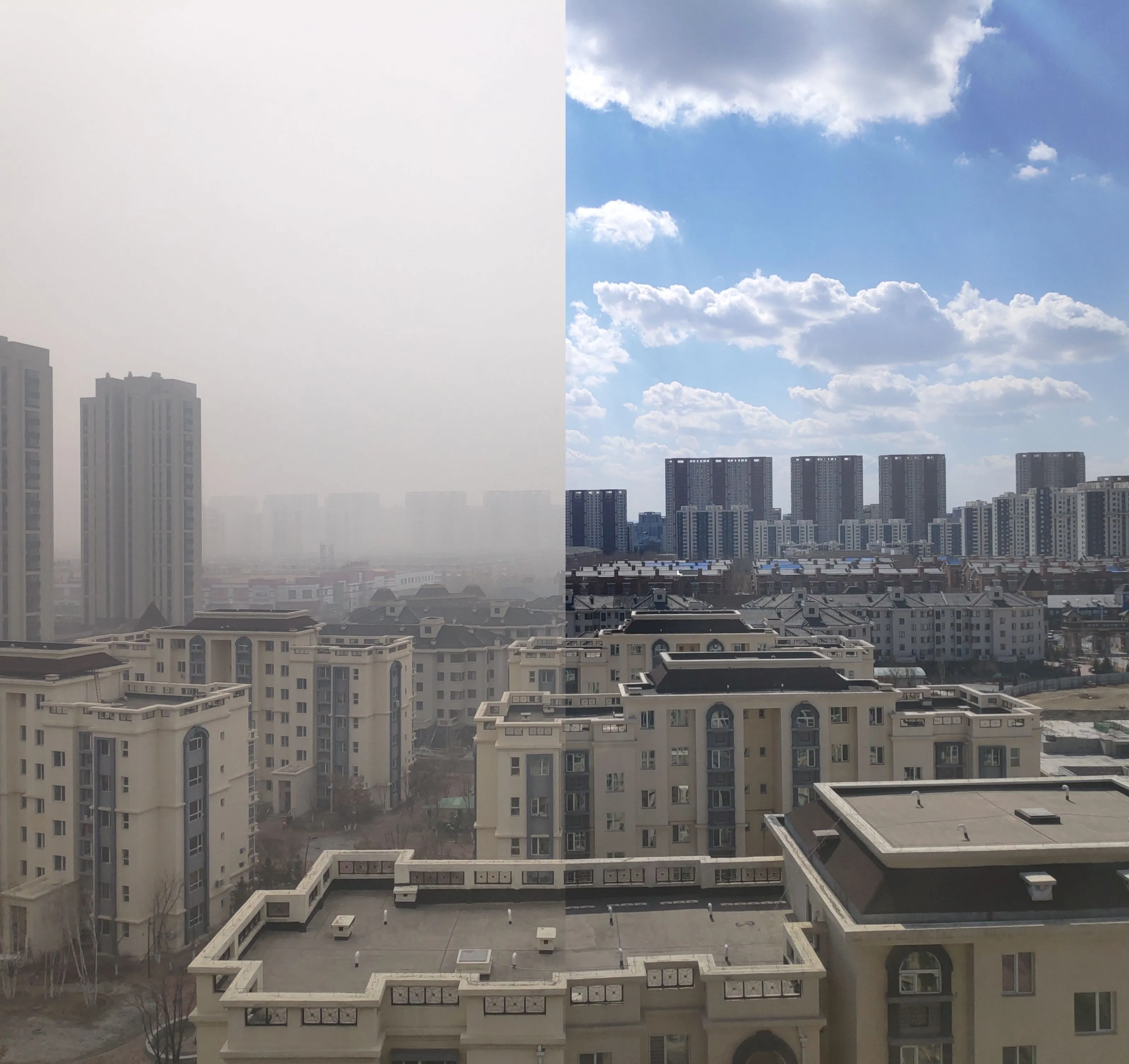
While most people are aware of the dangers of outdoor air pollution, few realize that the air inside their homes can be equally harmful. In fact, indoor air pollution—from dust, smoke, cooking fumes, and even cleaning products—can trigger asthma attacks and worsen respiratory health.
In a recent episode of Aarogya Samvad, Dr. Sneha Tirpude, a leading pulmonologist at Lopmudra Meera Multispeciality Hospital, Pune, discussed how both indoor and outdoor pollution impact lung health. As a specialist in asthma care, lung disorders, and respiratory diseases, Dr. Tirpude sheds light on the invisible pollutants around us and explains why timely care is crucial for maintaining healthy lungs.

Understanding Indoor vs. Outdoor Pollution: How Both Affect Your Lungs
Most people are aware of the dangers of outdoor smog and industrial air pollution, but many overlook the quality of the air they breathe indoors. Unfortunately, indoor pollution can be just as harmful, especially for individuals with respiratory conditions like asthma or chronic obstructive pulmonary disease (COPD).
Instagram Link: Click here to watch the full episode on indoor pollution and asthma care
Common Indoor Pollutants
-
Dust and Pet Dander – Accumulated dust, pet hair, and mold spores can trigger allergies and worsen asthma symptoms.
-
Cooking Fumes – Cooking with gas, grilling, or frying food releases harmful gases like carbon monoxide and nitrogen dioxide.
-
Cleaning Products – Many household cleaners release volatile organic compounds (VOCs) that can irritate the lungs.
-
Cigarette Smoke – Smoking inside the home can expose everyone to secondhand smoke, which significantly increases asthma risks.
How Indoor Pollution Affects Your Lungs
Pollutants inside your home can irritate the respiratory tract, causing symptoms like coughing, wheezing, shortness of breath, and chest tightness. Prolonged exposure to indoor pollution may even lead to chronic conditions such as asthma and chronic bronchitis.
Watch the video:
https://www.instagram.com/reel/DNpbVC819-3/?utm_source=ig_web_copy_link&igsh=MzRlODBiNWFlZA==
Why Timely Asthma Care is Critical for Lung Health
Asthma is a chronic condition that affects millions of people worldwide. Inhaled allergens like dust, mold, smoke, and chemicals from cleaning products can trigger asthma attacks, which can be life-threatening if left untreated.
Dr. Sneha Tirpude emphasizes that timely asthma care is crucial to manage symptoms and prevent serious complications. Early intervention, proper medication, and lifestyle adjustments can significantly improve the quality of life for asthma sufferers.
At Lopmudra Meera Multispeciality Hospital, our Pulmonary Medicine Department, led by Dr. Sneha Tirpude, is committed to providing comprehensive asthma care, including diagnosis, management, and ongoing support. Our team works closely with patients to create personalized treatment plans that include both medical management and environmental control.
Expert Asthma and Lung Care at Lopmudra Hospital, Pune
Dr. Sneha Tirpude is an experienced pulmonologist with over 17 years of practice. She specializes in sleep medicine, allergy treatment, bronchoscopy, and drug allergy testing. With international training from King’s College London, Dr. Tirpude provides evidence-based care to her patients, focusing on lung disorders and respiratory health.
Dr. Tirpude is dedicated to raising awareness about the importance of lung health and asthma management. As part of our commitment to providing quality care, Lopmudra Meera Hospital offers advanced diagnostic tools and treatments, including bronchoscopy, sleep studies, and allergy testing.
For more information about asthma care, visit Dr. Tirpude’s profile at Lopmudra Meera Hospital: Dr. Sneha Tirpude’s Profile.
Tips to Improve Indoor Air Quality and Prevent Asthma Attacks
1. Keep Your Home Clean
Regular cleaning can significantly reduce dust, mold, and pet dander. Use a vacuum with a HEPA filter, and consider using air purifiers to remove allergens from the air.
2. Ventilate Your Home
Open windows when possible to allow fresh air to circulate. Use exhaust fans in the kitchen and bathroom to reduce cooking fumes and moisture buildup.
3. Choose Safer Cleaning Products
Opt for natural cleaning products or those labeled as low in VOCs. Avoid harsh chemicals that can irritate the lungs.
4. Quit Smoking Indoors
If you or someone in your household smokes, encourage them to quit and avoid smoking indoors to protect the lungs of others, especially children and pets.
Frequently Asked Questions
1) How does indoor air pollution affect asthma?
Indoor air pollution can trigger asthma symptoms like coughing, wheezing, and shortness of breath. Pollutants like dust, pet dander, and fumes from cooking or cleaning products are common triggers.
2) How can I reduce asthma attacks caused by indoor pollution?
You can reduce asthma attacks by regularly cleaning your home, using air purifiers, and removing allergens such as dust and pet dander. Avoid using harsh chemicals indoors, and ensure proper ventilation.
3) Can asthma be managed without medication?
While lifestyle changes and avoiding triggers can help, asthma usually requires medication for proper management. Your doctor will recommend a personalized treatment plan, which may include inhalers or other asthma medications.
4) Is air pollution the same indoors and outdoors?
No, the types of pollutants can differ. Outdoor air pollution includes vehicle emissions and industrial pollutants, while indoor pollution includes dust, cleaning chemicals, and cooking fumes. Both can affect lung health.
5) How can Dr. Sneha Tirpude help with asthma care?
Dr. Sneha Tirpude offers expert diagnosis, treatment, and management of asthma. She tailors treatment plans to each patient’s needs and focuses on both medical care and environmental control to improve lung health.

Leave a Reply