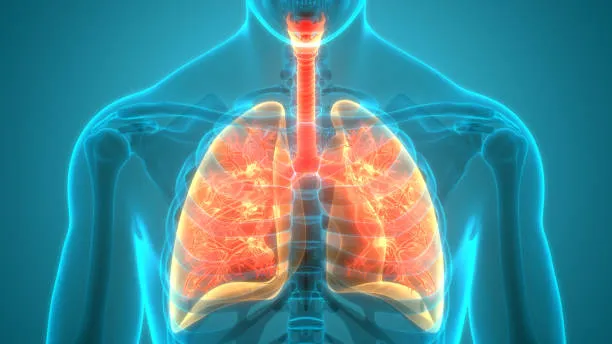
How do you take care of the lungs in COPD disease?
Chronic obstructive pulmonary disease (COPD) is a progressive lung disease that makes it difficult to breathe. It’s essential for individuals diagnosed with COPD to understand how to care for their lungs to ensure they maintain the best possible quality of life. At Lopmudra Hospital Chain, we provide comprehensive support for managing COPD and tailored healthcare services designed to maintain pulmonary health. In this blog, we will explore the causes, symptoms, treatment options, and practical tips for lung care in COPD.
Understanding COPD: Causes and Symptoms
COPD is primarily caused by long-term exposure to irritants that damage the lungs and airways. The most common cause is smoking, but other factors can contribute, including air pollution, chemical fumes, and genetic factors. According to the World Health Organization (WHO), COPD is the third leading cause of death worldwide, affecting millions of individuals globally.
Symptoms of COPD can vary in severity but generally include:
- Shortness of breath: This symptom often worsens with exertion.
- Chronic cough: A persistent cough that may produce mucus.
- Wheezing: A whistling sound when breathing, indicating narrowed airways.
- Tightness in the chest: A sensation of pressure or constriction.
Recognizing these symptoms early can allow for timely interventions and better management of the disease. At Lopmudra Hospital, our specialists in respiratory care are dedicated to helping patients navigate their COPD journey effectively.
The Importance of Quitting Smoking
One of the most significant steps a patient can take in managing COPD is to quit smoking. Smoking contributes to lung damage and can significantly exacerbate symptoms. The benefits of quitting smoking are substantial and include:
- Slowed disease progression: Quitting can slow the progression of lung damage.
- Improved lung function: Individuals may experience an increase in lung capacity.
- Enhanced quality of life: Breathing becomes easier, allowing patients to engage more fully in daily activities.
At Lopmudra Hospital, we provide tailored smoking cessation programs to assist patients in quitting successfully. Our comprehensive care approach includes counseling, support groups, and medication options to ease the transition.
Breathing Exercises and Techniques
Engaging in regular breathing exercises can significantly improve lung function and efficiency for individuals suffering from COPD. Some beneficial techniques include:
- Pursed lip breathing: This technique helps keep the airways open during exhalation. Inhale through your nose and exhale through pursed lips as if you were blowing through a straw.
- Diaphragmatic breathing: Focusing on deep breaths through the diaphragm rather than shallow chest breaths can help improve oxygen intake and make breathing easier.
- Chest percussion and postural drainage: These techniques help loosen mucus from the lungs, making it easier to breathe.
By incorporating these exercises into their daily routine, patients can strengthen their respiratory muscles and improve overall lung function. Our team at Lopmudra Hospital can guide you through personalized breathing exercises suited to your needs.
Medication Management for COPD
The management of COPD often involves the use of medications to alleviate symptoms and improve lung function. Common types of medications prescribed include:
- Bronchodilators: These medications help relax the muscles of the airways, making it easier to breathe. They come in short-acting and long-acting forms.
- Inhaled corticosteroids: These reduce inflammation in the airways and are often prescribed for patients with frequent exacerbations.
- Combination inhalers: These provide both bronchodilator and corticosteroid effects.
It’s crucial for patients to adhere to their prescribed medication regimen and have regular follow-up appointments with their healthcare provider to monitor their condition. At Lopmudra Hospital, we ensure that patients receive personalized medication management tailored to their specific requirements.
Nutritional Guidance for Lung Health
Nutrition plays a crucial role in maintaining lung health. A well-balanced diet contributes to overall well-being and can help manage COPD symptoms. Key dietary recommendations for individuals with COPD include:
- High-protein foods: Incorporate lean meats, poultry, fish, eggs, and legumes to support muscle strength and energy levels.
- Fruits and vegetables: Rich in antioxidants, these foods can help combat inflammation and oxidative stress.
- Hydration: Drinking plenty of fluids helps thin mucus, making it easier to expel and improving breathing.
Consulting with a nutritionist at Lopmudra Hospital can help personalize dietary plans that meet individual health needs, ensuring that diet complements the medical treatment of COPD effectively.
Recognizing and Managing COPD Exacerbations
An exacerbation is a sudden worsening of COPD symptoms that can lead to increased breathlessness, coughing, and sputum production. Immediate management is essential, and strategies include:
- Recognize symptoms early: Understand personal triggers and be aware of changes in symptoms.
- Medications: Increase the use of bronchodilators as prescribed by a healthcare provider during flare-ups.
- Seek medical help: If symptoms worsen significantly, it’s vital to consult with a medical professional, especially if home strategies are ineffective.
Keeping an action plan, as facilitated by the experienced team at Lopmudra Hospital, can empower patients to manage exacerbations confidently and effectively.
Regular Check-ups and Preventive Care
Ongoing monitoring of lung health is crucial in managing COPD. Regular visits to a healthcare provider allow for individualized treatment adjustments based on the patient’s condition and needs. Key components of preventive care include:
- Pulmonary rehabilitation: A structured program that includes exercise, education, and support to improve the patient’s quality of life.
- Vaccinations: Staying up to date with flu shots and pneumococcal vaccines to prevent respiratory infections.
- Monitoring lung function: Periodic spirometry tests to assess lung capacity and track disease progression.
Through regular check-ups at Lopmudra Hospital, patients can achieve better control over their symptoms, prevent complications, and enhance their overall quality of life.
Having Support: The Role of Family and Community
Support from family and community can significantly improve coping and management strategies for patients with COPD. Creating an understanding environment encourages patients to adhere to their care plans, participate in rehabilitation, and maintain an active lifestyle. Here are several ways loved ones can help:
- Encouragement: Remind patients of their goals and the importance of sticking to their treatment regimens.
- Participation in activities: Engaging in activities together helps foster a sense of normalcy and reduces the feelings of isolation some patients may experience.
- Education: Understanding the disease helps families become more supportive and aware of what the patient is going through, enabling them to provide proper assistance.
At Lopmudra Hospital, we encourage family involvement in the treatment process, believing that support networks are vital in managing chronic conditions like COPD effectively.
Conclusion
Managing COPD requires a comprehensive approach involving medical care, lifestyle adjustments, and support systems. By engaging in practices like quitting smoking, maintaining proper nutrition, and participating in physiotherapy, patients can take proactive steps toward healthier lungs and enhanced living quality. If you or a loved one is suffering from COPD, contact Lopmudra Hospital Chain at +918087122022 or visit our website for more information and to schedule an appointment. Take charge of your lung health today!
This article was written by Dr. Sneha Tirpude, sharing insights based on professional experience in the field.
Leave a Reply