Can a 30mm Stone in the Gallbladder Be Removed Without Surgery?
A single question brings many patients and families to our clinic: can a 30 mm (3 cm) gallstone be removed without surgery? This article explains the medical facts, realistic options, likely outcomes, and why the best gallstone treatment is individualized. If you are searching for the best gallstone surgeon in Pune or wondering about laparoscopic cholecystectomy in Pune, this guide provides clear, patient-friendly information and local context for patients near Swargate and Pune.
At Lopmudra (Swargate), our goal is to offer you evidence-based recommendations tailored to your health, symptoms, and preferences. Read on to understand the types of stones, diagnostic tools, non-surgical alternatives, surgical options including minimally invasive gallbladder surgery, and expected recovery for large stones such as a 30 mm calculus.
What are gallstones?
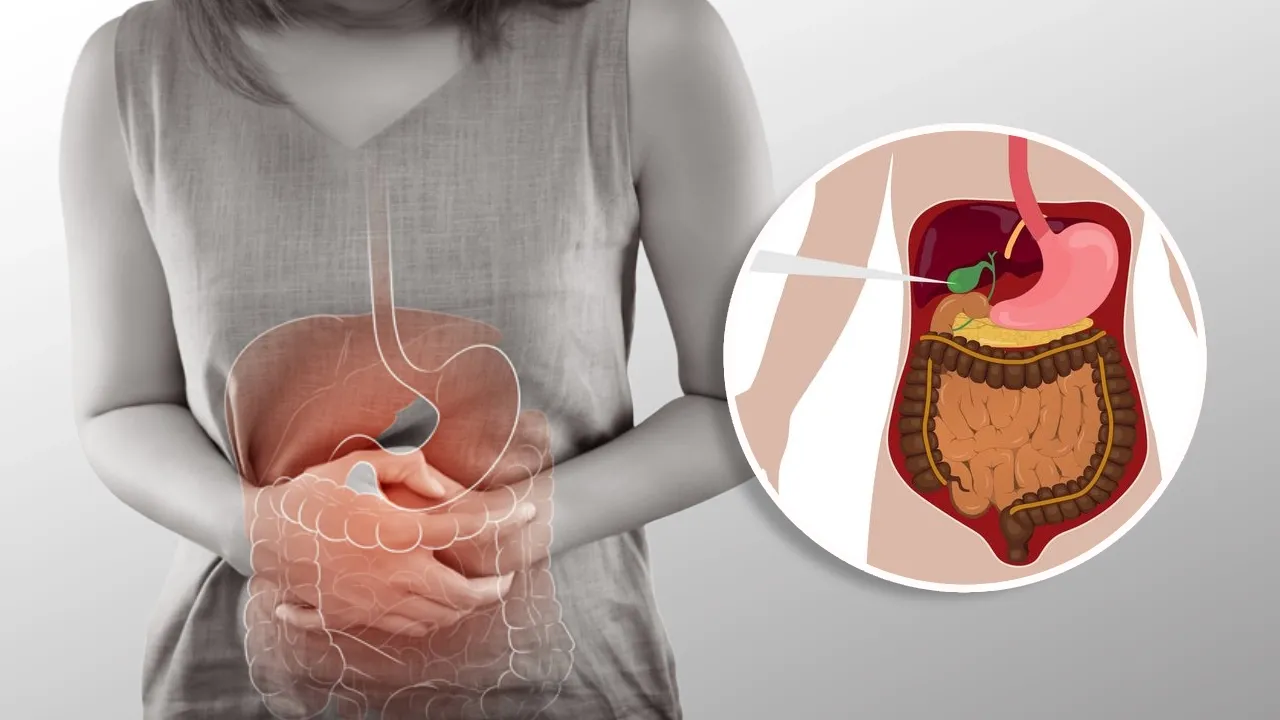
Gallstones (cholelithiasis) are hardened deposits that form in the gallbladder, a small pear-shaped organ beneath the liver that stores bile. They vary in size from tiny sand-like particles to large single stones measuring several centimeters. A 30 mm stone is considered a large gallstone and is clinically important because size can influence symptoms, complications, and the suitability of non-surgical treatments.
Gallstones fall into three main types:
- Cholesterol stones: These are the most common in Western countries and are primarily made of hardened cholesterol. They are often pale yellow.
- Pigment stones: Darker stones composed of bilirubin; more common in conditions with chronic hemolysis or infection.
- Mixed stones: Contain components of cholesterol, calcium salts, and bilirubin.
Why do gallstones form? Several factors increase risk:
- High cholesterol concentration in bile
- Impaired gallbladder emptying (stasis)
- Genetic predisposition and age
- Obesity, rapid weight loss, and certain metabolic disorders
Globally, the prevalence of gallstones ranges roughly between 10–20% of adults in developed countries. In India prevalence estimates vary by region and study method, with community-based screening studies suggesting lower but rising rates, approximately 4–8% in some urban populations. In Pune and Maharashtra, changing diets and lifestyle factors have led to more frequent presentations in surgical clinics over the last decade.
How does a large (30 mm) gallstone cause symptoms and complications?
A large gallstone may be asymptomatic for a long time, but size increases the risk of certain problems. Common symptoms when stones become symptomatic include:
- Biliary colic: Intense, intermittent pain in the right upper abdomen or under the right ribs; often radiates to the back or right shoulder blade.
- Nausea and vomiting: Often accompany episodes of biliary colic.
- Jaundice: Yellowing of skin and eyes if a stone obstructs the common bile duct.
- Fever and chills: When infection occurs (acute cholecystitis or cholangitis).
Complications associated with larger stones include:
- Acute cholecystitis: Inflammation and infection of the gallbladder that may require emergency treatment.
- Choledocholithiasis: Passage of stones into the common bile duct, causing obstruction, jaundice, or cholangitis.
- Pancreatitis: Large stones or migrated stones can block the pancreatic duct triggering inflammation.
- Gallbladder perforation, empyema, or gangrene: Severe untreated inflammation can lead to tissue death and perforation.
Clinically, a 30 mm stone carries higher risk of mechanical complications because it is less likely to pass spontaneously into ducts yet more likely to cause persistent gallbladder irritation or obstruction. This size often influences the treatment recommendation toward surgical removal, especially if symptoms or complications are present.
How is a large gallstone diagnosed?
Accurate diagnosis relies on a combination of history, physical examination, laboratory tests, and imaging studies. For a patient with a suspected 30 mm gallstone, clinicians will typically use:
- Abdominal ultrasound: First-line imaging. It is highly sensitive for gallstones within the gallbladder and can measure stone size. A 30 mm stone is readily visualized on ultrasound.
- MRCP (magnetic resonance cholangiopancreatography): Non-invasive imaging of the biliary tree to detect stones in the bile ducts (choledocholithiasis).
- CT scan: Useful for complications such as perforation or complicated inflammation; less sensitive than ultrasound for small cholesterol stones.
- ERCP (endoscopic retrograde cholangiopancreatography): Both diagnostic and therapeutic when common bile duct stones are suspected. ERCP can remove ductal stones but is not used to remove stones inside the gallbladder itself.
- Blood tests: Liver function tests (bilirubin, ALP, ALT/AST), white blood cell count, and inflammatory markers help detect obstruction and infection.
In Pune, clinicians at Lopmudra Swargate commonly use high-resolution ultrasound and MRCP services to precisely evaluate stone size, number, gallbladder wall thickness, and ductal involvement. For patients searching “gallstone doctor near me Pune” or “gallstone surgery in Swargate Pune”, proper imaging is the first step to safe management planning.
Non-surgical options: are they feasible for a 30 mm stone?
Many patients prefer to avoid surgery and ask about non-surgical alternatives. Available non-surgical or minimally invasive approaches include:
- Oral bile acid dissolution (ursodeoxycholic acid, UDCA): Works best for small (<10–15 mm), cholesterol-rich stones, and requires months of therapy with variable success; recurrence is common when the gallbladder is left in place.
- Extracorporeal shock wave lithotripsy (ESWL): Uses shock waves to fragment stones; best for solitary, radiopaque stones and when gallbladder function is normal. Multiple sessions may be required, and fragments must be small enough to pass into the ductal system.
- Endoscopic approaches (ERCP): Very effective for stones in the common bile duct but cannot extract stones from inside the gallbladder. ERCP may be used in combination with cholecystectomy when ductal stones are present.
For a 30 mm stone, non-surgical options are usually limited and often ineffective. UDCA rarely dissolves large stones and would require prolonged therapy with low success. ESWL may fragment the stone but is less commonly performed and has logistical and clinical limitations—fragments may still obstruct ductal systems or remain symptomatic. In practice, non-surgical treatments are usually reserved for patients who are poor surgical candidates due to severe comorbidities or who refuse surgery after a detailed informed discussion.
Key points to consider before choosing non-surgical management:
- Effectiveness is inversely related to stone size—larger stones respond poorly.
- Longer treatment duration and higher recurrence risk compared with surgery.
- Potential need for subsequent emergency surgery if complications arise.
Surgical options: what are the realistic choices in Pune and Swargate?
When a stone is large (30 mm) and symptomatic or complicated, surgical removal of the gallbladder (cholecystectomy) is the standard, definitive treatment. Surgical options include:
- Laparoscopic cholecystectomy (lap chole): The gold standard for symptomatic gallstones. Performed through 3–4 small incisions using a camera and specialized instruments. Most patients experience less pain, shorter hospital stays, and faster recovery compared with open surgery.
- Open cholecystectomy: Involves a larger abdominal incision. Considered when laparoscopy is unsafe due to severe inflammation, scar tissue, or complex anatomy. Recovery is longer.
- Subtotal cholecystectomy: A surgical alternative when gallbladder dissection is difficult due to inflammation or scarring; part of the gallbladder is left behind to avoid bile duct injury.
Laparoscopic cholecystectomy remains the preferred approach in Pune hospitals including Lopmudra Swargate because it is minimally invasive and has excellent outcomes for large stones as well. Surgeons skilled in advanced laparoscopy can remove a 30 mm stone within the gallbladder easily; the size matters less to the technical feasibility of cholecystectomy than factors like inflammation, previous upper abdominal surgery, and ductal involvement.
In emergency situations—acute cholecystitis, gallbladder perforation, cholangitis, or pancreatitis—an emergency gallstone surgery in Pune may be required. Emergency lap chole is often safe when performed by experienced surgeons but sometimes requires conversion to open surgery for safety.
Comparing non-surgical and surgical treatments (benefits, risks, recovery, cost)
Below is a clear comparison to help patients and families understand trade-offs between different options. This table summarizes typical outcomes, advantages, and considerations for large gallstones such as a 30 mm calculus.
| Procedure Type | Benefits | Risks/Limitations | Typical Recovery |
|---|---|---|---|
| Oral dissolution (UDCA) | Non-invasive, outpatient | Low success for large stones; months of therapy; recurrence common | No recovery time for procedure; long treatment duration |
| ESWL (lithotripsy) | Non-surgical fragmentation; can avoid cholecystectomy in select cases | Multiple sessions; fragments may obstruct; limited availability; not ideal for 30 mm stones | Same-day procedure; follow-up required |
| ERCP (for duct stones) | Removes bile duct stones; can relieve jaundice or cholangitis | Not for gallbladder stones; risks include pancreatitis and bleeding | Same-day or overnight stay |
| Laparoscopic cholecystectomy | Definitive treatment; low recurrence; quick recovery | Surgical risks (bleeding, bile leak, infection); small chance of conversion to open | 1–7 days to resume normal activities; full recovery in 2–4 weeks |
| Open cholecystectomy | Better access in difficult cases | More pain, longer hospital stay | 2–6 weeks for basic recovery; 6–8 weeks for full recovery |
Cost comparisons vary by hospital, surgeon experience, and whether additional procedures (ERCP, intraoperative cholangiogram) are needed. In Pune, typical ranges for gallbladder surgery are provided below to give a rough idea:
| Treatment | Typical cost in Pune (approx.) | Notes |
|---|---|---|
| Oral dissolution (UDCA) | Low (medicine cost only) | Long-term medication expense |
| ESWL | Moderate to high depending on sessions | Limited availability in Pune centers |
| Laparoscopic cholecystectomy | ₹30,000 – ₹80,000 (approx.) | Varies by hospital class, surgeon, and procedures |
| Open cholecystectomy | Similar to or slightly higher than lap chole | Longer hospital stay increases costs |
For patients in Swargate or central Pune seeking affordable gallstone surgery in Pune or the best gallbladder surgeon in Swargate, Lopmudra offers transparent consultations and helps with pre-authorizations and payment planning. Call +91 80871 22022 or WhatsApp at +91 83790 33033 for appointment booking: lopmudrahospitals.com.
Is laparoscopic cholecystectomy safe for large stones?
Laparoscopic cholecystectomy (lap chole) is considered safe and effective for most patients with symptomatic gallstones, including those with large stones. A 30 mm gallstone itself does not preclude laparoscopy. Important determinants of safety and success include:
- Surgeon experience: Experienced laparoscopic surgeons are comfortable handling large stones and the occasional need for intraoperative techniques such as stone extraction, intraoperative cholangiogram, or conversion to open surgery if required.
- Anatomy and inflammation: Severe acute inflammation, dense adhesions from previous surgeries, or distorted anatomy increases the chance of conversion to open procedure or a subtotal cholecystectomy to avoid bile duct injury.
- Ductal stones: If common bile duct stones exist, ERCP may be performed before or after cholecystectomy, or stones can be addressed intraoperatively using specialized techniques.
In Pune, laparoscopic cholecystectomy has become routine, with many centers reporting excellent safety profiles and low complication rates. Typical complication rates for lap chole are low—major complications such as bile duct injury are rare (<1% in experienced hands). Hospital length of stay is usually 24–48 hours for uncomplicated cases; same-day discharge is possible for select patients in modern day-care setups.
Recovery, complications, and long-term outlook after gallbladder removal
Recovery after gallbladder removal depends on the approach:
- Laparoscopic cholecystectomy: Most patients resume light activities within 24–48 hours, return to desk work within 3–7 days, and regain full activity in 2–4 weeks.
- Open cholecystectomy: Longer recovery: 2–6 weeks before returning to routine activities; 6–8 weeks for heavy physical work.
Possible complications (uncommon) include:
- Bleeding, infection, or wound problems
- Bile leakage from the cystic duct stump or injured bile duct
- Injury to nearby structures including the common bile duct
- Post-cholecystectomy diarrhea or dyspepsia in a minority of patients
Long-term outlook after cholecystectomy is excellent. The body adapts to bile drainage, and most patients have complete symptom relief. Recurrence of gallstones cannot occur in the removed gallbladder; however, stones can rarely form in the bile ducts. For large stones, definitive gallbladder removal eliminates the primary source of problems.
In Pune, follow-up care typically includes one to two post-operative clinic visits, guidance on wound care, dietary advice, and instructions to return for fever, persistent pain, jaundice, or vomiting. Our patients are encouraged to contact Lopmudra Swargate on WhatsApp at +91 83790 33033 for quick follow-up queries.
What to expect at Lopmudra Swargate: evaluation, surgery, and support
At Lopmudra (Swargate), our approach to a patient with a 30 mm gallstone is structured, patient-centered, and evidence-based:
- Comprehensive assessment: Detailed history, high-resolution ultrasound, liver function tests, and MRCP if ductal stones are suspected.
- Individualized plan: If you are asymptomatic with incidental large stone and have comorbidities, we discuss risks and conservative options. If symptomatic or complicated, we usually recommend cholecystectomy after appropriate counseling.
- Expert surgical care: Our team includes experienced general and laparoscopic surgeons skilled in routine and advanced cholecystectomy, management of difficult gallbladders, and combined ERCP–surgery strategies where necessary. For those searching “best general surgeon in Swargate Pune” or “lopmudra gallbladder surgery Swargate”, we provide a focused, multidisciplinary approach.
- Transparent counseling on costs and timelines: We provide estimates for gallstone surgery cost in Pune and help with insurance queries and payment planning.
- Post-operative support and rehabilitation: Clear instructions, early mobilization, pain control, and nutrition guidance to ensure rapid recovery.
Lopmudra Swargate offers easy booking through our website (lopmudrahospitals.com), telephone +91 80871 22022, or WhatsApp at +91 83790 33033. We regularly treat patients from nearby areas including Shivaji Nagar, Budhwar Peth, Camp, Railway Station area, and Deccan Gymkhana. Emergency gallstone surgery services and same-day consultations are available when clinically necessary.
Frequently asked questions (FAQ)
Below are common questions patients ask when they learn they have a large gallstone:
- Can a 30 mm stone pass on its own? Unlikely. Gallbladder stones of this size almost never pass through the cystic duct into the intestine spontaneously and are more likely to cause recurrent symptoms.
- Is surgery the only option? Not always—if you are medically unfit for surgery, limited non-surgical measures may be tried, but these have low success for large stones.
- How soon should I have surgery? If you have biliary colic, recurrent symptoms, or complications like cholecystitis or pancreatitis, timely surgery is advised. Elective cholecystectomy is planned once work-up is complete.
- What are the costs and can insurance help? Costs vary; Lopmudra Swargate offers transparent quotes and assistance with insurance pre-authorization where applicable. Contact us for a personalized estimate.
- Will removing the gallbladder affect digestion long-term? Most patients adapt well. Some may have temporary digestive changes; persistent problems are uncommon.
Making the decision: practical steps for patients in Pune
If you or a family member in Pune has been told there is a 30 mm gallstone, follow these steps:
- Obtain complete imaging: A high-quality ultrasound and MRCP if indicated to map stones and ductal anatomy.
- Consult a gallstone specialist: Seek evaluation with a general surgeon experienced in laparoscopy. Search terms like “best gallbladder surgeon in Pune” or “gallstone specialist in Pune” will help locate experienced providers; Lopmudra Swargate offers consultations and second opinions.
- Discuss risks and outcomes: Review the pros and cons of non-surgical vs surgical management, and obtain a clear timeline if surgery is chosen.
- Plan logistics: Pre-op evaluation, medication adjustments, and insurance authorization can reduce stress and delays.
- Arrange follow-up: Ensure a plan for post-operative care, symptom monitoring, and easy access to the surgical team after discharge.
For appointments in Swargate, you can book directly at lopmudrahospitals.com, call +91 80871 22022, or message on WhatsApp at +91 83790 33033. We offer same-week consultations and coordinate emergency care when necessary.
If you are experiencing severe abdominal pain, fever, persistent vomiting, or jaundice, seek immediate medical attention—these may indicate complications requiring urgent intervention. Lopmudra Swargate provides emergency gallstone care and can guide you quickly through diagnostic and treatment steps.
This article was written by Dr. Raiba Deshmukh , sharing insights based on professional experience in the field. Keep it it
Leave a Reply