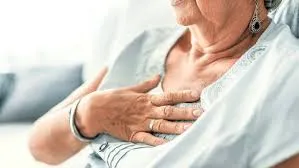
Understanding Poor Air Quality and Its Health Implications
In today’s rapidly industrializing world, poor air quality has become a pressing health concern. Air pollution refers to the presence of harmful substances in the air that we breathe, which can originate from various sources such as vehicle emissions, industrial discharges, and even natural phenomena like wildfires. The impact of poor air quality is particularly detrimental to vulnerable groups, including children, the elderly, and individuals with pre-existing health conditions. In this blog post, we will explore how to recognize the signs of air pollution affecting your health and what steps can be taken in response.
How Air Quality Affects Health
Exposure to air pollutants can trigger a multitude of health issues. According to the World Health Organization, approximately 4.2 million premature deaths each year are attributed to outdoor air pollution. Common pollutants include particulate matter (PM2.5), nitrogen dioxide (NO2), sulfur dioxide (SO2), and ozone (O3). Each of these can lead to serious health conditions:
-
Respiratory Issues: Polluted air can exacerbate conditions like asthma and bronchitis, causing symptoms like wheezing, shortness of breath, and coughing.
-
Cardiovascular Problems: Air pollutants can increase the risk of heart attacks and strokes, as they can lead to inflammation and increased blood pressure.
-
Neurological Effects: Some studies suggest a correlation between long-term exposure to air pollution and cognitive decline, increasing the risk of neurodegenerative diseases such as Alzheimer’s.
In regions like Pune, where urbanization is progressing rapidly, the quality of air can fluctuate drastically. Not noticing the harmful concoction you breathe in daily can be alarming. Therefore, it’s essential for residents to remain vigilant regarding both their surroundings and personal health.
Identifying Symptoms Related to Poor Air Quality
Recognizing the signs that poor air quality is affecting your health is crucial for timely intervention. Here are some symptoms to be aware of:
-
Respiratory Symptoms: Coughing, increase in asthma attacks, and general breathing difficulties, especially during or after outdoor activities.
-
Allergic Reactions: Increased incidences of sneezing, nasal congestion, and watery eyes can also be indicators that the air quality is poor.
-
Fatigue and Headaches: Persistent headaches or feelings of fatigue can stem from the breathing in of polluted air, affecting your overall well-being.
If you notice these symptoms consistently during polluted days in Pune, it’s advisable to limit outdoor activities, particularly for those with pre-existing respiratory conditions like asthma. Consult with a healthcare professional to discuss your symptoms. At Lopmudra Hospital Chain, we’re dedicated to providing comprehensive pulmonary care and are well-equipped to address any respiratory concerns you may have.
Short-term vs. Long-term Effects of Air Pollution
The health effects of air pollution can be both immediate and long-lasting. Understanding the difference can aid in the management of your health:
| Effect Type | Short-term Effects | Long-term Effects |
|---|---|---|
| Respiratory Issues | Worsening asthma and allergic reactions | Chronic respiratory diseases like COPD |
| Cardiovascular Risks | Increased heart rates and blood pressure | Higher rates of heart attacks and strokes |
| Neurological Effects | Dizziness and headaches | Cognitive decline and neurodegenerative diseases |
While short-term effects may alleviate with improved air quality, long-term exposure could lead to irreversible health damage. Therefore, living in a high-pollution area like Pune emphasizes the need for awareness and proactive measures to protect your health.
Ways to Monitor Air Quality
Utilizing technology can significantly assist in achieving greater awareness about current air quality. Here are some practical methods to monitor the air quality in your region:
-
Air Quality Index (AQI): Various online platforms and mobile applications provide real-time AQI data. Monitoring this can help you make informed decisions about outdoor activities.
-
Local Weather Stations: Many local news stations provide air quality updates. Keeping an eye on these reports can help you understand daily fluctuations.
-
Set Alerts: Some apps can send you alerts when air pollution levels reach unhealthy thresholds. This feature can be particularly useful for those with respiratory conditions.
Carrying out this monitoring, especially in a metropolitan area like Pune, can empower residents to take better care of their health while informing them when to stay indoors, thereby reducing exposure to harmful pollutants.
Protective Measures Against Poor Air Quality
Identifying the risks associated with poor air quality is only the first step; you must also take precautionary measures to protect yourself and your family from these threats. Here are some practical steps:
-
Stay Indoors: Limit outdoor activities, especially during high pollution days. This is particularly crucial for sensitive individuals such as children and the elderly.
-
Use Air Purifiers: Investing in a high-quality air purifier for your home can help eliminate pollutants and provide cleaner air.
-
Regular Cleaning: Dust and vacuum your living spaces regularly to minimize particulate matter indoors.
-
Consult Healthcare Providers: If you experience symptoms related to air quality, consult with medical professionals. Our experts at Lopmudra Hospital Chain are ready to assist you.
By taking these preventive steps, you can mitigate the negative health impacts of poor air quality while preserving your overall well-being.
The Role of Public Awareness and Community Action
Individual efforts to improve air quality can be amplified through community action. Public awareness campaigns can help educate the broader community on the importance of maintaining good air quality. Here are some actions that can benefit the community:
-
Environmental Education: Schools and local organizations can incorporate lessons about air quality into their programs, raising awareness amongst young students.
-
Advocate for Policies: Community members should advocate for policies focused on reducing emissions from vehicles and industries to improve air quality at a regional level.
-
Community Clean-Up Events: Organizing events such as tree plantings and local clean-ups can improve air quality while fostering community spirit.
By working together, residents of Pune can build a healthier environment, thereby safeguarding the health of future generations.
Seeking Professional Help: When to See a Specialist
If you find yourself suffering from symptoms associated with poor air quality, seeking professional help is a critical step. Early intervention can lead to better health outcomes. Here are indicators that suggest it might be time to consult a specialist:
-
Prolonged Symptoms: If respiratory symptoms persist beyond a few days or worsen, make an appointment with a healthcare professional.
-
Pre-Existing Conditions: Individuals with asthma, COPD, or other chronic respiratory conditions should consult specialists regularly, especially during high pollution periods.
-
Need for Specialized Treatments: A pulmonary specialist can offer tailored treatment plans to help manage symptoms effectively.
At Lopmudra Hospital Chain, our team includes some of the best pulmonologists in Pune who can assist in evaluating your condition and providing personalized treatment plans.
Conclusion: Taking Charge of Your Health
Poor air quality is a critical concern that can severely impact public health—a reality for many cities, including Pune. By recognizing the symptoms, monitoring air quality, and taking proactive measures, you can protect your health and well-being. Furthermore, community involvement in sustaining cleaner air will not only benefit you but also contribute to a healthier atmosphere for everyone.
Remember, it’s never too late to take charge of your health. For comprehensive care and individualized treatment options, do not hesitate to contact us at Lopmudra Hospital Chain. We are here to support you in achieving optimal health.
This article was written by Dr. Sneha Tirpude, sharing insights based on professional experience in the field.
Leave a Reply