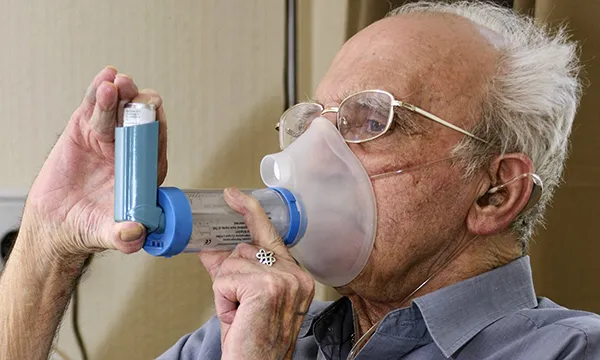
Understanding Severe Asthma: A Comprehensive Overview
Severe asthma is a critical condition that can significantly affect the quality of life for adults, causing persistent symptoms and recurrent asthma attacks. It is characterized by chronic inflammation of the airways, making it difficult to breathe. At Lopmudra Hospital Chain, we provide extensive healthcare services, including specialized medical care for patients suffering from severe asthma. This blog will delve into how severe asthma affects lung function, its implications, and the treatment options available to enhance patients’ lives.
What Is Severe Asthma?
Severe asthma is defined as a more intense form of asthma that does not respond well to standard treatments. It is marked by ongoing symptoms that can incapacitate individuals and require high doses of medications or frequent hospital visits. The relationship between asthma and the lungs is critical; severe asthma leads to *airway remodeling* where the bronchi (air passages of the lungs) become permanently altered due to chronic inflammation. This can result in airway narrowing, increased mucus production, and heightened sensitivity to various triggers including allergens, pollution, and respiratory infections.
Approximately 5-10% of all asthma cases are classified as severe. In the context of India, the prevalence of asthma is a significant health concern, affecting around 15-20 million adults. Many individuals may not even realize they have severe asthma until they experience a severe attack, which makes early diagnosis and proper management essential.
Causes of Severe Asthma
The exact causes of severe asthma are not fully understood, but several risk factors and triggers contribute to its onset. Key contributors include:
- Genetic Predisposition: A family history of asthma or allergies can increase the risk of developing severe asthma.
- Environmental Factors: Exposure to allergens (e.g., pollen, dust mites, mold) and pollutants (e.g., smoke, industrial fumes) can aggravate asthma conditions.
- Respiratory Infections: Virus infections, especially during childhood, can increase asthma severity.
- Occupational Exposure: Certain workplaces may expose individuals to asthma triggers like dust, chemicals, or fumes.
- Comorbid Conditions: Other medical conditions such as chronic rhinosinusitis or obesity can worsen asthma symptoms.
Understanding these causes is crucial in managing severe asthma effectively, particularly in tailoring a treatment regime to avoid triggers while addressing underlying factors.
Symptoms of Severe Asthma
The symptoms of severe asthma can vary from one individual to another. However, there are some common signs that point towards the necessity for urgent medical attention. These include:
- Frequent Shortness of Breath: Patients may experience breathlessness even during mild physical activities, affecting their daily lives.
- Chronic Coughing: A persistent cough may worsen at night or early in the morning, often disrupting sleep.
- Chest Tightness: A feeling of pressure or tightness in the chest can increase anxiety and exacerbate breathing issues.
- Wheezing: A whistling or squeaky sound while breathing can indicate difficulty in moving air through narrowed airways.
- Frequent Respiratory Infections: Individuals may find themselves frequently battling colds and respiratory illnesses.
If you or someone you know experiences these symptoms, it is vital to seek medical assistance immediately. Lopmudra Hospital Chain offers accessible and affordable healthcare solutions in managing asthma and its symptoms.
Impact of Severe Asthma on Lung Function
Severe asthma represents not only a challenge in management but also inflicts changes in lung function. Over time, the chronic inflammation leads to permanent modifications in lung structure known as airway remodeling. Such changes can significantly impact breathing and exacerbate symptoms, resulting in long-term complications. The following highlights the impact of severe asthma on lung function:
- Airway Narrowing: Inflammation causes the muscles around the airways to tighten, leading to narrowed passages and limited airflow.
- Increased Mucus Production: The persistent inflammation may trigger excess mucus secretion, which further obstructs the airways.
- Decreased Lung Capacity: Long-standing asthma can reduce the lung’s ability to expand fully, increasing the risk of low oxygen levels.
- Hyperreactive Airways: Severe asthma can make airways overly sensitive, leading to exaggerated responses to allergens or irritants.
Studies indicate that individuals with severe asthma may suffer from a decline in lung function at a faster rate compared to those with mild or moderate asthma. Regular monitoring and management at a specialized medical center, like Lopmudra Hospital Chain, can help track lung function and implement necessary interventions.
Diagnosis of Severe Asthma
Diagnosing severe asthma entails a thorough medical evaluation and a combination of tests. The goal is to confirm the diagnosis, assess the severity, and identify triggers. The following are common procedures involved in diagnosing severe asthma:
- Medical History Review: A healthcare provider will examine the patient’s history of asthma symptoms, treatments, and family medical history.
- Physical Exam: An assessment of respiratory function and body (potential for wheezing, breathing sounds) will be performed.
- Pulmonary Function Tests (PFTs): Tests like spirometry measure the amount of air inhaled, exhaled, and how quickly it is exhaled, helping to assess lung capacity and functionality.
- Bronchoprovocation Testing: This determines airway hyperresponsiveness by exposing the patient to increasing doses of a substance that may induce asthma symptoms.
- Allergy Testing: Identifying specific allergens can help patients manage and avoid common asthma triggers.
Accurate diagnosis and ongoing assessment are essential for effective management, enabling healthcare providers to design a personalized asthma action plan.
Treatment Options for Severe Asthma
The treatment of severe asthma typically involves a combination of medication, lifestyle modifications, and patient education. The objective is to control symptoms, minimize the risk of attacks, and maintain adequate lung function. Here are the main treatment approaches:
-
Medications: Essential for controlling severe asthma, medications include:
- Inhaled Corticosteroids: These medications reduce inflammation and are a first-line treatment for persistent asthma.
- Long-Acting Beta-Agonists (LABAs): Sometimes combined with inhaled corticosteroids, LABAs help relax airway muscles.
- Biologics: Targeted therapies for severe asthma can modify the immune system’s response to environmental triggers.
- Rescue Inhalers: Short-acting bronchodilators are utilized during acute asthma attacks for immediate relief.
- Lifestyle Changes: Incorporating changes such as avoiding known triggers, smoking cessation, and practicing stress management can lead to improved control over asthma.
- Education and Self-Management: Patients should be educated about asthma and empowered to manage their condition, including recognizing symptoms and using inhalers effectively.
Individualized treatment plans can be crafted at Lopmudra Hospital Chain, where specialists aim to optimize your asthma control and enhance your quality of life.
Seeking Help at Lopmudra Hospital Chain
If you or someone you know struggles with severe asthma, it’s essential to reach out for specialized medical care. Lopmudra Hospital Chain provides comprehensive asthma management services, featuring experienced health specialists and a multi-disciplinary approach. Our facilities are designed with the latest medical technologies to deliver the best possible outcomes for our patients and their families.
Our healthcare services are available to residents in multiple locations across India, and we emphasize the importance of timely, affordable healthcare options for managing complex conditions like severe asthma. You can contact us at +918087122022 or via WhatsApp at 918379033033 for more information or to schedule an appointment. Let us help you breathe easier and live healthier.
Conclusion: Quality of Life with Severe Asthma
Living with severe asthma may present challenges, yet with the right treatment plan and support, individuals can lead fulfilling lives. Understanding the nature of the illness, maintaining control through proper management, and fostering a solid communication bridge with healthcare providers are vital for optimal care. At Lopmudra Hospital Chain, we are committed to providing tailored healthcare solutions in the [City] area to assist patients in overcoming the hurdles posed by severe asthma and embark on a journey towards improved lung health and quality of life.
This article was written by Dr. Sneha Tirpude, sharing insights based on professional experience in the field.
Leave a Reply